


 EN
 ไทย


Customers Also Purchased


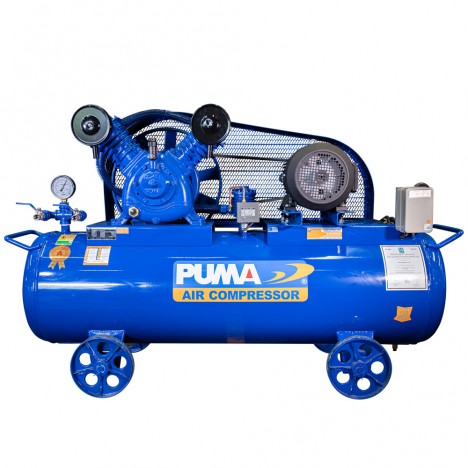


How to Choose the Right Large Belt-Driven Air Compressor for Your Job
Purchasing Belt Driven Air Compressors Whether for home use or in industrial plants, this is a major decision. Therefore, choosing a high-quality air compressor that best fits your needs will save you a lot of money, make your work more efficient, and reduce working time.
A larger tank size allows you to operate multiple tools simultaneously and use them for longer periods before the pressure drops and more air needs to be pumped in. However, with a large air storage tank, the compressor unit may be heavy and bulky, making it harder to handle compared to the convenient portability of smaller compressors, which are much easier to move around but may support fewer tools running simultaneously.
Other Related Articles
- 10 Maintenance Tips for Large Air Compressors to Extend Their Lifespan
- Types of Large Air Compressors and How to Choose the Most Cost-Effective One
Why Are Air Compressors So Popular?
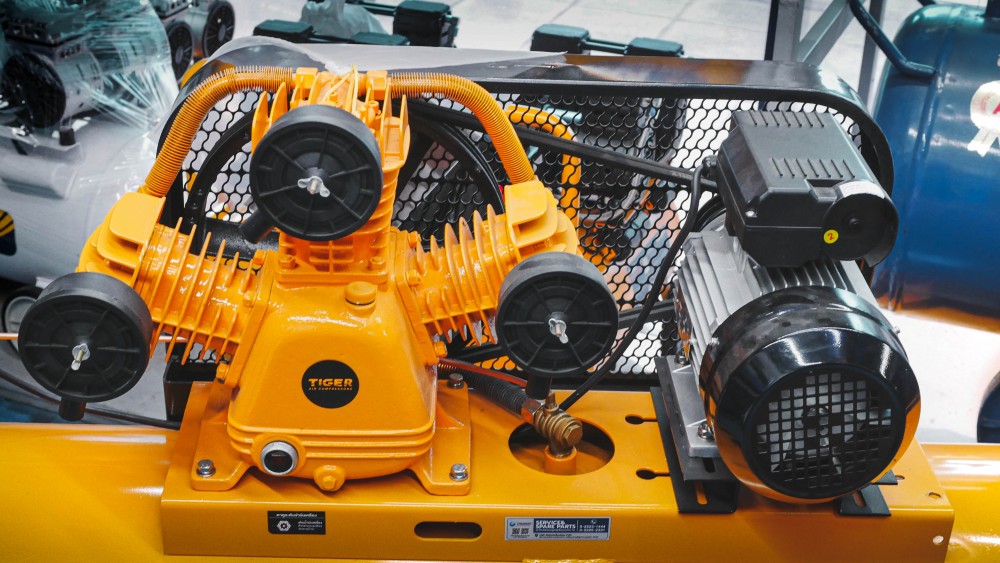
Air compressors are convenient tools for a wide range of tasks and applications. People began using air compressors as far back as the early 1500s, and they were quickly developed to accommodate various applications and an expanding array of pneumatic equipment. Air compressor technology has continued to evolve over the years up to the present day, resulting in a broader range of compatible tools to help save working time.
An air compressor is a pneumatic device that converts stored power and discharges it as compressed air energy. Modern air compressors are available in numerous models. With such a vast variety to choose from, picking just one can be challenging. For example, reciprocating piston air compressors can power a wide range of tools for homeowners and businesses alike. On the other hand, rotary screw air compressors are typically used in industrial settings because they deliver many times more airflow.
Electric or Gas-Powered
Gasoline compressors should be used outdoors or when moving between different jobsites without electrical access. However, for safety reasons, it is advised that operating gas-powered units in enclosed spaces is unsafe. Electric motor compressors are the choice for most industries because they are slightly cheaper and require less maintenance. Electric compressors come in single-phase or three-phase; it is important to check what type of power supply you are using. That said, if you can run the machinery, gas-powered is recommended as it is much more powerful and requires the same maintenance procedures.
CFM Rating
The measurement of the air volume produced by a compressor is usually rated in CFM. If you have multiple tools and wish to run several of them at the same time, you must take the CFM requirements of those tools into account to ensure the compressor's air delivery equals or exceeds that value. This ensures your tools operate with maximum efficiency and avoids issues while you are running the compressor.
Compressor PSI
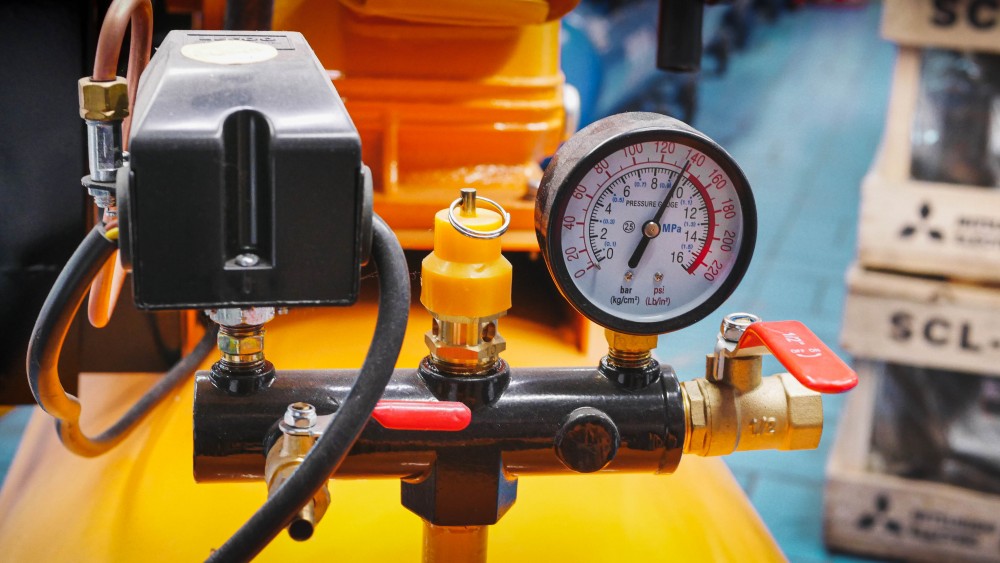
Different sizes of compressors deliver different PSI levels. PSI indicates the intensity of the air pressure that the air compressor generates. If your tool requires 150 PSI of operating pressure, your air compressor must deliver a minimum pressure of at least 150 PSI or higher to function properly. However, ensure that the pressure is not excessively high as it could damage your tools, or use a pressure regulator to help maintain an appropriate pressure level.
Compressor Duty Cycle
The duty cycle is the ratio of time the compressor runs intake compared to resting. To ensure the compressor is well maintained and to extend its lifespan, it is best not to let it run for more than 60% of the total time. If you notice your compressor runs out of air too quickly and is working excessively hard to refill, you should look for a compressor with a larger air storage tank.
What Tools Do You Want to Use with the Air Compressor?
The types of tools you want to use will come with different requirements. Knowing the tools you plan to use in advance can help you determine the type of Air Pumps air compressor that meets your required specifications. You will need to check the average CFM rating for each tool to better understand what you are looking for and what kind of compressor will provide the power you need.
Determining Specifications
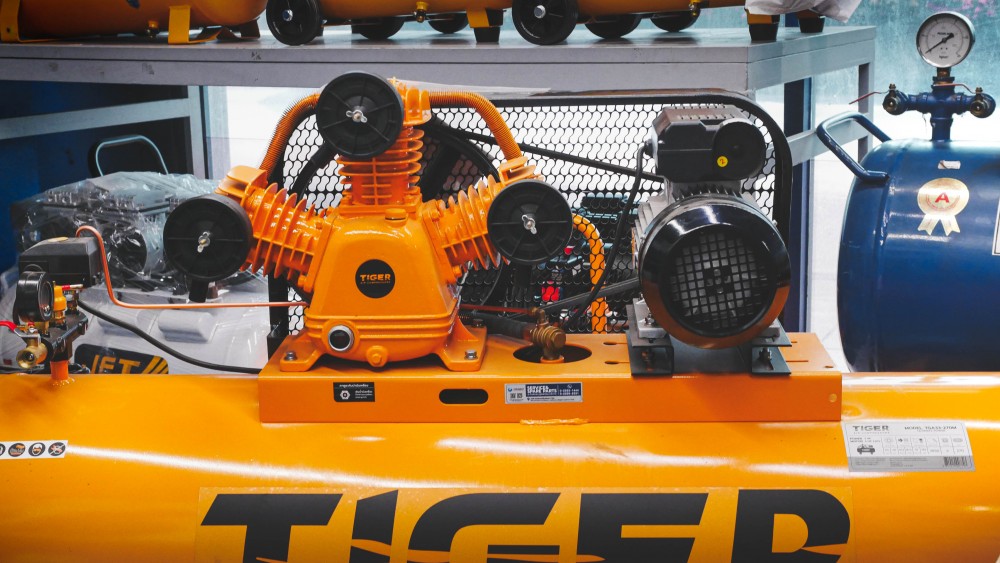
Once you know which tools you want to use with your air compressor, you can determine what specifications to look for during your search. Failing to meet these requirements when buying a compressor could mean your tools will not run at full efficiency, affecting your ability to complete tasks. Consider these specifications when choosing an air compressor: What is your required maximum operating pressure? What is the maximum operating pressure of the air compressor?
Knowing your maximum operating PSI helps you choose the right air compressor, as you will need the same PSI rating. You can also identify whether you need a single-stage or two-stage compressor. Two-stage compressors feature an extra compression stage, which increases the PSI. The higher the PSI you require, the more you will need a two-stage compressor. You can determine your required PSI by checking your tools' specifications. Choose the highest PSI among them to decide on an air compressor. For example, if you have several tools and the highest PSI rating is 90, you must choose an air compressor with a rating of at least 90 PSI.
Max. Air Volume
You will need to determine how much CFM you want the air compressor to produce. Most tools are marked with an average CFM rating, which is only about one-quarter of continuous CFM. If you plan to run the air compressor regularly, you should multiply your average CFM by four. This figure prevents you from underestimating the air power required for the job. Perform this calculation using the tool with the highest rating to ensure your air compressor continues to operate during the most demanding tasks.
You should also consider whether you will run one or more air lines for your tools at the same time. If you plan to use two or more lines, add up the minimum CFM ratings of all tools you will run simultaneously to ensure you have sufficient air power.
For example, if you plan to run two lines and one of your tools has a CFM rating of 7 and the other is 6, you should look for a compressor with a CFM rating of at least 16.
What tank size do you need?
What tank size do you need for an air compressor? Most manufacturers measure tank size in gallons, and your tank size will affect your ability to use specific tools. For example, continuous-use tools will require a larger tank because they demand adequate pressurized compressed air. Determining the tank size you need by finding CFM is not simple; the best thing to do is to go with the largest tank you can reasonably afford and accommodate.
Sizing up is better because you don't have to worry about constantly waiting for the tank to fill up, which makes you wait longer to finish your work and puts extra strain on the compressor motor. An air compressor with a larger tank lasts longer because it doesn't have to cycle as frequently, helping you get the most out of its use.