


 EN
 ไทย


Customers Also Purchased
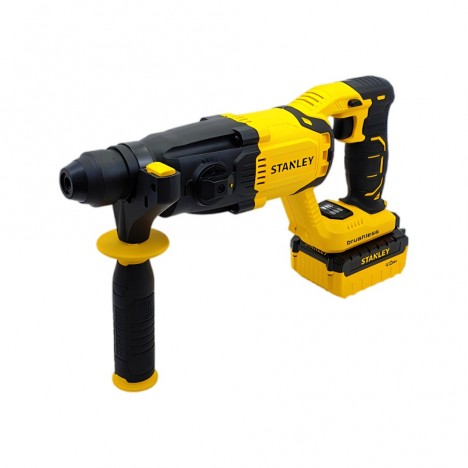
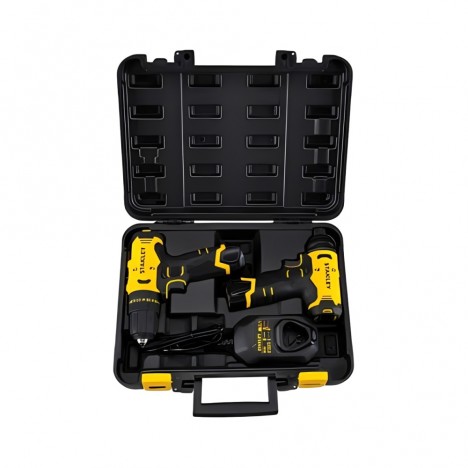
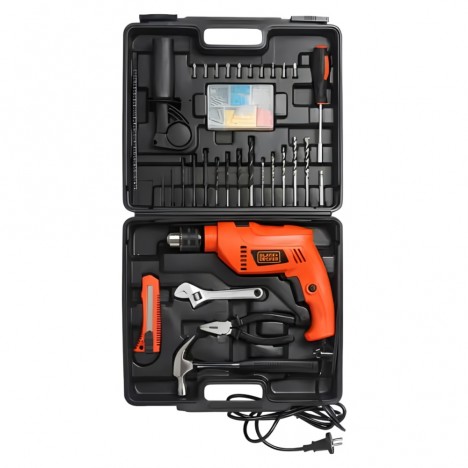


Electric drills This is a must-have tool for everyone, whether contractors or general users. It is a powerful tool used for drilling holes in various materials. Powered by an electric motor, electric corded drills are ideal for jobs requiring extensive drilling. Electric drills are also more powerful than cordless drills, making them suitable for tougher drilling tasks.
The choice between a corded electric drill and a cordless drill depends on your specific needs and preferences. Both types of drills have their pros and cons, and the better option for you may vary depending on the task at hand.
Generally, electric drills are more powerful than cordless drills and are typically less expensive. They also offer more consistent performance as they do not rely on batteries that can lose power over time. Electric drills can be used for longer durations since there is no need to recharge or swap batteries.
On the other hand, cordless drills offer greater flexibility and convenience because they can be used anywhere without needing a power outlet or extension cord. They are lighter and more portable than corded electric drills, making them ideal for tasks that require mobility or working in confined spaces. Cordless drills are also generally easier to handle, as there are no cords to get tangled or snagged on objects.
In conclusion, corded electric drills may be the better choice for heavy-duty tasks that require high power and extended runtime, while cordless drills may be suitable for lighter tasks that require greater mobility and convenience. Ultimately, the choice between the two depends on your personal needs and preferences, and it is always a good idea to compare features and read reviews before making a purchase.
Powerful Electric Drills
In terms of power, corded electric drills provide more consistent torque. Although there are very high-quality cordless drills available, corded electric drills remain a more reliable means for drilling and driving. Driven by a constant electrical current, they do not face voltage-drop limitations if you ask contractors whether they would opt to use corded electric drills.

However, there are other reasons that make corded electric drills stand out, including the overall weight of the tool, no need for batteries, and a consistent price. Cordless drills can be larger and heavier due to the battery pack. In addition, you must always have a spare battery on hand in case the one you are using runs out. Eventually, batteries need to be replaced, which can be quite costly.
Corded electric drills come in various sizes. Not every job requires a high-power corded drill. Professionals may need a drill with higher voltage/power, but homeowners have different needs. Understanding these differences will help you spend less money and get the corded drill that best suits your needs.
What is the Voltage of a Drill?
Essentially, voltage is the power available to the drill. The voltage rating indicates how much power the drill will deliver during use. The higher the voltage, the higher the price, and the weight of the drill will also increase. Higher-voltage drills offer more settings, more options, and a wider variety of attachments and drill bits.

Choosing the Right Amount
Once you decide that a corded drill is best for you, there are several things to consider. If you plan to keep the drill for general household tasks—such as repairs, furniture assembly, or just drilling holes to hang pictures or mirrors—a lower voltage rating is all that is needed. Some people can get by with just 9 volts for basic tasks.
If you are going to work on larger projects, a higher voltage is recommended. These will give you more power and torque for drilling through harder materials. A 14.4-volt drill will cost a bit more and be heavier, but it can handle most home improvement tasks. If you have a workshop, use a drill regularly, or consider yourself a master DIYer, a 24-volt drill may be the best fit for you.

Advantages of a Corded Electric Drill
Like other types of power tools, corded electric drills have their pros and cons, and here are a few reasons you should consider when choosing one. Generally, corded drills have more power than cordless drills. The simple principle is that they plug into an outlet and have access to more electricity, allowing them to tackle more challenging jobs and drill through thicker materials. With a corded drill, you never have to worry about the battery running out—which is essential if you are working on a long project. With a cordless drill, you have to stop periodically to recharge the battery.
Disadvantages of a Corded Electric Drill
Although corded electric drills are very powerful, they also have drawbacks. One of the biggest issues is the difficulty of maneuvering the tool. If you are trying to drill a hole in the middle of a room, you may have to move the drill and extension cord multiple times. It can be frustrating, especially if you are trying to work quickly. Another issue with corded electric drills is that they can be hazardous, and you could be seriously injured if the cord becomes tangled. Therefore, you should always be mindful of where the cord is and keep it away from your body.

Overall, a corded electric drill is not the best choice for everyone. If you need easy mobility without severe safety risks, you should consider a cordless drill for greater convenience in use.

Which Electric Drill is Best for You?
An electric drill is a powerful tool capable of handling a wide variety of drilling tasks. But when looking for the best corded drill, you should consider the different types of electric drills that suit your needs. There are 2 main types of electric drills: standard rotary drills and impact drills. Impact drills are designed to drill through harder materials more quickly, while rotary electric drills are generally more convenient as they are often much lighter.
If you are not sure which type of drill you need, consider the materials you will be drilling into most often. A standard drill is likely the better choice if you primarily drill into wood, but an impact/hammer drill is a great option if you plan to do a lot of work with concrete or other hard materials. Whichever drill you choose, you will get a powerful tool to handle all types of drilling tasks, so consider your needs carefully before deciding.


How to Use a Corded Electric Drill Safely and Effectively
Corded electric drills can complete many drilling jobs quickly. However, they also come with inherent risks. Here are some guidelines on how to use a corded electric drill safely and effectively:
► Always wear appropriate eye and ear protection when using a corded drill.
► Never force the drill into the material you are drilling. If the drill bit struggles to penetrate the material, try using a different bit or increase the drilling speed.
► Pay attention to the drill bit's rotation direction. If the drill bit gets stuck in the material you are drilling, do not try to pull it out by force. Reverse the drill bit's direction and gently back it out of the material.
► Keep your hands off the drill bit while it is in operation. Touching the rotating drill bit can cause severe injury.