


 EN
 ไทย


Customers Also Purchased


Electric drills What are the advantages?
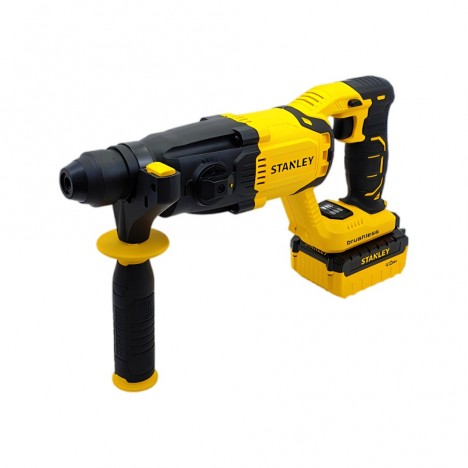
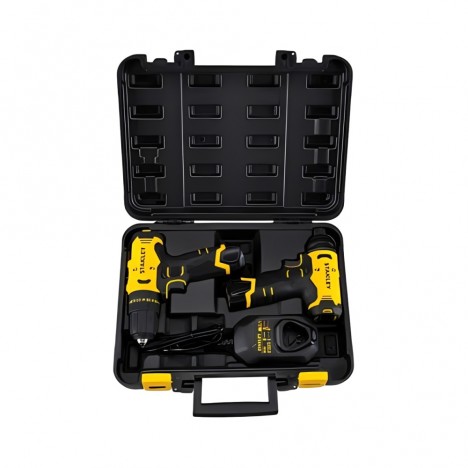
The choice between a corded electric drill and a cordless drill depends on your specific needs and preferences. Both types of drills have their pros and cons, and the better option for you may vary depending on the task at hand.
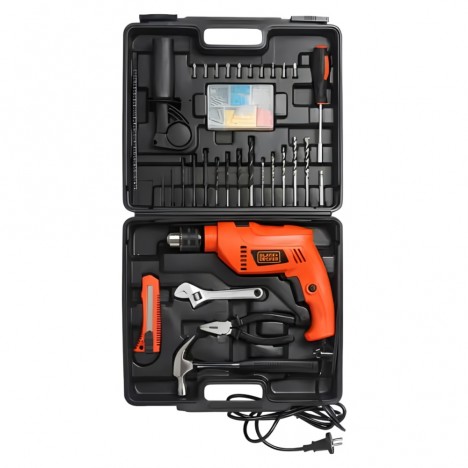
Generally, electric drills are more powerful than cordless drills and are typically less expensive. They also offer more consistent performance as they do not rely on batteries that can lose power over time. Electric drills can be used for longer durations since there is no need to recharge or swap batteries.
On the other hand, cordless drills offer greater flexibility and convenience because they can be used anywhere without needing a power outlet or extension cord. They are lighter and more portable than corded electric drills, making them ideal for tasks that require mobility or working in confined spaces. Cordless drills are also generally easier to handle, as there are no cords to get tangled or snagged on objects.
In conclusion, corded electric drills may be the better choice for heavy-duty tasks that require high power and extended runtime, while cordless drills may be suitable for lighter tasks that require greater mobility and convenience. Ultimately, the choice between the two depends on your personal needs and preferences, and it is always a good idea to compare features and read reviews before making a purchase.

Electric drills offer numerous benefits that make them valuable tools. With access to 220-volt power, corded electric drills feature powerful motors that generate more torque and speed than cordless drills. Therefore, electric drills are ideal for heavy-duty drilling tasks, ranging from cutting through plywood with a 2-inch hole saw to drilling through sheet metal and steel.
Electric drills also offer the advantage of unlimited power supply (as long as they remain plugged in). There's no waiting for the little red light on the battery charger to turn green; an electric drill allows you to keep working continuously. There is no need to replace expensive batteries after a couple of years of use.
Since electric drills do not carry a battery like cordless drills, they are lighter, which helps reduce user fatigue and makes them easier to handle.
- Electric drills deliver more power than cordless drills
- Electric drills provide unlimited power and eliminate the need to replace expensive batteries
- Electric drills are lighter than cordless drills
Usage Tips Electric drills

As with any power tool, there are inherent risks when using an electric drill. You should always wear safety glasses when operating an electric drill and unplug it before changing drill bits. It is also crucial to understand the differences in drill bit shanks, which can be round or flat; it pays to know the difference. Those with flat shanks won't slip, but can be difficult to align properly, negatively affecting hole-drilling performance. Proper bit seating and tightening the chuck are essential for a corded drill to function correctly.
With great power comes great responsibility, and that applies to electric drills. Manage your power easily, but that high-speed approach won't work on harder materials like metal and concrete. Sometimes using a slower speed to achieve higher torque yields better results.
- Wear safety glasses when using your electric drill, and always remember to unplug the drill before changing bits
- Familiarize yourself with the proper installation of round and flat-shank drill bits
- Use the power of your electric drill wisely


