EN
 ไทย


Customers Also Purchased
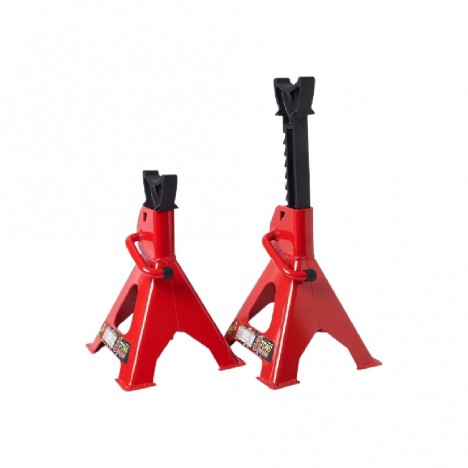

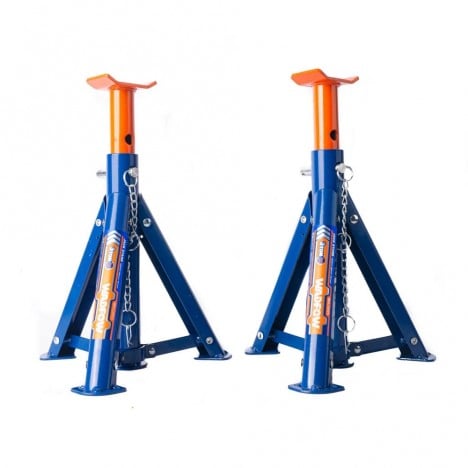
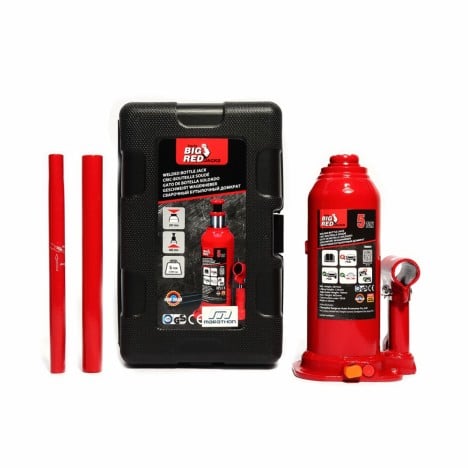
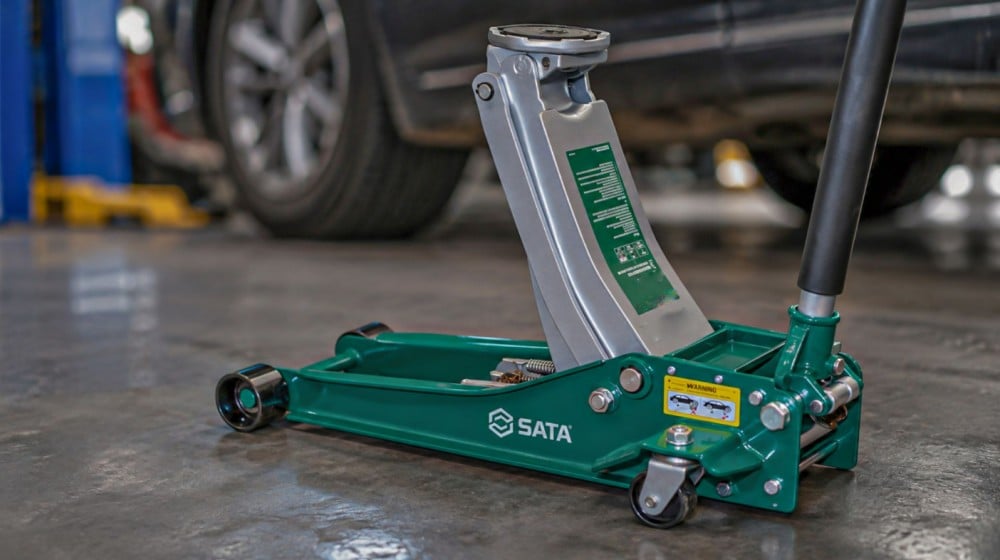
A small garage that lifts cars to change brake pads and tires several times a day might have Car Jack that has been in use for over 10 years, which one day—when pumping the handle—refuses to lift, or lifts halfway and stops. Sometimes it can lift the car, but after sitting for a while, slowly sinks on its own without anyone touching the valve.
Does sinking or refusing to lift mean it's broken and must be thrown away? In reality, many of these symptoms are caused by issues you can check yourself, such as a valve not closing completely, low oil levels, or air in the system. However, some symptoms indicate that internal seals are worn out, and it should not be used to lift vehicles again until repaired.
How hydraulic jacks work, what causes each symptom, what you can check yourself, and what needs professional repair. Including safety rules you must never skip, no matter how normal the tool appears.
Hydraulic jack: nothing is broken, so why won't it lift or why does it sink on its own?
Both bottle jacks and floor jacks operate using hydraulic fluid. When you pump the handle, a small piston forces fluid through a check valve beneath a larger ram piston, which then rises to lift the car. When you turn to open the release valve, the fluid flows back into the reservoir, allowing the ram to lower.
This system can lift and hold a load only when:
- There is sufficient oil
- There is no trapped air
- The pressurized oil has no path to leak back through valves, seals, or cracks
If any one of these conditions is not met, the system will fail to lift, fail to reach full height, or slowly sink even though everything looks normal from the outside. Think of it like filling a bucket with a leaky tap—the more you fill, the more leaks out, causing the water level to rise slowly or gradually drop. A hydraulic jack can only lift and hold loads when there is sufficient oil or fluid, no air, and no return leaks.
No matter how well it holds, a jack is meant only for lifting, not for supporting a vehicle for someone to crawl underneath.
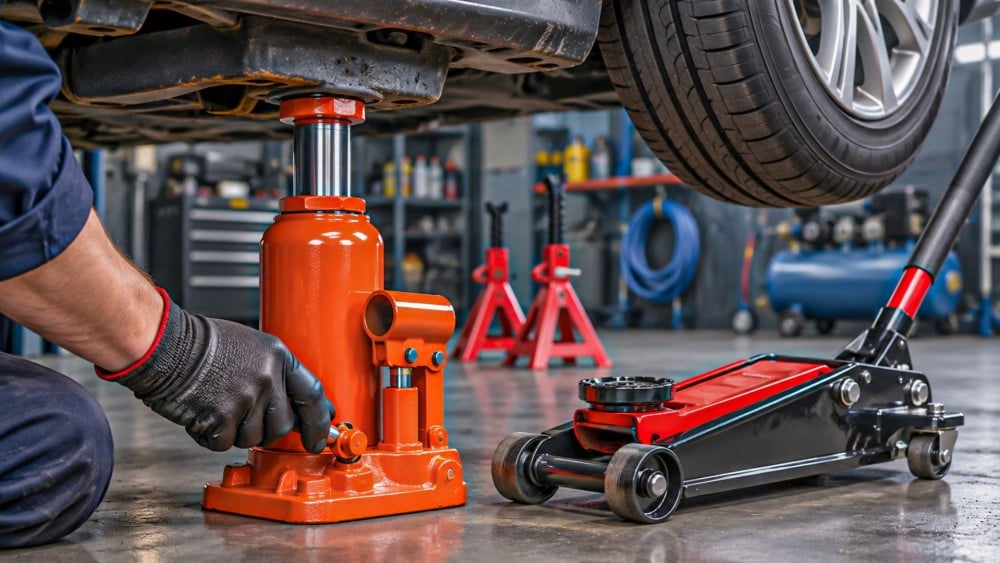
Release valve not fully closed: The primary cause of a jack pumping but not lifting
This sounds simple, but it is extremely common. Most release valves close by turning the handle or knob clockwise. If not fully closed, the pumped oil will immediately flow back into the reservoir. No matter how much you pump, it will not lift, or it will lift and immediately sink back down.
The solution is to fully close the valve in the direction specified by the manual, using hand-tight force only. Do not use a wrench or extend the handle for extra leverage, as this can damage the valve seat. If it is fully closed and still does not lift, or lifts and then sinks, the problem lies elsewhere, such as an oil leak or trapped air.
Low or leaking oil: Causes the jack to not lift to its full height
If it lifts but stops before reaching its usual height, or if you feel the pumping has no resistance near the end of the stroke, it is often because the oil in the reservoir is low. The small piston ends up drawing air instead of oil when the fluid runs low.
Check the hydraulic oil level
Lower the ram completely, position the jack as specified in the manual, then remove the oil filler plug and check the level according to the manual's instructions. If low, add the type of hydraulic oil specified by the manufacturer. Never use brake fluid, motor oil, or other fluids, as they can cause seals to swell or degrade. Do not overfill, as excess oil will be forced out when the ram is lowered.
If oil disappears frequently, there is a leak
If you have to refill frequently, or if you notice oil stains around the piston ram, under the body, or around the valve, a seal is leaking. Refilling the oil is only a temporary fix. Send it to a service center or a jack repair shop to replace the seals.
Old or contaminated oil
Oil used for a long time can accumulate debris or moisture, causing check valves to not seat properly, the piston to move sluggishly, and seals to wear out faster. If the oil is cloudy, dark, or contains sediment, change all the oil following the manual's procedure, or have a repair shop do it along with inspecting the seals. Work in a clean area, and always wipe around the filler plug before opening to prevent dirt from entering the reservoir.
Air in the system: Causes the jack to lift erratically and unevenly
Symptoms like a spongy handle feel (like compressing a spring), the ram rising jerkily in small increments, or sinking slightly under load before stabilizing are usually caused by air trapped in the system. Air can enter from improper storage (such as storing a bottle jack horizontally or upside down), refilling after the oil was extremely low, or after transportation.
The solution is to bleed the air according to the manual. This is usually done by opening the release valve, pumping the handle rapidly several times to force air back into the reservoir, and then closing the valve. Some models require loosening the filler plug while bleeding. Perform this with no load applied, then test lift unloaded before actual use. If symptoms persist after bleeding, send it for inspection.
Jack slowly lowering on its own under load: Is it a danger sign?
If the valve is fully closed, the oil level is adequate, the air has been bled, but the ram still slowly lowers on its own while supporting the weight of a vehicle, it means oil may be leaking back past the internal seals or internal check valves, which cannot be seen from the outside.
This symptom cannot be resolved by refilling oil or bleeding air, and it is extremely dangerous because the vehicle will lower slowly without warning. The golden rule is to stop using that unit immediately, tag it out of service, and send it for repair or replacement.
Overloading or lifting at incorrect points: Causes premature jack failure
Testing the jack for safe operation Using a jack overloaded frequently causes seals and valves to bear excessive pressure, leading them to start leaking sooner than they should. Meanwhile, lifting at incorrect points—such as on the rim of the fuel tank, under the oil pan, or at points not designed to bear weight—causes the tool to take angled loads, bending the piston or damaging the saddle.
Check the rated capacity before lifting
Use a jack with a rated capacity that provides a margin above the weight to be lifted at that point, not just exactly equal to the vehicle's total weight. Also, do not use extension handles or steel pipes over the handle to gain extra leverage.
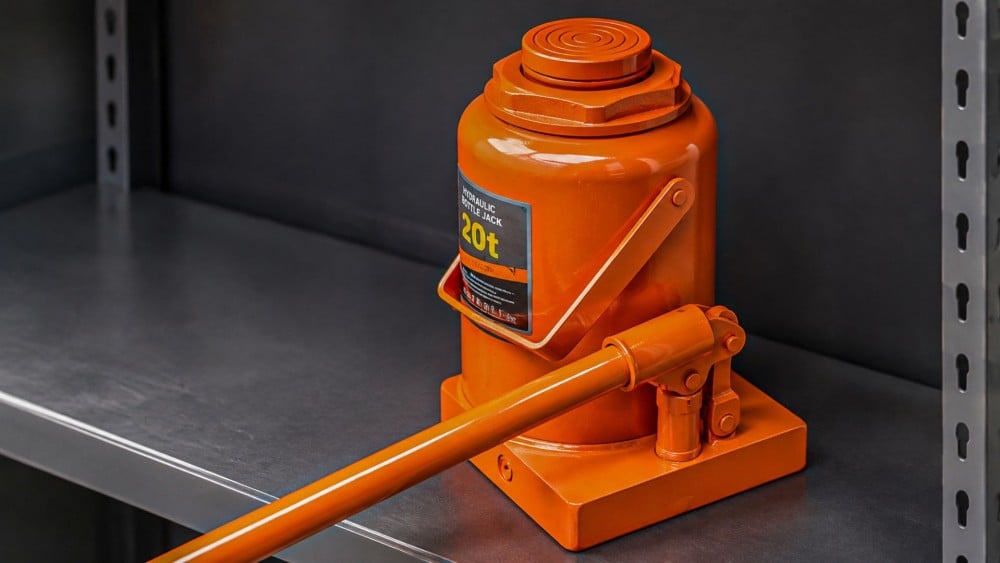
If you want to know which type suits which kind of work, check out: How do the different types of jacks differ?
Lift at the lift points specified in the vehicle manual
Each vehicle model has manufacturer-specified lift points, usually reinforced pinch welds under the chassis or designated marked spots. Refer to the vehicle manual and center the saddle precisely on the lift point.
Electric and hybrid vehicles have batteries located underneath; lift strictly at the points specified in the manual.
Can a jack that holds its height well be used to support a car for someone to work underneath?
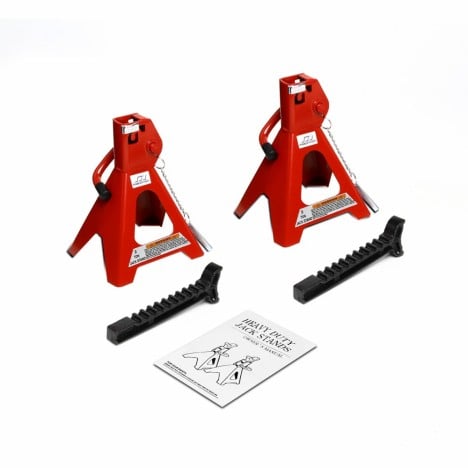
Yes, only in terms of lifting the car to the desired height and then using jack stands with adequate capacity to support the car at the manual-specified support points. Then lower the car onto the stands so it rests fully on them. The jack can remain lightly engaged nearby as a backup, but not as the primary load-bearing support.
Never crawl under a vehicle that is supported only by a jack, no matter how new, sturdy, or well it holds height. A seal could suddenly blow, a valve could be accidentally kicked open, or the car could slip off the saddle. Jack stands have no hydraulic oil to leak, making them the proper support when someone is underneath the vehicle.
Warning signs to immediately stop using a jack: repair or replace
Stop using immediately if the jack sinks on its own under load, hydraulic oil leaks around the piston or valve, the piston is bent or deeply scored, the saddle is cracked or loose, the frame or lift arm of a floor jack is twisted, wheels or axles are loose causing the unit to wobble, or the release valve does not close completely even when turned all the way.
Lower the piston completely with no load, tag it out of service, and send it to a jack repair shop or service center for inspection. Never attempt to weld or bend a twisted frame yourself, as welds may not withstand the stress. The cost of repair or replacement is far cheaper than the risk of a car falling on someone.
Using a jack safely: before, during, and after lifting
Before lifting: Park the vehicle on a hard, level surface, turn off the engine, engage the parking brake, put it in gear according to the manual, chock the wheels that are not being lifted, check that the release valve is tightly closed, test-lift unloaded to ensure normal operation, and locate the lift points specified in the vehicle manual.
During lifting: Center the saddle directly on the lift point, pump slowly and steadily, and ensure the vehicle is not tilting or shifting. Lift only as high as necessary to position the jack stands, place the stands at the support points, and lower the car onto the stands slowly by turning the release valve incrementally. Never put hands, feet, or any part of your body under the car while it is supported only by the jack.
After finishing work: Raise the vehicle slightly to remove the jack stands, lower the car slowly while checking that no people or tools are underneath, lower the piston completely, wipe it clean, and store it in the orientation specified by the manual.
If it is a floor jack, learn more about how to use it at In-Depth: How Floor Jacks Work and What They Can Lift
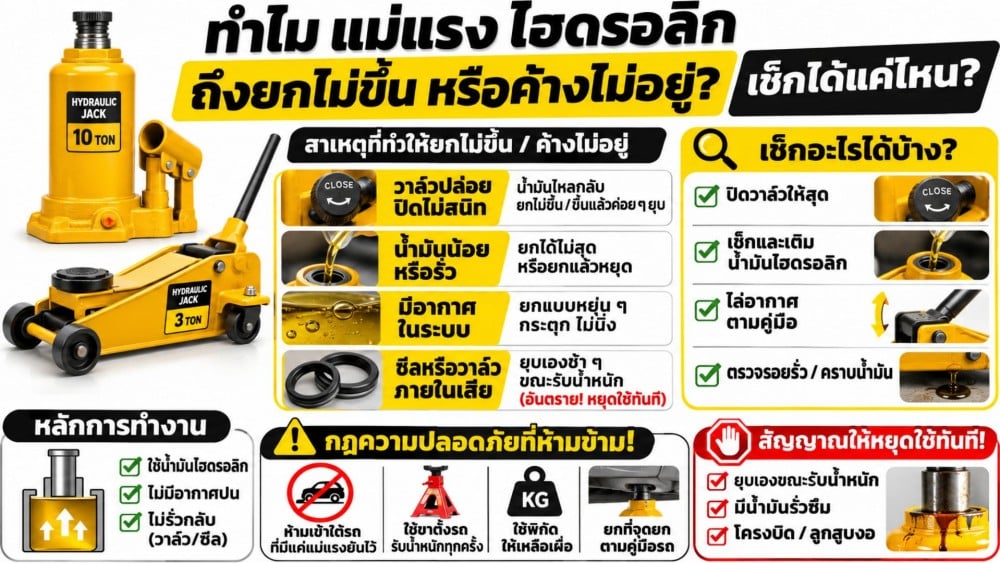
Summary: A jack lifts and stays in place if there is enough oil, no air, and no leak back.
Jacks that won't lift, won't lift all the way, or drop down on their own are mostly caused by valves, fluid, air, or seals. Whether it's a workshop floor jack, a bottle jack for pickup trucks, or a small home jack for tire changes, troubleshooting step by step helps distinguish what you can fix yourself from what needs to be sent for repair.
- Turn the release valve fully closed before lifting
- Check the fluid level in the correct position
- Refill only with the hydraulic oil specified in the manual
- Bleed air according to the manual if lifting feels spongy or jerky
- Store in the correct position
- Use within a safe capacity margin
- Lift only at the jacking points specified in the vehicle manual
- Test lift without a load before use
The important thing is never to get under a vehicle supported only by a jack. Always use jack stands to support the weight. If it drops on its own under load, leaks oil, or has a bent frame, stop using it immediately and send it for repair.
What symptoms has your "jack" ever experienced?
If you're looking for a new bottle jack, floor jack, or jack stands suited for your work, browse the category Car Jack at iToolmart now!