


 EN
 ไทย


Customers Also Purchased
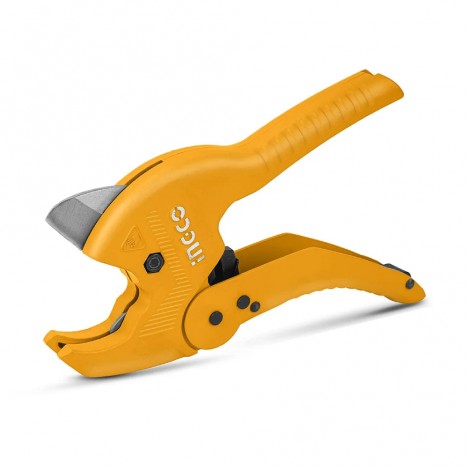


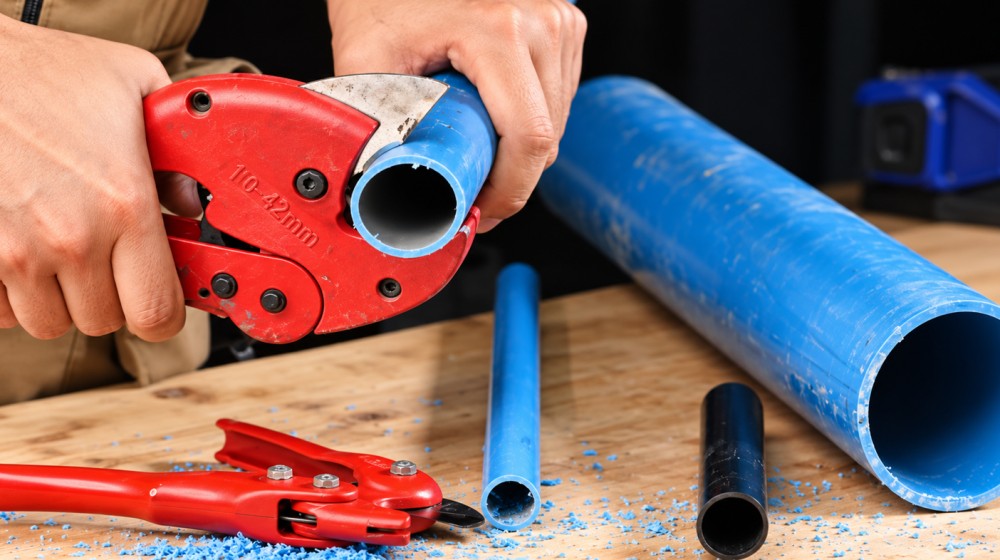
"Can I use just one tool to cut every pipe?" It sounds like a simple question, but the short answer is no. A pipe shear that slices cleanly through PVC pipe will flatten and deform an air conditioning copper tube so much that you can't flare it. Meanwhile, a copper tube cutter that makes a perfectly round cut will leave your arms exhausted if you try to spin it through a large PVC pipe. Pipe cutting tools come in various types, each designed for different pipe materials. This article will break down the different types and guide you on which one to use for your specific job.
Pipe Shears vs. Tube Cutters: What's the difference?
The difference lies in how they cut. Pipe Shears features a single sharp blade that presses down through the pipe wall against an anvil on the other side, much like pruning shears. It cuts quickly in just a few strokes and is ideal for softer plastic pipes. On the other hand, a tube cutter—commonly referred to by HVAC technicians as a pipe cutter—uses a sharp cutting wheel pressed against the pipe's surface, rotating around it while gradually tightening the knob to cut deeper with each turn until it severs. This method keeps the pipe opening round, avoids crushing, and delivers a squarer cut, making it ideal for metal pipes like copper, aluminum, or thin steel. Put simply: use shears for plastic pipes and cutters for metal pipes—then let's look into the details of each type.
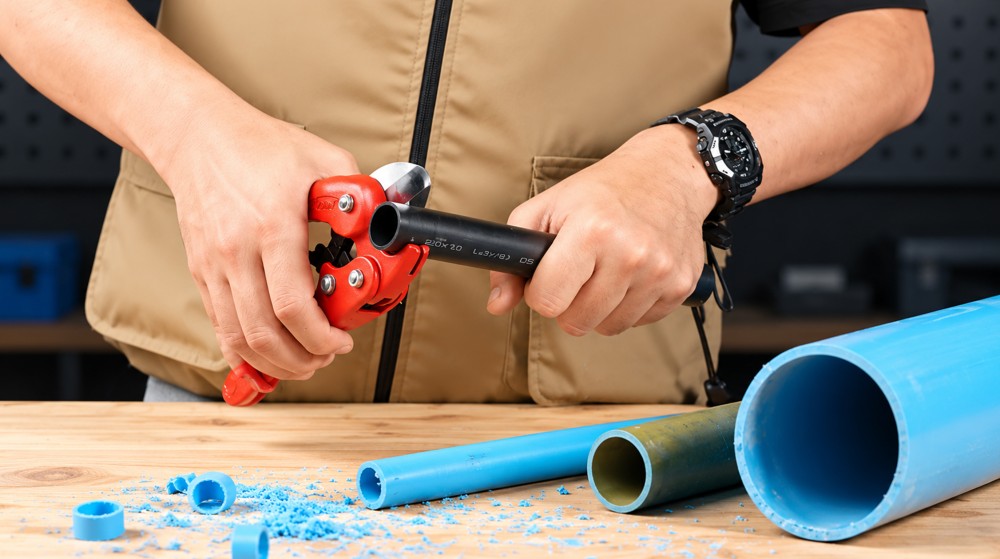
What types of PVC pipe shears are there?
- Standard Pipe Shears: Squeeze the handles once to drive the blade through the pipe. Easy and fast to use, ideal for small pipes like electrical conduits or small household water pipes. For larger pipes, it requires considerable hand force.
- Ratcheting Pipe Shears: Technicians refer to these as free-wheel or ratchet pipe cutters. Squeezing the handle repeatedly advances the blade slightly with each stroke without slipping back. This dramatically reduces hand fatigue, making it ideal for slightly larger PVC pipes or for anyone cutting pipes all day.
- Cordless Pipe Shears: Powered by a motor and battery to drive the blade automatically. Just press the button, and the blade cuts on its own, requiring minimal effort. Perfect for high-volume daily pipe cutting jobs, although the tool is heavier and several times more expensive than manual models.
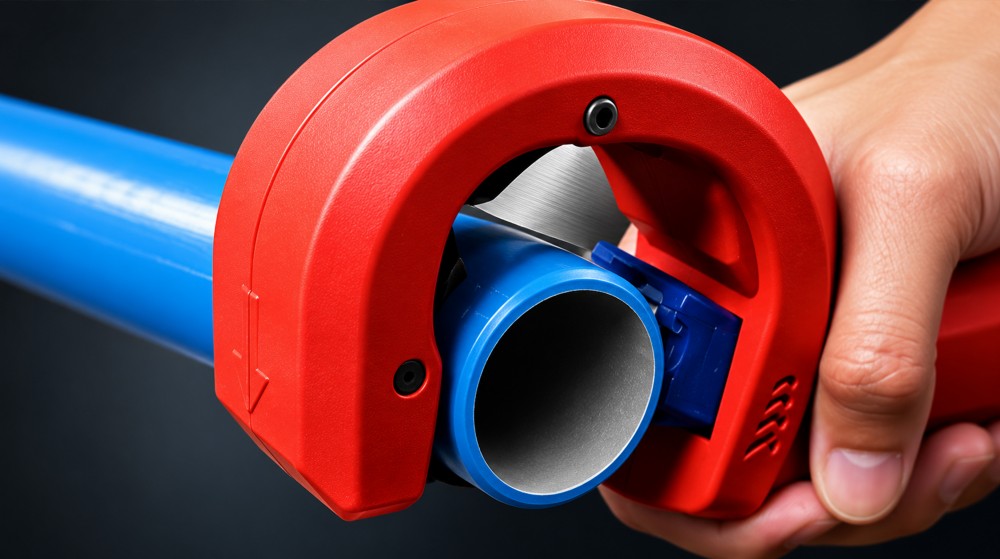
What types of tube cutters are there?
- Standard Copper Tube Cutters: Featuring a C-shaped frame with one cutting wheel and guide rollers on the opposite side. Turn the threaded knob to tighten the wheel against the tube, then spin it around. This is the most common tool used by HVAC and copper plumbing technicians. Many models also include a built-in fold-away reamer for deburring.
- Mini/Close Quarters Tube Cutters: Compact and palm-sized, designed for cutting pipes in tight spaces—such as copper tubing behind an AC coil close to the wall where a full-sized cutter cannot rotate. They are limited to smaller pipes, but keeping one in your toolbox can save the day on many jobs.
- Steel Pipe Cutters: Larger and heavier with hardened cutting wheels. Some models feature multiple cutting wheels, eliminating the need to rotate a full 360 degrees around the pipe. Ideal for steel plumbing pipes installed close to walls. This is a more specialized tool—unless you cut steel pipes frequently, you don't necessarily need one.
Can I use the same pipe shears for PE pipe, PPR pipe, or agricultural hoses?
Mostly, yes. These plastic pipes are soft enough to be cut with pipe shears, but keep a few things in mind. Agricultural PE pipe is soft and flexible; if the blade is dull, the pipe will crush rather than cut cleanly. PPR pipe, used for hot water systems, is harder than PVC and has thick walls. It requires shears with the proper capacity and an extremely sharp blade to ensure a square, unangled cut, since PPR pipe welding demands very straight ends.
iSafety Tips Before Using Pipe Shears
- The blade is extremely sharp. Always lock the blade when not in use, and never hold the pipe close to the blade while cutting.
- Wear safety glasses. Old or sun-exposed PVC pipe can shatter into jagged shards, sending sharp debris flying.
- For pipes installed in active systems, always shut off the water and relieve pressure before cutting.
- For refrigerant lines and gas pipes, always recover the refrigerant or gas from the system first. If you are not a trained technician, it is best to call a professional.
Summary
iSafety Tips Before Using Pipe Shears
- The blade is extremely sharp. Always lock the blade when not in use, and never hold the pipe close to the blade while cutting.
- Wear safety glasses. Old or sun-exposed PVC pipe can shatter into jagged shards, sending sharp debris flying.
- For pipes installed in active systems, always shut off the water and relieve pressure before cutting.
- For refrigerant lines and gas pipes, always recover the refrigerant or gas from the system first. If you are not a trained technician, it is best to call a professional.
Choose the right pipe-cutting tool for the pipe material. Pipe shears and pipe cutters are not interchangeable. Use pipe shears for PVC and plastic pipes; choose a ratchet-assisted mechanism for frequent cutting. Use a pipe cutter for copper and aluminum pipes, with mini cutters available for tight spaces. Use a dedicated steel pipe cutter for steel pipes, and always keep a deburrer handy. If you're still not sure, check out the various models in itoolmart's pipe shear and pipe cutter category, or bring actual pipes to compare at our branch. As for complementary tools like pipe benders
Select Pipe Shears to suit the application