EN
 ไทย


Customers Also Purchased
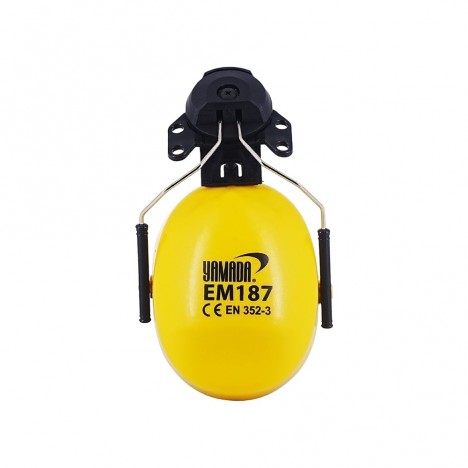
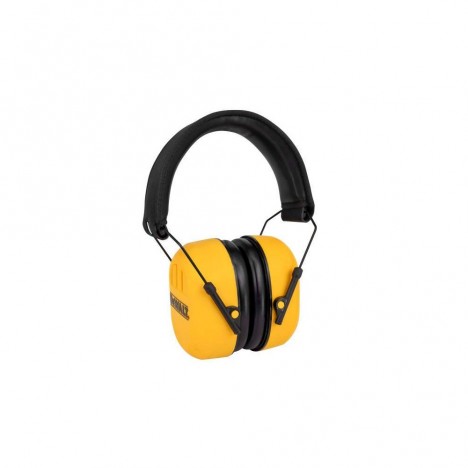

Imagine you are doing some weekend home improvement, getting ready to cut metal with an angle grinder. But as soon as you turn it on, the high-pitched roar of the motor and cutting disc hurts your ears. So, you grab your everyday wireless headphones, put them on, and turn on Active Noise Cancellation (ANC). The once-deafening grinder noise drops noticeably, leaving you feeling like these headphones are doing a great job protecting your hearing. But... the perception of quieter noise does not always mean you are receiving adequate protection. Workshop noise is nothing like the continuous drone of an air conditioner or the engine hum heard during a commute. It can be high-pitched, rapidly shifting, and often spiked with sudden, impulsive peaks.
The question is: do hearing protectors and ANC noise-canceling headphones really serve the same purpose? If you already own ANC headphones, do you still need to buy Earmuffs ear muffs on top of that? Let's explore the differences before making your choice.
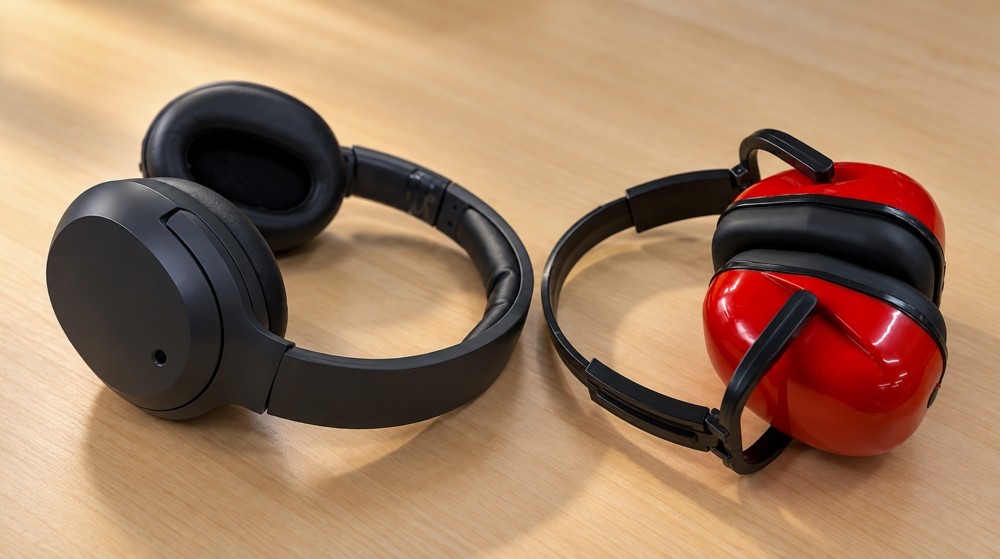
What is the difference between earmuffs and ANC headphones?
Although both types help reduce external noise, their design purposes and performance evaluation methods differ significantly, especially when used with loud power tools or machinery.
Earmuffs focus on protecting against potentially hazardous noise
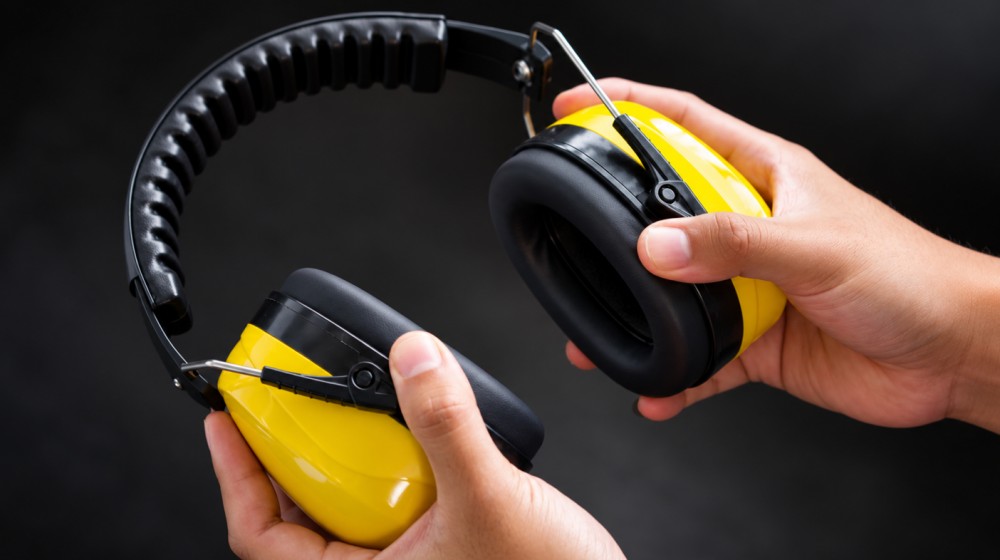
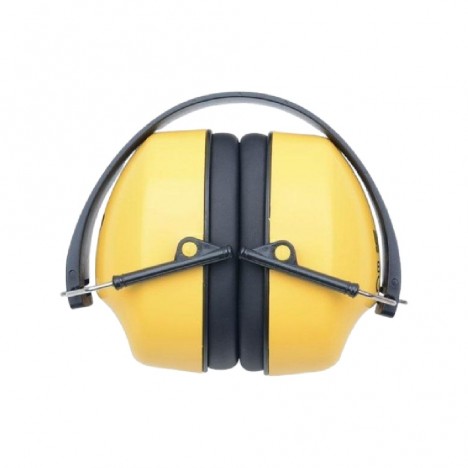
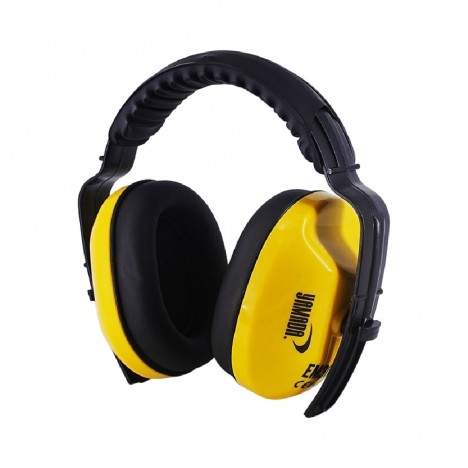
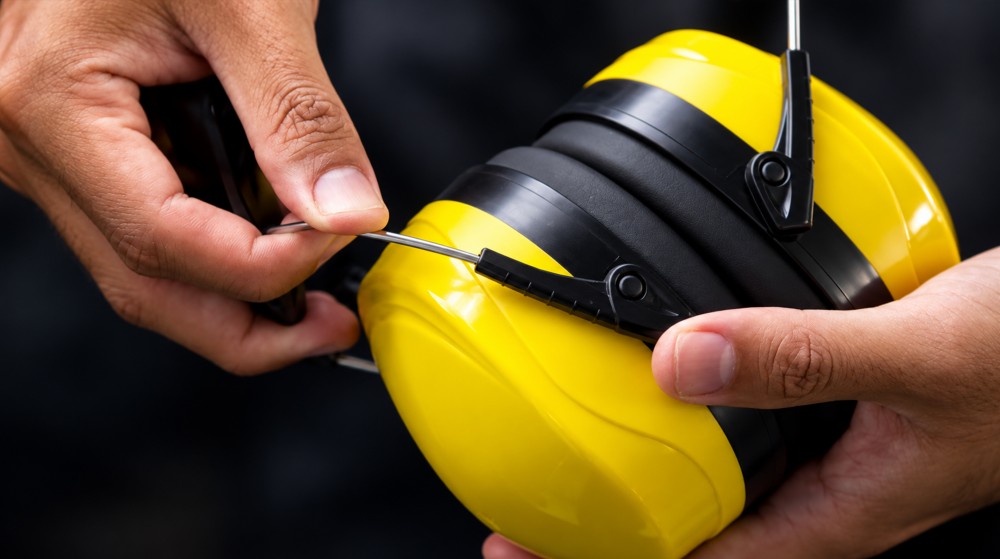
Noise-reducing earmuffs are hearing protection devices that use an ear cup shell, sound-absorbing materials, and ear cushions that seal against the head to help attenuate sound energy entering the ears. This type of device does not require electronic systems because it primarily relies on passive noise reduction through its internal structure and materials.
Models designed for industrial applications have tested noise reduction ratings, such as NRR or SNR, to help assess whether the equipment is suitable for the noise conditions in the work area. Importantly, earmuffs do not completely eliminate sound, but rather reduce the sound level reaching the ears; actual performance also depends on proper fit and seal.
ANC headphones focus on reducing ambient noise for a more comfortable listening experience
ANC stands for Active Noise Cancellation, a technology that uses microphones to capture ambient noise and processes it to generate an inverted phase sound wave that cancels out the sound inside the headphones. This technology typically works well, especially with relatively steady, low-frequency noises like engine hums, fans, or air conditioning systems.
However, with rapidly changing sounds or instantaneous impact noises, ANC performance may vary depending on the design of each headphone model. While ANC headphones can effectively reduce sound levels reaching the ears in certain frequency ranges, it does not mean every pair will reduce hazardous noise sufficiently for workshop tasks. This is why we should not judge hearing protection effectiveness solely based on how quiet it feels when worn.
Why are power tool noises a difficult challenge for ANC headphones?
If you have ever worked with various power tools, you will notice that the sound produced by each type varies greatly, even among tools with similar motor sizes. Take the following 3 types of tools as examples:
- Angle grinders produce motor noise, disc noise, and friction noise between the disc and the workpiece. The sound level and frequency composition change depending on the material and applied pressure, especially when grinding steel or stainless steel.
- Impact drills and rotary hammers produce noise from the hammer mechanism and contact with concrete walls in addition to motor noise. Working in confined spaces also increases user noise exposure due to acoustic reflections.
- Nail guns generate sudden impulse noise with each shot. Even though the sound is not continuous, high-level impact noise can still cause hearing damage.
The critical point to note is that while consumer ANC headphones can reduce background noise well, they do not guarantee adequate attenuation for all types of noise in these situations.
The U.S. Occupational Safety and Health Administration (OSHA) does not recommend using consumer ANC headphones—which are neither designed nor tested for hearing protection—as a substitute for workplace hearing protection devices. Put simply, headphones that deliver a very quiet music listening experience may not always be the right equipment to handle noise from grinders or nail guns.
How loud does it have to be before you should use earmuffs?
Some believe power tool noise only becomes dangerous when it is uncomfortably loud. In reality, hearing risk depends not only on loudness, but also on the duration and frequency of noise exposure. The National Institute for Occupational Safety and Health (NIOSH) recommends an exposure limit of 85 dBA averaged over an 8-hour workday, applying the rule that for every 3 dBA increase in sound level, the recommended allowable exposure time is cut in half.
| Average Sound Level | Noise Exposure Duration |
|---|---|
| 85 dBA | 8 hours |
| 88 dBA | 4 hours |
| 91 dBA | 2 hours |
| 94 dBA | 1 hour |
| 100 dBA | 15 minutes |
These figures are recommended guidelines for cumulative daily noise exposure, not a guarantee of safety for everyone, nor are they the same criteria used for sudden impact noise. Consider that if a craftsman has to cut steel, drill concrete, and grind surfaces continuously throughout the day, even with intermittent pauses, the total exposure duration still accumulates. For homeowners doing DIY only on weekends, infrequent use does not mean protection isn't needed, because certain types of tools can generate high noise levels within a short period as well.
Therefore, if working in an area so noisy that you must shout to talk to someone nearby, or where continuous loud machinery operates, you should evaluate the noise level and prepare appropriate hearing protection equipment. Do not wait until your ears hurt to start protecting them.
Which types of ANC headphones can replace ear defenders?
Does it have tested noise reduction ratings?
Does the manufacturer specify it for occupational noise protection?
Is it suitable for the actual noise environment on site?
What kind of trade work can use ANC headphones, and which work requires ear defenders?
Furniture assembly or low-noise DIY tasks
Steel cutting, grinding, and concrete drilling
Work requiring communication with teammates
What to look for when choosing earmuffs for technician work?
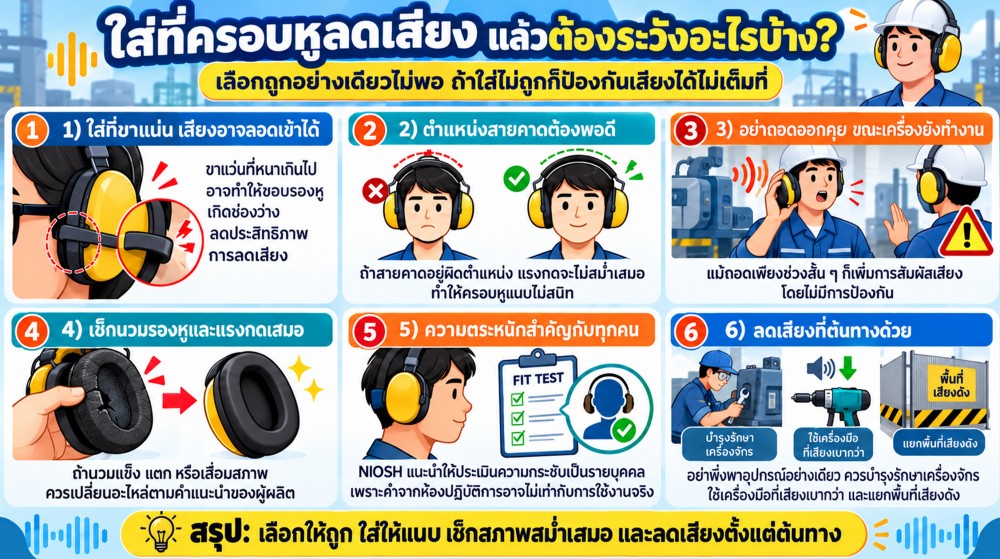
- Noise Reduction Rating: Check the NRR or SNR and relevant standards to ensure they match the noise level assessment of the work area.
- Fit: The ear cushions must seal securely against the head without interference from eyeglass frames, hair, or straps of other equipment.
- Comfort: The headband must not be so loose that it shifts, but also not pinch the head so tightly that it prevents continuous wear during work.
- Compatibility: If you need to wear a hard hat, face shield, or dust mask, choose a model that is compatible according to the manufacturer's recommendations.