


 EN
 ไทย


Customers Also Purchased

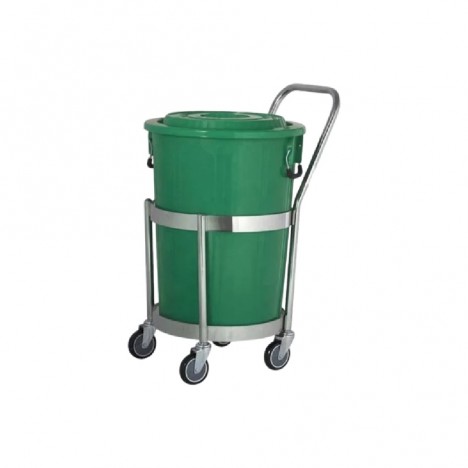
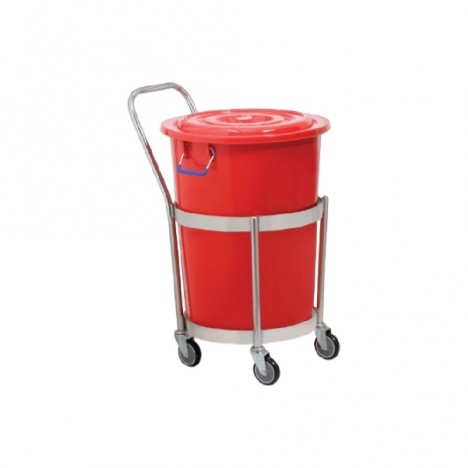
Bought a utility cart to haul cement bags on a jobsite, only to have its plastic wheels crack after just two weeks? Or bought a large, heavy-duty cart for the office, only to find it won't fit into the elevator because it's wider than the door? Issues like these don't mean the cart is bad; usually, it's just the wrong type for the job. Construction Trolley Mostly, they all look alike: they have wheels, a platform, and a handle. But the wheel type, weight capacity, and whether it folds—these are what determine whether it will last long or break quickly. Let's go through them one by one.
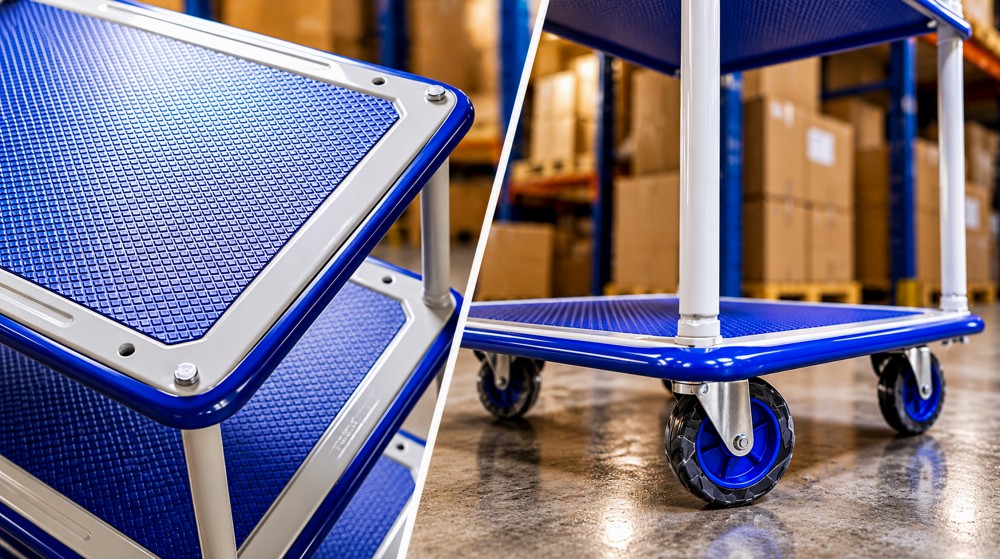
How Many Types of Utility Carts Are There, and Which One Suits What Job?
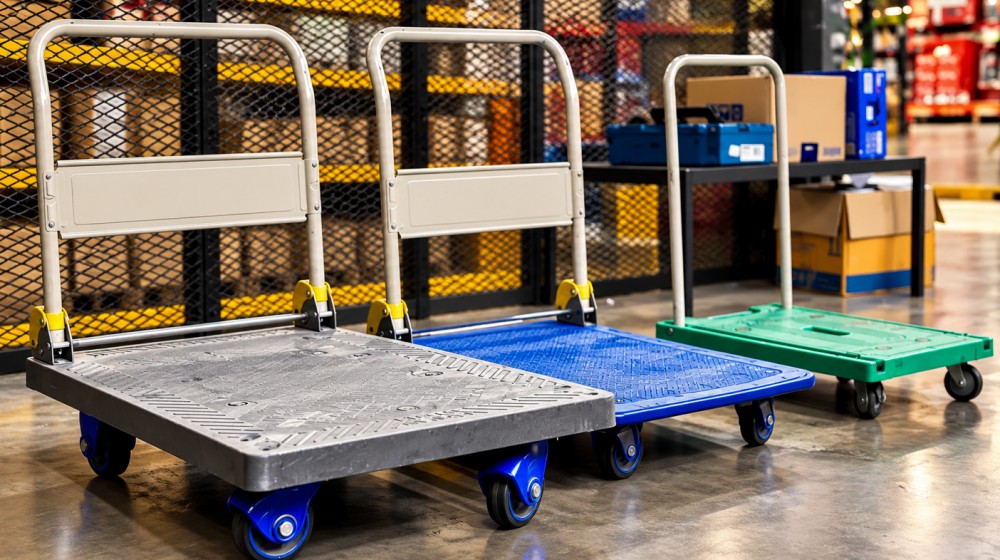
Four-Wheel Flatbed Utility Cart
This is the most common type of utility cart. It has a flat deck with a handle on one side, offering ample loading space. Ideal for boxes, crates, sacks, or items with a flat base. Usable in homes, shops, warehouses, and offices alike. Many models feature a folding handle, making it easy to store under a desk or in a car trunk.
Two-Wheel Utility Cart (Hand Truck)
Some call it a sack truck or hand dolly. It features two wheels and a bottom nose plate. You slide the plate under the load and tilt the cart back. Ideal for tall items like water jugs, stacked crates, small cabinets, or sacks being moved short distances. The upside is maneuverability in tight spaces, though it takes more effort to balance than a four-wheel cart.
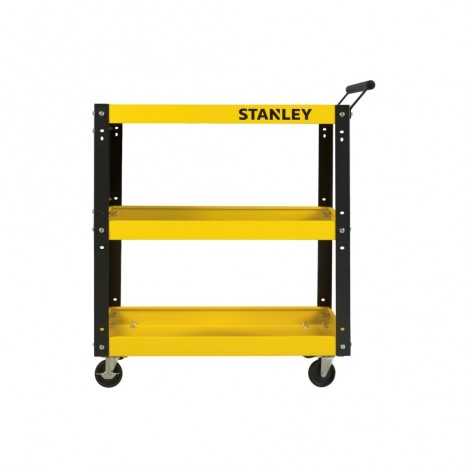
Tiered Utility Cart
Features two to three tiers, ideal for tasks requiring the transport of multiple items at once, such as mechanic tools in a repair shop, spare parts in a store, or cleaning equipment in a building. This type of utility cart is not designed to support as much weight as flatbed types, but it organizes items much better.
Collapsible Utility Cart
Shaped like a box or basket with wheels, folding flat for storage. Perfect for carrying groceries or belongings from the car into the house, shopping, or camping. Not suitable for heavy-duty work or very rough terrain.
How Much Weight Capacity Is Enough for a Utility Cart?
The load capacity figure on the box is the maximum limit specified by the manufacturer, not the weight you should carry every day. If operated near maximum capacity all the time, the wheels, axles, and weld points will fatigue quickly. A simple rule of thumb is to look at the heaviest items you frequently transport, then choose a utility cart model with a substantially higher weight capacity. For example, if you regularly transport multiple bags of cement, you should choose one rated well above the total weight of all bags, rather than matching the number precisely. Another factor people often overlook is that actual load capacity drops on uneven ground or when rolling over door thresholds frequently, as the impact force when wheels hit bumps or holes is several times higher than static weight.
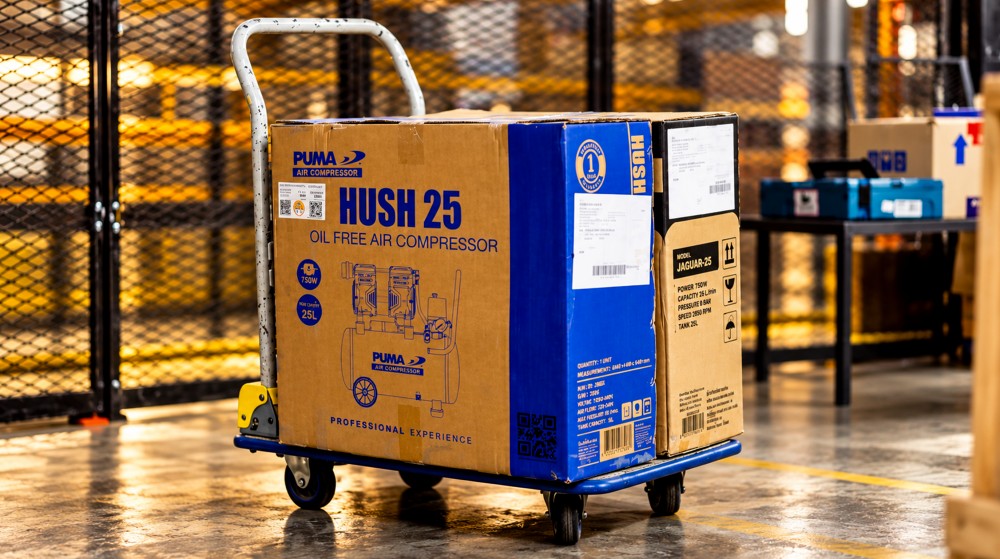
Which Cart Wheels Suit Which Floor Types?
- Hard plastic wheels: affordable, lightweight, and easy to push on smooth surfaces, but noisy and prone to cracking on rough floors or under heavy loads. Ideal for light indoor home or office use.
- Solid rubber or PU wheels (polyurethane, a rubber-like plastic, durable and quiet): softer roll than solid rubber, quieter, leave fewer floor marks, and absorb impacts better than hard plastic. Ideal for warehouses, retail stores, and tiled floors.
- Pneumatic (air-filled) rubber wheels: the smoothest ride, navigating dirt, gravel, or job site surfaces effectively. Best suited for outdoor and construction tasks. The downside is requiring regular pressure checks—if punctured, it cannot be pushed.
- Swivel casters vs. rigid casters: swivel casters rotate 360 degrees, while rigid casters move in one fixed direction. Most 4-wheel carts use two front swivel casters and two rear rigid casters, allowing easy steering while maintaining straight-line tracking. Using swivel casters on all four wheels makes maneuvering in tight spaces effortless, but causes more wandering along long, straight paths. Wheels with brakes are also very helpful when parking on inclines or during loading and unloading.
Utility Cart Dimensions and Folding: Considerations Before Buying
Before buying, measure three key spots: the narrowest doorway you need to clear, the elevator dimensions if applicable, and the cart's storage space when not in use. A cart that doesn't fit through the door is useless, no matter how sturdy it is. If storage space is limited or it needs to go into a car trunk often, opt for a model with a folding handle or a fully collapsible body. Test folding and unfolding it at the store to ensure the locking mechanism is secure, wobble-free, and operable with one hand.
Utility Cart Accessories That Make Hauling Easier
A few inexpensive accessories can make a big difference. First are bungee cords or tie-down straps with buckles to secure high-stacked items from shifting or falling over thresholds. Second is an anti-slip rubber mat placed on the cart bed to keep boxes from sliding and prevent surface scratches. Third is a set of spare wheels: if your cart supports wheel replacements, keeping a spare set on hand ensures you won't get stuck mid-job if a wheel breaks. Always check with the store beforehand to confirm if spare wheels are available for that model.
Summary
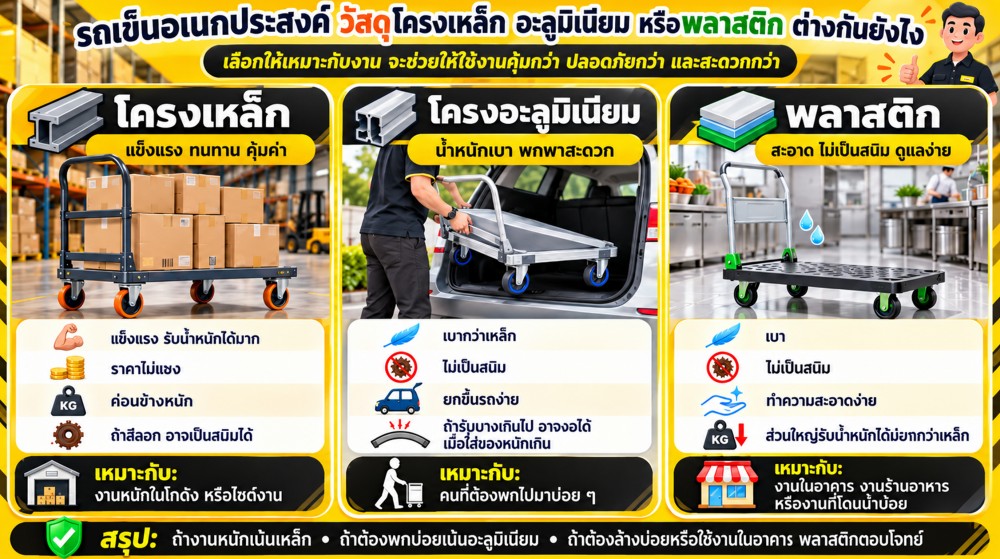
Choose a utility cart that matches your cargo and terrain. The right utility cart aligns with your transport needs, provides ample load capacity headroom, features wheels suitable for the surface, and easily fits through doors and storage spaces. Transport crates with a flatbed cart; move tall items with a two-wheel hand truck; carry multiple items on tiered carts; haul belongings from the car into the house using a folding cart. If you are still unsure, explore the various models in the utility cart category on itoolmart, or visit our branch to test-drive one yourself. With your current cart, did the wheels or the frame fail first?
Select Construction Trolley to suit the application