


 EN
 ไทย


Customers Also Purchased

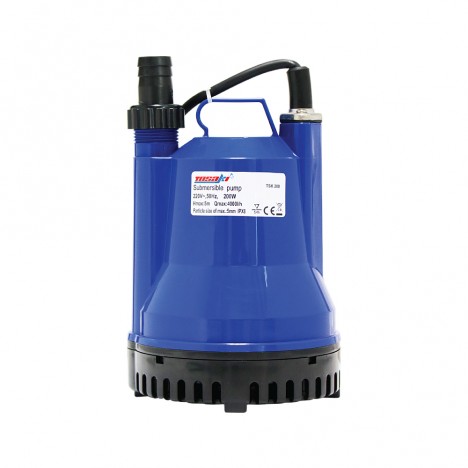
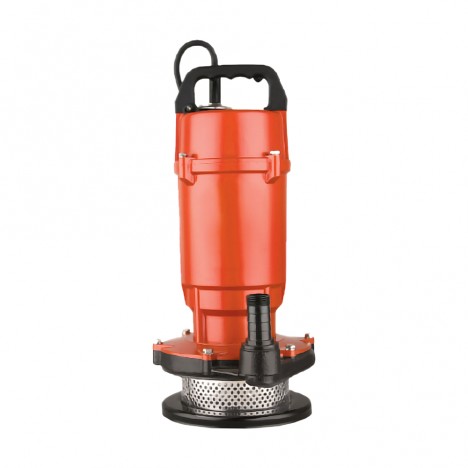
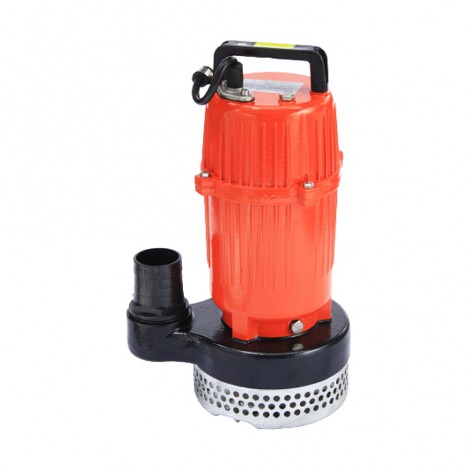
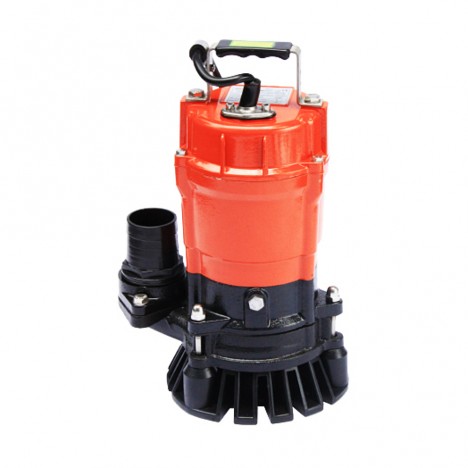
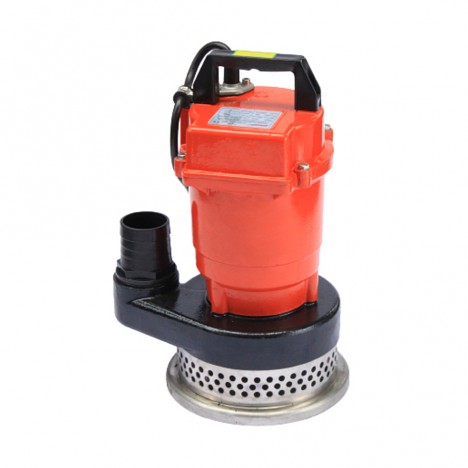
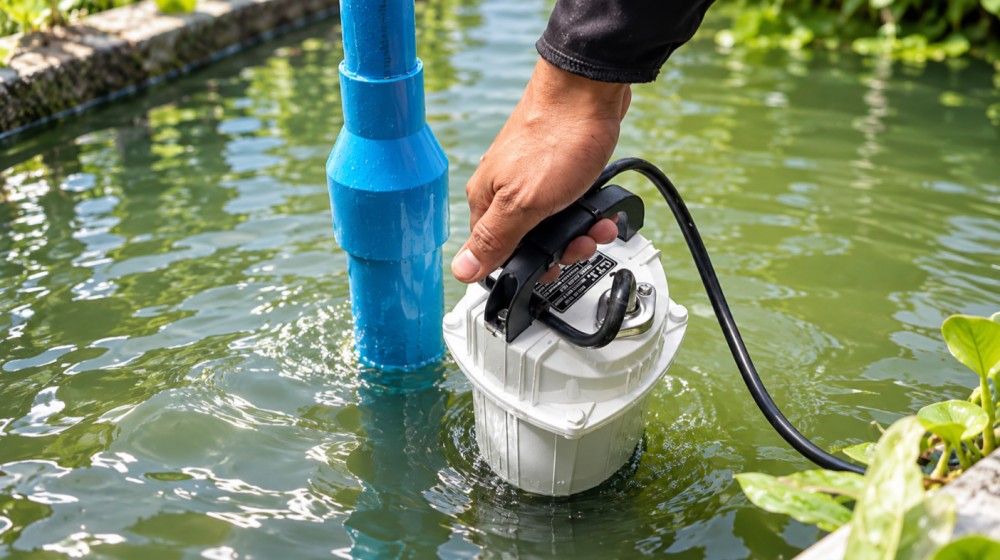
"Which submersible pump drains flood water the fastest? I'll take that one!" During heavy rain, this is probably the most common question heard at the storefront. It's completely understandable—the water has already reached the front of the house, so who has the mood to sit and compare specs? But to answer frankly, submersible pumps for pumping flood water will be effective or not depending not just on how powerful the machine is. It comes down to three things: can the pumped-out water flow back in, does the machine match the water condition, and is the power outlet safe enough? If these three criteria are met, an average submersible pump will help a lot. But if not, buying a large one will just be wasted effort.
What kind of flooding can a submersible pump help with, and when is pumping useless?
This needs to be stated upfront because many households waste money right here. If the water outside is higher than the house floor and keeps flowing in through doors, pipes, or wall joints, then no matter how much you pump out, the same amount will just flow back in. It's like bailing water out of a leaking boat. The submersible pump isn't at fault; you're just asking it to fight the entire street's water.
A submersible pump will only be truly effective once there is a barrier in place, such as sandbags, door flood barriers, or a house wall with sealed leaks. Once blocked, the remaining water will just be seepage and rainwater falling within the property line, which is a much smaller volume. This is where a submersible pump can handle it. As for stagnant flood water waiting to drain—where the rain has stopped but water remains trapped in the parking lot or garden because the drains can't keep up—this is the submersible pump's specialty.
What type of submersible pump should be used for flood water?
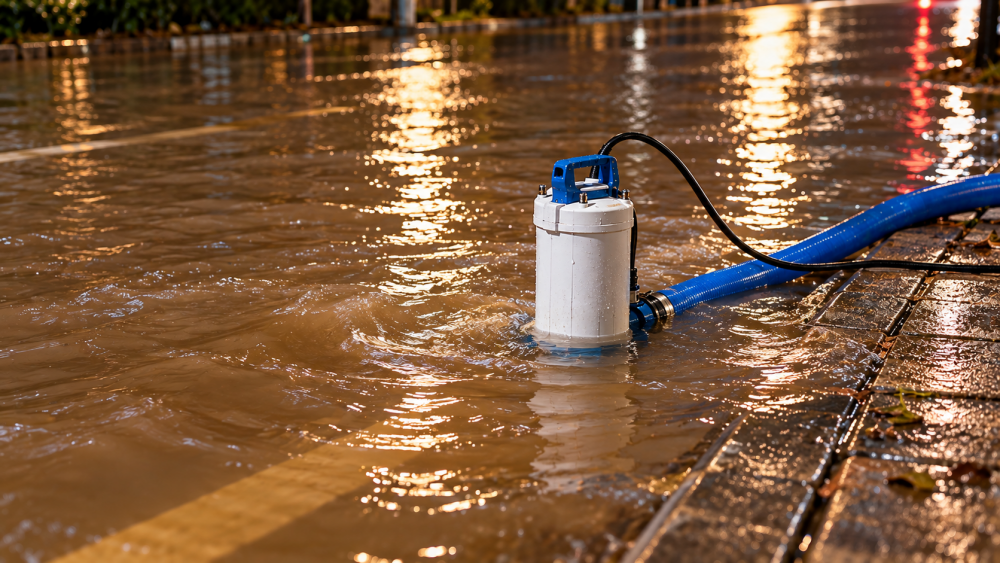
Flood water is almost never clean water. It comes with dirt, leaves, plastic bags, grass clippings, and sometimes small gravel. Therefore, submersible pumps made strictly for clean water will run into problems very quickly—suction strainers get clogged, or debris jams the impeller.
If you are buying one specifically for flooding, I recommend choosing the group specified for pumping water with sediment, or what technicians call sludge/trash submersible pumps, which are better suited for the job. The water inlet is wider, allowing more debris to pass through. If you already have a clean-water submersible pump, there's no need to rush to discard it; you can use it, just raise it slightly off the muddy floor and keep a close eye on the strainer. What is definitely not recommended are tiny, inexpensive submersible pumps designed for aquariums or fountains. They are built for a gentle trickle, not to compete with rising flood water. Using them during a flood will only lead to frustration.
Is looking at the wattage alone enough?
That's not enough. There are two key numbers to look at on the label: flow rate (pumping capacity) and maximum delivery height, commonly known as "Head". Simply put, head is how high the pump can push the water. Most home flood drainage jobs don't require high head—just pumping water over a wall or a sandbag barrier. What you really need is flow volume rather than high pressure. A pump with a larger discharge port and high flow output is much more suitable than one that pumps to extreme heights but with low volume. Also, keep in mind that the numbers on the box are maximum values under ideal conditions; in actual use, performance will always be lower, so leaving some safety margin doesn't hurt.
Where should you place a submersible pump to drain the most water?
Place it at the lowest point of the area, as water naturally pools there anyway. If your home has a sump pit or drainage trench, you can drop it straight in. However, avoid resting it directly in the mud at the bottom; use a concrete block or a plastic basket to elevate the pump slightly off the floor so the intake strainer doesn't suck in pure sludge. Simple, practical tricks like this keep the pump from clogging in the middle of the night.
Another thing many people don't realize is that most submersible pumps cannot pump water down completely to the floor; there will always be a residual layer left. Once the water level drops below the intake ports, the pump begins drawing in air. Submersible pumps rely on the surrounding water to dissipate heat, so letting them run dry for prolonged periods can overheat and destroy the motor. If you need to leave it running overnight, a model with a float switch is a lifesaver. The float switch bobs with the water level—turning the pump on when the water rises and shutting it off automatically when it drops, so you don't have to stay awake monitoring it.
Conclusion
So, which type of submersible pump suits which home? For homes with standing water in the driveway or garden after heavy rain where the water isn't deep and is relatively clear, a small-to-medium submersible pump with a float switch is sufficient, focusing on convenience and unattended operation. For homes experiencing recurring indoor flooding with muddy water and debris, opt for a submersible pump designed for dirty/sediment water with a larger discharge outlet, and buy a matching delivery hose at the same time. If power outages are frequent in your area, consider a generator as well.
As for homes that don't have any flood barriers yet, I'd suggest holding off on rushing to buy a large submersible pump. Set up your flood barriers first, because no matter how powerful a flood pump is, it cannot compete with an endless influx of incoming water. If you're still unsure which situation fits your home, try measuring the distance from the pump location to the discharge point along with the elevation it needs to clear, then bring these two numbers to discuss with the itoolmart team. We'll help you determine the right size. And what about your home? When water enters, where does it come in first—through the front door, or backing up through the drains?
Select submersible pumps to suit the application