


 EN
 ไทย


Customers Also Purchased
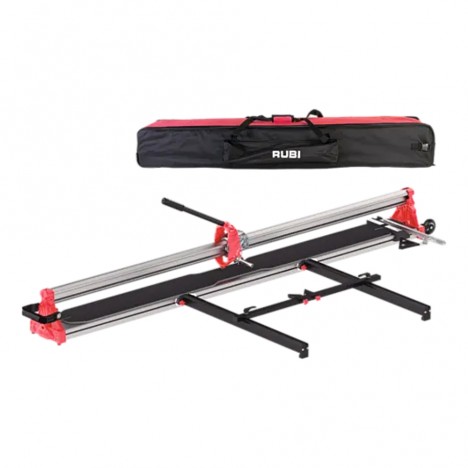
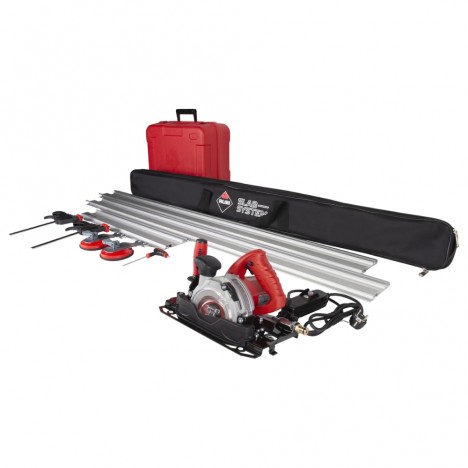
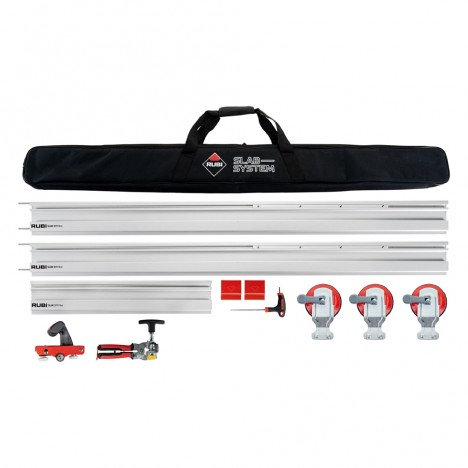
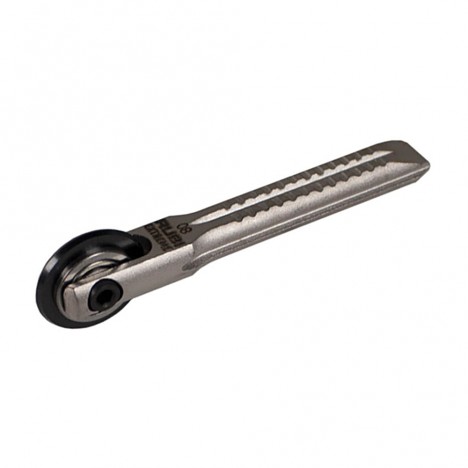
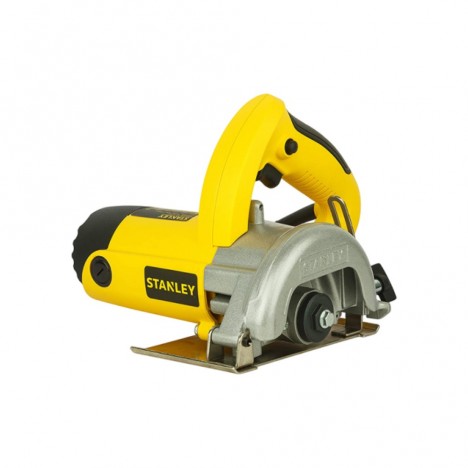
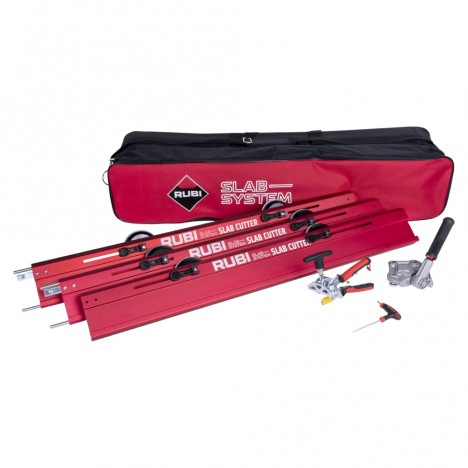
You bought a tile cutter and it easily cut bathroom wall tiles, but when switching to granite porcelain floor tiles, the cut broke crookedly and ruined the line. After wasting two or three tiles without getting a single piece, know that this issue isn't always down to poor technique. Often, it's because that cutter wasn't designed for that type of tile. Tile cutters may all look similar—with rails, a scoring wheel, and a breaker handle—but these small details are what make the difference between a clean cut and shattered tiles. Let's look at what factors you need to check.
How Does a Tile Cutter Work?
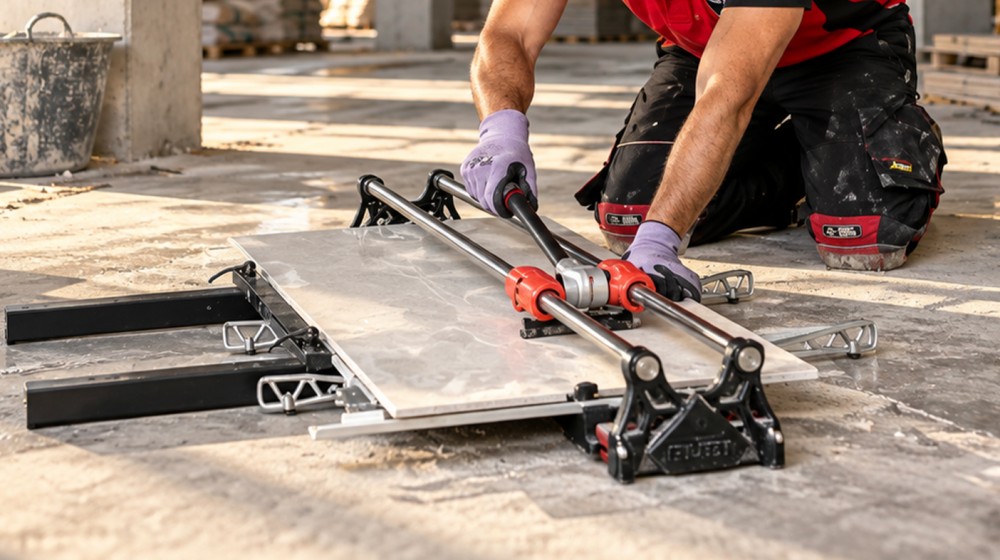
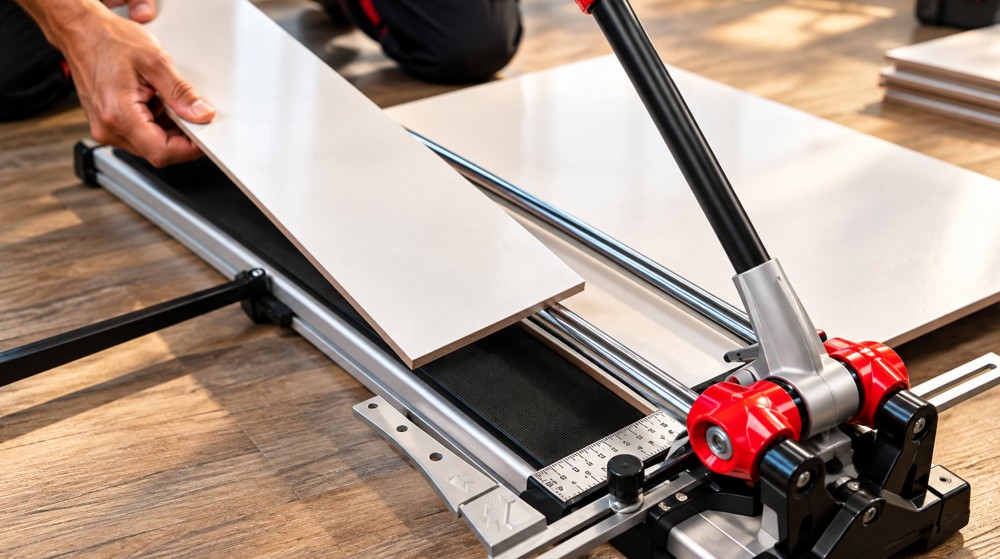
The principle is simple. Tile Cutters Manual tile cutters do not cut through tiles using a saw blade; they work in two stages. The first stage uses a scoring wheel—a small hardened steel wheel—pressed and rolled along the tile surface to score a groove. The second stage uses breaking feet (the pad under the handle) to press down on both sides of the groove, snapping the tile cleanly along the scored line.
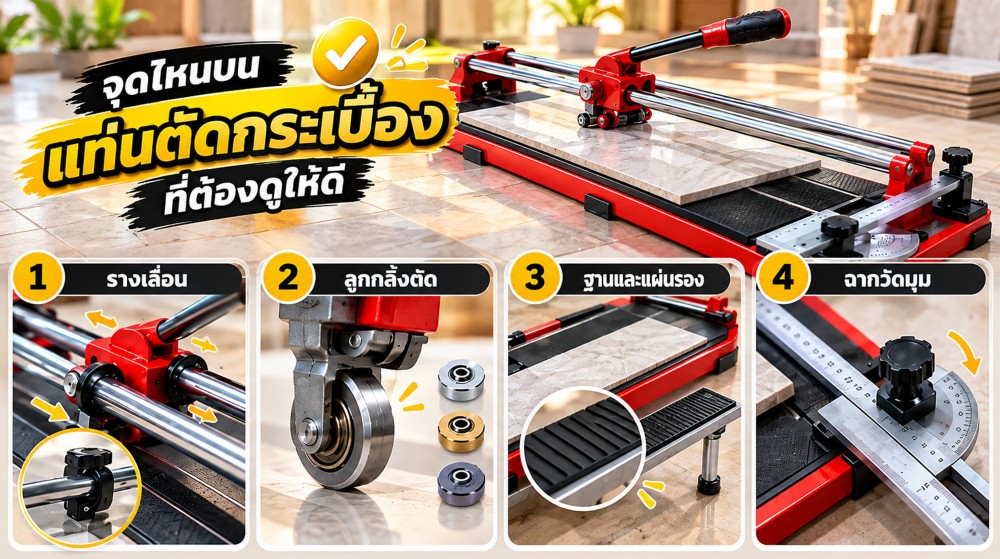
Therefore, two things must be well-made: a scoring wheel that cuts a consistently deep groove, and rails that guide the wheel in a straight line without wobbling. If these two aren't up to par, no matter how steady your hands are, the break won't be straight.
Advantages of a Tile Cutter Compared to an Electric Cutter
No electricity required, no flying dust, no loud noise, and no water needed. It cuts straight lines quickly, and the resulting edges are usually cleaner and smoother than cutting with an open diamond masonry blade. It is ideal for occupied homes or condominiums where noise and dust are major concerns.
The limitation is that it can only make straight, full-length cuts across the tile. It cannot make L-shaped cuts, curved cuts around pipes, or drill holes in the middle of a tile. Those tasks require electric cutters, diamond hole saws, or tile nippers. Most professional tilers use both a manual tile cutter and an electric cutter together.
How to Choose the Right Cutting Length for Your Tiles
This is the first specification to check. The cutter's maximum cutting length must be longer than the side of the tile you want to cut. If you plan to make diagonal cuts as well, it needs to be long enough for the diagonal measurement, which is considerably longer than the tile's edge. For example, with a 60 cm square tile, the diagonal measures around 85 cm. If the cutter can only cut up to 60 cm, it can make straight cuts, but not diagonal cuts.
A simple piece of advice is to check the largest tile you plan to use and allow a bit of extra bed length. However, don't buy one that's unnecessarily long, because the longer the bed, the heavier it is, the more space it takes up, and the harder it is to load into a vehicle. If most of your work involves small wall tiles, a medium-sized cutter is much more maneuverable.
Which Tile Cutter Should You Use for Each Type of Tile?
- Standard ceramic tiles are the easiest to cut. The body isn't very hard, so nearly any general manual tile cutter can handle them. Ideal for those buying one for home repairs.
- Porcelain or granito tiles are much harder and denser than ceramic, and some versions are thicker as well. These are the tiles that overpower many budget cutters. What you need is a sturdy rail that doesn't flex under pressure, a scoring wheel designed for hard tiles, and a breaker foot that provides sufficient breaking force. If cutting this type of tile is your main job, check whether the manufacturer specifies that the model supports porcelain or granito tiles and what thickness it can accommodate.
- Extra-large tiles, very long slabs, or oversized formats require specialized cutters that are long and have support systems running the full length of the tile. Standard cutters cannot handle them and risk snapping the tile down the middle. For this kind of job, unless you do it frequently, hiring a tradesperson with the right equipment may be more cost-effective than buying one yourself.
What Should You Check When Trying One Out in the Store?
If you're picking one out in the store, don't just look at the box. Try handling the actual unit and check three or four key points. First, slide the cutting head back and forth along the rail; it must move smoothly and consistently without sticking at certain spots or catching. Second, try wiggling the cutting head side to side; there should be virtually no play or looseness. Third, push down on the handle as if you were snapping a tile, and see if the rail or base flexes. If it visibly flexes when empty, it will be even worse with a hard tile underneath. Finally, try lifting it to check the weight. If you have to transport it to job sites often, the weight and carry handle matter more in daily life than you might think.
Essential Accessories to Pair with a Tile Cutter
A tile cutter alone can't handle every detail. Things tradespeople often keep in their kit include tile nippers for nibbling edges or cutting small pieces that the cutter can't snap, a rubbing brick or diamond polishing pad for smoothing freshly cut edges, a tile pencil or marker that marks clearly on glossy surfaces, and a steel square for checking angles accurately before scoring. These items aren't expensive, but they make finished edges look far neater.
Summary
A good tile cutter is one that is long enough for the largest tile you use, can handle the hardness and thickness of that tile, has a stable rail that doesn't wobble, and has readily available replacement scoring wheels. For homeowners, a mid-range model is sufficient. Contractors cutting granito daily should invest in a heavy-duty unit. If you're still not sure, check out the various models in the tile cutter category at itoolmart or bring your tile dimensions to consult with our branch staff. What type of tile do you cut most often? Ceramic wall tiles, granito floor tiles, or extra-large formats?
Select Tile Cutters to suit the application