


 EN
 ไทย


Customers Also Purchased


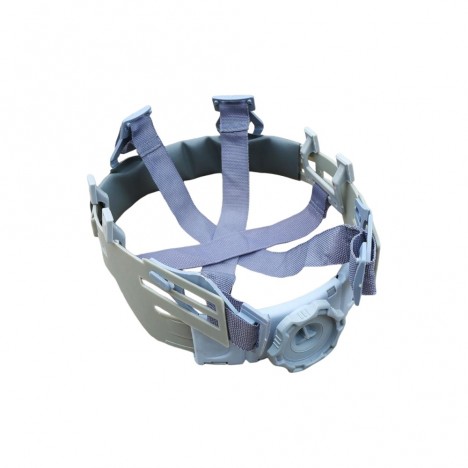
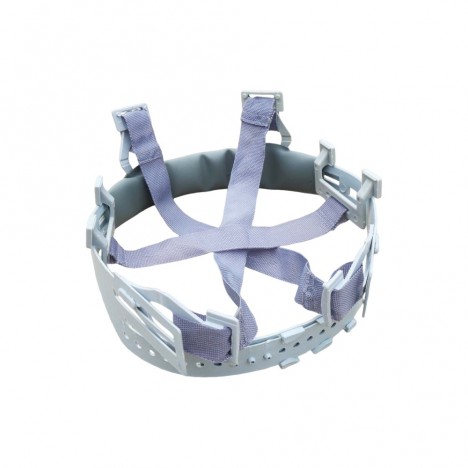


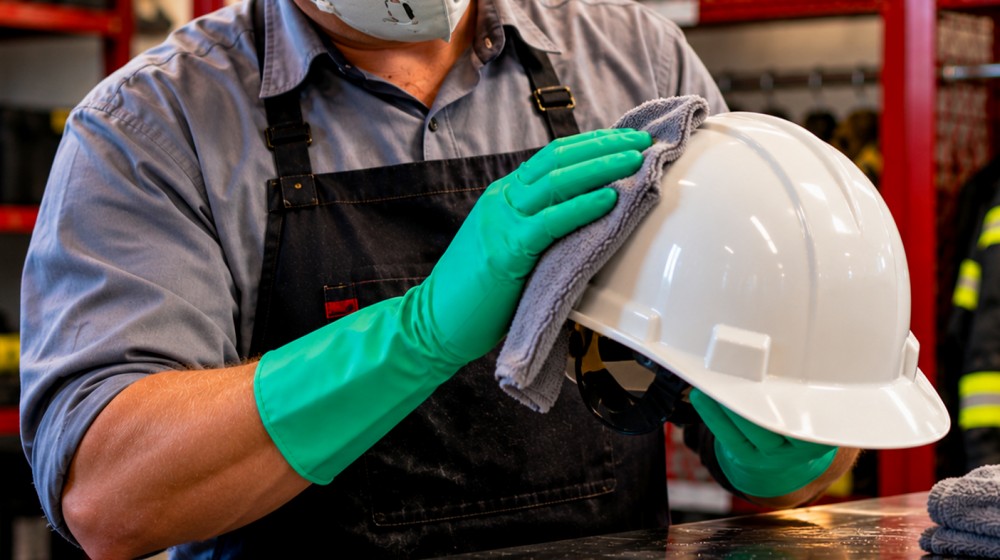
After a long day at a construction site, the safety helmet worn all day is covered with sweat stains, dust, and fingerprints. Walking back into the room and seeing an alcohol bottle on the desk, many people grab it to spray and wipe the helmet right away, thinking simply that "since alcohol is used for disinfecting, it should be fine to clean a helmet with too."
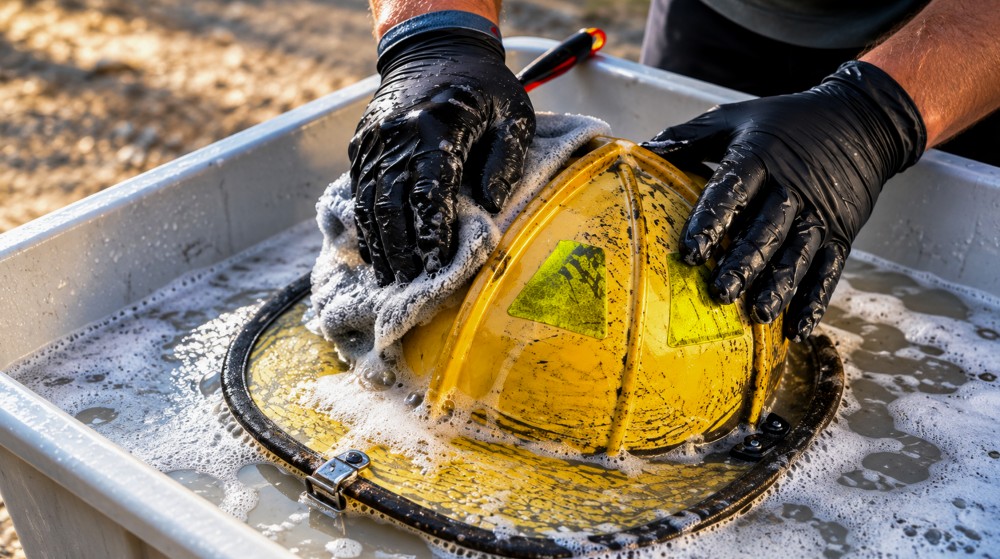
The safety helmet does look cleaner, sweat odor is reduced, and the alcohol evaporates quickly. However, the crucial question is not "Is it clean yet?" but rather "Is the helmet's material still in the condition certified by the manufacturer?" The answer is that you should not automatically clean every safety helmet with alcohol, because each model uses different materials and has distinct care recommendations. If the manufacturer does not specify that alcohol can be used, the safer method is to use water along with mild soap according to the manual of Safety Helmet that model.
Why Might Disinfecting Alcohol Not Be Suitable for Safety Helmets?
The word "alcohol" sounds familiar because we use it to clean hands and various surfaces. From a materials standpoint, however, alcohol falls into the category of organic solvents. OSHA explains regarding PPE decontamination that before using solvents on equipment, one must consider whether the substance is compatible with the equipment's materials, as solvents can damage certain organic materials—and OSHA includes "alcohols" among organic solvents. The issue is that a safety helmet consists not only of a hard outer shell, but also a suspension system, straps, anchor points, a sweatband, and several plastic components. Repeatedly using an unsuitable cleaning agent can affect some of these materials, even if no visible abnormality appears on the surface right away. Therefore, "it was fine after wiping it once" is not yet proof that it is safe to use on that helmet model.
Can 3M Safety Helmets Be Cleaned with Alcohol?
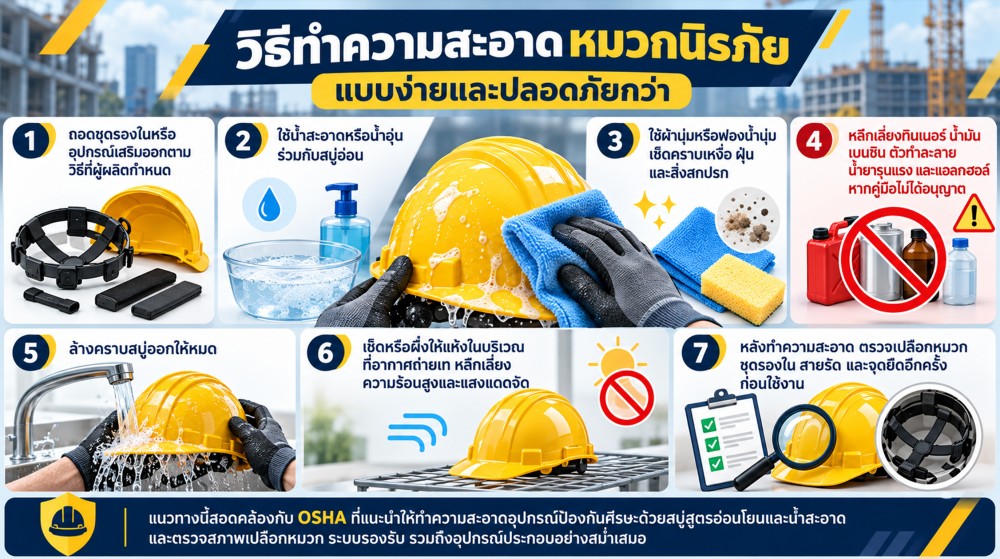
Here is the clearest example: for the 3M SecureFit H-700 Series Hard Hat, the cleaning instructions specify cleaning the shell and suspension system with mild soap and water, then rinsing and wiping dry. It explicitly states not to use paints, solvents, chemicals, adhesives, gasoline, or similar substances, as they may reduce impact and penetration resistance.
This is very important because iToolmart carries various 3M H-700 safety helmet models, such as H-701, H-702, H-703, H-704, H-705, H-706, and H-708, including vented models. If you are using this group of safety helmets, do not assume that "since alcohol evaporates quickly, it should not be an issue." Instead, strictly follow the manufacturer's recommendations.
Why Can Some PPE Be Cleaned with 70% Alcohol?
This is where many people get confused. 3M itself provides guidance for certain head protection equipment within PAPR systems that permits wiping with 70% ethyl alcohol for disinfection. However, that guidance applies specifically to designated equipment models and involves clearly defined operating procedures. Therefore, you should not automatically apply recommendations for one piece of PPE to a different type of safety helmet.
In simple terms, the right question is not "Can alcohol be used on safety helmets?" but rather "Does the manufacturer of the helmet model we are using allow it?" If the manual permits it, you should follow the specified type, concentration, and instructions. But if there is no supporting data, returning to the basic method of mild soap and water is much safer and minimizes risk.
Done Cleaning? Don't Stop at Just "Clean"
Cleanliness is only half of safety helmet care; the other half is inspection. OSHA recommends inspecting helmets before use by checking the outer shell for cracks, dents, or damage, as well as checking the suspension system, chinstrap, and internal components. If degradation is found, consult the manufacturer's replacement guidelines.
OSHA training materials also warn that certain cleaning agents can weaken the helmet shell and may compromise its electrical resistance properties. Therefore, you should inquire about or refer directly to information provided by the helmet manufacturer.
After washing a safety helmet, pay special attention during inspection. If you notice discoloration, abnormal dullness, embrittlement, brittleness, cracks, dents, or a deformed suspension system, do not judge whether the helmet is still serviceable based solely on its cleanliness.
If You've Already Used Alcohol Once, Do You Have to Discard the Helmet Right Away?
It is not necessary to immediately conclude that the helmet is ruined, but it should not be overlooked either. First, stop using that substance, then check the manual for that helmet model to see which substances the manufacturer permits or prohibits. After that, thoroughly inspect both the helmet shell and the suspension system.
If you find cracks, unusual brittleness, discoloration, or deformation, or if you are unsure whether the substance affected the material, consult the manufacturer or distributor before putting it back into service. This is especially vital for helmets used in construction, industrial plants, or electrical work that directly rely on the helmet's protective properties. Saving the cost of a single helmet is not worth risking the use of PPE with uncertain performance.
Conclusion
The safest answer is not to use alcohol on safety helmets simply under the assumption that it is a disinfectant suitable for every surface. While certain safety helmets may have specific guidelines, many safety helmets recommend using only mild soap and water, avoiding solvents or chemicals not certified by the manufacturer—such as the 3M H-700, which clearly instructs using mild soap and water for cleaning.
Therefore, before reaching for alcohol, thinner, disinfectant, or any cleaning solution to wipe your helmet, always check the manual or manufacturer information first. A clean-looking safety helmet does not mean its material still retains its original protective properties. And how do you clean your safety helmet after work nowadays: plain water, mild soap, or alcohol?
Select Safety Helmet to suit the application