


 EN
 ไทย



Customers Also Purchased


After work, putting safety helmets, safety glasses, and respirators on the desk, these pieces of safety equipment are completely covered in dust, sweat, and grime. What seems easiest is grabbing whatever household cleaning product is available to wipe them all down at once, thinking that simply washing them clean should be enough.
But after doing that several times, the safety glasses start to fog up, the helmet's plastic surface turns matte, and some rubber parts become stiffer than usual. The problem might not stem from the quality of the safety equipment, but rather from the "cleaning agent used"! The question is therefore not just whether safety equipment can be washed, but rather what to wash it with? Because each type of equipment is made from different materials and coatings. A cleaner that works well on floors, tables, or bathrooms might not be suitable for Personal Protective Equipment items that must maintain their safety properties.
Can safety equipment be washed with general cleaning agents?
The answer is: some types can be used, but you should not generalize that they can be used with all types of safety equipment. Safety equipment may consist of polycarbonate plastic, rubber, silicone, foam, fabric, metal, or lenses with special coatings. If exposed to improper cleaning agents, cracking, surface dulling, color fading, hardened rubber, or damaged lens coatings may occur. US OSHA states that safety equipment should be regularly inspected, cleaned, and maintained so that it can continue to provide protection as designed, and for respiratory protection equipment, the manufacturer's instructions should always be consulted.
Therefore, the simple rule of thumb is: do not choose a cleaner based solely on its stain-removal ability, but check whether the cleaner is compatible with the materials of the safety equipment.
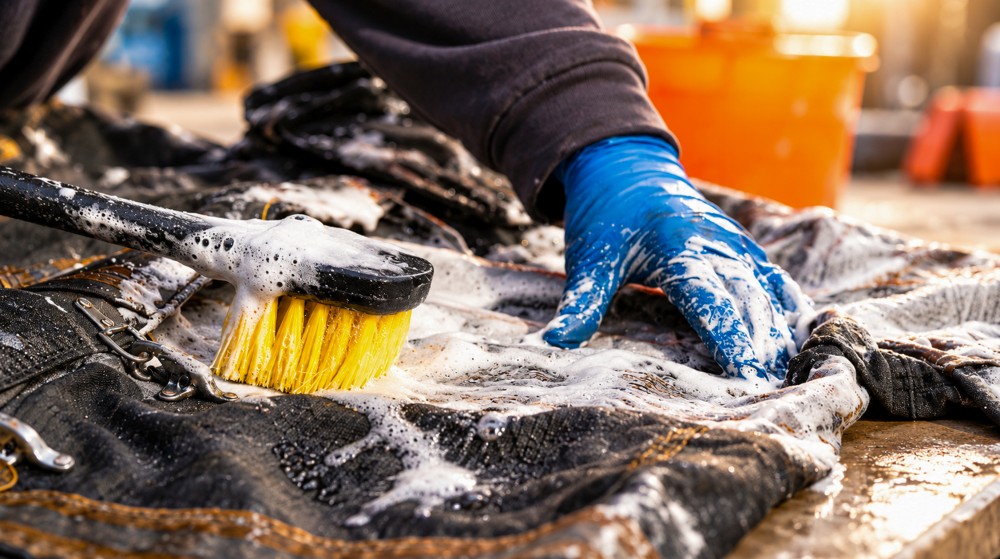
Why can "clean-washing" chemicals degrade safety equipment?
Cleanliness and safety are not the same thing. Some cleaning agents contain solvents, high concentrations of alcohol, fragrances, bleaches, or highly acidic or alkaline chemicals. These substances can react with plastics, rubbers, or certain surface coatings.
A clear example is 3M's recommendations for H-700 and H-800 safety helmets, which specify cleaning with mild soap and water, and avoiding paints, solvents, chemicals, adhesives, gasoline, or similar substances, as they may reduce impact and penetration resistance performance.
Care instructions for 3M Versaflo helmets and faceshields also recommend using pH-neutral solutions and note that fragrances, dyes, and certain solvents may adversely affect plastic components. This is why the term "general cleaning agents" is too broad for safety equipment.
How should each type of safety equipment be washed?
Safety Helmet
Safety helmets must withstand impacts; therefore, the condition of the helmet shell and suspension system is critical. A safe initial method is to use clean water combined with mild soap or a cleaner specified by the manufacturer as suitable for that product. Then, rinse off the cleaning residue and allow it to air-dry in a well-ventilated area. Harsh solvent-based cleaners such as thinners, acetone, or petroleum should be avoided because even if the helmet still looks normal on the outside, the material may have degraded.
For those currently choosing a new safety helmet, iToolmart offers various models from 3M, YAMADA, PROTAPE, and WADFOW. Therefore, when choosing a helmet, you should consider safety standards, suitability for the job, and read the care manual for that specific model—rather than looking at the price alone.
Safety Glasses
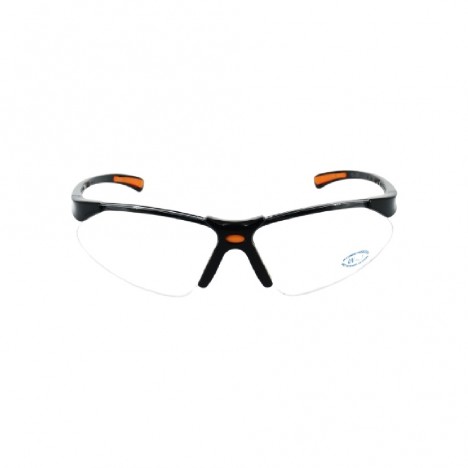
Safety glasses may seem easy to wash, but extra caution is required because many lenses feature anti-fog, anti-scratch, or other coatings on the surface. UVEX states that prolonged contact with disinfectants or repeated cleaning with certain substances can damage coatings and eyewear components. Furthermore, silicone-containing cleaning products are not recommended for the brand's safety eyewear, as they can impair anti-fog coating properties.
Therefore, if you use safety eyewear from UVEX, 3M, or other brands with special coatings, always check that model's manual before choosing a cleaning solution.

Masks and Respiratory Protection Equipment
For this category, you must distinguish between disposable masks and reusable masks. For disposable particulate respirators, do not assume that "once dirty, they can be washed and reused." 3M explicitly states that their N95 Filtering Facepiece Respirators should not be washed or laundered, nor should disinfectant sprays be applied to the mask.
As for reusable masks, you must remove filters, cartridges, or components as specified by the manufacturer before cleaning. In its general respirator procedures, OSHA recommends washing appropriate parts in warm water not exceeding approximately 43°C with a mild cleaning detergent or a manufacturer-recommended cleaner, followed by thoroughly rinsing off all detergent before drying.
Earmuffs and Earplugs
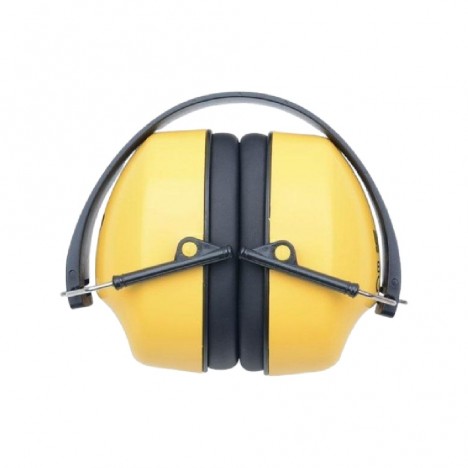
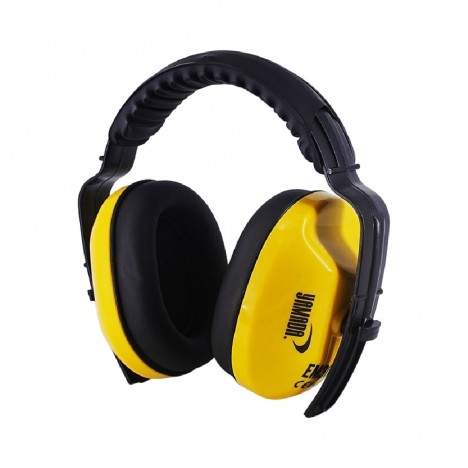
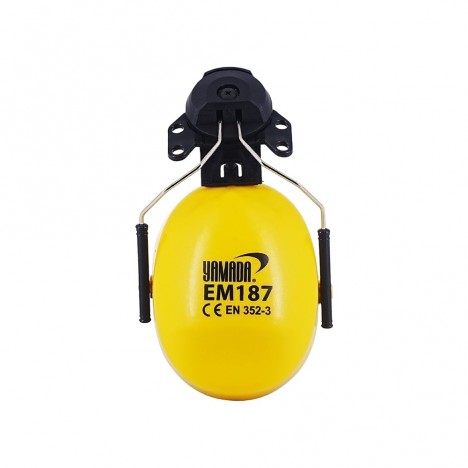
Some hearing protection equipment is washable, while others are designed to be replaced when dirty or degraded. For example, iToolmart offers foam earplugs, reusable silicone earplugs, and earmuffs from 3M, YAMADA, POLO, TECHMAN, and WADFOW. Therefore, you should not use the same cleaning method for every type.
Some reusable earplug models can be washed according to manufacturer guidelines, whereas certain foam earplugs are better suited for replacement rather than being soaked in solutions or repeatedly washed.
Safety Gloves
Gloves require even more caution when washing, as different models may be made of nitrile, PVC, natural rubber, neoprene, or blended materials, and are designed with different chemical resistances. iToolmart offers options ranging from YAMADA, MAPA, and SHOWA to 3M for diverse applications, from general utility to chemical handling.
If they are chemical-resistant gloves, always check the manual or Chemical Resistance data for that model first, because the fact that a glove resists one chemical does not mean it will withstand all types of cleaning agents.
Which types of cleaners require special caution with safety equipment?
Before using any cleaner on safety equipment, check its ingredients and the manufacturer's recommendations—especially regarding the following products:
- Cleaners containing strong solvents, such as thinners, acetone, or similar substances
- High-concentration bleach
- Cleaners with high acidity or alkalinity
- Cleaners containing heavy amounts of fragrances, dyes, or additives
- Products not labeled as safe for use on plastics, rubber, or coated lenses
- Using extremely hot water in the hope of better sanitization
This does not mean that these substances are "prohibited for use with all types of PPE," but rather that they should not be used without first checking the equipment's manual.
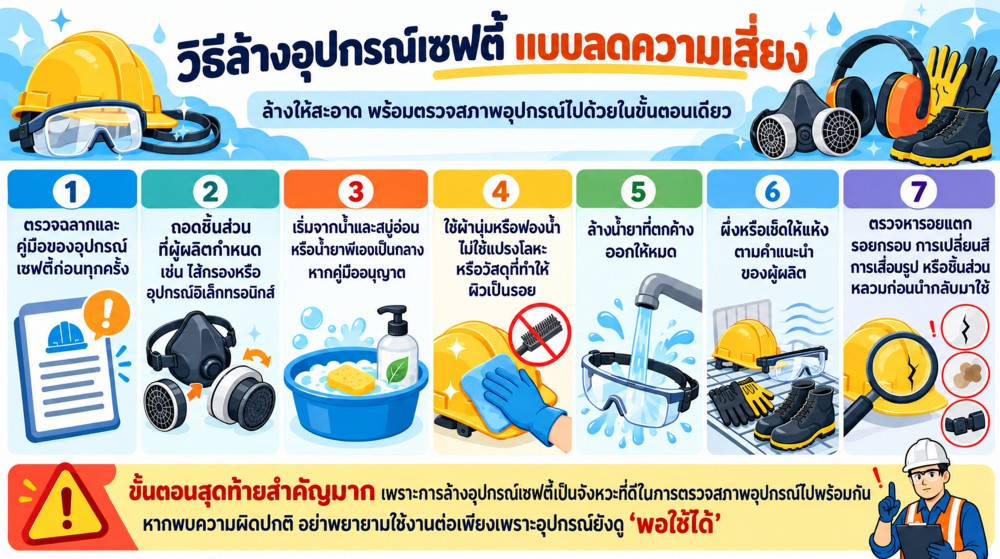
Conclusion
General cleaning solutions can be used on safety equipment, but you must know what they are being used on first. Caring for safety equipment does not just mean making dust and sweat stains disappear, but also preserving the protective properties of the equipment. Water and mild soap or neutral cleaners may be suitable for many types of safety equipment, but that does not mean a single formula can be used for everything, especially equipment with plastics, coated lenses, rubber, filtration systems, or specialized components.
The safest route is therefore: Read the equipment manual → Choose cleaning methods recommended by the manufacturer → Wash and dry properly → Inspect condition before reuse. Because stronger cleaners do not always translate to better equipment care, and saving just a few minutes may result in PPE degrading faster than it should. So, for the safety equipment you use every day, are you confident that the "cleaner you use" is not unknowingly degrading your gear?
Select Personal Protective Equipment To suit the application