EN
 ไทย


Customers Also Purchased
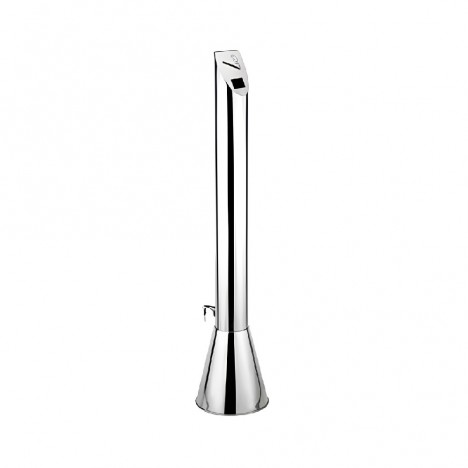
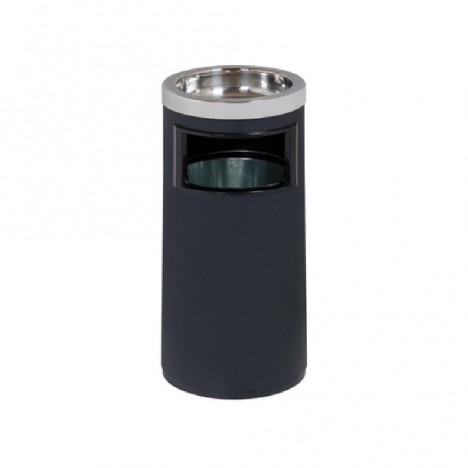
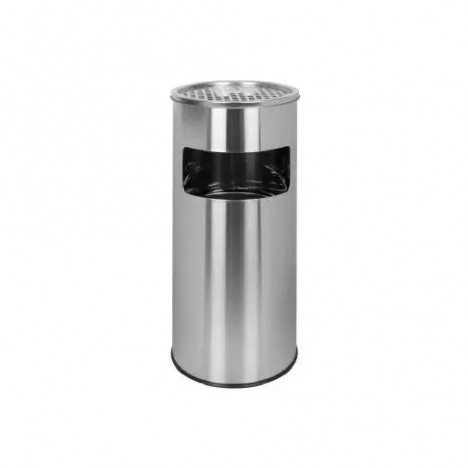
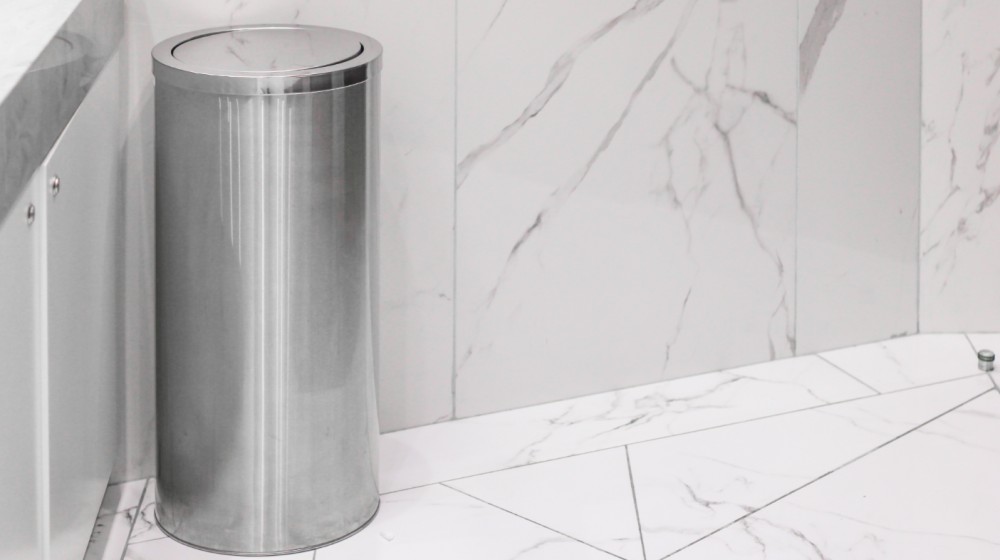
When choosing Trash Cans & Binsstainless steel, many people probably think alike: at the very least, this kind of material should eliminate any rust issues. Both the name "Stainless Steel" and its common perception make people feel it is a metal that resists moisture, wipes clean easily, and stays looking new much longer than ordinary steel. However, after using it for a while, some people start noticing brown spots along the rim of the lid, seams, or near the bottom of the can. These small spots immediately raise the question: if it's really stainless steel, why does something that looks like rust still appear?
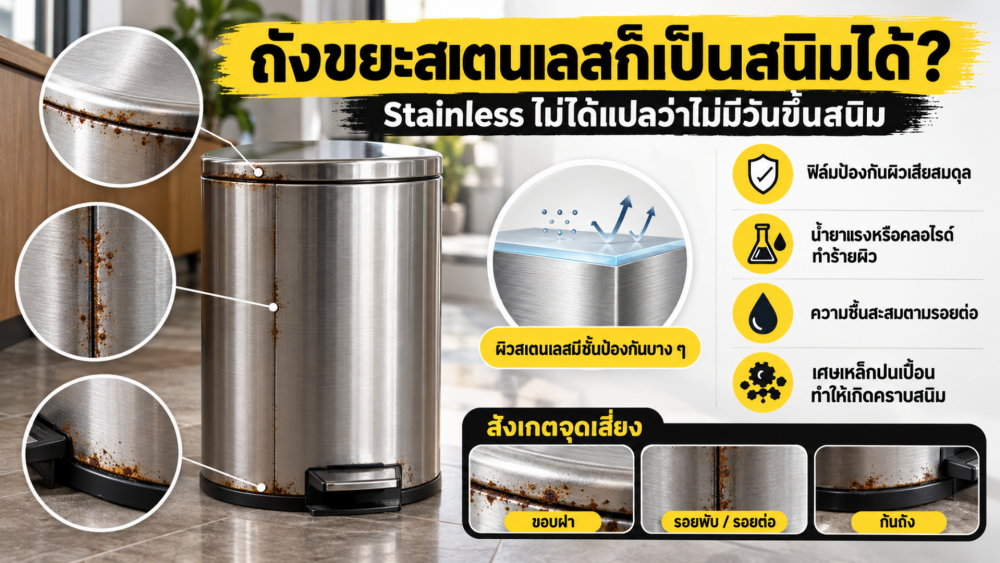
The answer is that "Stainless" does not mean "will never rust"; rather, it refers to steel that is far more resistant to corrosion than ordinary steel. This ability comes from the chromium in the metal alloy, which helps form an extremely thin film on the surface. It acts like an invisible shield, preventing the interior steel from coming into direct contact with the environment.
As long as this film functions well, stainless steel can maintain its surface finish remarkably. But when the environment becomes too aggressive or something repeatedly disrupts the surface, corrosion can still occur.
Stainless steel isn't durable because the metal itself "never rusts," but because its surface can protect itself.
To the naked eye, the surface of a stainless steel trash can is merely a smooth silver metal sheet. Yet on that surface lies an extremely thin protective layer known as a passive film, formed by the chromium in the stainless steel reacting with oxygen in the air. This layer is too thin to see, but it is crucial because it reduces the chance of corrosion on the metal beneath it.
What's interesting is that if the surface is lightly scratched, this film can re-form when there is sufficient oxygen. This is one reason why stainless steel remains durable in everyday use, even without external paint coatings or protective finishes like some other metals.
However, "self-repairing" doesn't mean it can handle every situation. If exposed to salt, chemicals, trapped moisture, or areas where oxygen cannot adequately reach, this protective film can lose its balance, leading to localized corrosion. This explains why some trash cans look sleek and shiny almost all over, yet start developing brown spots specifically along edges, folds, or areas that are frequently wet.
Brown spots don't mean the entire stainless steel can is decaying.
When rust-like stains appear on a trash can, many immediately think, "the stainless steel is ruined." In reality, the brown spots you see can stem from more than one cause. In some cases, it is genuine corrosion of the stainless steel, especially when substances that harm the protective film have been present for an extended period. Other times, however, those stains might be caused by external iron particles that adhered to the stainless steel surface and rusted on their own.
A simple example is using ordinary steel wool to scrub a trash can, or using tools previously used on regular carbon steel to polish the stainless steel surface. Tiny iron particles can remain or become embedded on the surface. When exposed to moisture, they rust and leave brown stains, misleading you at a glance into thinking the stainless steel underneath has rusted. For this reason, seeing rust stains on a trash can should not immediately lead to the conclusion that the material is of poor quality or fake stainless steel. It is more important to see whether the stain is only on the surface or if signs of pitting and deep corrosion into the metal have already begun.
Cleaning agents may be an unsuspected culprit
Trash cans naturally need cleaning, especially those in bathrooms, kitchens, or areas with wet waste. Many people therefore choose stronger chemicals to ensure they are clean and odor-free. But for stainless steel, the "stronger is better" mindset might not always be the answer.
Substances with high chloride levels can increase the risk of localized corrosion in certain grades of stainless steel. Some products containing bleach or concentrated cleaning agents should therefore not be left on the surface for extended periods, especially if used without rinsing off according to the product's instructions.
What makes this interesting is that sometimes the brown spots on a stainless steel trash can might not come from the trash at all, but rather from our own cleaning methods—such as spraying chemicals and letting them dry on the surface, wiping incompletely, or having droplets repeatedly splatter onto the same area. Therefore, a trash can that is cleaned very frequently does not necessarily mean it will always be free of stains if the cleaning method is unsuitable for the material.
Trash cans near the sea face a different kind of environment
A stainless steel trash can in an air-conditioned room and one placed outdoors near the sea may look identical, but what the metal surface experiences is vastly different. Coastal areas have salt spray and high humidity, meaning more chlorides accumulate on the surface—especially in spots that are not washed by rain or cleaned frequently. In such conditions, some types of stainless steel may develop brown discoloration known as "tea staining," which resembles light rust stains on the surface and is commonly found in environments with high salt and humidity. Stains of this nature may affect appearance first, without meaning the entire can is immediately decaying or severely damaged.
This is a great example of why saying "it's stainless steel, so it won't rust" is an oversimplification. The reality requires looking at which grade of stainless steel it is, where it is used, and what it faces daily.
Stainless steel comes in multiple grades, and not all are equally resistant
Another frequently overlooked point is that Stainless Steel is not a single material formula, but an umbrella term for many grades of steel with differing compositions. Consequently, their corrosion resistance is not the same across all types.
Familiar names are 304 and 316. 316 contains ingredients that make it more resistant to chloride-rich environments than 304, so it is often selected for applications exposed to more aggressive conditions, such as near the sea or areas with certain chemicals.
However, that doesn't mean every trash can must be made of 316 to be good. A can located in a dry indoor area for general use without exposure to salt or harsh chemicals obviously has different requirements than one placed outdoors by the sea. Grade selection should correlate with the location of use rather than merely looking at which grade is "better."
If the manufacturer does not specify the grade of stainless steel, do not guess based on surface shine or color, because many grades of stainless steel look very similar to the naked eye. Checking the manufacturer's information remains a more reliable method than external observation alone.
Why do stains often start along edges, folds, and the bottom of the can?
If you observe trash cans that are starting to show brown spots, you'll find that many stains don't appear in the middle of flat sheets, but rather along lid edges, folds, screws, joints, or near the bottom of the can.
One reason is that these areas tend to trap moisture, food residues, or cleaning chemicals longer than open surfaces. Water may dry more slowly, and less air can reach inside. In the presence of corrosive substances, these small areas become spots that require special attention.
For general use, an easy practice is to avoid leaving water or cleaning agents trapped in joints for extended periods after washing the can. Wiping dry or airing it out helps reduce conditions favorable to staining, especially for cans already located in humid areas.
If brown spots appear, start with the gentlest method first
The natural reaction upon seeing rust stains is to grab the most abrasive tool available to deal with it, but with stainless steel, that method can cause scratches or leave iron particles on the surface, making the problem worse than before.
If it is a light stain, you should start with a soft cloth or a non-scratch sponge together with water or a cleaner suitable for stainless steel, then rinse it off and wipe it dry. Avoid ordinary steel wool, and you should not experiment with multiple harsh chemicals on metal surfaces without knowing the consequences.
If the stain will not come out, recurs quickly, or small pits begin to appear on the surface, that may be a sign that the problem is no longer just dirt. In this case, consulting the bin manufacturer's guidelines or having a specialist assess the surface is better than continuous scrubbing.
Importantly, do not just look at the stain in front of you, but also ask what caused it. Because if the cause is still an unsuitable chemical, recurring trapped moisture, salt spray, or iron contaminants, even if you wipe off the stain today, it is likely to return.
Stainless does not mean it will never rust, but rather that it resists better.
If you see brown spots on Trash Cans & Binsstainless steel, the first thing to do is not to jump to the conclusion that the material has degraded or that the purchased item is of poor quality, but rather clearly check first whether it is an external stain, surface discoloration, or actual corrosion.
Stainless steel has the advantage of having excellent corrosion resistance under suitable environments and with proper care, but it remains a material with limitations just like any other, including salt, moisture, chemicals, and contamination from ordinary iron.
Therefore, the word "Stainless" may not mean "rust-free forever" as many initially understand, but rather metal engineered to combat corrosion far better. Once you know what its surface is fighting against, caring for a stainless steel trash bin is not as complicated as you might think.