


 EN
 ไทย


Customers Also Purchased
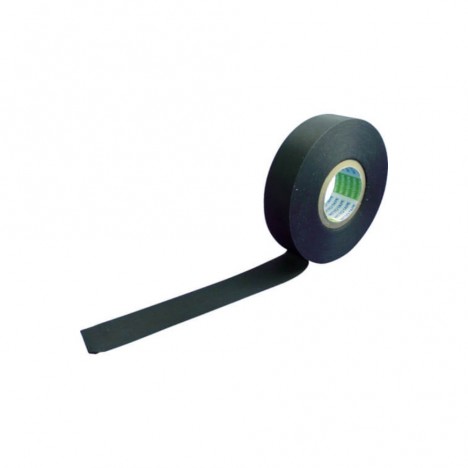


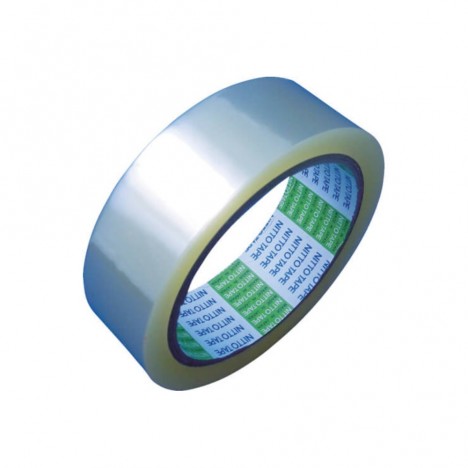
When usingElectrical tape Many people often share the same thought: if wrapping one or two turns still looks thin, adding several more turns should be safer. At the very least, the insulation layer looks thicker and seems to offer better protection for the wire.
This idea has some truth to it, as the number of layers and insulation thickness do indeed affect protection. However, more important than asking “How many turns should I wrap?” is whether you are using the right type of tape, how the layers overlap, whether proper tension is applied, and whether the surface beneath the tape is properly prepared for wrapping. Even if wrapped very thickly, if the tape is wrinkled, has gaps, is bunched up in certain spots, or is unsuitable for the operating conditions, the extra thickness will not translate to better insulation performance.
More important than the number of turns is wrapping it consistently
When using PVC tape for electrical work, many manufacturers recommend the method known as "half-lap," or wrapping each new turn of tape to overlap the previous turn by about half the tape's width. The principle is simple: for example, if the tape is about 20 millimeters wide, as you make the next turn, advance the edge of the tape by about half, allowing one part of the new turn to overlap the previous one while the other part continues to cover new area.
Wrapping this way ensures that the tape layers are continuous and have a more uniform thickness than edge-to-edge wrapping or wrapping back and forth without a consistent overlap. Manufacturers like 3M and Nitto provide recommendations for an approximately 50% overlap wrap on certain models of their electrical tapes. The key concept is not counting how many times the tape circles the wire, but ensuring that the area being insulated receives a continuous layer of tape.
If you wrap multiple turns but the tape is bunched up in one area while other sections are thinly covered or wrinkled, the total visible thickness from the outside says little about the quality of the insulation layer. Conversely, wrapping according to specified patterns with a consistent overlap helps control layer thickness better and minimizes thin spots.
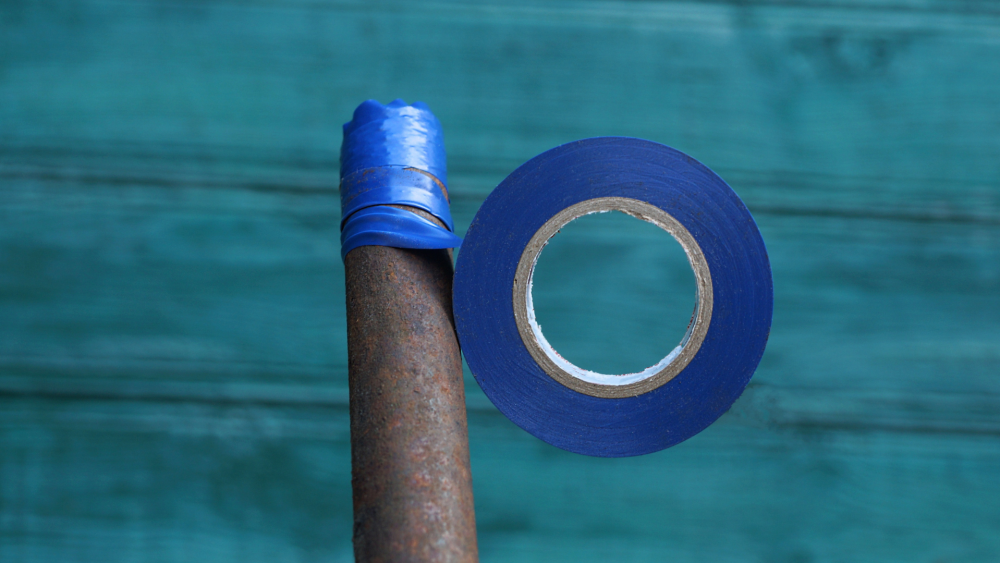
Wrapping multiple layers helps, but they must be the correct multiple layers
The number of layers is not something to overlook, because properly adding tape layers helps increase insulation thickness and enhances protection against abrasion, scratching, or physical damage to the wrapped area. Some manufacturers' technical documents specify a minimum number of layers for certain products and applications, such as using two half-lapped layers.
However, caution is needed: do not use these numbers as a rigid rule of thumb for all types of tape, as each model of electrical tape possesses different properties—including thickness, elongation, operating temperature range, and electrical characteristics. One roll of tape may be designed for general use, while another may withstand different environments or temperatures, even though they both look like similar black PVC tape on the outside.
Therefore, claiming that "two layers are enough" or "five layers are definitely better" without knowing the tape model and application is too broad of an answer. It is better to refer directly to the product's guidelines and then wrap the specified number of layers and pattern accordingly.
Two layers do not mean double the voltage rating
Another common misconception to watch out for is multiplying the tape's voltage rating by the number of layers. For instance, if a tape model is rated at 600 V, it does not mean that wrapping two layers will directly achieve 1,200 V, or three layers will reach 1,800 V.
Tape ratings are determined by standards, test methods, and defined conditions specified for that particular product. Meanwhile, actual applications involve factors such as cable types, splice configurations, temperature, humidity, surface conditions, and other materials used alongside it. Therefore, one should not simply multiply the numbers on the technical data sheet by the number of layers and conclude that voltage resistance will increase proportionately.
In certain types of work, manufacturers may specify the combined use of multiple materials, such as applying rubber tape first to create an insulating or sealing layer, followed by an outer layer of PVC tape to protect against abrasion and physical damage. This example clearly reflects that insulation work cannot be judged solely by how thickly the PVC is wrapped; rather, you must consider how the entire system is designed.
Pulling the tape too tightly does not necessarily mean it will hold better
When wrapping tape, many people try to pull it as tightly as possible, feeling that it will adhere firmly to the wire and not come loose easily. In reality, PVC tape requires a moderate amount of tension to conform and adhere snugly to the cable; this does not mean it must be stretched with maximum force every time.
Some manufacturers recommend applying moderate tension while wrapping. Because PVC is an elastic material, over-stretching it creates a tendency to retract. This is especially true at the tail end: if stretched tightly and pressed down immediately, the end of the tape may lift or unwind after some time. As a result, it is commonly recommended to relieve tension near the end before completing the wrap, allowing the tape tail to adhere better to the layer underneath.
This serves as a good example showing that wrapping tape is not merely about "thick or thin," but also involves technical details of proper material application. If pulled too hard, wrapped unevenly, or terminated with built-up tension, the extra thickness gained from multiple layers will not resolve these issues.
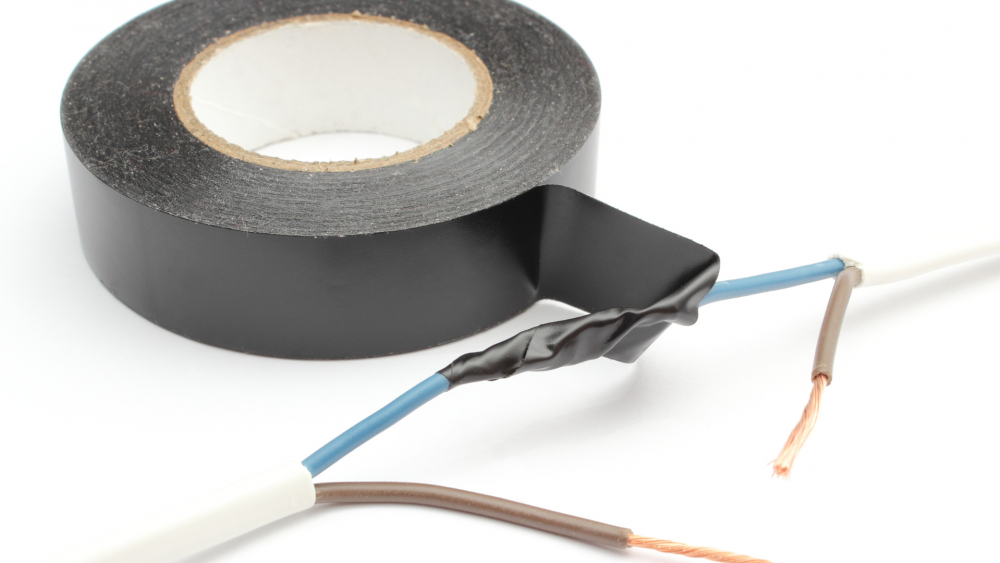
No matter how thickly you wrap it, it will not help if the problem lies beneath the tape
Before deciding how many more layers to wrap, you should inspect what lies underneath the tape. If the wire or connection already has an issue, adding more tape may merely conceal it. Problems such as unstable splices, sharp metal edges, protrusions pressing against the tape layers, or severe cable damage do not disappear simply because they are covered with several extra turns of PVC tape.
In some applications, manufacturers recommend using materials such as rubber tape or mastic to help pad and contour the splice area first, followed by an outer layer of PVC tape. This practice is entirely different from simply applying thick layers of PVC tape in an attempt to bury an improper shape from the start.
Moreover, if abnormalities are found—such as burn marks, a burning odor, abnormal heat, or signs of arcing at the connection—they should never be fixed by simply adding more tape, as the root cause of the heat or damage remains underneath. For residential electrical systems or any uncertain points, disconnect the power supply and have a qualified electrical specialist inspect it before returning it to service.
Not all rolls of electrical tape are the same
Another reason why layer count alone cannot answer the question is that tapes appearing identical may possess vastly different properties. Different models of electrical PVC tape can vary in thickness, elongation capability, operating temperature range, environmental resistance, and certified standards.
Some models are suitable for general indoor use, while others are engineered to withstand harsher temperatures or environments. Just because they are both black tapes does not mean they are universally interchangeable for every job—especially in high-temperature areas, near machinery, outdoors, or in damp conditions. Checking the tape's specifications to see whether it is rated for those conditions is far more important than compensating with extra wraps.
No matter how many layers you add, the fundamental properties of the material remain unchanged. If that specific tape is not rated for the encountered temperatures or environmental conditions, issues like adhesive degradation, tape softening, unraveling, or jacket failure can still occur.
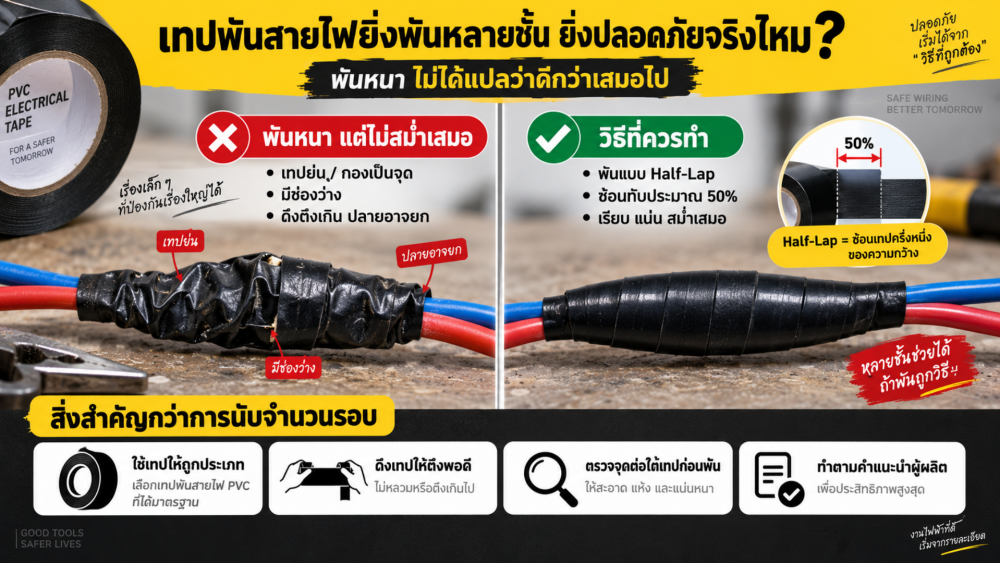
So, how many layers of electrical tape should actually be wrapped?
If you are looking for a single definitive number—such as two, three, or five layers—the answer is that there is no single number applicable to all tape types and applications. The primary benchmark should always be the manufacturer's recommendations for that specific tape model, as well as the nature of the splice and the operating environment.
If the manufacturer specifies wrapping with two half-lapped layers, understand that "two layers" means creating full-coverage layers through continuous overlapping wraps, not merely winding the tape around the wire twice and stopping. Furthermore, if the job requires rubber tape, mastic, or other complementary materials, simply increasing the number of PVC layers cannot substitute for them.
Before beginning to wrap, ask more than just "how many turns are enough." For instance: Is this roll truly rated for electrical work? Does it handle the intended temperature and environment? How much overlap is required? Has the underlying surface been properly prepared? These questions ensure proper tape application far more effectively than merely aiming to wrap it as thickly as possible.
You can wrap multiple layers, but layer count is not the whole answer
WrappingElectrical tapeApplying multiple layers is not wrong, and in some types of work, the number of layers is clearly specified because the thickness of the insulation and protective layers is genuinely important. However, this must go hand in hand with choosing the right type of tape, wrapping with consistent overlap, applying appropriate tension, and adhering to the product's rated conditions.
Therefore, the next time before picking up tape to wrap several more layers, do not just check whether the tape layer is thick enough, but also consider whether the tape being used is suitable for the job, whether the wrapping method is correct, and whether the underlying problem has been resolved. For electrical work, safety is not measured by visible thickness alone.