


 EN
 ไทย


Customers Also Purchased
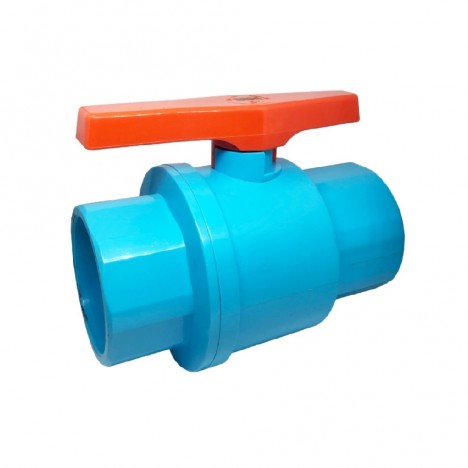
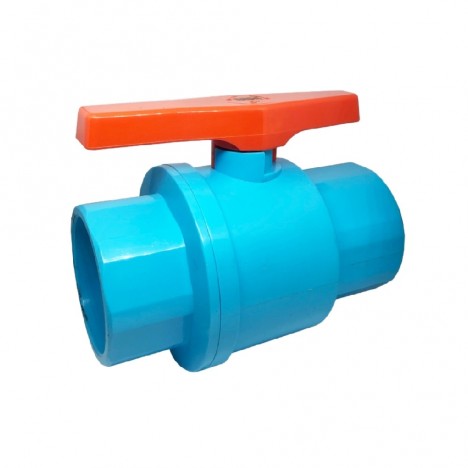
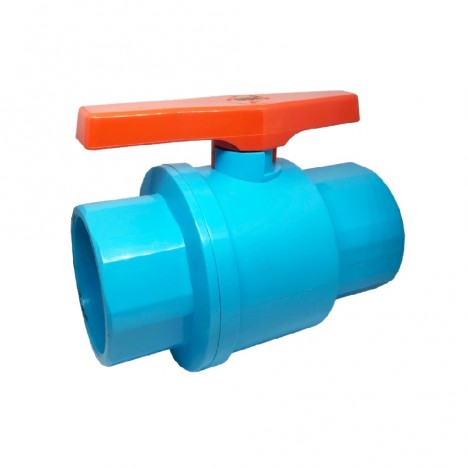
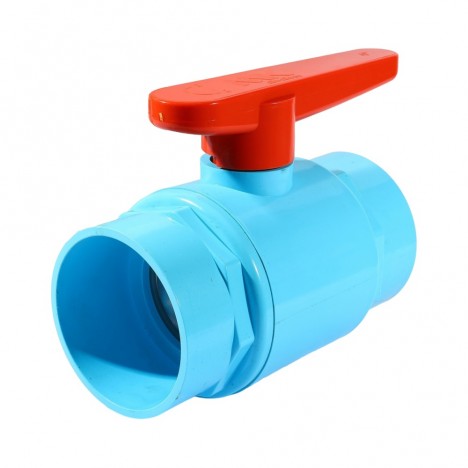
TurnBall ValvesUntil the handle is perpendicular to the pipe, yet upon opening the other end of the pipe, water still continuously flows or drips out. This symptom makes one wonder whether the valve wasn't fully closed or if it is already defective.
In reality, the fully closed position of the handle does not always mean the inside completely seals off the water. The actual components responsible for shutting off the water are the internal ball and the valve seat. If sediment gets in the way, the seat wears out, the ball surface gets damaged, or the ball does not rotate to its intended position, a small gap can remain for water to pass through. Therefore, before forcing the handle further or rushing to replace the ball valve with a new one, first understand how this symptom occurs and what areas should be inspected.
Why should water stop flowing when a ball valve is closed?
The construction of a ball valve is not as complicated as it appears from the outside. Inside is a ball with a bore drilled straight through its center. When the handle is turned parallel to the pipe, the bore aligns with the pipe, allowing water to flow through. But when turned about 90 degrees, the ball rotates its solid side to block the water flow.
However, the ball alone does not completely shut off the water. Around the ball are valve seats that contact the ball's surface to help seal off the fluid. When both surfaces are in good condition and mate properly, the valve can stop the flow as designed. Therefore, when a ball valve is closed and water still passes through, the key question is not just "Was the handle turned all the way?" but also "Are the internal parts still sealing tightly together?"
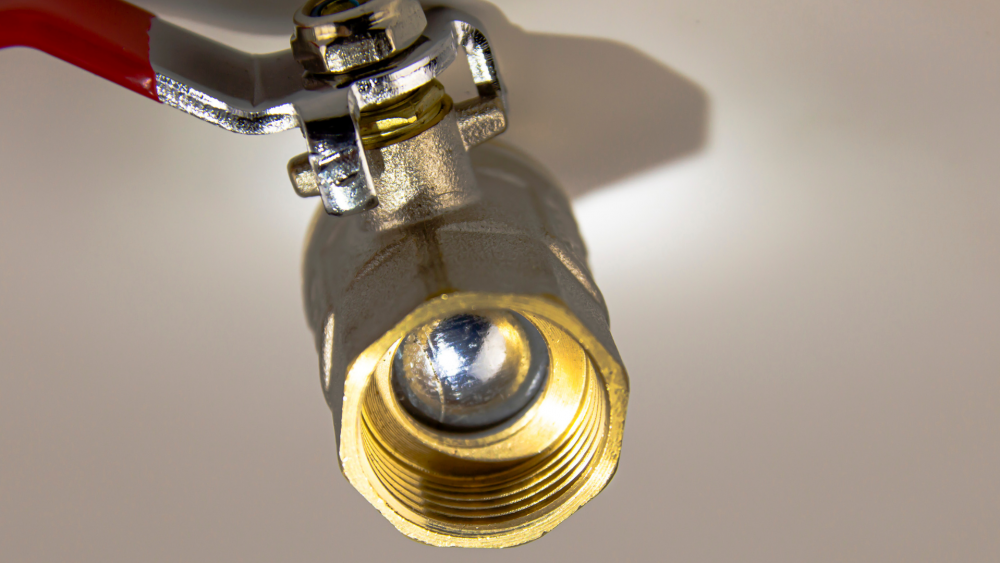
Trapped sediment debris: even a tiny gap allows water to pass through
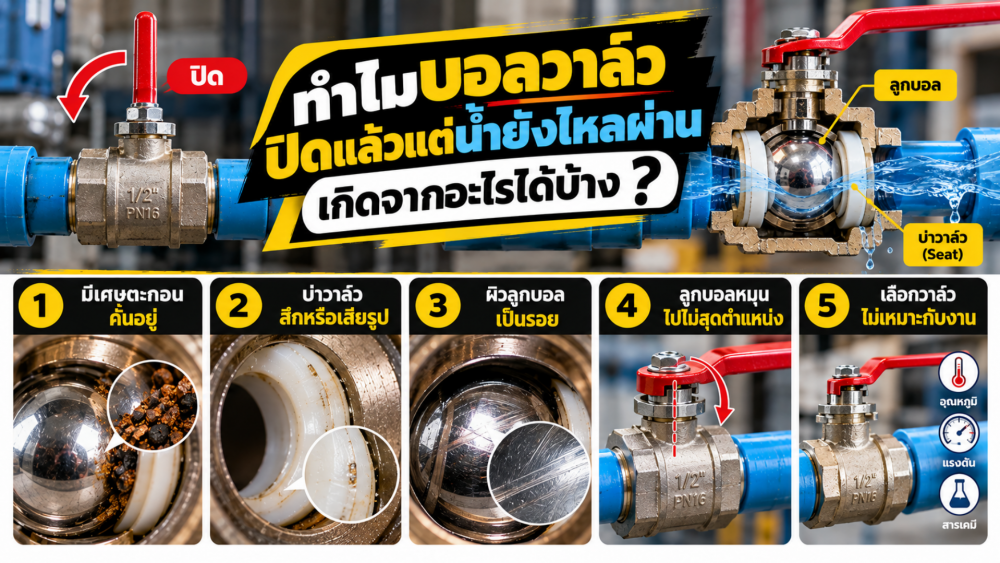
One cause to keep in mind, especially in systems with sediment or newly installed piping, is foreign debris trapped on the contact surface between the ball and the valve seat. Rust particles, sand grains, sediment, or installation debris left in the system can be carried along with the water. If these particles get lodged where the ball needs to seal against the seat, it acts like a door held slightly ajar. Even if the handle is turned to the fully closed position, an opening may still remain inside for water to leak through.
This is why piping cleanliness is essential right from the start before operation. Emerson's K-Ball valve manual specifies removing dirt, burrs, and welding slag inside pipes prior to installation to prevent damage to the seats and the ball's surface.
If a recently installed valve starts failing to seal completely, do not focus solely on the valve itself. The internal condition of the pipes and debris carried along with the water are also key factors that must be examined.
If nothing is blocking it, the valve seat may be worn out.
Ball valves that have been in use for a while may face another issue: the valve seat starts to wear out or deform, preventing it from sealing snugly against the ball as before. Imagine a rubber lid gasket: if the surface is smooth and properly shaped, it seals completely. But when scratched, worn, or deformed, liquid can pass through even if the lid is in place. Valve seats work on a similar principle, though materials and structures vary depending on each ball valve model's design.
Wear does not depend on age alone; fluid conditions also play a role. If the fluid contains solid particles or debris, these particles can accumulate or damage the sealing surfaces of the valve.
Another practice to be cautious of is using an on-off ball valve for throttling flow over extended periods. Swagelok notes that most ball valves are designed for fully open or fully closed positions, and using them partially open for long periods can increase wear on the seat and other internal components. Therefore, turning a ball valve halfway to reduce flow might seem to work, but it does not mean all types of ball valves are suitable for continuous flow rate regulation.
The valve seat may be fine, but the ball surface could be scratched.
When talking about leaking ball valves, people often think of seals or seats first, but the surface of the ball itself is just as critical—it is the mating surface that seals against the seat to shut off fluid flow.
If solid debris passes through the valve and scratches the ball surface, or if the surface is damaged by improper operating conditions, the valve seat may not make full contact with the ball. Scratches in just a few spots can create micro-channels for fluid to leak through even when the valve is closed.
This is why forcing the valve handle tighter is not always the answer. If the problem stems from internal surface damage, no matter how firmly the handle is in the closed position, the scratches remain.
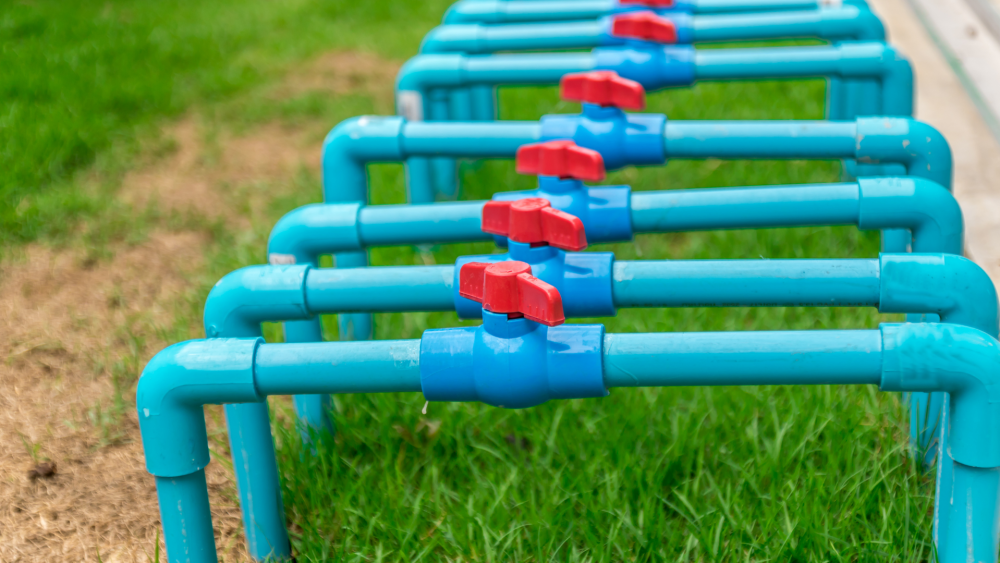
The handle looks closed, but the ball inside may not have fully rotated.
Another case that should be distinguished from wear issues is when the valve has not fully reached its intended closed position.
For standard lever-operated ball valves, an initial check can be made from handle position: when open, the handle aligns with the flow, and when closed, it is perpendicular to the pipe, as specified in manufacturers' manuals. However, if the mechanism is malfunctioning or obstructed, checking the external handle position alone may not be enough to confirm full internal shutoff.
In the case of actuated ball valves, additional details must be considered, such as actuator position settings. Troubleshooting documentation from Valmet illustrates that improper actuator travel stop settings, as well as damage to seats or closure components, can contribute to valve leakage in the closed position.
For residential ball valves or standard manual systems, there is no need to overcomplicate things, but the core principle is the same: do not just look at handle position—verify whether the internal mechanism has actually reached the fully closed position.
Sometimes the valve is not broken, but it was the wrong choice for the application.
Ball valves that look identical cannot necessarily be used interchangeably in every system, as materials for the body, ball, seats, and seals may differ, along with pressure and temperature ratings for each model.
If a valve is used with fluids, temperatures, or pressures outside the manufacturer's specifications, internal components may deteriorate prematurely, ultimately compromising shutoff performance.
Especially for non-water applications such as chemicals, high-temperature fluids, or industrial systems, selecting a ball valve should not merely be about matching pipe size. You must also verify material compatibility, as well as the pressure and temperature ratings specified by the manufacturer.
Before assuming the ball valve is broken, identify where it is actually leaking.
The term "leaking ball valve" can refer to entirely different symptoms, and distinguishing between them from the start will help you pinpoint the root cause more accurately.
If the ball valve is closed and water still passes through to the pipe on the other side even though the exterior of the valve is completely dry, the issue lies in internal fluid shut-off. Your primary focus should be on sediment, the valve seat, the ball surface, and the closed position.
However, if water seeps out around the valve stem, joints, or valve body, that is an external leak involving different parts and locations. It should not be generalized as a valve seat failing to seal.
Distinguishing between these two symptoms is therefore more important than rushing to disassemble the valve, as it will at least help you determine whether to begin inspection from the internal flow path or from the external sealing points of the valve body.
Not closing tightly? Don't try to fix it just by forcing the handle further
When finding that water still flows after closing a valve, many people's first instinct is to apply extra force on the handle, hoping it will seal better. But if the handle has already reached its standard stop position, forcing it further won't clear trapped sediment, won't restore a worn valve seat, and won't erase scratches on the ball surface.
What you should do first is observe whether it is leaking internally through the valve or leaking externally. Then, look into the valve's service history, such as whether it was newly installed or has been in use for a long time, whether the system has a lot of sediment, and whether the valve is used for regular on-off cycles or is frequently left half-open. This information helps narrow down the possible causes before deciding to disassemble, repair, or replace the valve.
If the ball valve is installed in a system with high pressure, steam, gas, chemicals, or hazardous fluids, never disassemble, loosen fittings, or open the valve body for inspection while the system is still pressurized. Isolating the system and ensuring that there is no residual pressure or energy must strictly follow the system's safety procedures and manufacturer guidelines.
Whether a ball valve shuts off completely: the real key lies inside
From the outside, all we see is the valve handle, but what actually determines whether the water stops or keeps flowing is inside, between the ball and the valve seat. If these two parts are clean, in good condition, and move into the closed position as designed, the valve can shut off fluid according to its rated performance. But when sediment is trapped, the valve seat is worn, the ball surface is damaged, or the closed position is misaligned, a gap can form allowing water to pass through—even if the handle outside appears to be fully closed.
Therefore, ifBall Valveswater still flows after closing, don't rush to conclude that you need to force it tighter or replace the valve immediately. Finding out first where the water is leaking and what is preventing the internal surfaces from sealing tightly will lead to a more targeted solution, while also preventing the same issue from recurring with a new valve.