


 EN
 ไทย


Customers Also Purchased


Many people misunderstand that electric motors with the same horsepower (HP) can be operated continuously and handle heavy loads for equally long periods. But... in reality, that's not the case at all. "Same horsepower doesn't mean same endurance." Why can one electric motor run smoothly all day long, while another overheats and trips after just a few hours—or even risks burning out the windings right before your eyes?
This clearly shows that choosing Electric motor does not depend on the horsepower rating alone. Horsepower is only a measure of driving power output. In actual operation, other factors such as load, operating duration, and heat dissipation come into play—especially for applications requiring an electric motor to run continuously for long periods.
Simply put, having the same horsepower doesn't always mean they can run continuously for the same duration. However, if both motors are designed for continuous duty and operated under proper conditions, both can handle continuous operation just as well. Therefore, when choosing a motor, you shouldn't judge solely by brand, price, or physical size; you should also evaluate its duty rating and suitability for the actual application.
What Does Electric Motor Horsepower Tell You?
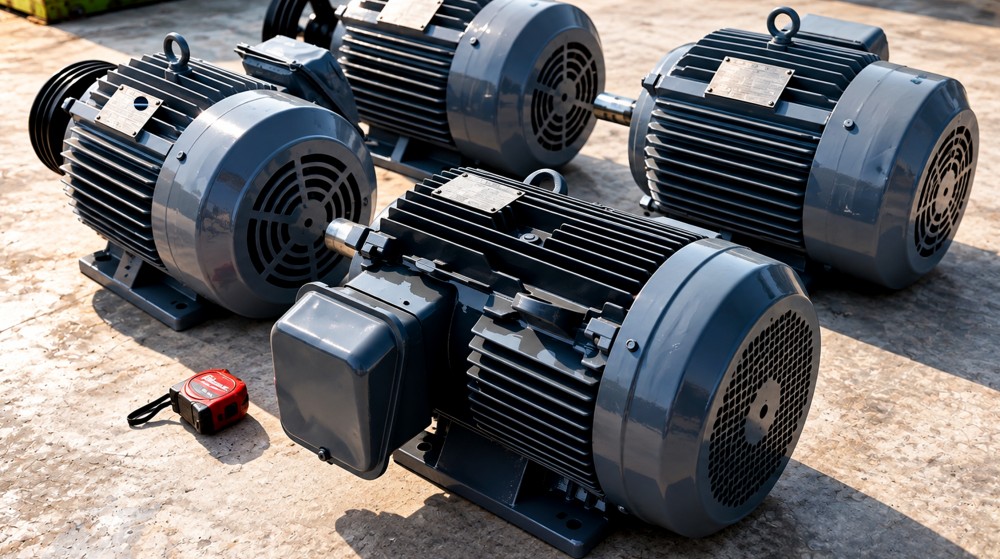
Horsepower (HP) on a standard electric motor rating plate indicates the mechanical power delivered at the shaft under specified conditions—not the number of operating hours, nor the total electrical power drawn from the system. When comparing products, HP or kW ratings should be read alongside other nameplate details, especially the duty rating indicated as "Duty" or codes like S1, S2, and S3. For example, two electric motors may state the same power rating, but one is designed for continuous duty while the other is rated for short-time duty. Running them continuously in the same manner would not be a fair or correct comparison. Additionally, if their speeds differ, shaft torque may also differ. Replacing an electric motor therefore requires verifying power, rotational speed, and transmission systems—not just checking whether it physically fits or spins.
Understand S1–S3 Duty Ratings Before Asking How Many Hours It Can Run
Technical documents describing classifications under IEC 60034-1 distinguish various duty types for motors. The following three types clearly explain the differences between continuous duty, short-time duty, and intermittent periodic duty.
S1: Continuous Duty Under Rated Conditions
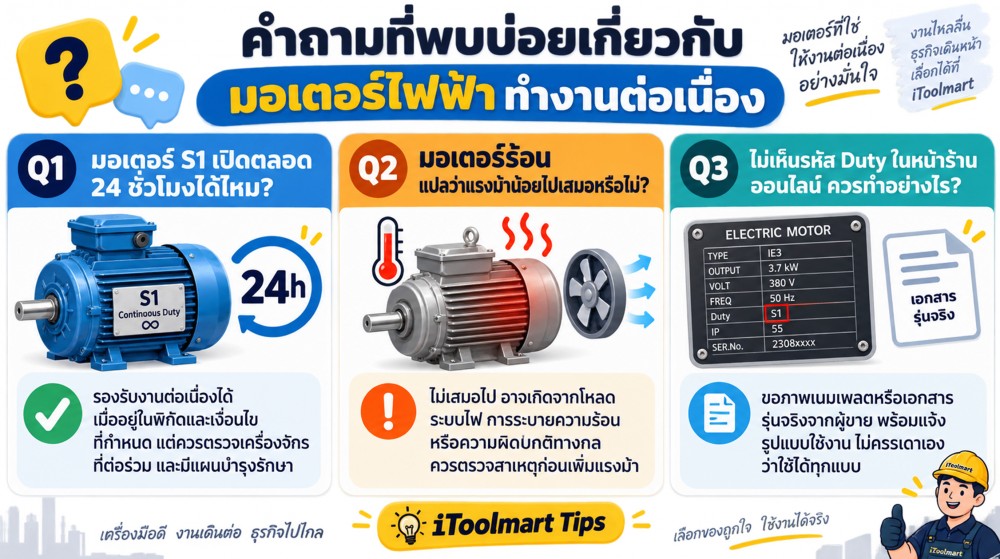
S1 refers to operation at a constant load long enough for the motor to reach thermal equilibrium—meaning the heat generated balances out with the heat dissipated. It is not a rating that mandates stopping for a break every 30 minutes or every hour, provided it is operated within the specified power and environmental conditions. However, "continuous" does not mean it can withstand continuous overloading or bypass routine maintenance inspections.
S2: Short-Time Duty Followed by Cooling
S2 specifies operation at a constant load for a limited duration, such as S2 30 min, after which the motor must be de-energized and stopped long enough to cool down close to the coolant temperature. A critical point to watch: pausing for only a few minutes before starting a new cycle may violate the rating's conditions, even if the motor is still able to rotate.
S3: Intermittent Periodic Duty
S3 consists of a sequence of identical duty cycles, each including a period of operation at constant load and a rest period. The starting current must not significantly affect temperature rise under this definition. The percentage indicates the duty cycle factor—the ratio of operating time to the total cycle time. For example, if a 10-minute cycle is specified with S3 40%, it means operating for 4 minutes and resting for 6 minutes—not running continuously for 40% of an entire day and then resting all at once.
Why Do Electric Motors with the Same Horsepower Produce Different Heat?
Different Actual Loads Handled
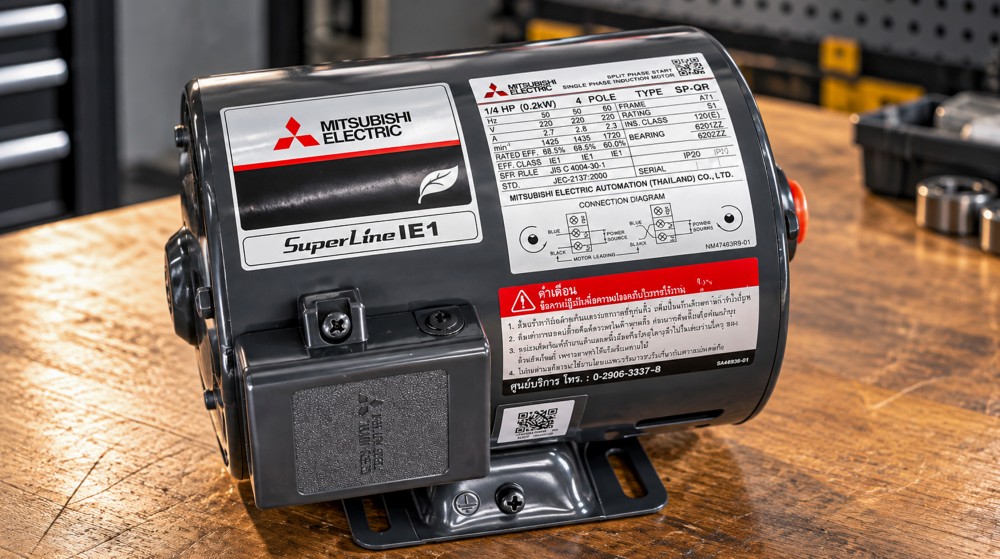
Installing a motor of the same size doesn't necessarily mean the machine load remains unchanged. The machinery may have increased friction, failing bearings, or drive transmission issues, forcing the motor to work harder. If an electric motor runs hot, a technician should inspect the mechanical condition and measure the current under actual load against the motor's ratings and specifications. Checking only during no-load operation may fail to reveal problems that arise during production.
Installation Locations Have Different Heat Dissipation Capabilities
An electric motor installed in a confined space, with dust clogging the air vents, or near a heat source operates under very different conditions from one in a well-ventilated area. Manufacturer manuals specify keeping ventilation openings and cooling fins clean and operating within the ambient temperature range stated on the nameplate. Therefore, the installation environment is an integral part of motor selection, not an afterthought. Practical steps include maintaining clearance around vents as per the manual, avoiding covering the unit with materials, and regularly inspecting for dust buildup on site, always disconnecting the power supply before cleaning or servicing.
Different Start and Stop Patterns
A machine that rotates continuously for several hours and a machine that starts and stops frequently have different load patterns, even if the total daily operating time is the same. Therefore, you should also inform the seller how many times the machine starts per hour, whether it starts under load, and whether there is braking or reversing. Applications with starts that significantly affect heat buildup may require considering other duty ratings; it should not be assumed to be S3 in every case.
Electric motor running hot or tripping frequently: What should be checked first?
Start by noting when the symptom occurs, such as after adding raw materials, after running longer, or after relocating the installation. This information helps narrow down the causes far better than just saying the "machine runs hot." Then have a qualified technician check in the following order:
- Duty rating: Does the actual operating pattern match the motor specifications?
- Load and current: During actual operation, is there an overload or is the machinery jammed?
- Vents and installation area: Are there obstructions or accumulated dust?
- Electrical system and wiring: Are the voltage and connections correct?
- Mechanical components: Are there any abnormalities in the bearings, mounting base, or drive train alignment?
The product instruction page specifies measuring the current against the nameplate and stopping the motor when abnormalities are found. Therefore, the root cause should be resolved before resetting and restarting the machine.
Conclusion
Electric motors with the same horsepower may support different operating patterns. What helps determine this is the duty rating, actual load, electrical system, and heat dissipation capability: S1 is used for continuous duty, while S2 and S3 have operating time and rest conditions that must be understood. Before buying or replacing a motor, try starting by recording work cycles and taking photos of the old nameplate. Having complete information helps you choose the right motor for the job and reduces trial and error when the machine starts overheating or tripping during use. So, what rating is specified on the electric motor you are currently using, and have you ever experienced overheating or tripping after running it for how long?
Select Electric motor to suit the application