EN
 ไทย


Customers Also Purchased



On a weekend morning, you set out to tidy up the storage room. Moving a few boxes reveals a wooden shelf you've wanted to fix. Once that's repaired, you realize the door could use a fresh coat of paint. What began as one small task turns into a long checklist you want to finish before evening. What often changes along with each task is the safety gear we wear—whether switching tools, grabbing gloves to lift items, swapping to a drill, and then reaching for a paintbrush. Yet the gear on your body might stay the same all day, even though each task carries entirely different hazards!
So, do you really have to switch Personal Protective Equipment for every single job? Is there gear you can just wear all the way through? In this article, we'll take you through the essential safety equipment you need, from organizing storage to packing tools away. You can apply these same principles to retail shops, basic handyman jobs, or general workspace maintenance.
Understanding Safety Equipment Through What Needs Protection
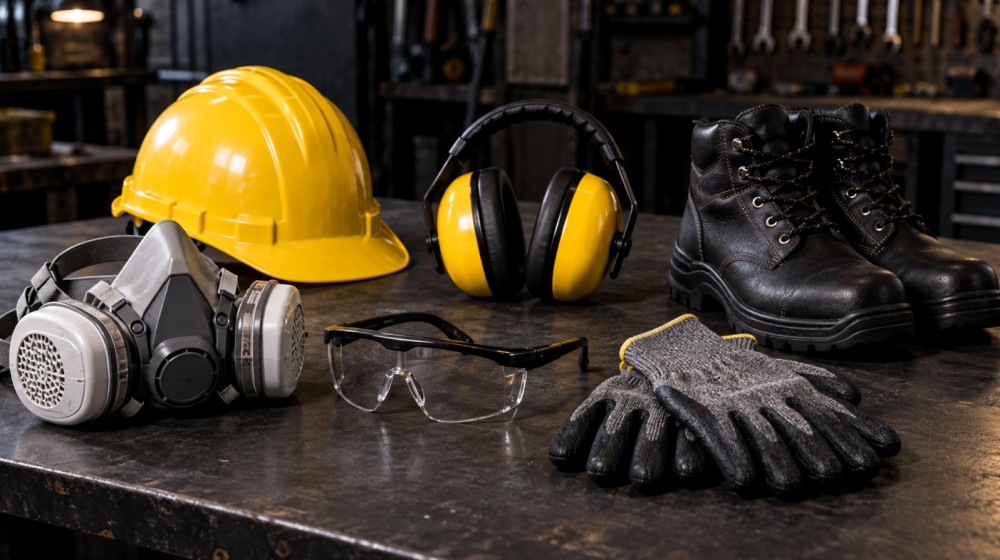
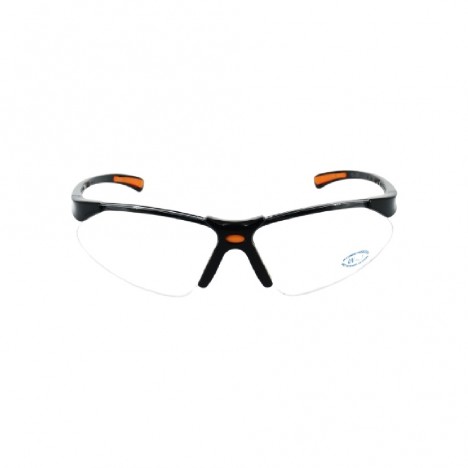
"Safety equipment" is a collective term for safety gear, while items worn to protect the body are specifically called Personal Protective Equipment (PPE), which we're all familiar with—such as safety glasses, work gloves, face masks, safety helmets, and safety shoes.
Before buying, shift your question from "What do I need?" to "Where could this job injure me, and what would cause it?" If handling splintered wood, think about hand protection. If debris might fly, think about eye protection. Loud noise and dust should each be evaluated separately.
However, wearing safety equipment does not automatically make a hazardous task safe. Hazards should first be reduced at the source—such as choosing lower-dust methods, using suitable dust extractors, and arranging a clear workspace—before relying on protective gear for any remaining risks.
Plan Ahead Before Starting
Try briefly jotting down the tasks to be done on paper—for example, moving boxes, repairing wooden shelves, and painting doors. Then, note beside each task what materials and tools will be used and where the work will take place. This step highlights factors you might overlook during continuous work, such as moving from a dry to a wet area, switching from general handling to chemical products, or family members walking through the work zone.
Keep tool manuals and product labels close at hand. If you're unsure what hazards need protection after reading them, consult the manufacturer, seller, or an expert before starting. Uncertainty about hazards is reason enough to postpone the task.
Phase One: Moving Items – Watch Your Hands, Feet, and Walkways
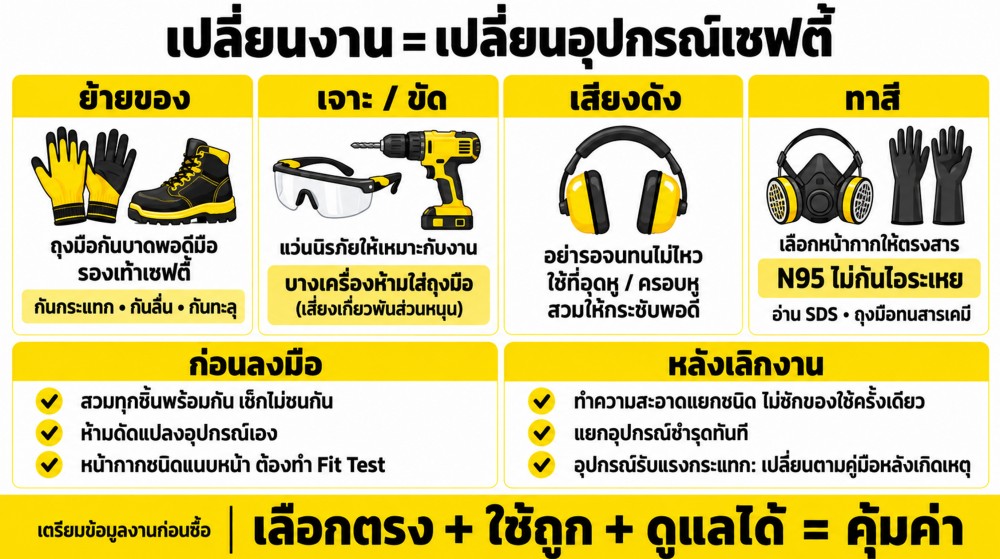
When organizing a storage room, inspect items before handling them. An ordinary-looking box may contain staples, sharp edges, or protruding parts. Safety equipment like work gloves for handling should fit properly and suit the material's hazards. If handling sharp objects, verify the gloves' cut-resistance rating; do not judge by thickness or color alone, and never assume cut-resistant gloves allow careless handling of blades or metal edges.
If there is a risk of falling objects onto your feet, task-appropriate safety shoes—a crucial piece of safety equipment—may be necessary. Slip resistance and puncture resistance must be evaluated separately from toe cap ratings, as a single pair of shoes does not always possess every feature.
Before lifting, clear the pathway and prepare the destination area. For items that are heavy or too bulky to handle easily, use lifting aids or ask for assistance as appropriate. Safety equipment like gloves and shoes helps protect against certain hazards, but does not allow you to lift beyond your physical capacity.
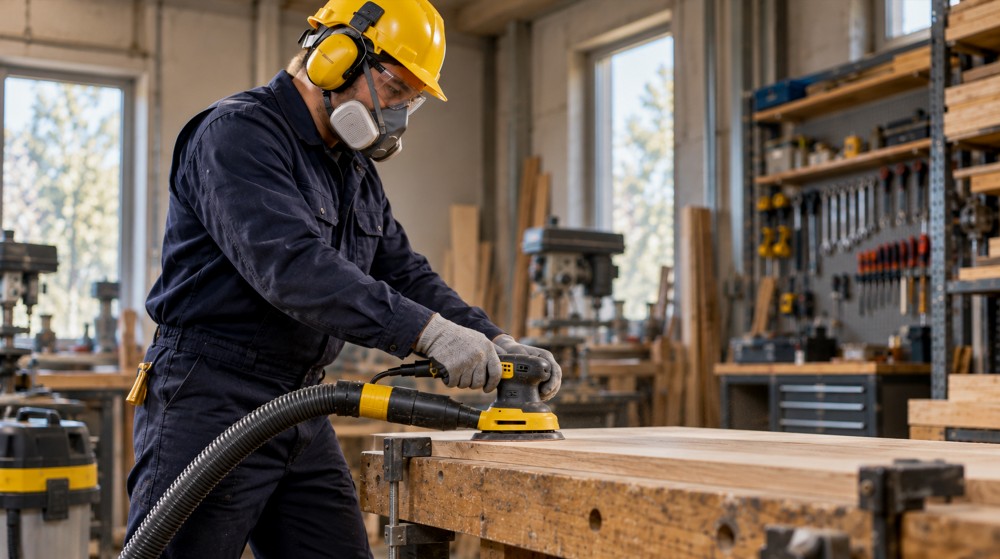
When switching from moving items to drilling or sanding, inspect the new set of safety equipment before turning on the machine.
As soon as you pick up a power tool, the risks can increase from handling materials to flying debris, dust, noise, and moving parts. Therefore, before turning on the machine, you should review the safety requirements for that specific model again.
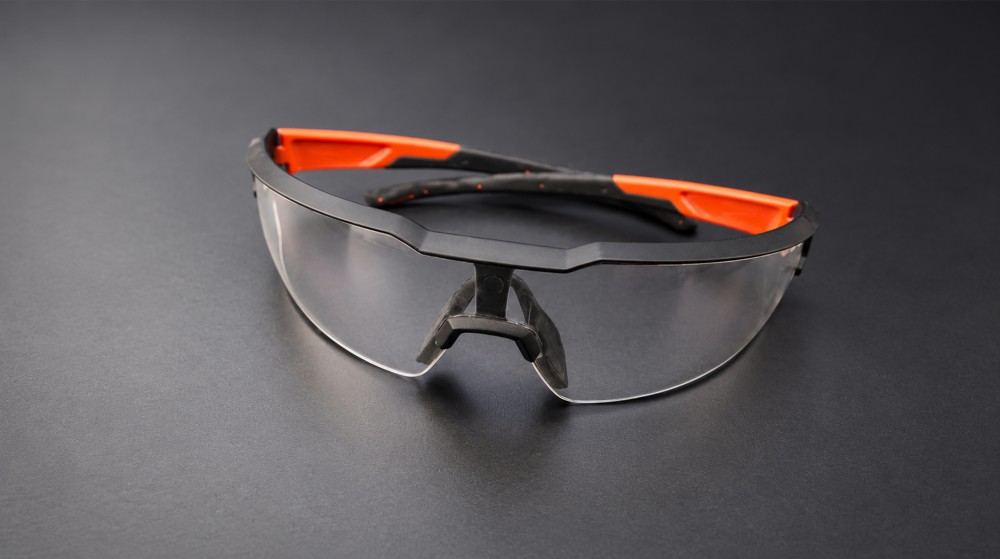
Safety glasses must be suitable for the expected hazards. Regular prescription glasses or sunglasses should not be used as substitutes for eye protection safety equipment, and impact-resistant glasses do not necessarily protect against all types of dust or liquid splashes.
Another thing to reconsider is wearing the same pair of gloves. Certain types of machinery, such as drill presses, carry the risk of gloves getting caught in rotating parts. Therefore, it should not be assumed that wearing gloves is always necessary whenever using tools; follow the manual and the specific requirements of that task.
If performing work that generates dust, consider dust control measures before selecting a mask. Knowing what material you are sanding or drilling is crucial, as dust from different materials may require different handling methods. If the composition of an old material is unknown, it should be clearly identified before disturbing its surface.
For noisy work, don't wait until it becomes unbearable before using protective safety equipment.
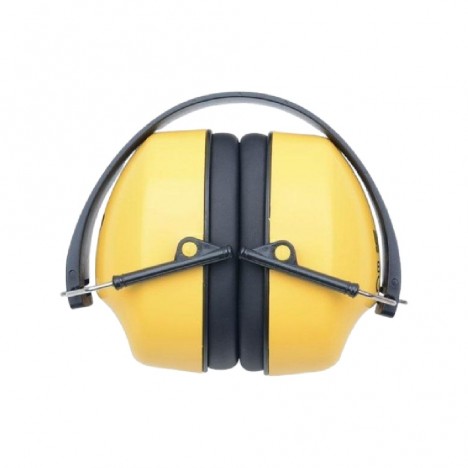
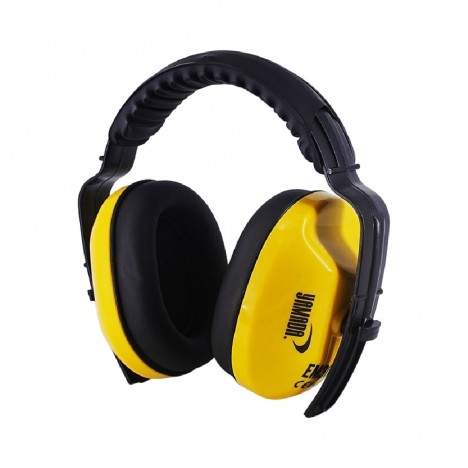
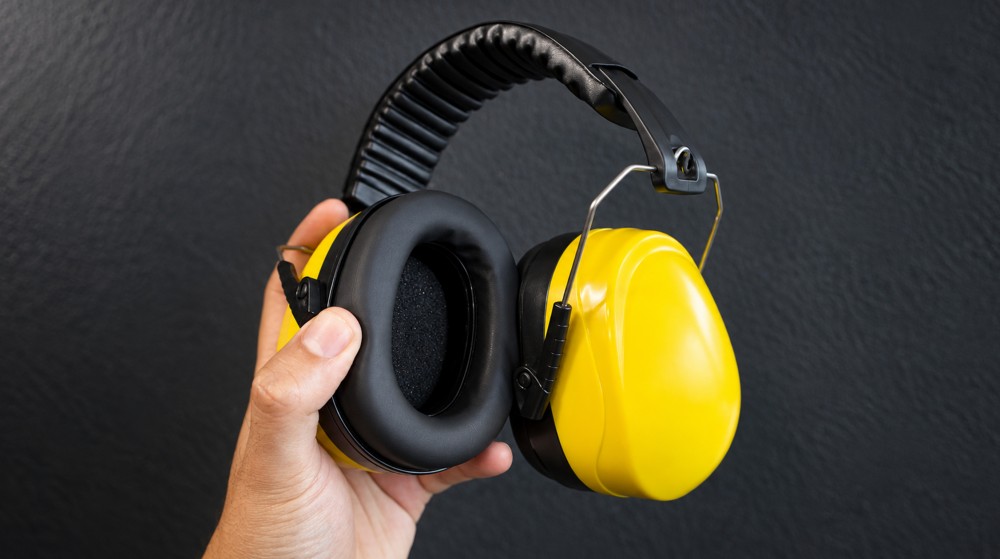
Noise that feels tolerable is no guarantee of safety. Risk depends on noise levels and exposure duration. If the work requires hearing protection safety equipment, choose earplugs or earmuffs suitable for the job conditions. Selection should not be based solely on the noise reduction rating on the box; proper fit, wearing method, and the ability to hear necessary warning signals must also be considered. In workplace settings, noise assessment results should guide the selection.
When wearing earmuffs with glasses, check whether the eyeglass temples or hair interfere with the cushion seal. If wearing them causes pain that tempts frequent removal, adjust the fit or choose a more suitable model. If you must remove them to adjust or rest, stop work and exit the noisy area safely first. Intermittently removing safety equipment during noise exposure can drastically reduce overall protection.
Switching to painting in the afternoon: masks and gloves must be reviewed once again.
When finishing sanding and picking up paint, do not continue using the same mask just because it still looks clean. Particulate respirators like N95 masks do not protect against gases or vapors, so a single mask type should not be used as a solution for every task. Start by reading the label and Safety Data Sheet (SDS) for the paint or product being used. This document helps you understand hazards, ventilation requirements, and safety equipment recommendations.
If respiratory protection equipment is required, select the model and filter cartridge that match the specific substance and exposure level. Air-purifying respirators do not supply oxygen, so they are not suitable for oxygen-deficient environments and should never be used as a reason to enter confined spaces on your own.
Gloves must also be re-evaluated. Gloves that help with handling wood or moving boxes may not be suitable for paints and solvents. Check the chemical resistance data for that specific model, including exposure duration and contact type. The term “rubber gloves” alone does not provide enough information on suitability.
Once fully geared up, ensure they can be worn together compatibly.
Once you have selected safety equipment suitable for the job, try wearing all items together in a safe area. Glasses may hit the edge of the mask, earmuffs may press against eyeglass temples, or hard hats may not support purchased accessories. One piece of equipment should not displace another and compromise protection. If they are incompatible, switch models or sizes according to manufacturer specifications; do not drill, cut, or modify them yourself to force a fit.
For tight-fitting respirators, choose a size suited to the wearer's face, have a fit test conducted by a qualified person, and perform a seal check according to the manual each time it is worn. A pre-use user seal check does not replace a fit test.
Before starting the next task, ask yourself four questions.
You don't need to buy a new set every time you switch tasks. What you need to do is review whether the existing equipment is still suitable, using the following questions as a starting point. One: Has the task or material changed? Switching from moving items to sanding wood, from sanding to painting, or from a dry area to a wet surface are all moments to reassess hazards.
Two: Does the equipment protect against this new type of hazard? Check the label, model, standards, and usage limitations; do not judge based on similar appearances. Three: Is it still in good condition? Look for cracks, tears, worn straps, deformed cushions, or loose parts, and check replacement criteria per the manufacturer's manual. Four: Can you work properly when fully equipped? You must be able to see, grip tools, and move while all safety equipment remains properly positioned. If you have to remove one item so another can work, resolve the issue before starting.
When work is done, equipment care isn't over yet.
When finished with work, do not immediately toss safety equipment in together with tools. Safety glasses may be crushed by heavy objects, masks may become deformed, and contaminants from gloves may stick to other items. Clean each type of safety equipment. Single-use items should not be washed or rinsed for reuse without manufacturer guidance, while reusable equipment must be checked to see what cleaning agents are approved by the manufacturer.
Provide a clean, dry storage area that meets product specifications. Separate damaged items from ready-to-use ones, and clearly mark them so they are not picked up for further use.
Some safety equipment may need to be replaced after sustaining an impact or experiencing a specific incident, even if no damage is visible externally. Therefore, you should adhere to the manufacturer's criteria rather than waiting until parts are noticeably cracked or torn.
Buying Safety Equipment Cost-Effectively Starts with Job Details
Before asking the seller which model is a bestseller, try preparing information about what it will be used for, what materials or chemicals are involved, how long it will be used, and what equipment you already have. If there are product labels or tool model numbers, bring that information along. Check product details and traceable documentation, including spare parts, consumables, and maintenance methods. Choose a size suitable for the actual user, especially for items that must fit closely against the face or adjust to the head.
The true value of safety equipment lies in choosing the right item, using it correctly, and maintaining it throughout its service life. Items that are bought and then discarded because they do not fit properly or protect against the wrong hazard will not meet your needs, no matter how attractive the price.