


 EN
 ไทย


Customers Also Purchased
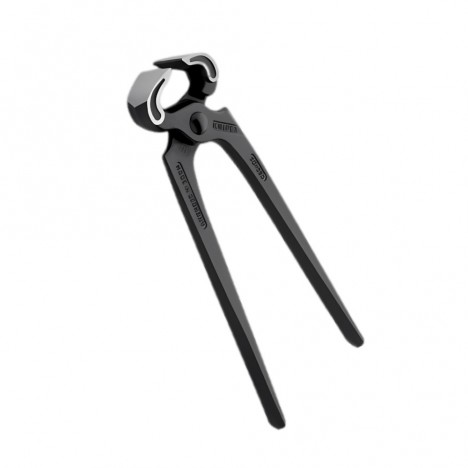
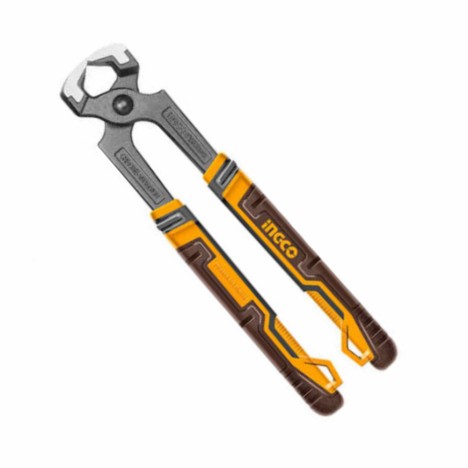
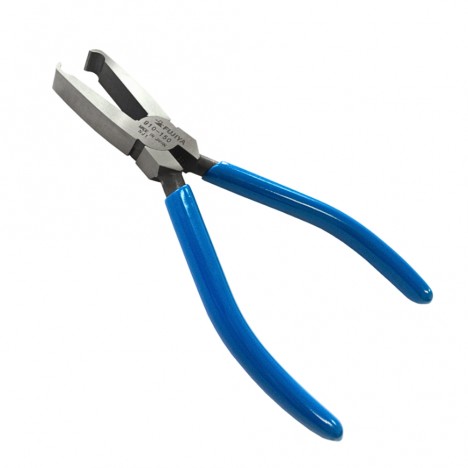
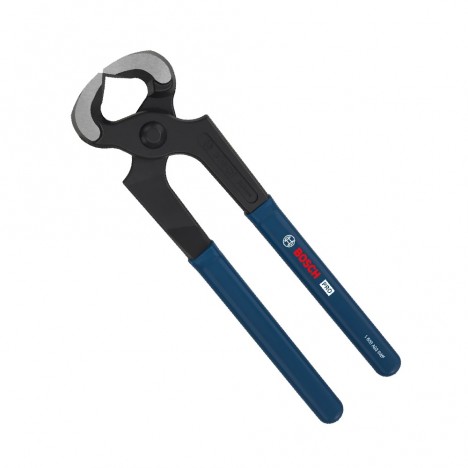
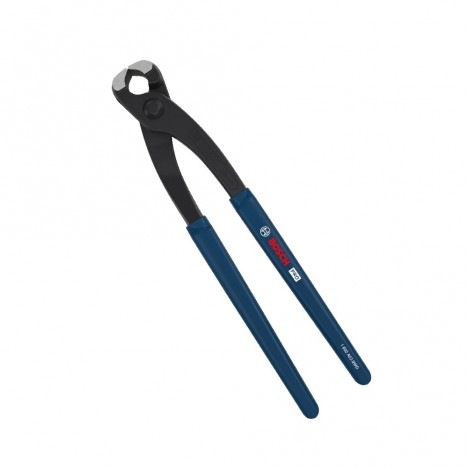

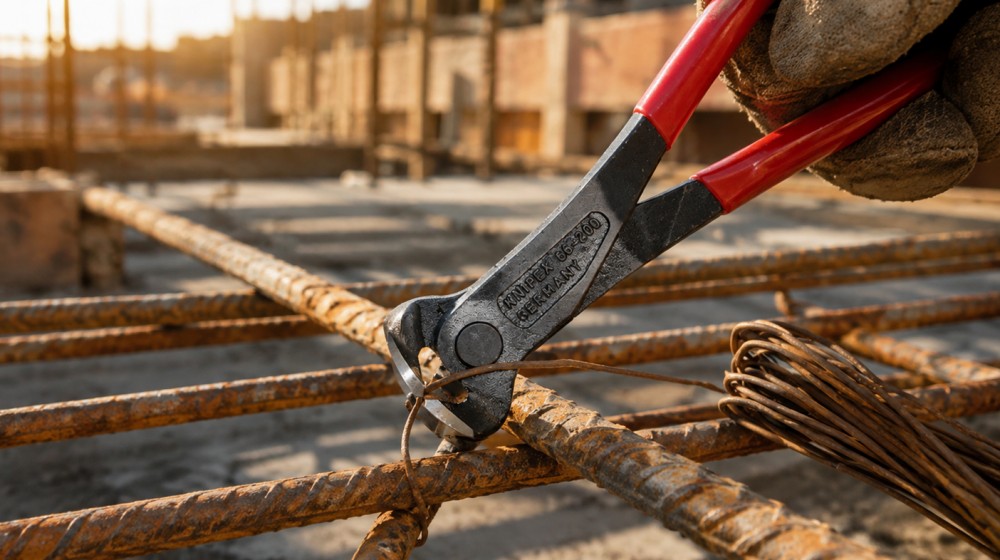
Many of you might have experienced this: using your trusty, familiar end cutting pliers, the first wire cuts like butter, but with another wire of the exact same size, you find yourself squeezing until your hands shake—or worse, the cutting edge chips! Leaving it ruined.
So... can end cutting pliers cut hard wire? The answer is "some models can, but not every pair and not every type of wire." The reasons why wires of the same diameter vary in cutting difficulty—or can even ruin your end cutting pliers—come down to the following factors. Therefore, before squeezing with full confidence just because they look like end cutting pliers, check first whether that wire exceeds the limits of the tool in your hand.
What Are End Cutting Pliers Actually Designed For?
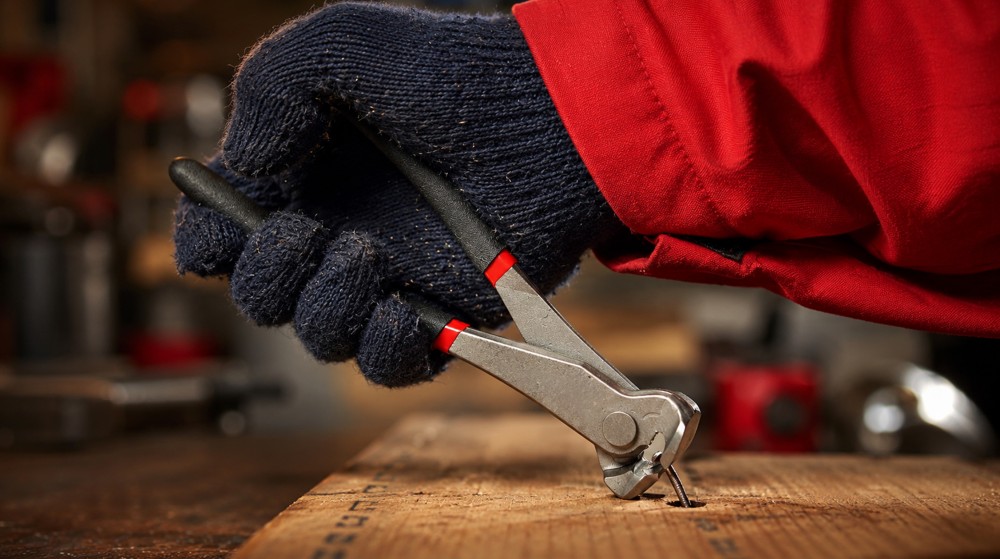
Before deciding to cut hard wire, we need to understand the function of End Cutting Nippers first. These pliers are not designed to cut every type of metal. Their key feature is the front-facing cutting edge, which allows them to get close to surfaces that sit flush, and the rounded head also serves as a fulcrum to pull nails easily. But remember: having a cutting edge doesn't mean it can cut anything.
- Standard pliers: Mostly focused on soft wire or tie wire in construction work.
- Heavy-duty pliers (High Leverage): Made from special grade steel with specially induction-hardened cutting edges to cut hard wire or spring wire.
True cutting performance is hidden inside, invisible to the naked eye—in the steel grade, heat treatment, and leverage design.
Same Wire Diameter, Why Is the Hardness Different?
Don't just look at size; look at hardness too. Many people assume wires of the same diameter should cut the same way. But in reality, material properties differ significantly. Pliers that cut copper wire with ease might be ruined instantly when encountering piano wire (spring steel wire), because different materials offer vastly different shear resistance.
- Soft wire (e.g., copper, aluminum): Deforms easily and cuts with minimal effort.
- Medium-hard wire (e.g., nails, general steel wire): Higher resistance, requires greater squeezing force.
- Hard wire (e.g., spring wire, piano wire): Extremely hard and tough. If cut with standard pliers, the cutting edge will often "chip" before the wire is severed.
How to choose correctly: High-quality end cutting pliers manufacturers (such as KNIPEX) will always clearly specify whether that model is designed for cutting Soft, Medium, Hard, or Piano Wire.
End Cutting Pliers: The Harder the Edge, the Better?
Many people think that a higher HRC rating means better pliers that can cut anything. But the truth isn't that simple. The HRC rating (cutting edge hardness) indicates wear resistance, but it doesn't guarantee toughness. Steel that is too hard is often brittle and prone to cracking or chipping under impact.
Quality tool manufacturers therefore don't focus solely on hardness, but on balance.
- The cutting edge must be hard enough to maintain its sharpness (often achieved through localized hardening or Induction Hardening).
- The body must be tough and flexible to absorb repeated torsion and pressure without breaking.
Therefore, even with a top-tier pair of pliers having a high HRC value, the cutting capability does not rely on hardness alone, but comes from "a harmonious combination of mechanical design, leverage ratio, and the type of steel." Don't choose pliers merely based on the highest HRC number; choosing based on the "intended use" specified by the manufacturer is the most reliable approach.
What signs indicate that you should stop cutting?
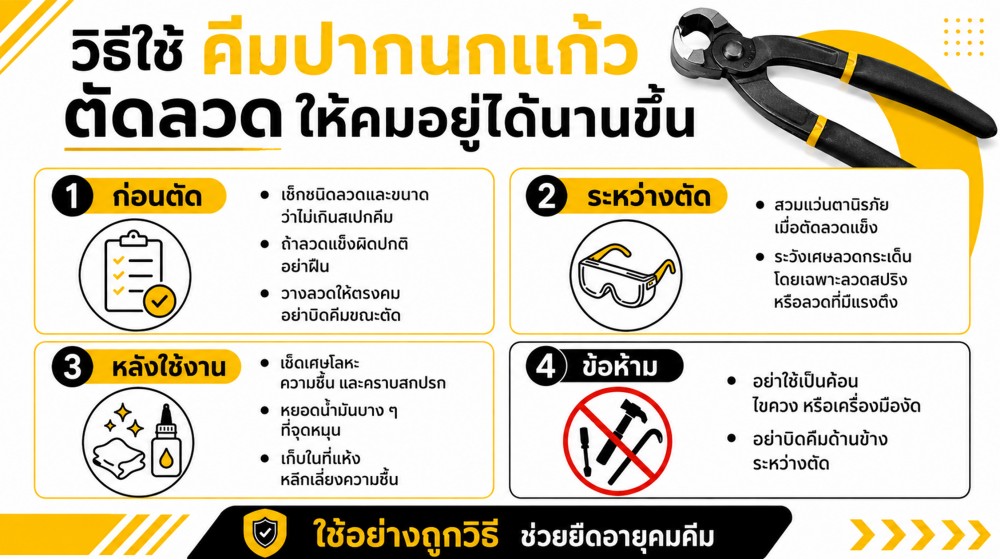
When you have to cut wire without knowing the material type, watch out for these warning signs from the pliers:
- Abnormal resistance: If you apply more force than usual and the wire barely shows a mark, or you feel the plier body twisting/the handles flexing, stop immediately.
- The cutting edge does not bite: If squeezing only makes a tiny indentation and the cutting edges do not penetrate deeper with applied force, it indicates the wire is harder than what the pliers can handle.
Do not push through with the mindset of "just a little bit more," because applying all your strength when the pliers have reached their limit is precisely when the cutting edges will chip or break immediately.
Conclusion
Do not judge the capability of end cutting pliers by their size in inches alone, as a 2 mm wire can have vastly different hardness levels—from soft copper wire to spring steel wire that can ruin a cutting edge in the blink of an eye.
- Check the cutting edge specs: Are these pliers induction hardened? Do they support Hard Wire or Piano Wire?
- Look at the leverage mechanism: Does it feature a High Leverage design (eccentric joint) to reduce effort?
If it won't cut, don't force it: If you squeeze with full force and the wire still won't cut, never try to force it further. That is a clear warning sign that this pair of end cutting pliers is not the right tool for the job. Taking a moment to switch to pliers specifically designed for hard wire may seem like a slight delay, but it is far better than damaging your tool and having to spend money on a replacement.
Select End cutting pliers to suit the application