


 EN
 ไทย


Customers Also Purchased
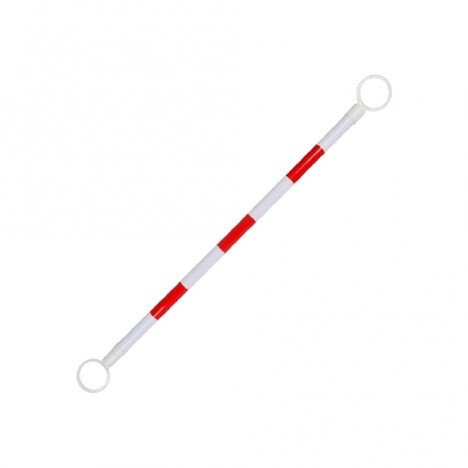
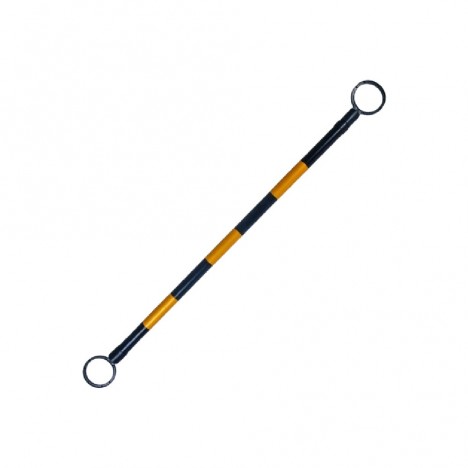
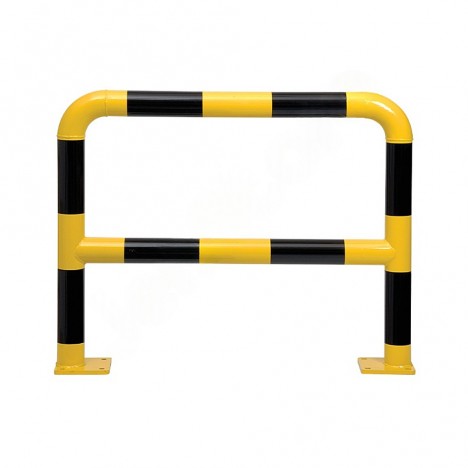
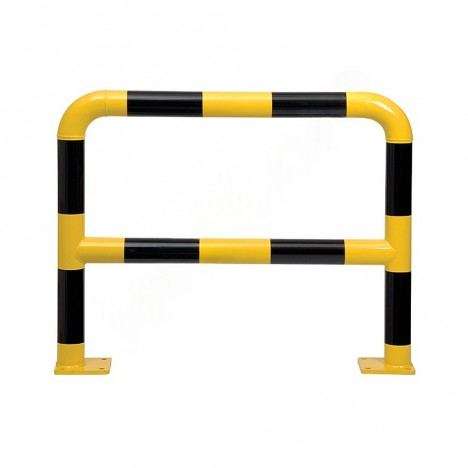
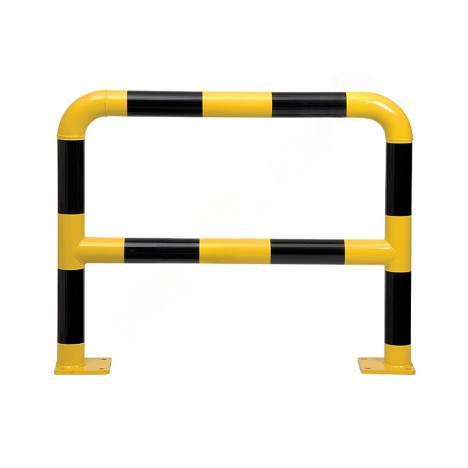
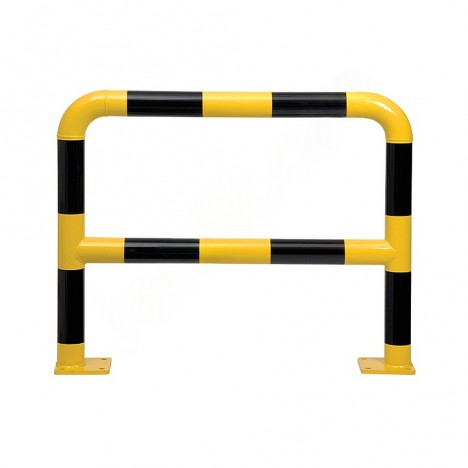
When choosing aTraffic BarriersArea demarcation barriers are commonly seen in two main forms: those ready to be deployed right away, and those with a body chamber designed to be filled with water for added weight. Both types can be used for sectioning areas, establishing perimeters, or managing traffic flows in certain applications. However, in practical use, the difference in weight affects stability, transportability, and the ease of reconfiguring perimeters much more than it appears on the surface.
Water-filled barriers have the advantage of being transported empty to reduce weight, and then filled with water once in position. The water inside adds mass to the barrier, making it much harder to displace compared to when it is empty. On the other hand, non-water-filled models require no time managing water, making them ideal for tasks that demand frequent lifting, moving, or repositioning.
However, the choice goes beyond simply wanting a heavy or light barrier. Each model has its own shape, base profile, interlocking system, and intended purpose. Especially when deployed near vehicular traffic, it is essential to distinguish between equipment intended merely for visual delineation and systems engineered to prevent or absorb direct impacts from vehicles.
How do water-filled barriers work?
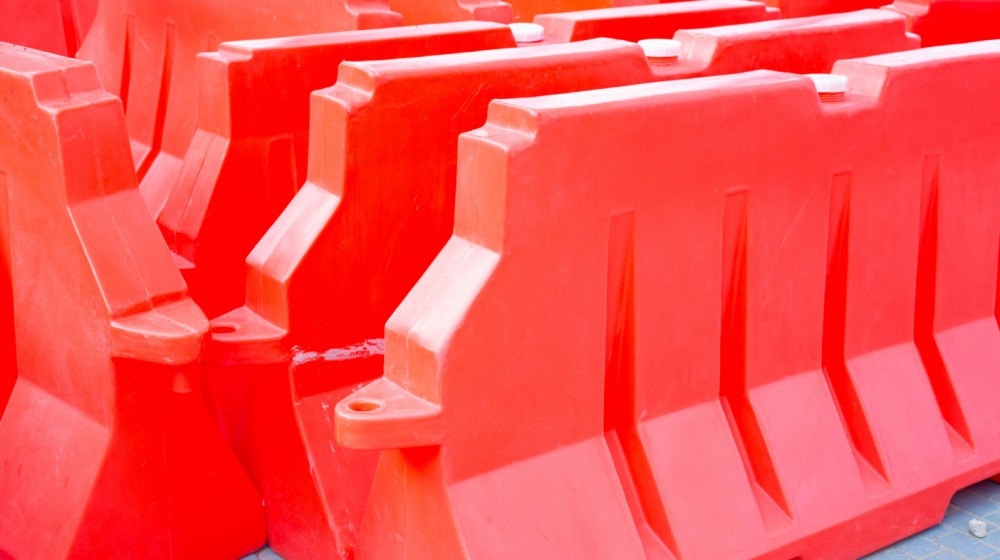
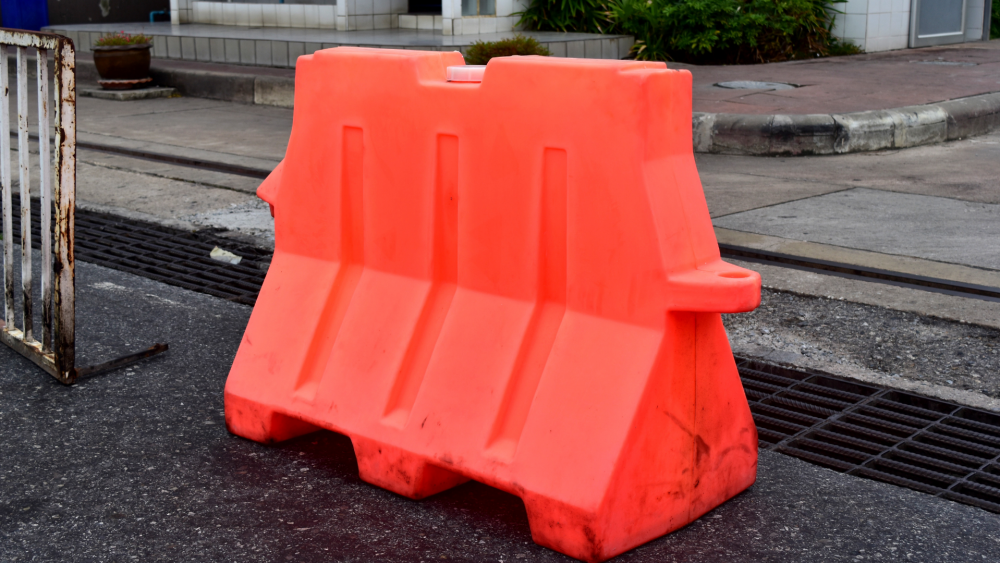
Water-filled barriers are typically manufactured with a hollow plastic structure, equipped with inlet ports for filling and drain outlets. Once delivered to the job site, they can be aligned and interlocked to form the desired perimeter before being filled with water according to product specifications.
When filled with water, the barrier's total weight increases, requiring significantly more force to dislodge it. This principle makes this type of barrier appealing for temporary installations, as there is no need to carry the full operational weight during transit.
Some outdoor models therefore use water ballast or water as a counterweight to help the barrier stay in place better, especially in windy or unstable weather conditions. However, stability does not depend on water alone; shape, base width, height, ground placement, and interlocking between units also play a role.
Non-water-filled does not mean unstable
On the other hand, the term non-water-filled barrier covers a wide variety of equipment, from plastic pedestrian barricades and base-supported barricades to barriers that rely on materials or structural weight to stand on their own. Therefore, you should not assume that every non-water-filled barrier is lighter or more prone to falling over.
The clear advantage of this group is convenience in use. They can be set up, moved, or stored without needing to find a water source or draining the water before transport. This makes them ideal for areas where the barrier line shifts frequently, such as indoor maintenance zones, events, temporary walkways, or areas that need to be opened and closed periodically.
Equipment stability must therefore be considered on a model-by-model basis. If a barrier has a wide base, a low center of gravity, or a well-designed base and connection system, it can be perfectly suited for its job without requiring water inside.
The key difference is stability versus mobility
Looking at practical use, the difference between the two types becomes most noticeable when they need to be moved.
Suppose you need to cordon off a machine repair area in a factory in the morning, and then in the afternoon move the barrier line to another point. If the barrier contains water, moving it will inevitably be more troublesome, and some models may require draining the water first according to specified operating procedures. In this situation, a barrier that is easy to lift and move may be more suitable. However, if the barrier line needs to remain in the same place for an extended period, especially outdoors, adding weight after installation can be beneficial because you do not have to sacrifice transport convenience for equipment that is extremely heavy from the start.
Therefore, you should not choose based on the mindset that "heavier is always better," because increased weight brings both advantages and limitations. What is suitable for a virtually stationary barrier line may not suit tasks that require changing locations multiple times a day.
For outdoor use, is the water-filled type always better?
Not always, but adding weight is a distinct advantage worth considering.
Outdoor areas face factors that are less common indoors, such as wind, uneven surfaces, accidental impacts, or pedestrian and equipment traffic near the barrier line. Manufacturers of certain outdoor barriers therefore design them to be water-fillable to add ballast, making the equipment heavier and harder to shift. However, if a barrier is tall, has a large wind-catching surface, is placed on an unsuitable surface, or if individual units are set up separately without an interlocking system, the result may differ. Thus, "water-fillable" does not guarantee that the equipment will remain stable under all conditions.
For outdoor use, you should consider shape, base, connection points, installed weight, and manufacturer specifications together, rather than merely checking whether it can be filled with water.
Connection points are just as important as weight
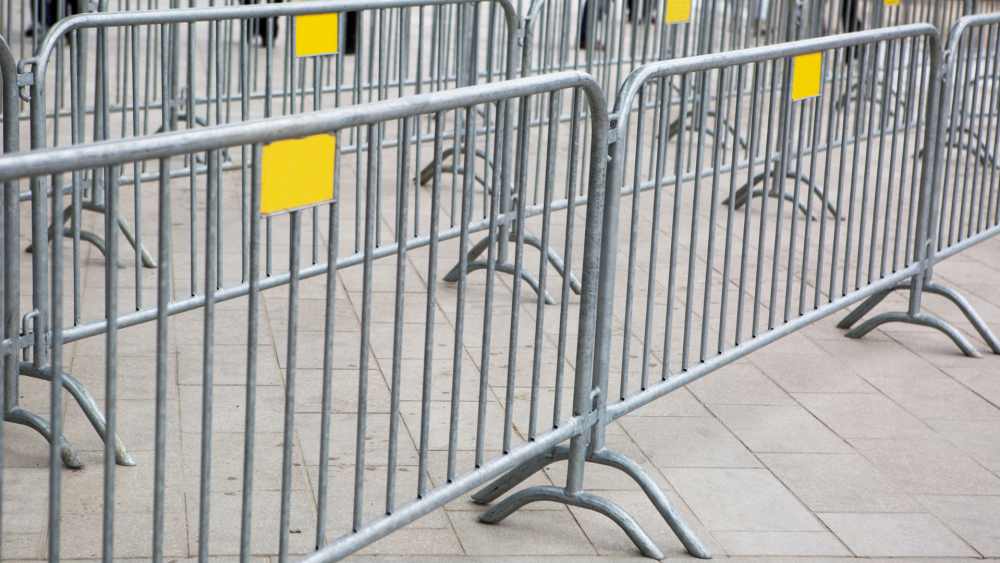
Barriers deployed in continuous runs rarely rely on the properties of individual units alone. Many systems are designed with lugs, pins, or interlocking mechanisms to connect components, enabling multiple barriers to work together as a continuous line. These connection points affect alignment retention and overall line configuration; some systems can even adjust angles between units to follow curves. This is an important detail to check when cordoning off long distances, rather than simply checking the length of a single barrier to calculate the number of units needed. Conversely, if the task requires opening the barrier line frequently, an overly tight or unnecessarily complex connection system may reduce flexibility. Selection should ultimately be based on the nature of the application.
How much water to fill: do not just guess
Each model of water-filled barrier differs in size, capacity, and structure, so there is no single figure stating whether every barrier should be filled halfway, three-quarters, or completely. The proper approach is to follow the volume and filling method specified by the manufacturer, as water level is part of the operational conditions for certain equipment systems, especially products designed or performance-tested under specific installation configurations. Filling less to make relocation easier or filling to the maximum thinking it will provide more stability should not be done based on guesswork. If instructions are not provided, check the manual or technical specifications for that model before use.
Can sand be used instead of water?
You should not substitute them without verifying the product information. Even though some equipment on the market supports more than one type of ballast, barriers designed for water filling do not automatically mean every model can switch to sand.
Water has the advantage of being relatively easy to fill and drain. Sand behaves and has a bulk density different from water, and it is also harder to remove through small drain holes. If the shell, caps, or internal structure are not designed for it, it can cause problems during moving or storage.
If the manufacturer specifies that both water and alternative ballast can be used, follow their recommendations. However, if it only states "Water-Filled" or provides specific water-filling instructions, adhere to those specifications rather than changing the material on your own.
Water-filled barriers do not necessarily mean crash barriers
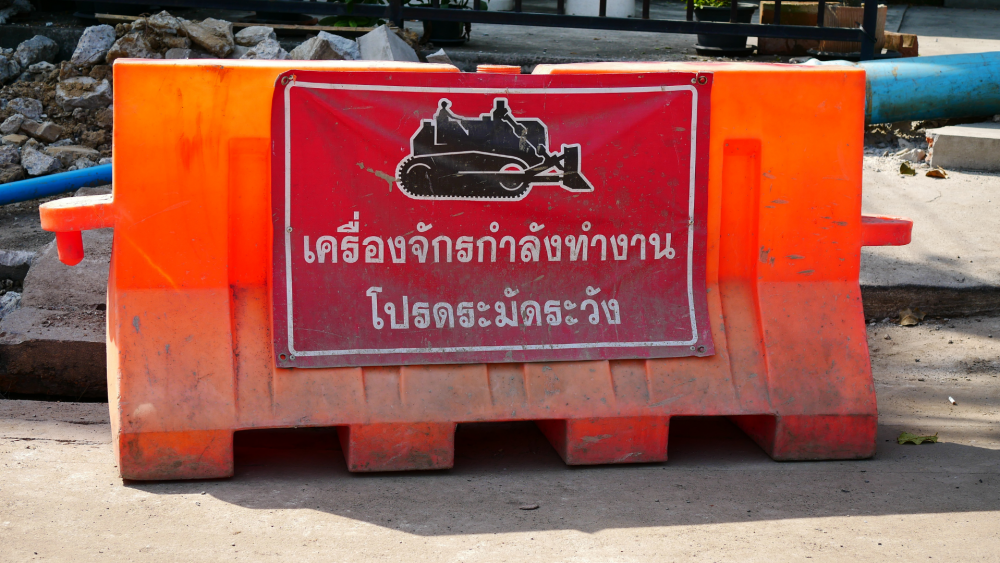
This is a distinction that must be clearly made. Large plastic barriers placed around construction areas or roadsides may look sturdy, and knowing they can be filled with water to gain significant weight easily leads to the assumption that they can stop oncoming vehicles.
In reality, devices that look similar may be designed for completely different functions. Some systems are Longitudinal Channelizing Devices designed to create a continuous line to guide traffic and delineate areas, while others may be designed as Longitudinal Barriers, which are protective systems engineered to contain and redirect impacts. Even if certain models pass road safety testing criteria, you still need to check what category of device they were tested as. Passing criteria as a channelizing device does not automatically turn it into a Positive Protection system used to prevent vehicle intrusion.
Therefore, if the purpose is merely to cordon off an area, guide traffic flow, or make the barrier line visible to drivers, the equipment selection belongs to one tier. But if the area behind must be protected from vehicles that might crash through, you must choose products or systems specifically designed and crash-tested for that function. Do not judge solely by whether the barrier is water-fillable.
Which type is suitable for jobs that require frequent relocation?
If you need to regularly open/close areas or move the barrier line, ease of transport should be prioritized. Examples include in-plant maintenance, temporary space organization, events, or points where pedestrian routes change periodically.
Barriers that are lightweight and ready for immediate deployment help reduce operational steps because there is no need to fill and drain water every time. However, ensure that the selected model provides sufficient stability for the site conditions and is not used beyond its intended design purpose.
Water-filled barriers, on the other hand, are better suited when they can remain in place for a reasonable period and require added weight after installation without having to transport heavy equipment throughout the entire route.
What to look for beyond "water-fillable" before choosing a barrier
Before making a decision, start with the actual application requirements rather than the product's appearance. Key details to consider include:
- Used for crowd control, area demarcation, or traffic channelization
- Used indoors or outdoors
- How often do you need to move or open the barricade line?
- Is the area windy or prone to impacts?
- Is the installation area flat, sloped, or in what condition?
- Do multiple barriers need to be connected into a long continuous line?
- What type of connection points are used between each unit?
- If it is a water-filled model, what are the manufacturer's specified capacity and filling instructions?
- Are reflective sheets, warning lights, or visibility-enhancing accessories required?
- If near traffic, does it only need to delineate lanes, or is an actual crash protection system required?
Once you know these answers, choosing between water-filled and non-water-filled models will be much easier, because you will be choosing based on actual function and environmental conditions, rather than just feeling that one looks sturdier than the other.
Choosing based on actual usage is better than just looking at the weight
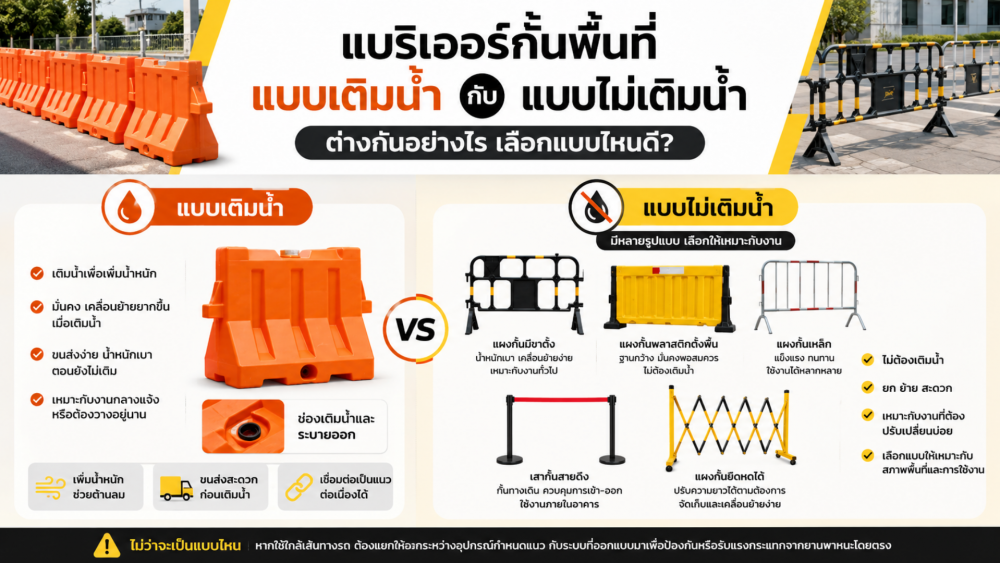
If it is a job that requires frequent lifting, moving, and repositioning, Traffic Barriers those that do not require managing water provide much greater flexibility, especially for general area demarcation that does not require heavy ballast. For outdoor installations or lines left in the same position for longer periods, water-filled barriers are an attractive option because they can be transported when lighter and then weighted down once on site.
What you should not do is choose a water-filled barrier simply assuming that "heavier means safer," because safety depends on the equipment's intended purpose, structural design, installation method, connection points, and the required level of protection for that specific application.
For general area division, consider stability along with convenience of use. However, if it is in an area with vehicle risks, you must clearly verify what application the equipment was designed and tested for, as barriers that look similar and can both be filled with water may serve vastly different safety functions.