


 EN
 ไทย


Customers Also Purchased
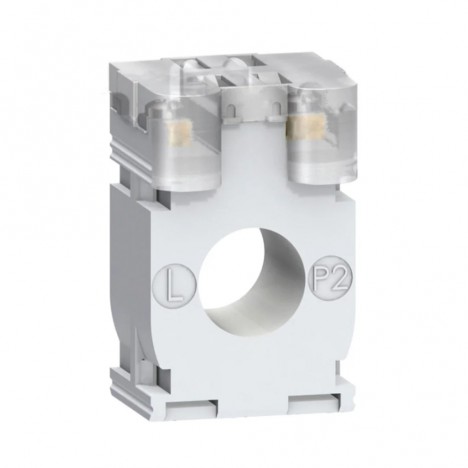
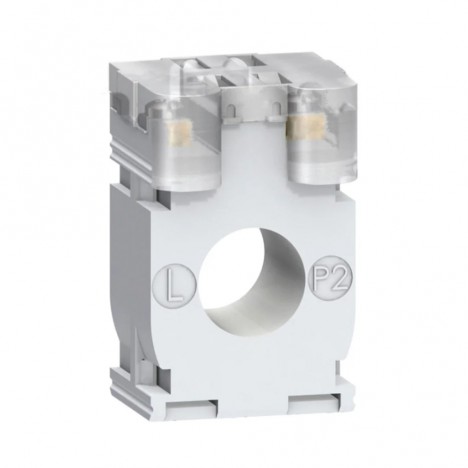
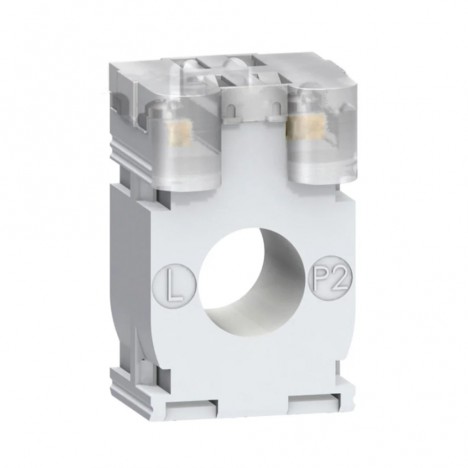

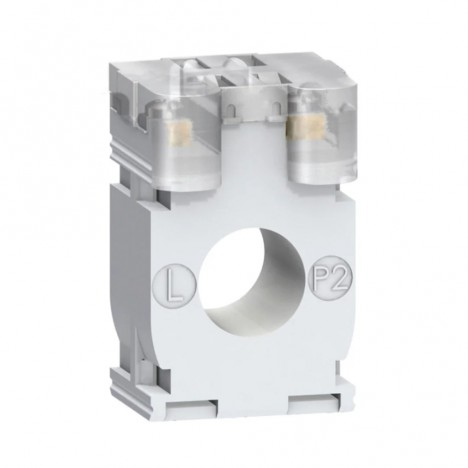
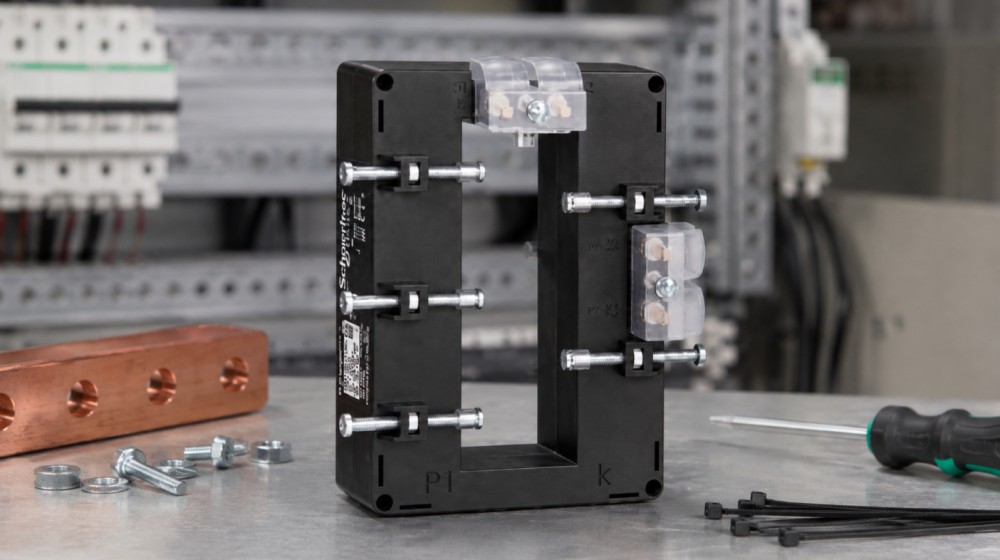
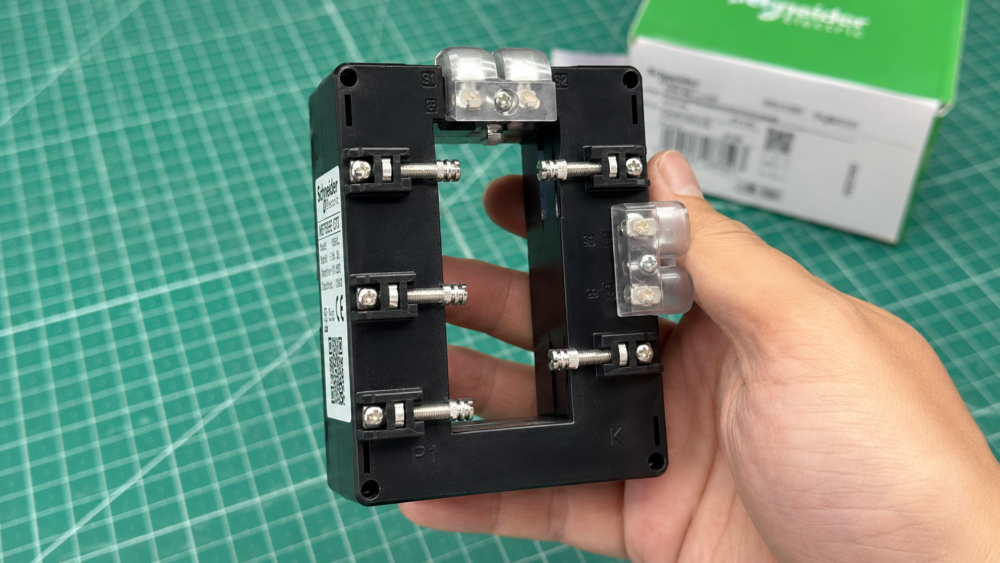
Current Transformers Also known as a Current Transformer (CT), it is a device used in electrical current measurement systems and protection circuits. Its primary function is to step down a high primary current to a secondary current level that meters or relays can utilize. Common examples include ratios such as 100/5A, 500/5A, or 1000/5A, meaning that when the primary current is at its rated value, the secondary current will match its specified rating, such as 5A, under manufacturer-specified operating conditions.
Although the secondary terminals of this device may look like ordinary small wiring terminals, there is a critical precaution: never open-circuit the secondary of a current-output CT while current is still flowing through the primary. Whether caused by removing a meter, loosening wires, or opening the circuit without proper system preparation, this condition can induce dangerously high voltages across the secondary terminals, posing hazards to personnel and potentially damaging equipment.
Why the secondary side must maintain a path for current to flow
The operating principle of a CT relies on the magnetic field within its core. A conductor or busbar passing through the center aperture acts as the primary, while internal windings act as the secondary, connected to meters, relays, or related measurement devices. When current flows through the primary, magnetomotive force is generated in the core, inducing current on the secondary side. The resulting secondary current generates a magnetic field opposing the primary's effect, maintaining the core's magnetic flux at a level suitable for normal operation.
For example, in a 500/5A CT, when the primary current is at its rated 500A, the secondary current is at its rated 5A. If the primary current changes, the secondary current shifts proportionally according to the specified ratio. Therefore, the secondary side does not merely provide a reading to the meter, but is an integral part of the CT's normal operational state.
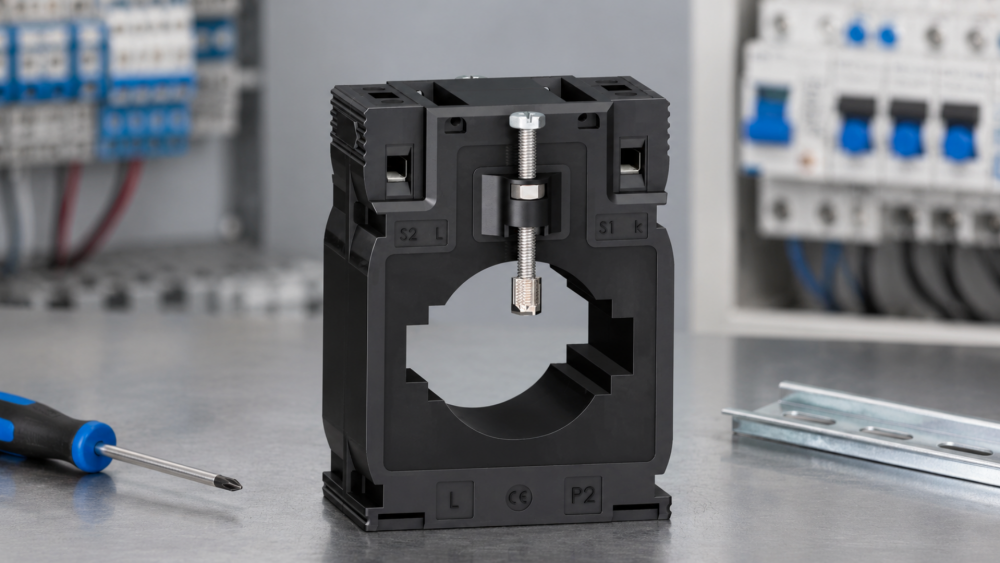
What happens if you disconnect the secondary wires while current is still flowing?
When the secondary circuit is opened, secondary current cannot flow, while the primary side continues to carry current and produce magnetomotive force. With no secondary current to oppose the magnetic effect from the primary, the magnetic flux in the core surges far beyond normal operating levels, inducing dangerously high voltage across the open secondary terminals.
This is precisely why disconnecting the secondary wires does not simply stop the meter from displaying readings; the resulting voltage can be high enough to endanger anyone working around the terminals and can also stress the insulation or internal components. CT manufacturers therefore provide clear warnings against open circuits for current-output devices.
A 5A secondary does not mean the voltage will always be low
Numbers like 100/5A or 1000/5A easily lead some people to misunderstand that when the secondary side is rated at only 5A, the circuit should not have high voltage. In reality, however, 5A is the rated secondary current, not a voltage limit.
During normal operation, the secondary side is connected to meters, relays, wiring, and other related equipment, all of which constitute the CT's burden. The device generates the voltage level necessary to drive the secondary current through these circuits according to its design. However, when the circuit is opened, the magnetic state within the core changes drastically, which can induce dangerously high voltages across the secondary terminals. Therefore, seeing "5A" on the nameplate does not mean the secondary terminals are a circuit that can be safely touched or disconnected while primary current is still flowing.
Damage Can Also Occur to Equipment
The most critical risk of opening the secondary circuit is the danger to personnel from the voltages that can develop across the terminals. However, the CT itself can also be affected by this abnormal condition. When core flux rises, core losses and heat can increase, and the internal insulation may experience much higher electrical stress than during normal operating conditions.
Another issue is residual magnetic flux in the core. After an open circuit occurs, some CTs may lose accuracy and may require demagnetization according to the manufacturer's recommendations. Therefore, if a secondary lead has ever come loose or been opened while the primary was energized, one should not simply check whether the meter displays numbers after reconnecting. Particularly for systems requiring measurement accuracy, the condition and accuracy of the system should be verified before returning it to service.
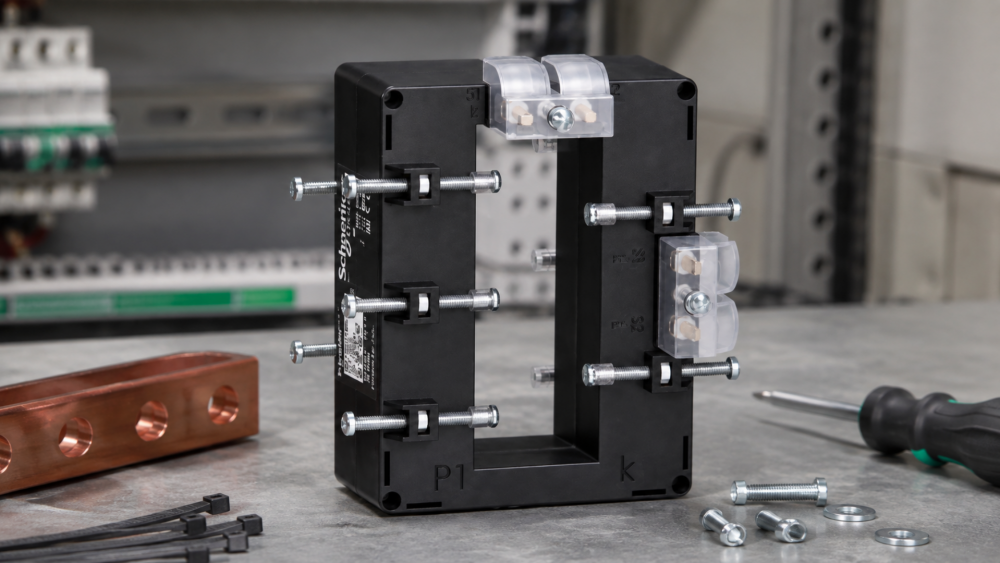
What Should You Do If You Need to Remove a Meter or Modify Wiring?
The safest method is to de-energize the primary circuit before starting work, following the safety procedures of the electrical system in use. However, in some metering systems designed to allow meter removal or maintenance of the metering circuit without disconnecting the main circuit, a shorting block or shorting terminal may be provided to maintain a path for the secondary current before opening the circuit to the meter or relay.
The key principle is that the secondary of a current-output CT must never be left open-circuited while the primary is energized. Shorting must be performed at designated locations using the equipment designed for the system, rather than by touching, twisting, or improvising wires. This is because the primary circuit may still be energized while work is underway, and any mistake can lead to severe hazards. This type of work should be performed by qualified electricians or trained personnel, strictly following the wiring diagram and the specific equipment manual.
Why Does Shorting the Secondary Work for This Type of Device?
In general electrical systems, the term "short circuit" usually refers to an abnormal condition that must be avoided. However, with current-output CTs, the principle is different. Because the secondary circuit is already designed to operate with a relatively low-impedance burden, shorting it with an appropriate shorting device maintains a continuous path for the secondary current and avoids the open-circuit condition that could generate high voltages.
The crucial point is that this approach applies to current-output CTs as specified by the manufacturer. It should not be applied automatically to all types of current measurement devices, as some devices have different output formats and internal circuits.
Not All Devices Called CTs Have the Same Type of Secondary
The precaution against opening the secondary applies directly to current-output CTs, such as models with a 1A or 5A rated secondary. Nowadays, however, there are also CTs or current sensors that output a voltage, such as 0.33V, which are designed differently from standard current CTs. Some models feature an internal burden resistor and do not require a shorting block, while other voltage-output devices may have different requirements.
Therefore, do not apply a blanket rule that "if it's a CT, the secondary must always be shorted." The correct practice is to check the specific model's details on its nameplate, datasheet, and manufacturer's manual first to see whether the secondary provides a current output or voltage output, and how the manufacturer specifies installation and maintenance.
Similarly, some multi-tap CT models have multiple secondary terminals for selecting the ratio based on the application. Once the desired tap is selected and the burden is connected as specified by the manufacturer, unused terminals may need to be left open according to the manual for that model. You should never short all unused terminals without checking the technical documentation first.
Small Terminals Do Not Mean General Signal Wiring
Secondary terminals are typically small compared to main conductors or busbars, making them appear less dangerous than the primary side. However, as long as current flows through the primary circuit, the CT remains in an operating state. Loosening terminals, removing meters, or modifying secondary wiring should never be treated like disconnecting standard signal wiring, because opening the circuit while the primary is energized can generate high voltages across the terminals.
The rule to remember is simple yet vital: a current-output CT must never have its secondary left open-circuited while current is flowing through the primary. If you must remove a meter or modify the circuit, de-energize the primary first or use a shorting device as specified by the system design and the manufacturer.
This precaution concerns personnel safety, equipment integrity, and measurement system accuracy. Always refer to the manual for the specific model during installation or maintenance, and ensure the work is performed by qualified personnel—especially when the primary circuit remains energized.