


 EN
 ไทย


Customers Also Purchased




When buying a chemical respirator, many people often look at the facepiece first—whether it fits comfortably, seals well, is half-face or full-face, and fits their budget. But after using it for a while, the recurring purchase becomes the chemical filter cartridges, raising the question: "If the original brand of filter cartridges is out of stock, can I use another brand instead?" Sometimes other brands are cheaper, easier to find, or look similar enough in size to plug or twist onto the chemical respirator. If it fits, shouldn't it be interchangeable?
The answer is: you should not interchange filter cartridges of different brands unless the manufacturer explicitly specifies that they are compatible. Chemical respirators are not designed with facepieces and filter cartridges meant to be chosen completely independently; in respiratory protection systems, both parts function as a single "unit" or system.
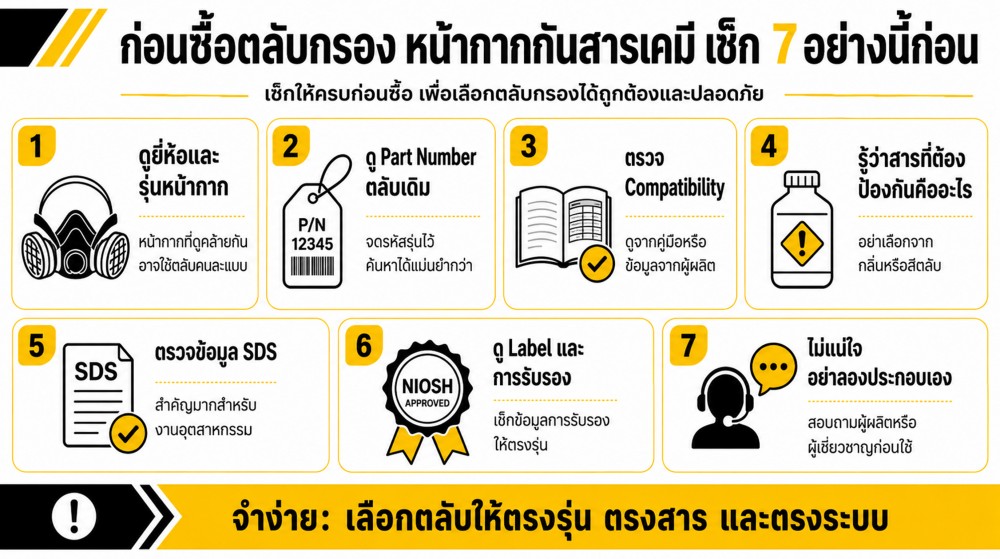
Therefore, the more important question than "Can it fit?" should be: Safety Masks "Is this model designed and certified to be used with this cartridge model?" These two questions sound similar, but in terms of safety, their meanings are very different.
A chemical respirator does not protect through the facepiece alone.
Before addressing cross-brand cartridges, it is essential to understand how a chemical respirator works. The primary function of a reusable respirator is to create a sealed space around the nose, mouth, or entire face, forcing inhaled air to pass through the filter assembly first.
Protection against contaminants does not come from a single component, but from multiple parts working together: the facepiece, face seal, inhalation/exhalation valves, connectors, and cartridges/filters. If any single part fails to perform as designed, the efficiency of the entire system can drop.
Imagine a very sturdy door, but its edges do not seal tightly; no matter how strong the door itself is, air can still leak through the gaps. The same applies to chemical respirators. Even if you choose the correct type of cartridge, if the connection between the cartridge and the mask is not airtight or the seal does not function as intended, some air may take the path of least resistance instead of passing through the filtering medium. This is why simply checking whether "the cartridge clicks in" is not enough to conclude that they can be used together safely.
"Fits" does not mean "compatible"
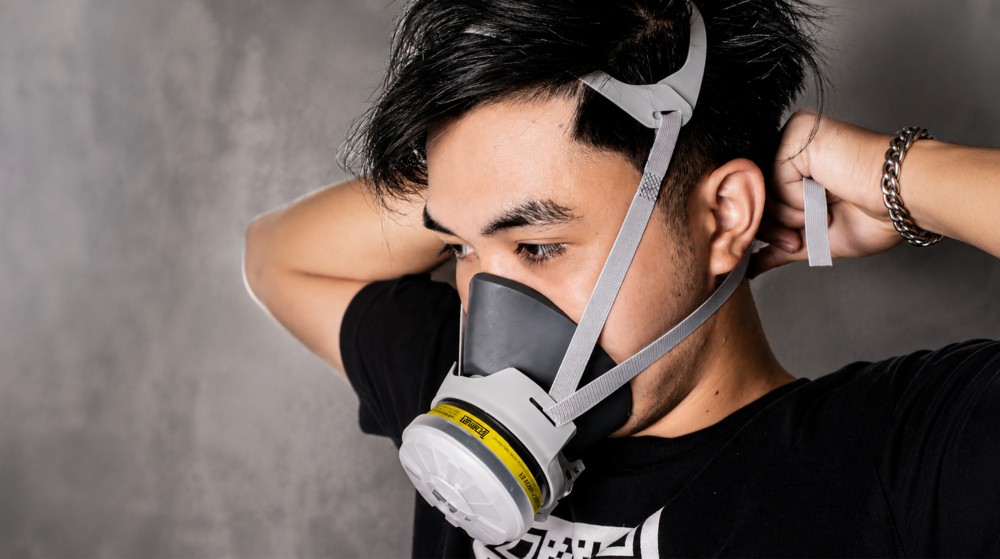
This might be the most critical misconception: different cartridge brands feature different connection systems, ranging from bayonet and threaded fittings to proprietary locking mechanisms. Sometimes, cartridges from different brands may have similar shapes, allowing them to seat together or twist partially, appearing as if they have locked into place.
However, being "mechanically locked" does not mean the seal, connection depth, contact surface clearance, seal compression, airflow, and overall system performance meet the manufacturer's engineered specifications.
NIOSH, the agency that evaluates and certifies respiratory protection equipment in the United States, clearly states that an approved respirator is evaluated as an "entire assembly," not piece by piece. If parts outside the approved configuration are mixed, the resulting new system is no longer the originally certified configuration.
Therefore, even if a cartridge appears to fit the mask, what remains unknown is whether the entire assembly performs as originally tested. This is something that should never be left to guesswork.
Why don't manufacturers standardize all cartridges to a single specification?
From a user perspective, it might seem much more convenient if all chemical respirator brands used the same cartridge type. In reality, each respirator system is engineered differently. Each manufacturer designs its own connector shape, airflow aperture dimensions, sealing system, cartridge positioning, weight, weight distribution, breathing resistance, and accessories.
For example, 3M cartridges are specified for use only with certain chemical respirator series, such as the 6000, 6500, and 7500 series and other designated models; not every bayonet cartridge that looks similar is interchangeable. Likewise, Honeywell specifies that its N-Series cartridges and filters are designed to fit only designated North respirators within its own system. The key point is not about which brand is better, but that each manufacturer designs the chemical respirator and cartridges to function together as a unified system.
Even within the same brand, it does not mean every item is universally compatible.
Another overlooked aspect: once told not to mix different brands, some might assume that "if they are the same brand, anything goes," which is not always true. A single manufacturer can produce multiple chemical respirator series and diverse cartridge systems; one series may use one connection type while another series uses a different one. Therefore, when choosing a cartridge, do not look only at the brand logo—check at least the respirator model + cartridge model + manufacturer's guidelines.
NIOSH states that even if components are made by the same manufacturer, if they have not been evaluated as part of an approved configuration, they should not automatically be considered an approved assembly. Simple rule of thumb: "Same brand" is only the starting point for verification, not a guarantee of compatibility.
Can I use an adapter to cross-brand filter cartridges?
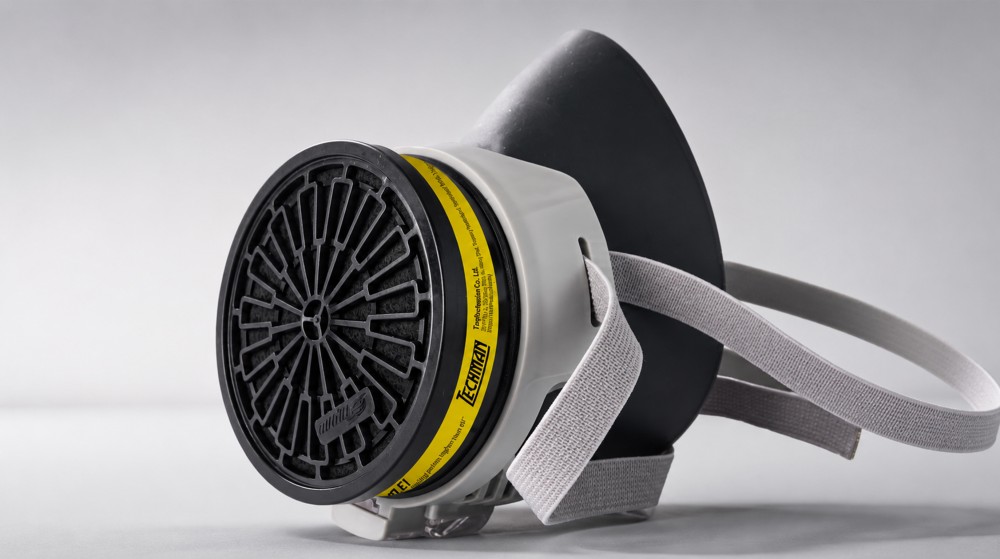
Nowadays, there are adapters for almost everything, including those claiming to adapt one respirator system to fit cartridges from another. From a DIY perspective, this might seem very convenient, but for chemical respirators, extra caution is required.
If that adapter is not specified by the system manufacturer as part of a tested or certified configuration, adding it means introducing a new component into the breathing path. This raises several questions, such as whether both connection points seal tightly, whether the material resists chemical exposure, if breathing resistance changes, and whether the system still retains its original certification.
NIOSH clearly states that when components not listed on the Approval Label are mixed or added, the system is no longer within its originally certified configuration.
Therefore, for tasks that strictly require respiratory protection, do not consider an adapter that merely "fits" as proof that it is "safe to use." Always verify information with the respirator manufacturer first.
Select Safety Masks to suit the application