


 EN
 ไทย


Customers Also Purchased
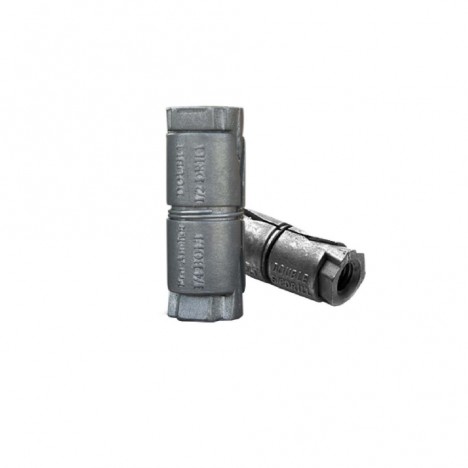
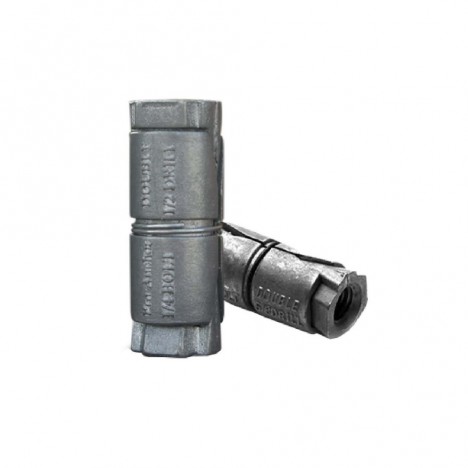
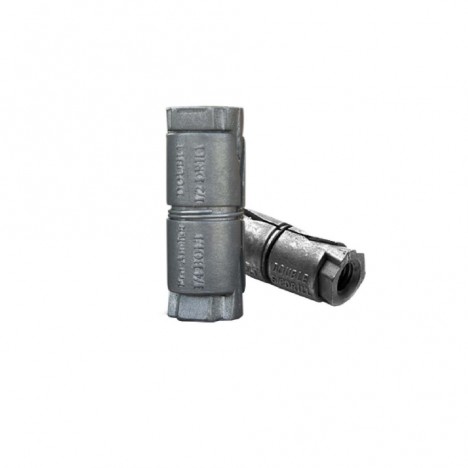
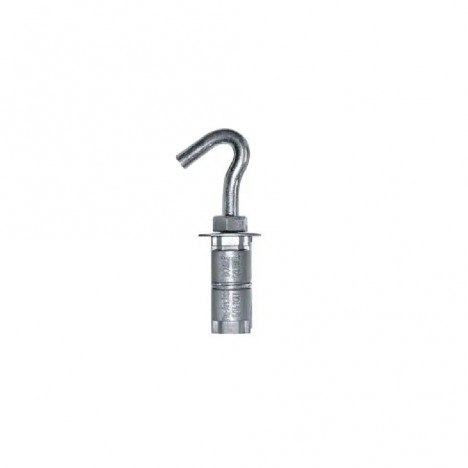
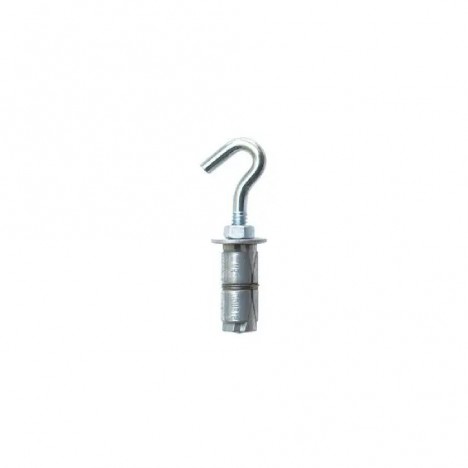
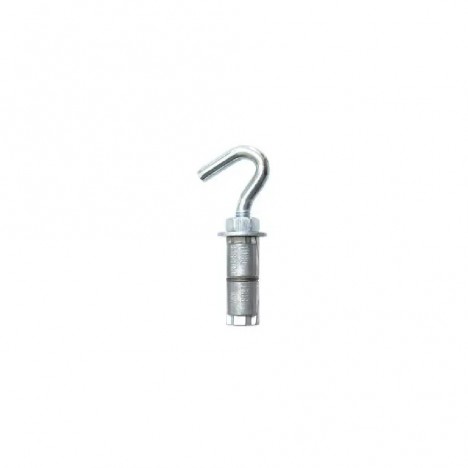
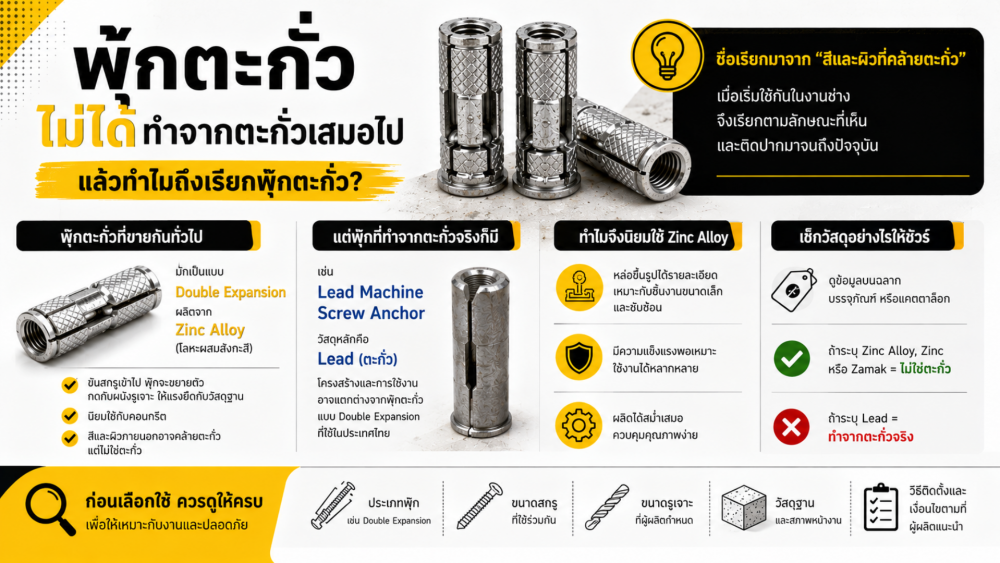
Name "Lead anchor" By name, it sounds like an anchor made strictly of lead. However, looking at the product specifications sold today—especially the Double Expansion anchors commonly found in hardware stores—you'll see that many models list the material as Zinc Alloy, not lead as the name suggests. This is an interesting point: "lead anchor" is a familiar name used in our local market, but it doesn't straightforwardly reflect the actual material of every product.
To choose the right anchor for your application, relying solely on the name may not be enough, because anchors that look similar may differ in material, structure, thread size, and hole size. What you should check further is the type of anchor, what material it's made from, what screw size it pairs with, and the manufacturer's specified installation instructions.
What are commonly sold lead anchors made of?
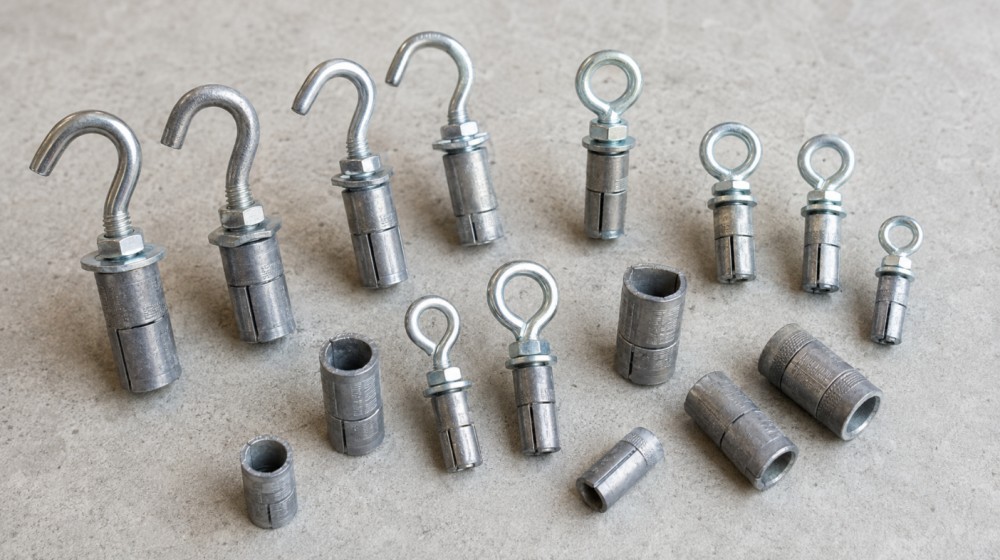
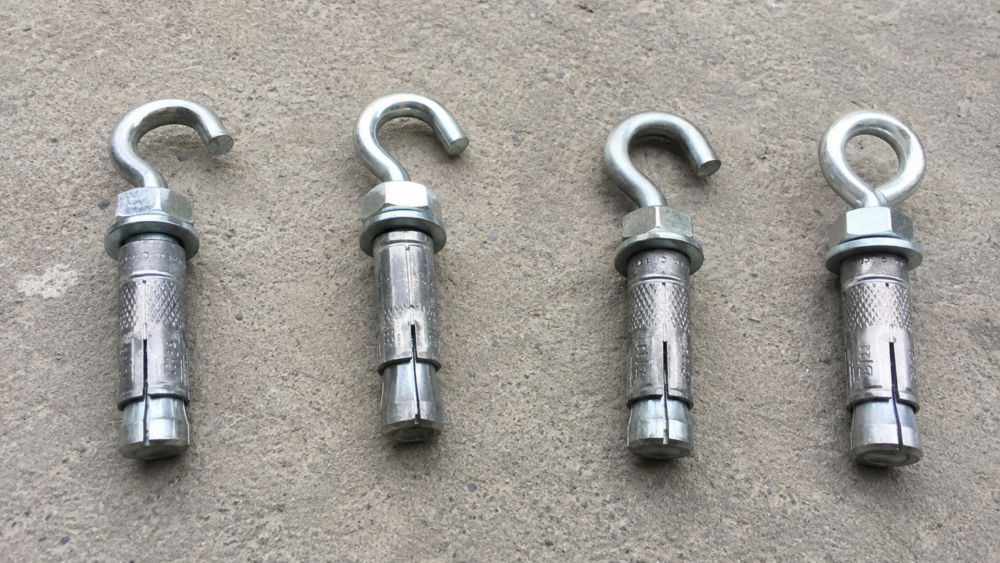
Many of the lead anchors found in the Thai market are Double Expansion anchors. The characteristic of this anchor is that when a screw is tightened into it, the anchor gradually expands to press against the inner wall of the drilled hole, creating holding force with the base material such as concrete. Some manufacturers in Thailand specify that this type of anchor is made of Zinc Alloy and formed through a metal casting process, which is ideal for producing small parts with relatively complex shapes requiring high consistency.
Therefore, just because you see an anchor with a silvery-gray or matte metal finish doesn't definitively mean it's made of lead, as zinc alloys can have a similar color and appearance. A more reliable method is to check the material specifications from the manufacturer. If it states Zinc Alloy, Zinc, or Zamak, it means the primary material belongs to the zinc alloy family, not lead.
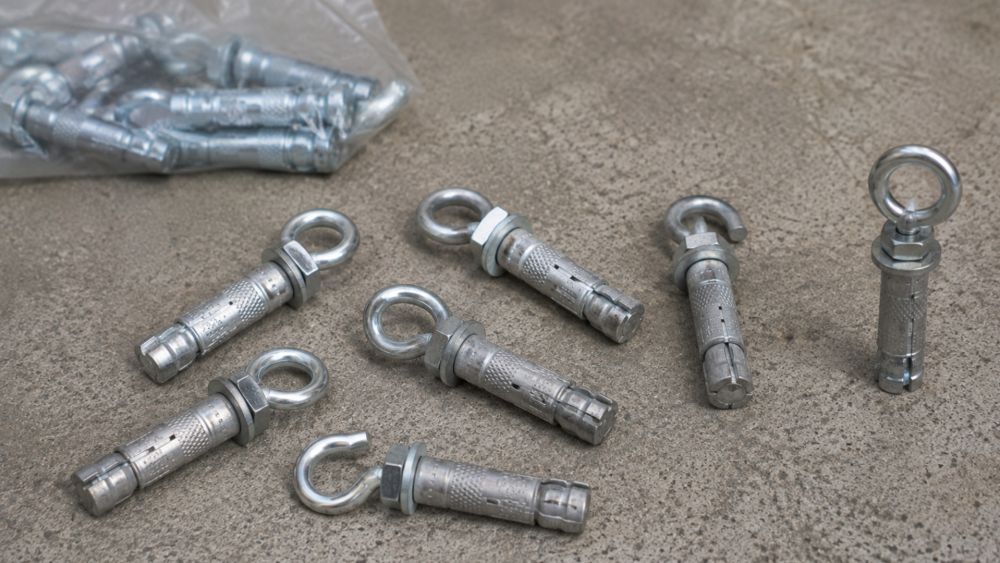
Then why is it called a "lead anchor"?
One explanation from manufacturers in Thailand is that the name "lead anchor" likely came from its appearance, having a color and surface texture similar to lead. When it was first introduced to trade work, tradespeople called it by its visual appearance, and the name stuck to this day. However, this should be viewed as an explanation used colloquially in the Thai market and trade circles, rather than an official standard name or a historically verified origin across all sources.
The naming of many hardware tools follows a similar pattern: it starts with the material, appearance, or user familiarity, and continues to be used even after later-generation products change their materials or specifications—the original name remains. Thus, today we can still walk into a store and ask for a "lead anchor" as usual, even though the anchor we receive may actually be made of Zinc Alloy.
What does "Double Expansion" tell you about this anchor?
The term "Double Expansion" tells you much more about how the anchor works than "lead anchor," because it refers to the anchor's expansion mechanism when a screw is driven in rather than its material. When tightening the screw, the anchor expands and presses against the hole wall, creating holding force against the base material. This mechanism is why this type of anchor is used in various installations on solid surfaces like concrete.
However, different brands may design their internal details differently. Knowing that it's a Double Expansion anchor alone is not enough to determine its load capacity or whether it can be used interchangeably. In practice, you should consult the specific model's specifications directly, including anchor size, screw size, hole diameter, and the manufacturer's specified installation conditions.
However, anchors made of actual lead do exist
This is a point where one should not generalize that "lead anchors are never made of lead," because in overseas markets, there are still certain types of anchors genuinely made of lead, such as the Lead Machine Screw Anchor, where some manufacturers explicitly specify the material as Lead. These types of anchors do not necessarily share the same structure as the Double Expansion lead anchors used locally in our country. Therefore, the name "lead anchor" should not be used to conclude that all such products must be made from the same material.
For imported goods or unfamiliar anchors, the most reliable method is to check the material specifications for that model from the manufacturer. Naming conventions can vary across different countries or markets, and sometimes commercial trade names only describe the product broadly without detailing its exact material composition.
Why is Zinc Alloy used in this type of anchor?
Zinc Alloy is well-suited for casting parts with intricate details and complex geometries, making it commonly used across various small metal hardware items, including certain expansion anchor models. However, the term "Zinc Alloy" is itself a broad name covering various alloy formulations. This does not mean that every product labeled as Zinc Alloy will have identical strength or properties, as performance also depends on the composition, design, and manufacturing process of each manufacturer.
Therefore, the fact that two anchor models are both made of Zinc Alloy does not mean they have the same load capacity. Holding power also depends on the anchor size, embedment depth, base material, hole condition, and installation method. For heavy-load applications or those involving safety, you should directly refer to the manufacturer's tested and specified ratings for that specific model, rather than relying solely on the material or exterior dimensions.
They are both called lead anchors, but are they completely interchangeable?
Even if they look similar, different anchor models can vary in thread size, anchor length, expansion mechanism, drill hole size, and manufacturing materials. A common point of confusion is that the anchor size and drill bit size do not have to be the same number. The number used to designate an anchor may refer to the screw or thread size, while the drilled hole must be based on the anchor's outer diameter and the manufacturer's specifications for that model.
If the drilled hole is too large, the anchor may not expand fully against the hole wall, leading to insecure fastening. Conversely, a hole that is too small may prevent the anchor from being inserted or cause damage during installation. Therefore, always check the drill bit size specified by the manufacturer before drilling; do not estimate the anchor size visually or choose a drill bit based solely on the number on the anchor.
If you are holding an anchor, can you tell whether it is made of lead or Zinc Alloy?
It is quite difficult to tell with the naked eye alone, as many metals share a similar silvery-gray color, and the surface finish can vary depending on manufacturing processes, coatings, or storage conditions. Squeezing, scratching, or filing the anchor to gauge metal softness is not an accurate method and should not be done unnecessarily—especially if you do not know for sure whether the material contains lead.
A better approach is to check the label, packaging, catalog, or manufacturer's data. If it specifies Zinc Alloy or Zamak, you will know that the anchor body does not use lead as its primary material. Only if it explicitly states Lead should it be considered an anchor made of lead according to manufacturer data. This method is more direct and eliminates the need to distinguish metal types by appearance, which is challenging anyway.
The name "lead anchor" should not be used to judge the material alone
The story of Double Expansion Anchor This clearly illustrates that trade names used in hardware and construction do not always match a product's actual material. Many Double Expansion anchors sold in Thailand are made from Zinc Alloy, despite colloquially still being called lead anchors. At the same time, certain anchors overseas are still made of genuine lead. Therefore, one should not rely solely on the name to assume that all products are made from the same material.
When selecting an anchor, consider the term "lead anchor" merely as a broad product name. Then, look further into what type of anchor it is, what material is used, what screw size is required, and whether you need to drill a hole according to the manufacturer's specified dimensions. Checking these details will help you choose the right anchor for the job and avoid common issues like the anchor spinning with the screw, incomplete expansion, or loose anchoring right from installation.