


 EN
 ไทย


Customers Also Purchased
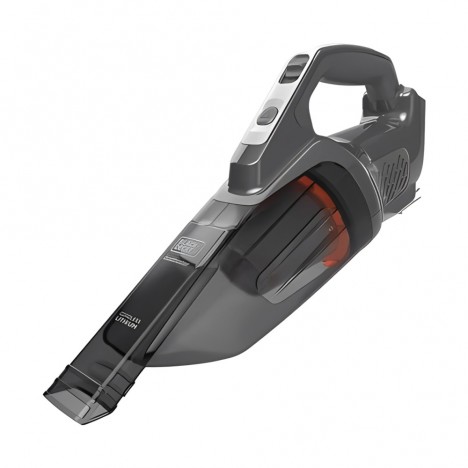
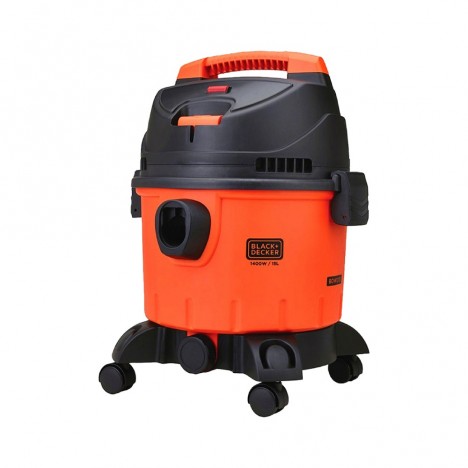
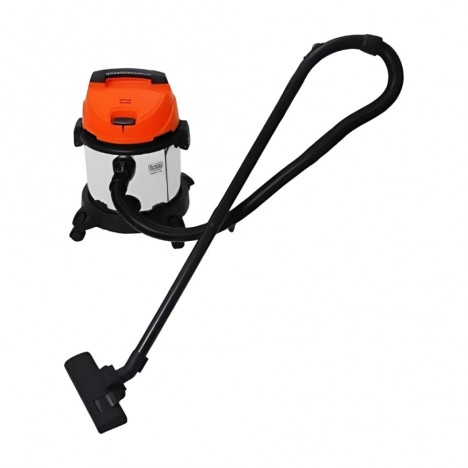


Vacuum Cleaners A vacuum cleaner that used to work normally but starts emitting a musty, dusty, or unpleasant smell when turned on after some time is a fairly common issue. This is especially true for machines used to vacuum dust, hair, pet fur, food crumbs, and dirt from various areas around the house. The odor does not always mean the machine is broken, as the source is usually located along the pathways where dirt passes through and accumulates regularly—ranging from the dust canister or bag, filters, nozzles, brush rollers, to the hoses and internal airways.
When troubleshooting the cause, there is no need to immediately suspect the motor. What you should do is systematically check from the easiest-to-maintain areas most prone to dirt buildup first. If the root cause is merely accumulated dust, moisture, or trapped debris, cleaning the right spot often resolves the smell without having to disassemble or unnecessarily repair the machine.
First, try to identify what kind of smell it is
Vacuum cleaner odors are not all the same, and the type of smell can help guide you on where to start inspecting. If it is a dusty or stagnant, foul smell, you should usually start by checking the dust canister, dust bag, nozzle, or hoses where dirt might be trapped. For a musty or damp smell, moisture should be your top suspect—such as a filter that was recently washed but is not completely dry, or damp debris that was vacuumed up and remained trapped in the system.
However, if it smells like burning plastic, excessive heat, or an unusual electrical odor, it should be treated differently from general dust odors. In such cases, you should not keep running the machine to see if the smell goes away on its own. Stop using it immediately, then inspect according to the manufacturer's guidelines or have a service center check it if the smell persists. Identifying the type of odor from the start saves time from washing every part at once and reduces the risk of continued operation when the smell involves heat or internal electrical components.
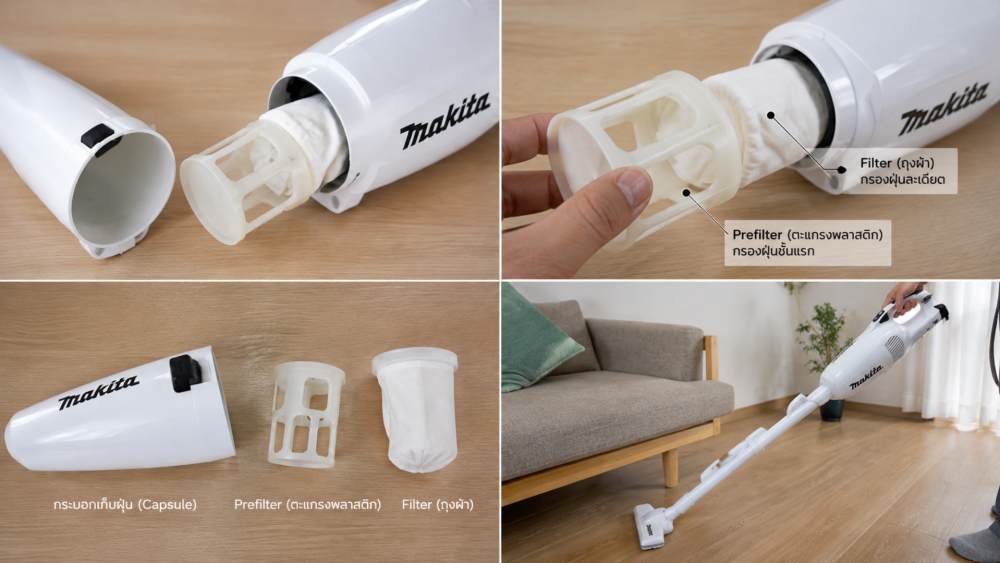
Dustbin or dust bag is the first place to check
The dustbin or dust bag serves as the destination for everything the machine suctions in. It contains not only fine dust, but also hair, pet fur, soil debris, scraps of paper, and sometimes small food remnants mixed in. If the vacuum is used around dining tables, kitchens, sofas, or pet areas, the debris entering the machine becomes even more diverse, and some types can generate odors much faster than typical dry dust.
Even if the bin is not full yet, it does not mean the contents inside are odorless. If debris has been sitting for several days, especially with moisture or strong odors mixed in, turning on the machine will cause the airflow passing through this area to carry the smells out at the same time. This creates the feeling that the vacuum is blowing old odors back into the room, even though you have just started cleaning.
Bagged vacuum cleaners follow a similar principle. A bag that still has remaining capacity does not necessarily mean it must be used until completely full every time. If a noticeable smell starts to develop, or if a lot of smelly debris was vacuumed up, replacing it with a new bag may be better than waiting for it to fill up normally. For bagless models with a dustbin, empty the dust as appropriate, especially after vacuuming pet hair, food scraps, or areas that might have moisture, without always needing to wait until it reaches the max line.
A clean-looking filter doesn't mean it's truly clean
After addressing the dustbin or dust bag, if the smell persists, the filter is another spot to check. A significant amount of fine dust is trapped in this area, and some may be embedded within the material fibers where it is not clearly visible from the outside. With continuous use, dust and debris accumulated on the filter can become a source of odor, especially when moisture is involved.
In addition, a heavily soiled filter can restrict airflow, preventing the machine from operating at full efficiency in some cases. However, before washing the filter, make sure that the filter for that specific model is indeed washable. Filters vary across vacuum cleaner models: some are washable, some must be cleaned using alternative methods, and some should be replaced according to the manufacturer's specified cycle.
Therefore, the assumption that "if a filter is dirty, it can be washed with water" should not be applied to every machine. A safer approach is to always check the manual for that specific model first. Washing filter materials not designed for water exposure can reduce filtration efficiency or deform the material so it no longer functions as intended.
Reinstalling a washed filter too quickly can make musty odors even worse
This issue is commonly seen right after cleaning the machine. Some filter types appear dry quickly on the outside, but moisture may still linger deep inside the material fibers. Reassembling it too quickly traps that moisture inside a system that still contains residual dust, easily leading to musty or damp odors.
For this reason, washable filters specified by the manufacturer should be allowed to dry completely following the recommended methods and drying time. Do not rely solely on the outer surface feeling dry to the touch. Another thing to avoid is using intense heat to speed up drying, such as blowing hot air or placing it near heat sources, unless the model's manual explicitly states it is safe, as high heat can damage filter materials or warp components.
If the machine begins emitting a musty odor immediately after washing and reinstalling the filter, check for residual moisture first. Often, the root cause is not an accumulation of dust, but rather components that have not dried completely.
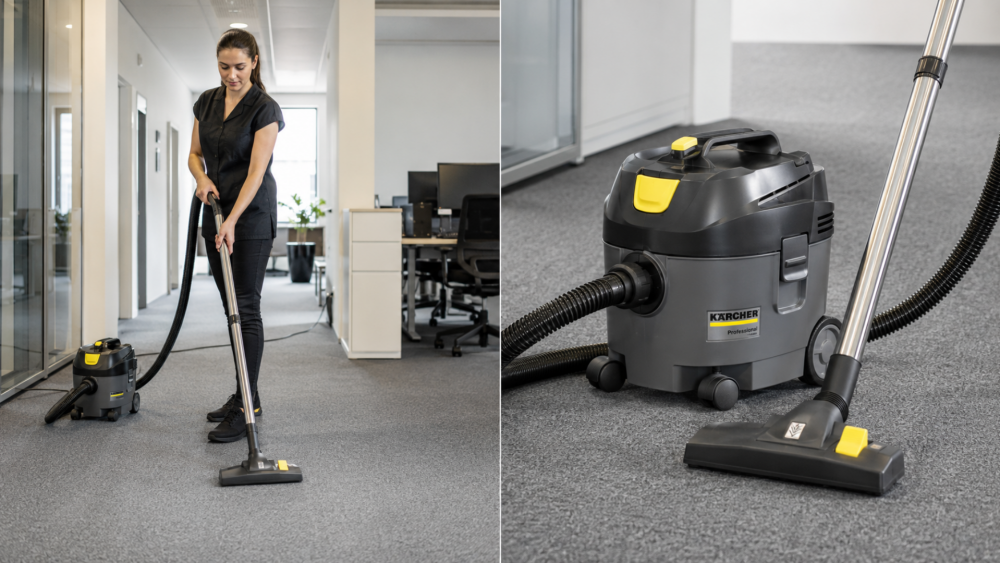
Homes with pets need to look beyond just the dustbin
Pet hair does not always make it entirely into the dustbin. Many strands often wrap around the rollers, brushes, and rotating shafts of the cleaner head, particularly on models using motorized brush heads for carpets, sofas, or fibrous surfaces. Over time, this area becomes a hotspot where pet hair, dust, and fine debris accumulate in greater amounts than visible from the exterior.
If the vacuumed hair or debris contains moisture, that dampness can be carried into the system, promoting musty odors. Homes with pets should inspect the cleaner head and brush roller more frequently, rather than waiting until suction drops or the brush gets stuck before cleaning. Periodically removing hair tangled around the axle helps reduce grime buildup and keeps the cleaner head operating smoothly.
Cleaner heads and rollers are frequently overlooked spots
The cleaner head comes into contact with the dirtiest areas of the home during almost every use, yet it is often cleaned far less frequently than the dustbin. Flipping the cleaner head over may reveal hair, pet fur, threads, and accumulated dust trapped in the grooves or tangled around the roller, especially near the pivot axle and along the edges that are hard to see from above.
If food scraps or odorous debris are trapped in this area, the smell can be carried into the airflow even if the dustbin was just emptied. Therefore, when the vacuum smells and emptying the bin does not solve it, inspect the cleaner head, bottom grooves, and roller right away. Always disassemble components according to the model's manual, as some brush rollers detach easily while others feature specific latches or mechanisms that should not be forced open.
Vacuum wands and connectors can also trap dirt
When the bin is clean, the filter is sorted, and the cleaner head is clear, but the odor still lingers, the next areas to inspect are the wand, elbows, and various connectors. Certain types of debris can get stuck in locations hidden from view, such as paper scraps, pet hair, or clumped dust, especially along curves or narrow sections of the pipe.
If an odor occurs along with a noticeable drop in suction power, it is even more important to check for clogs. Debris trapped in the hose not only causes odors, but also restricts airflow. Before removing the hose or any components, turn off the machine, unplug it, or remove the battery according to the machine's model. Do not use sharp objects to forcefully probe inside the hose, as this may puncture the hose or damage internal parts.
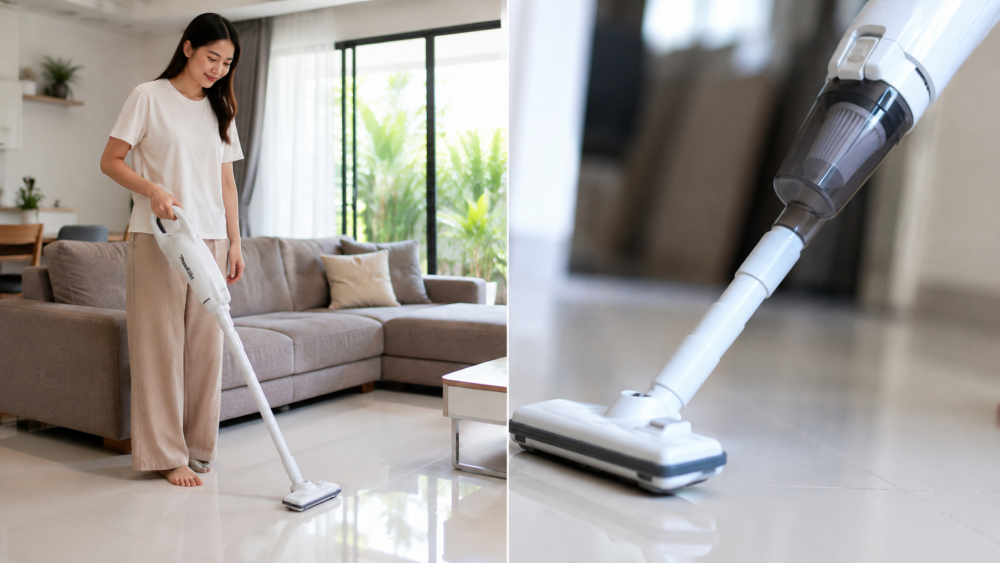
Why does the odor return even after washing the dust bin?
Sometimes the source of the odor is not in a single place. Washing only the dust bin might reduce the smell, but may not eliminate it completely. For example, moist dirt previously accumulated in the bin may have transferred its odor to the filter, or debris might have escaped and gotten stuck inside the nozzle or hose. When only one section is cleaned, the odor from other parts is still carried out when the machine is turned on.
Another case occurs when multiple parts are cleaned, but are reassembled too quickly before some components have dried completely. As a result, the smell seems to disappear at first, only to return after a few uses. If this happens, systematically inspect the dust bin or dust bag, filter, nozzle, roller brush, hose, connectors, and newly washed parts to see if any spot remains damp or retains leftover debris. Checking section by section makes it easier to find the root cause rather than disassembling and washing everything every single time.
Can you put perfume, fragrance powder, or baking soda into the vacuum?
When a vacuum smells, many people might think of adding perfume, deodorizing powder, or sprinkling baking soda into the dust bin to mask the odor. However, this approach should not be applied universally to all machines, as fine powders can be drawn in and clog filters or airflow passages, while certain liquids or fragrances may not be compatible with the machine's internal materials.
If the manufacturer provides products or odor-control systems designed specifically for that model, they should be used according to the manufacturer's recommendations. However, if the manual does not specify that anything can be added to the dust bin or filter, the safer approach is to eliminate the root cause directly—such as removing debris, cleaning washable parts, and letting them dry completely—rather than trying to mask the old odor with a new fragrance.
If it smells like burning, do not treat it like a musty odor
Dusty odors, accumulated grime, or musty smells can generally be inspected and handled by the user. However, if turning on the machine emits an odor resembling burning plastic, abnormal heat, or an unprecedented electrical burning smell, stop using it immediately. Do not keep running it to see if the smell goes away on its own, as this symptom is fundamentally different from common dust or moisture issues.
After turning off the machine and disconnecting the power source, inspect only the parts that the manufacturer allows users to maintain, such as checking the nozzle for tangled hair or debris, or inspecting airflow paths for clogs. If the initial check reveals nothing and the odor persists upon restarting, have an authorized service center or a qualified technician inspect it rather than dismantling the motor or internal electrical systems yourself.
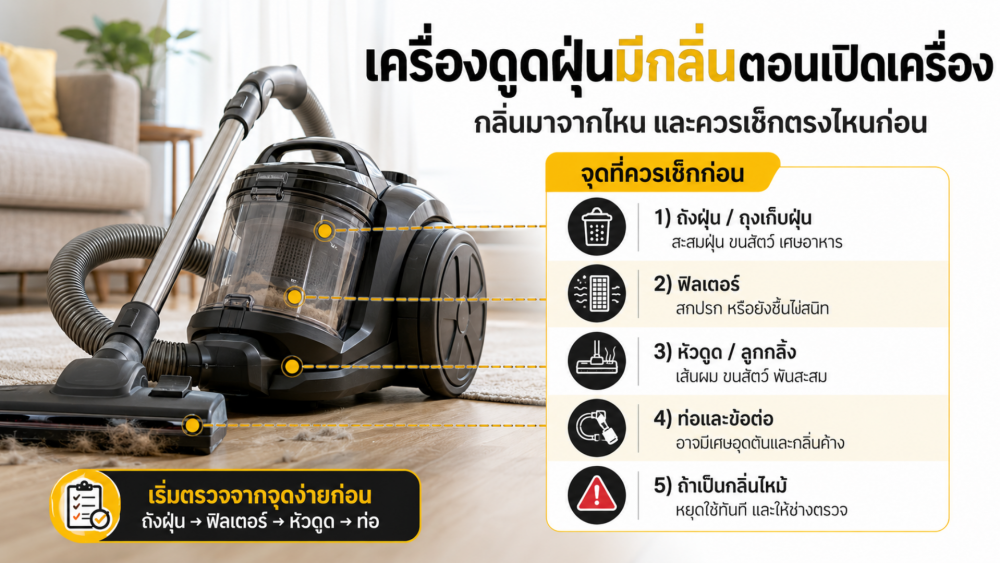
Reduce the chance of odors starting right from usage
The easiest way to minimize odors is to avoid leaving dirt inside the machine for longer than necessary, especially after vacuuming pet hair, food scraps, or areas that might contain moisture. Empty the dust bin appropriately, maintain the filter according to the manufacturer's recommended schedule, and periodically check the nozzle for tangled hair or fur, as these are the areas that accumulate the most debris during daily use.
For washable parts, always let them dry completely before reassembling. Avoid using standard dry vacuums to pick up liquids, wet floors, or excessively damp debris unless the machine is designed for it. In addition to easily creating foul odors, moisture can also damage other internal components of the vacuum.
When a vacuum starts to smell, you don't necessarily have to jump to the conclusion that the machine is deteriorating or that the motor is failing. Start by checking the areas where dust and grime accumulate, then work your way through the dust bin, filter, nozzle, and roller brush, down to the hose and connectors. If the root cause is merely dust, moisture, or trapped debris, addressing the right spot will usually help reduce the odor and keep your machine clean and ready for its next use.