


 EN
 ไทย


Customers Also Purchased
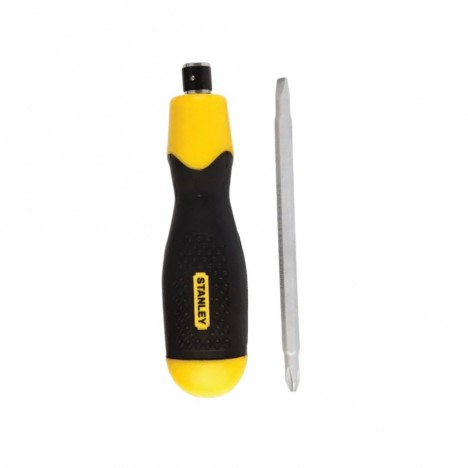



Many people think screwdriver sets are low-maintenance tools: just wipe them down after use and pack them into the case, as there is no electricity, motor, or battery, and the shafts/bits are made of seemingly tough steel. Yet, reopening the box after several months often reveals brown spots, reddish stains, or even rust spread across the bits—despite being stored in the case the entire time.
The truth is, storing them in a case does not mean the tools are completely sealed off from moisture. Typical tool cases provide dust protection, cushion impacts, and keep things organized, but they are not humidity-controlled chambers. If moisture remains on the screwdrivers before storage, or if the air inside the box is already humid, closing the lid traps that moisture inside, where it gradually reacts with the metal surface to cause rust.
Therefore, the problem of Screwdriver Set rusting inside the case doesn't always mean the case is defective; it can stem from the environment, usage habits, cleaning methods, or even sweat from your own hands.
How does rust develop on a screwdriver set?
Before looking at the causes, it is important to understand that rust does not occur simply because steel is "old," but from a chemical reaction between iron, oxygen, and moisture. When steel surfaces are exposed to water or airborne moisture for prolonged periods, the iron oxidizes, gradually turning into the reddish-brown compound we see as rust.
For screwdriver sets, this can happen even without water directly dripping onto the tools, as moisture is already present in the air. In countries with hot and humid climates or in spaces like garages, storage rooms, engine rooms, workshops, or factories, relative humidity can be very high at times, increasing the likelihood of metal rusting.
Especially if the surface of the screwdriver bit has scratches, impact marks, or worn coating, water and oxygen can easily come into contact with the steel underneath.
Storing screwdriver sets in a box does not mean there is no moisture
This is the most common misconception. We often assume that closing the box lid protects the tools inside from external atmospheric conditions. In reality, typical toolboxes are not vacuum-sealed; air can still enter and exit through the lid seams, as well as whenever the box is opened for use.
If the air in the storage area has high humidity, that moisture enters the box too. Furthermore, if you close the box in humid conditions or store tools immediately after use while moisture is still present, the box can end up trapping the moisture instead.
For example, using a screwdriver set outdoors in the evening or in a humid room and storing it immediately may cause some moisture to condense on the metal surface later, even if no water droplets were visible when putting it away.
Hand sweat is an overlooked cause
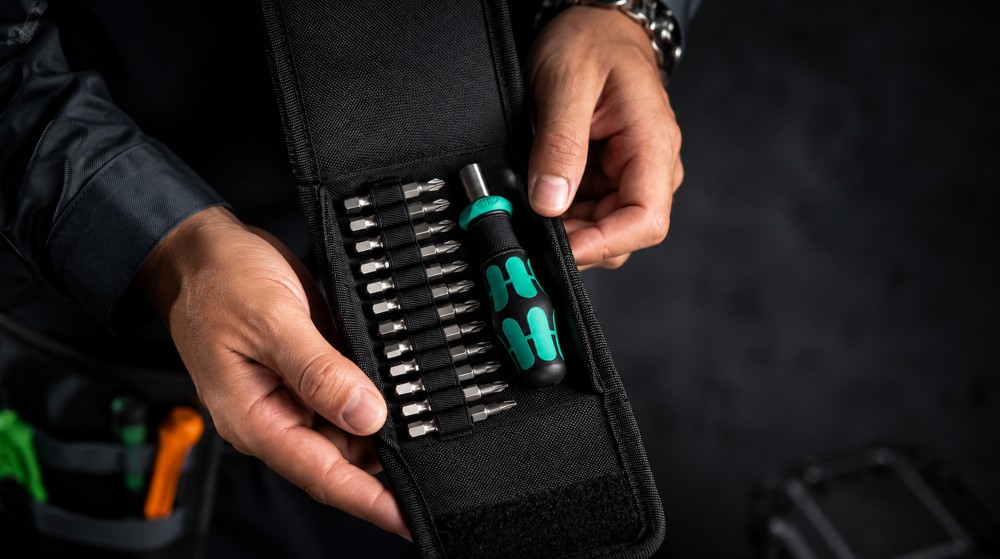
One very common cause is hand sweat. When gripping a screwdriver, hands leave moisture, salts, and natural oils on the tool's surface. While this might not affect plastic handles, sweat contacting steel shafts, bit tips, or uncoated metal areas will accelerate rust formation. Specifically, the salts in sweat create an ideal environment for metal corrosion.
It is therefore not surprising to sometimes see rust forming in patterns resembling fingerprints or occurring only on spots frequently touched. If stored immediately after use without wiping, that sweat will remain on the tool for weeks or months.
Why do screwdriver tips often rust before other parts?
If you inspect a screwdriver set that is starting to rust, you will often find that the tip or bit rusts before the rest of the shaft. One reason is that the tip is constantly in direct contact with screws. Every time a screw is tightened or loosened, friction can wear away the coating or protective layer at the tip.
Even if the screwdriver bits are well-hardened or coated, repeated use will inevitably cause wear at the tip. Once the protective layer thins out, the underlying steel is more easily exposed to moisture.
Additionally, screwdriver bit tips feature numerous edges, angles, and grooves—such as PH, PZ, or Torx profiles—which can trap dirt, oil, or moisture in tiny crevices much more easily than smooth shaft surfaces. This explains why a screwdriver's shaft can still look shiny while the tip has already developed rust spots.
Select Screwdriver Set to suit the application