


 EN
 ไทย


Customers Also Purchased

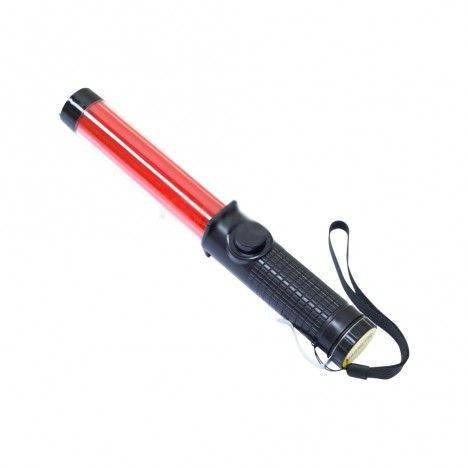


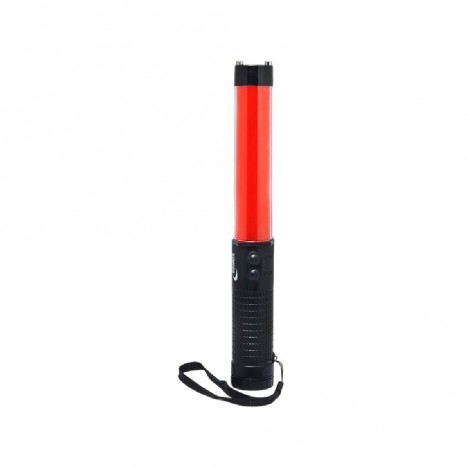
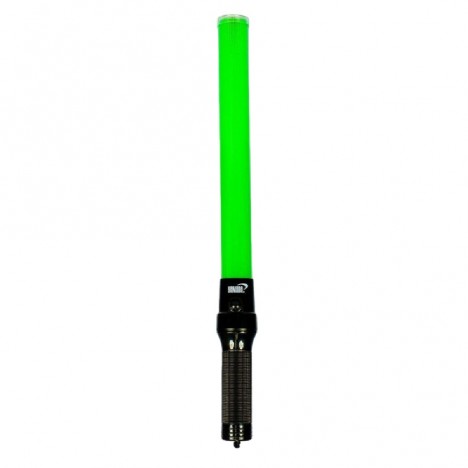
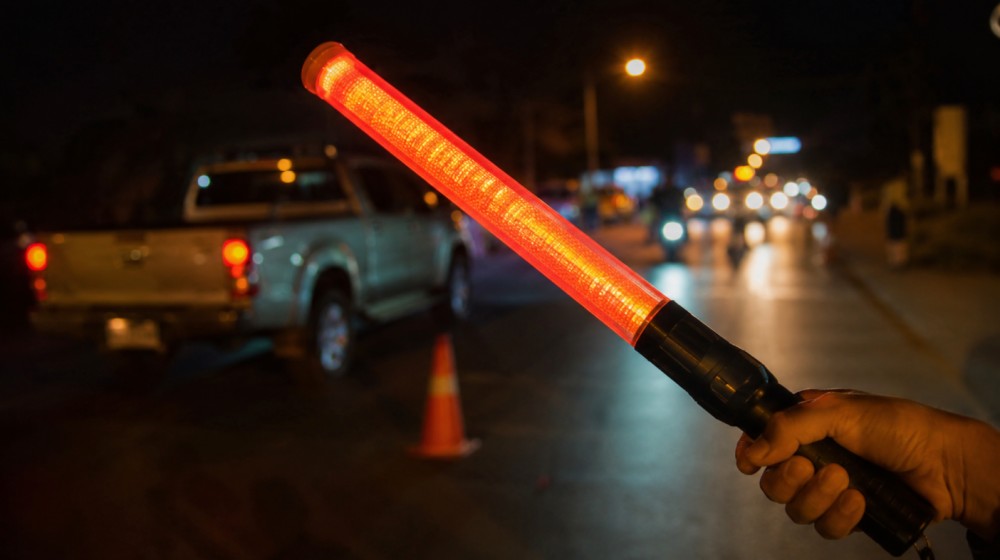
Traffic Batons These devices are frequently exposed to outdoor environments, whether directing traffic at entrances and exits, parking lots, construction sites, checkpoints, or factory areas with night traffic. Therefore, exposure to rain, water spray, moisture, and dust during use is practically unavoidable.
However, seeing that the baton is made of plastic and looks tightly sealed does not mean all models can be used in the rain equally. Some models are designed to handle water splashes or light rain mist, while others do not clearly specify a waterproof rating. Using them continuously in rainy conditions could pose a risk of water seeping through seams, caps, switches, or connection ports.
When choosing a traffic light baton for outdoor work, factors to consider extend beyond brightness, light color, or the number of LEDs; you should also verify the manufacturer's specified waterproof rating and ensure the device is suitable for actual on-site conditions.
Can Traffic Light Batons Get Wet in the Rain?
The answer depends on the model and the level of protection engineered by the manufacturer. Traffic light batons made for outdoor use may feature waterproof housing structures, including seals or components that minimize the chance of moisture reaching internal electrical components. However, these details should be supported by manufacturer specifications and not judged solely on external appearance.
The phrase "suitable for outdoor use" should not be interpreted as resistant to all forms of water exposure. Real-world conditions range from light rain mist and continuous rainfall to splashing from the ground and direct water jets, each putting different levels of stress on the device's seals.
If the light baton must be used regularly in areas prone to rain, one of the primary specifications to check is the IP Rating, or the enclosure protection rating stated by the manufacturer.
What Does an IP Rating Say About Water Protection?
An IP Rating or IP Code is a system used to classify the degrees of protection provided by electrical equipment enclosures against access to hazardous parts, solid foreign objects, dust, and water, based on the IEC 60529 standard.
Common codes are written in formats such as IP44, IP54, IP55, or IP65, where both digits carry distinct meanings. The first digit relates to protection against solid objects and dust, while the second digit indicates the level of water protection under defined test conditions.
When choosing a traffic light baton for outdoor use, the second digit is the primary focus regarding water and rain. However, do not simply look at the final digit and immediately conclude that a higher number is ideal for every situation; each level is defined by different test methods, and actual use must still comply with the manufacturer's guidelines.
What Is the Difference Between IPX4, IPX5, and IPX6?
Some device specifications may state IPX4, IPX5, or IPX6, where the letter X indicates that the first digit's level is unspecified in the displayed code. This does not necessarily mean the device lacks dust protection or has failed testing in that aspect.
The differences in the second digit can generally be understood as follows:
- IPX4 refers to protection against water splashing onto the enclosure from any direction under specified test conditions.
- IPX5 tests protection against water projected in jets against the enclosure.
- IPX6 tests protection against powerful water jets with greater intensity than IPX5.
When explaining this, avoid equating IPX4 directly to light rain, IPX5 to heavy rain, or IPX6 to torrential rain, as the standard does not categorize ratings by rain intensity, but rather by the nature and parameters of the water testing.
Another distinction to keep in mind is that protection against splashing or water jets is different from protection against submersion. Seeing that a light baton has an IP rating for splashing water does not mean it can be dropped into or submerged in water without damage.
If no IP rating is specified, can it still be used outdoors?
Some traffic batons may have a structure that looks fairly well-sealed, or have battery covers and seams that appear tight. However, if the manufacturer does not specify an IP rating or waterproof test data, you should not assume that the device is equivalent to IP44, IP54, or IP65.
Looking at the exterior cannot accurately indicate the waterproof level, because water resistance depends on the housing design, seal type, seams, and internal assembly methods.
In cases where clear information is lacking, a more appropriate approach is to inquire with the distributor or consult the specific model's manual directly. If it must be used in locations where rain is frequent, you should avoid choosing based solely on the phrase "for outdoor use."
Which parts of the baton should be inspected before using in the rain?
Even if a traffic baton has a water protection rating suitable for the job, the device's condition still affects its long-term waterproof capability, especially for models that have been used for a long time or have been dropped onto the floor.
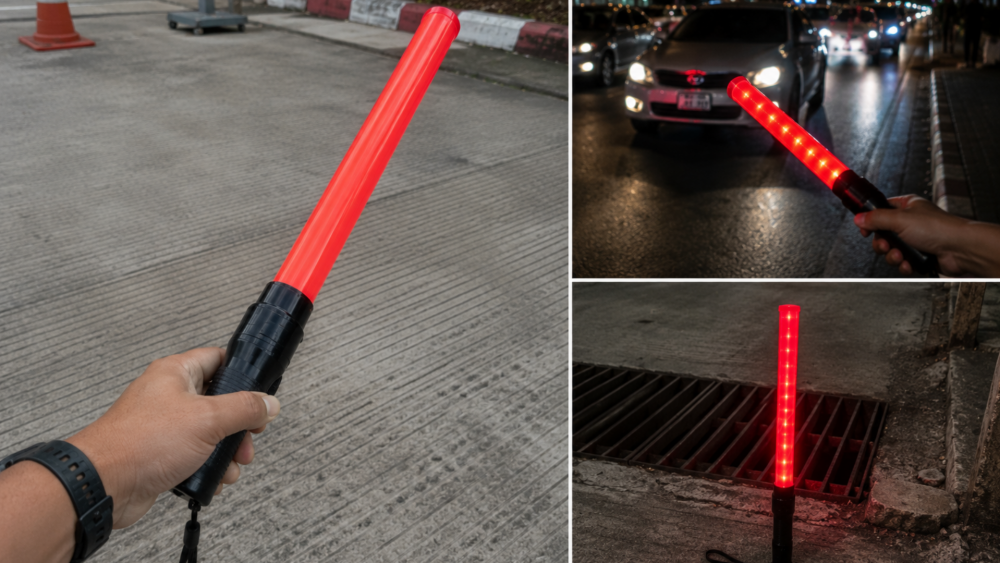
Areas that require special inspection include the housing seams, battery compartment covers, power switches, mode-switching buttons, and charging ports on rechargeable models, as these locations involve openings, closures, or connections to other parts.
If a cover is not closed tightly, threads are deformed, dust or sand is trapped along the seal edges, or the housing has cracks from impacts, its waterproof performance may decrease from its original state, even if the device had a clearly specified IP rating when purchased.
For models with a charging port, check that the charging port cover is properly positioned and tightly closed before using outdoors, directly following the manufacturer's instructions for that model.
With an IP rating, can it be used in the rain immediately?
Having an IP rating helps assess water protection capability better than relying on external appearance, but it does not mean the device can be used in wet conditions without limitations.
What must be considered alongside this are the specified IP rating and the manufacturer's conditions of use; for example, a device may pass a certain level of splash testing, but it is not designed to be left in the rain for prolonged periods or withstand continuous water jets directed at the same spot.
The condition of the device during use is just as important. If the traffic baton has been dropped causing cracks in the housing, loose covers, or degraded seals, you should not expect its waterproof capability to remain as it was when the device was brand new.
Therefore, the IP rating should be used as supporting information for selection, not as a substitute for inspecting the device's condition before use.
Besides the IP rating, what else should be checked before buying?
Choosing a traffic baton for outdoor work requires considering multiple aspects simultaneously, because on the actual job site, the equipment does not just encounter water, but must also cope with dust, impacts, ambient light glare, and being held for extended periods of use.
Brightness and visibility
The primary function of a traffic baton is to ensure drivers or people in the area clearly see signals from traffic controllers. Therefore, you should consider the brightness, light distribution characteristics, and operating modes of each model.
Some traffic batons feature both steady and flashing lights, which allows selection based on the situation. However, you should not judge solely by the number of LEDs or the perception that brighter is always better, because actual visibility also depends on distance, ambient light, light color, and the environment in which it is used.
Traffic baton color
Red traffic batons are commonly found in traffic control and warning tasks, as red is associated with stopping or alerting, while some models may feature green or offer multiple selectable colors.
The key is to select colors and usage methods that comply with local traffic control systems, ensuring the signals given by operators do not confuse drivers.
Power System
Traffic batons come in both replaceable battery and rechargeable battery types, each with its own advantages. Battery-powered models allow for immediate replacement with spare batteries, while rechargeable ones help reduce single-use battery waste but require planning to ensure adequate charging before starting work.
If used throughout an entire night shift or continuously for many hours, check the manufacturer's specified operating time and prepare backup power sources suitable for the actual duration of the operation.
Housing and Handle
Traffic batons are devices that must be held and moved constantly; therefore, the handle should provide a secure grip, not slip easily, and not cause excessive hand fatigue during continuous use—especially in rainy conditions where the device's surface may be wetter and more slippery than usual.
The housing should also be sturdy enough for working conditions, as this type of equipment can be dropped or bumped during operation. A cracked or deformed housing not only impacts durability, but may also compromise the device's water resistance.
What to Check Before Outdoor Use
Before use, especially on days with a chance of rain, take a moment to briefly inspect the traffic baton to see if the device is ready for operation.
Things to check include:
- The housing has no cracks or deformation from drops or impacts.
- The battery compartment cover closes securely as normal.
- Rubber seals or O-rings are free from tears, cuts, or displacement.
- No dust, sand, or debris trapped around the cover edges and seals.
- The charging port and its cover are in intact condition.
- Switches and buttons operate normally.
- The light illuminates normally, and all modes function properly as designed for that model.
- The batteries or rechargeable battery have sufficient power for the required duration of use.
If you find cracks on the body, a loose cover, or damaged seals, avoid using it in wet conditions until inspected or repaired, as the specified protection rating applies to undamaged devices and may no longer reflect the condition of a damaged unit.
How to care for a traffic baton after use if it gets wet from rain?
After using it in the rain, you should wipe off water droplets clinging to the housing, handle, and seams before storing it. In particular, water should not be left sitting around the battery cover and charging port for extended periods.
If you need to open the battery compartment right after using it in the rain, wipe the area around the cover dry first to prevent external water droplets from seeping into the battery compartment while opening the cover.
If water is found to have reached the battery compartment, electrical contacts, or internal circuitry, stop using it immediately and do not turn the device back on while moisture is still present. For rechargeable models, do not plug in the charger while the charging port or the device itself is still wet, and always follow the manufacturer's manual.
Choosing an outdoor traffic baton requires looking beyond just the word “waterproof”
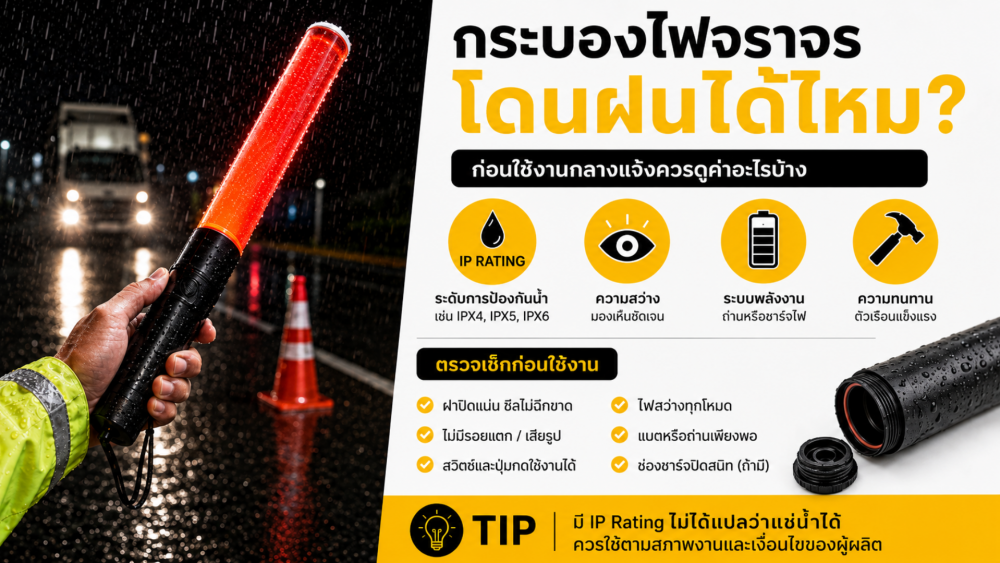
If you need to buy Traffic Batons one for regular outdoor use, simply seeing "waterproof" or "suitable for outdoor use" on the product page is not enough to make a decision. You should check whether an IP Rating or clear water protection details are specified, and also verify that the manufacturer's operating conditions match your actual job site conditions.
In addition to water resistance, you should also consider brightness, light color, power system, housing durability, and ergonomic grip comfort, as all of these affect the performance of the traffic baton when put to actual use.
Importantly, you shouldn't assume that a high IP Rating means it can withstand all forms of water exposure. Selecting the appropriate level for the job, inspecting the unit before use, and keeping seams and seals in good condition will ensure the baton is ready for operation and reduce the chances of issues occurring in unpredictable weather conditions.