


 EN
 ไทย


Customers Also Purchased
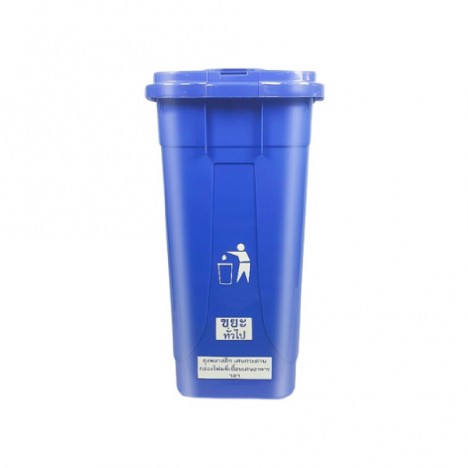
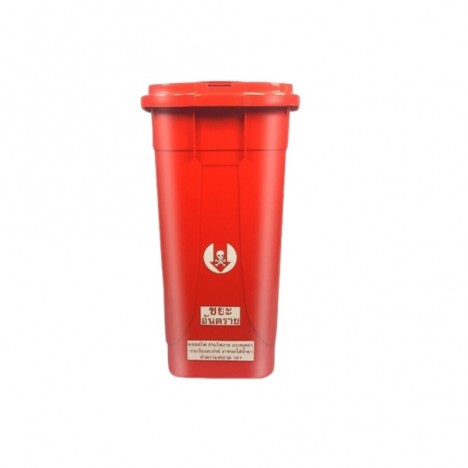
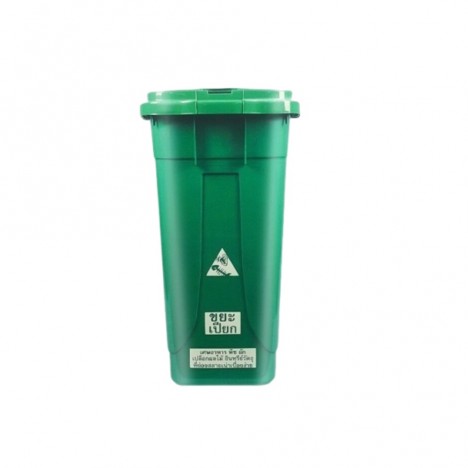
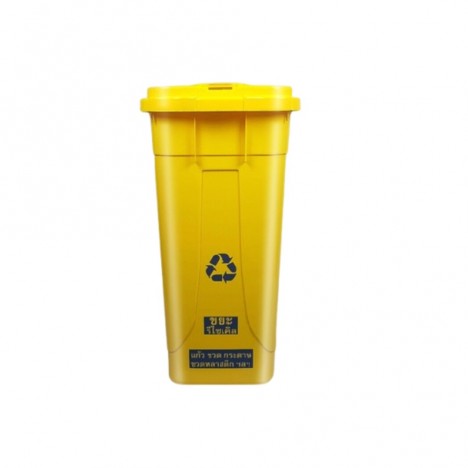
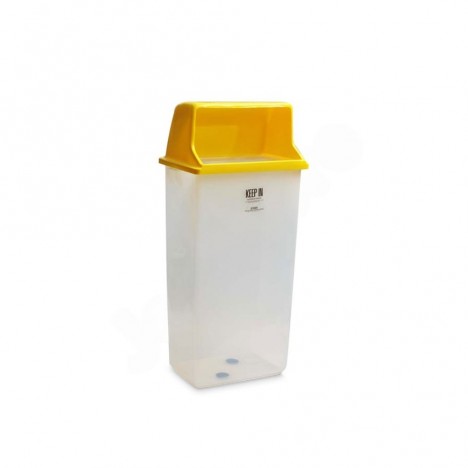
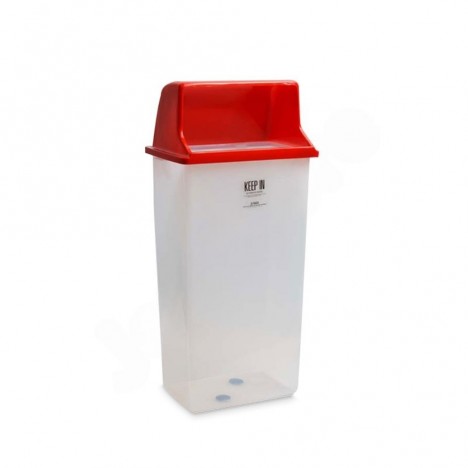
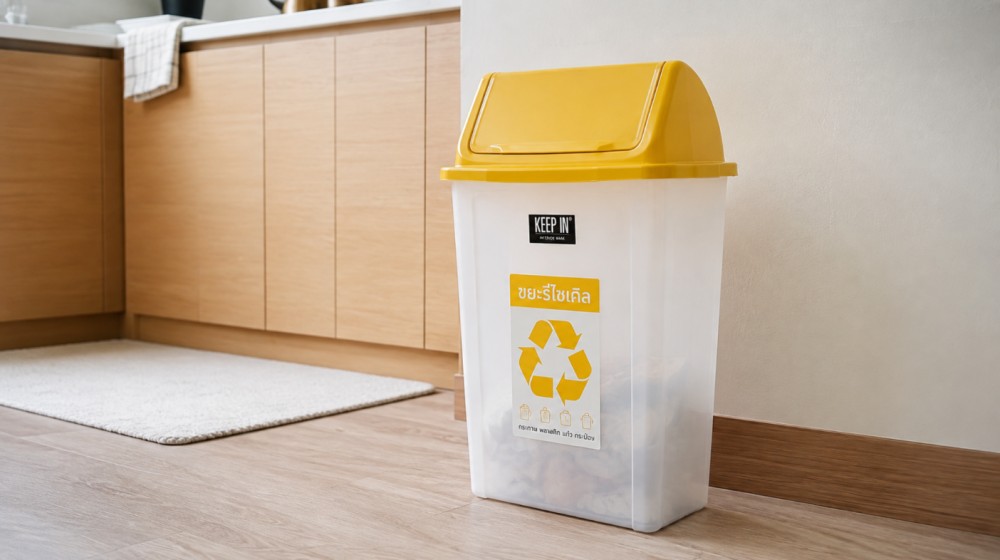
Sorting household waste might seem straightforward, but when it actually comes time to start, many households get stuck on the same question: Recycling Bins How many bins should there be in total to make sorting easy without taking up too much space? Seeing rows of multicolored bins in shopping malls, offices, or public spaces leads some to believe that setting up a sorting system at home requires having that full set of bins as well. In reality, placing three or four bins in a compact kitchen quickly crowds the space. Moreover, some bin types are rarely used, leaving them almost perpetually empty.
From a practical standpoint, choosing household sorting bins does not require buying a bin for every single waste category right away. What you should assess first is: what waste is generated daily, what waste must be taken out promptly due to odors, and what items can be gathered for later sale or recycling drop-off. By sorting according to actual disposal habits, you will notice that each waste group requires different amounts of space, and some items do not even require a dedicated, large bin.
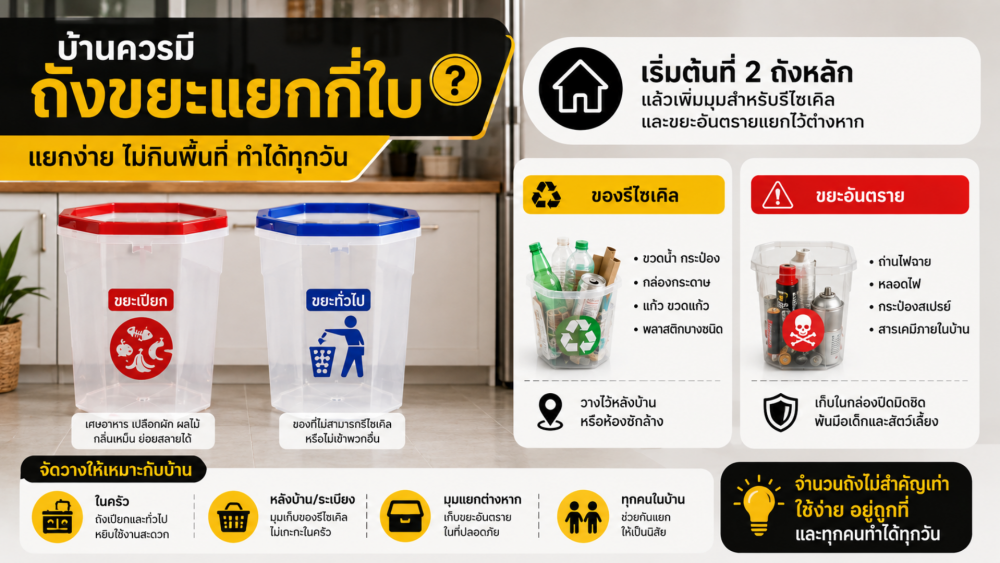
For most homes, having about 2 main bins combined with a small dedicated corner for recyclables and hazardous waste is often more practical than lining up multiple sorting bins across the kitchen. This number is not a rigid formula; households that cook daily, order takeout frequently, or shop online regularly will have different waste volumes and profiles. Therefore, choose the number of bins based on actual waste generation rather than adhering strictly to standard color-coded or categorized systems.
Start by Sorting Food Waste First to See the Most Noticeable Difference
If you are starting by sorting just one single type of waste, food scraps yield the most noticeable result. Food waste contains moisture, odor, and decomposes quickly. When mixed with bottles, paper, or other packaging, it soils items that could otherwise be salvaged for recycling.
Homes that cook regularly should therefore have a separate food waste bin near active prep areas—such as under the counter, near the sink, or in the food preparation area. However, this bin does not need to be large. On the contrary, a suitably compact bin with a tight-fitting lid that is easy to wash and convenient to empty often works better, as food waste should not be left sitting for days until full anyway.
If your household empties the trash every evening, a small bin is sufficient. But if waste must be kept overnight, a tight-fitting lid and ease of cleaning are far more important than capacity. A larger bin does not help reduce odors if food scraps still remain inside for extended periods.
The General Waste Bin Should Not Be a Catch-All
Once food waste is separated, the other bin can be truly dedicated to general waste—items that cannot be recycled within your household's recycling flow, or consumables that do not belong in food, recyclable, or hazardous waste categories.
A common pitfall is that once a bin is labeled "General Waste," everything ends up thrown into it as before. Open the lid, and you find plastic bottles, cardboard boxes, cans, food scraps, and assorted items jumbled together. In such cases, even with sorting bins placed side-by-side, the system accomplishes very little.
Look at it from the opposite angle: before tossing an item into the general waste bin, ask what should be pulled out first. Food waste is already sorted out; bottles and paper intended for recycling are removed; items requiring special handling are kept out. What remains is true general waste. After doing this for a while, many households find that the general waste bin does not fill up as fast as expected, and a very large bin may not even be necessary.
Recyclables Do Not Need Another Bin in the Kitchen
Water bottles, cans, glass jars, cardboard boxes, and certain packaging materials are generated continuously in the home, but they do not produce odors or spoil quickly like food waste. As such, there is no need to keep a dedicated bin for them inside the kitchen.
Homes with limited space can simply use a basket, a box, or a sack placed in the backyard, laundry area, or balcony to collect items meant for sale or recycling drop-off. Once full, they can be taken out for processing. This method saves more space than buying another bin to place in high-traffic areas, and it allows you to easily move or adjust container sizes according to actual volume.
Before storing, completely empty out any leftover food or liquid to minimize odors and prevent other items from getting soiled. As for how thoroughly items need to be washed, check the requirements of your target recycling facility, as guidelines can vary from one drop-off point to another.
The same applies to cardboard boxes: discarding them whole consumes space very quickly, but simply flattening them helps tremendously. Households that shop online frequently do not necessarily need to buy a bigger bin; often, just changing how items are stored is more than enough.
Hazardous waste doesn't need a large bin, but it should have its own dedicated spot
Batteries, light bulbs, spray cans, or items requiring special handling shouldn't be mixed with general waste. However, since these items aren't generated every day, there isn't much reason to keep a large bin waiting for them.
Using a small box or a sealable container kept separately is sufficient. Store it in a dry, safe place out of reach of children and pets. Once enough has accumulated, take it to a hazardous waste collection point or dispose of it during local collection schedules.
If any item is broken, leaking, or has internal substances spilling out, do not toss it in with other items immediately. Check product labels for handling instructions or consult the collection point's guidelines first, as not all hazardous waste is handled the same way.
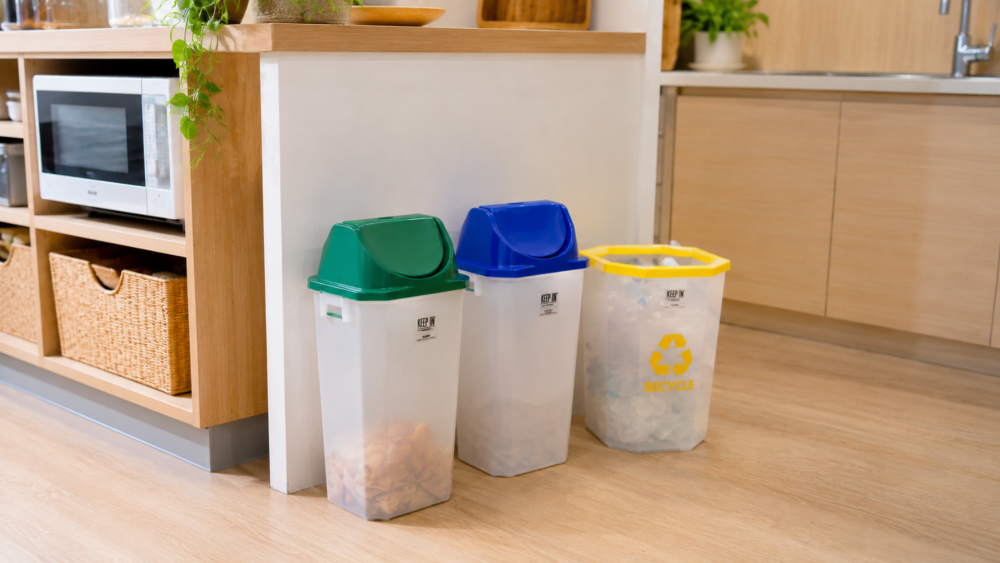
Small homes don't need a whole row of bins cluttering the kitchen
Condos, townhomes, or houses without large kitchens often feel that waste sorting takes up too much space because they try to place everything in a single spot. In reality, certain types of waste don't need to be there at all.
Food waste and general waste bins can stay in the kitchen for daily use, while recyclables can be moved to the backyard or laundry area. Hazardous waste can simply be kept in a small box in another corner. This leaves only two main bins in the kitchen while still allowing you to sort multiple types of waste just as effectively.
This approach is also easy to customize for any home. If your household consumes a lot of bottled water, add a basket for bottles. If you rarely cook, use a smaller food waste bin. If you get many parcel boxes, designate a separate corner for flattening boxes. There is no need to buy identical sizes for every bin.
The same number of people doesn't mean the same amount of waste
Two households of two people can have vastly different waste patterns. One home that cooks almost every meal will generate a lot of vegetable scraps, fruit peels, and food waste. Another home that mostly orders takeout will produce more boxes, bags, bottles, and packaging.
Therefore, choosing bin sizes solely based on the number of household members may not be very practical. Observing the actual waste generated in your home first gives a clearer picture. If food waste fills up quickly, allocate more space for it. If bottles or boxes take up the most room, set up a suitable recycling spot instead.
Homes that frequently shop online have a similar dynamic. Parcel boxes might make it feel like there is a lot of trash, but once flattened, they actually take up very little space. Many issues don't stem from bins being too small, but rather from how things are stored.
Not all bins need to be grouped together
Bins at home don't need to be arranged like a sorting station in a shopping mall, because waste doesn't originate from a single spot anyway. Food waste belongs in the kitchen, general waste might be in bathrooms and common areas, bottles and paper can be kept behind the house, while hazardous waste should be in a safe corner.
When sorted by points of use, the house looks less cluttered, and household members don't have to carry trash across rooms to dispose of it in one place. Waste sorting then becomes a natural habit within the home rather than having to remember a complicated system.
If a house has multiple bins but all of them are poorly placed so no one wants to use them, they won't be of much help in the end. A bin in the right spot that is easy to use often influences behavior far more than the number of bins itself.
Do you need bins in different colors?
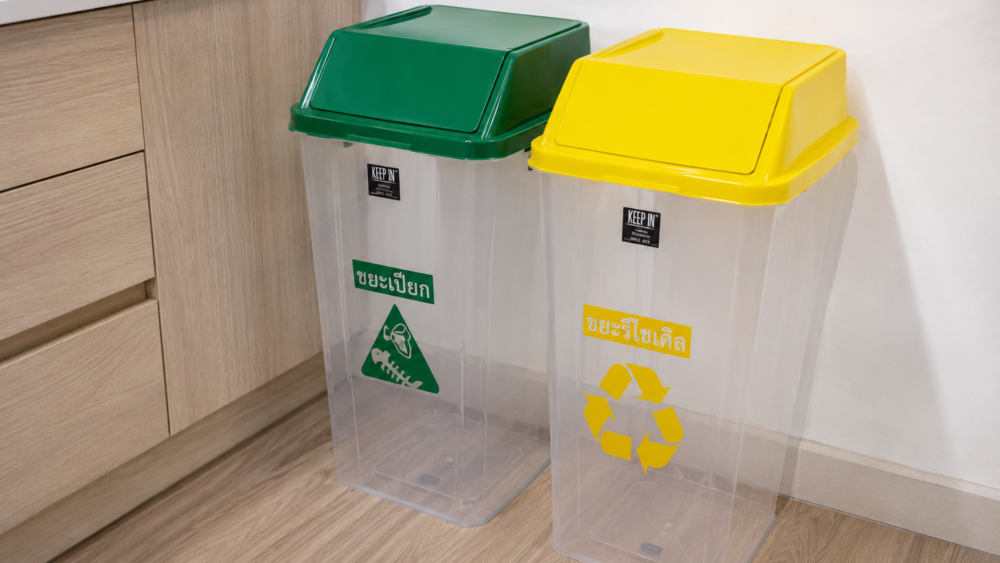
Colors help with easy recognition, but at home, there's no need to insist on having bins in every single color seen in public spaces. You can use bins of the same color with labels, use different sizes, or assign fixed spots—as long as everyone in the house is on the same page about what goes where.
Homes with children or multiple members may benefit more from colors as they help with quicker sorting. However, labels or pictures should also be included; don't rely on colors alone, because color systems used in public spaces can vary from place to place.
What's more important is ensuring that once waste leaves the house, it reaches the proper destination—especially recyclables, since different collection points may accept different materials. Even if separated thoroughly, if the destination doesn't accept it, it won't necessarily end up being recycled.
Before buying more bins, take a look inside your existing ones first
If you're not sure how many bins your home needs, observe your waste for one cycle before buying more. See which bin fills up quickly, which one starts smelling first, and what kind of waste takes up the most space.
A general waste bin that's half-filled with water bottles doesn't mean you need a larger general waste bin; it might mean you should have a separate basket for bottles. Food scraps that smell before the bin gets full don't mean the bin is too small, but that it should be emptied more frequently.
Looking at it this way makes deciding on the number of bins much easier than buying a whole ready-made set. For many homes, 2 main bins for food waste and general waste, plus a recycling collection point and a small box for hazardous waste, is enough as a starting point. Then adjust according to what's actually generated in your home.
Ultimately, Recycling Bins what suits a home isn't measured by how many bins you have or having every single color, but by whether the setup is easy to use, whether waste is actually separated, and whether household members can maintain it every day without feeling burdened. If the system fits daily life, even having just a few bins works better than setting up every category when nobody wants to use them.