EN
 ไทย


Customers Also Purchased

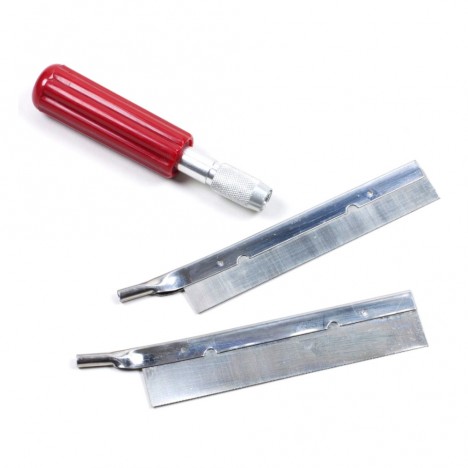



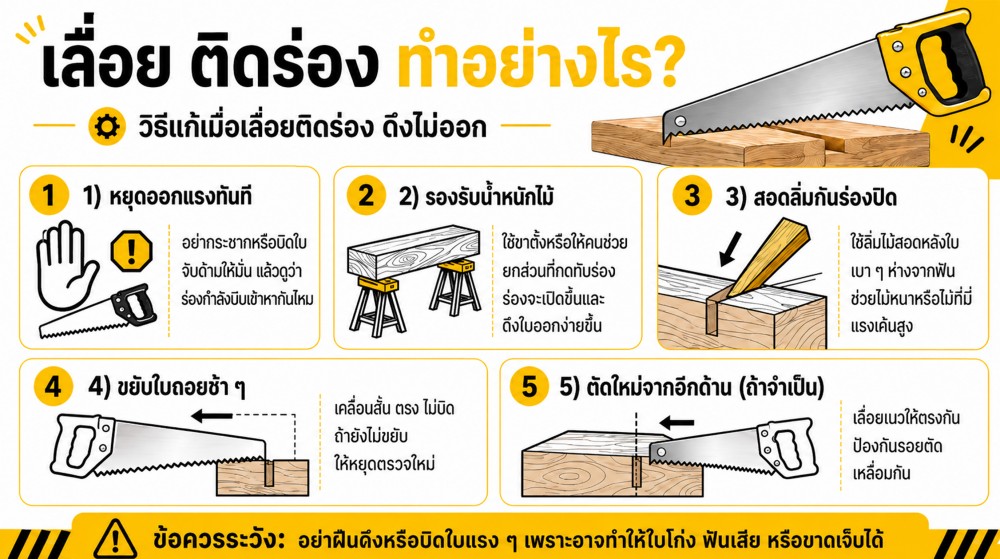
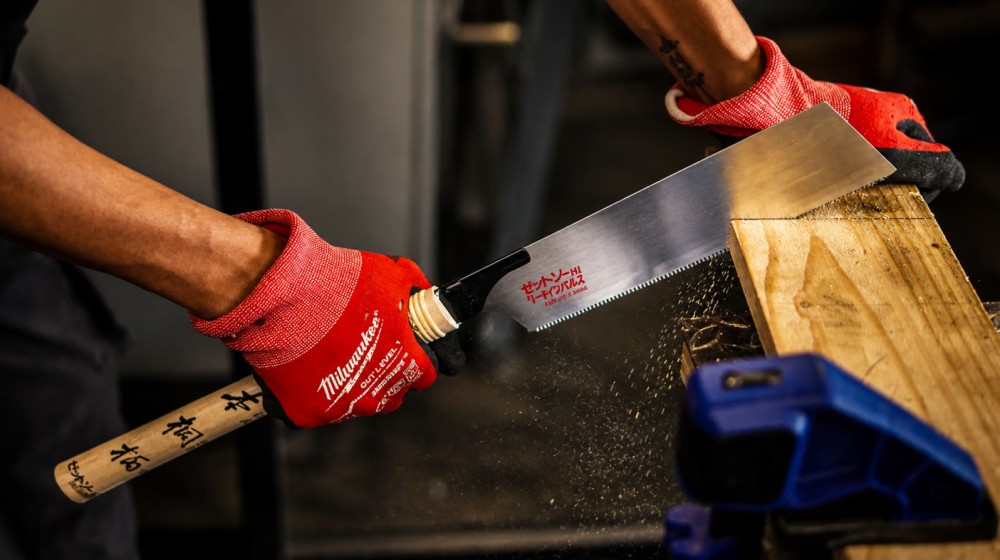
Using a saw to cut wood seems simple: just place the blade along the desired line and pull it back and forth until the wood is severed. But in practice, many people often encounter the issue of the saw becoming stiff, difficult to move, and eventually binding tightly in the kerf unable to be pulled out. The more you try to jerk it free, the tighter the blade binds, potentially causing a crooked cut, damaged saw teeth, a bent blade, or cracked wood. This problem isn't always caused by a poor saw or dull teeth; mostly, it stems from internal stress in the wood, workpiece support positioning, the characteristics of the wood, and how the saw is controlled during the cut.
Understanding the reasons why a Saws saw binds in the kerf will help address the root cause, reduce blade damage, and ensure smoother, safer, and more accurate cuts next time.
What does saw binding in the kerf look like?
The symptoms of a saw binding in the kerf usually don't happen all at once, but there are warning signs to watch for while cutting, such as:
- The saw's stroke becomes shorter
- Requiring more effort to push and pull
- Abnormal friction or rubbing sounds
- The cut kerf begins pinching the blade
- Less sawdust is being cleared
- The saw blade becomes unusually hot
- The cutting line starts to drift or tilt
- The saw jerks or gets stuck midway through the cut
- Inability to pull the saw blade back out normally
If you notice these signs, you should stop immediately, as forcing the cut can cause the blade to twist, break teeth, or kick back and cause you to lose control.
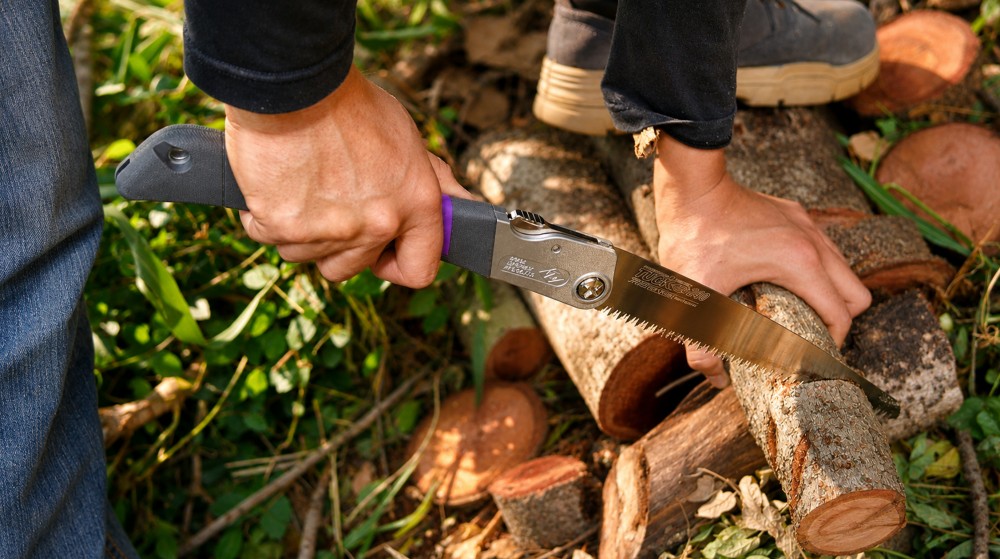
Main Causes of a Saw Binding in the Kerf
The cut kerf is pinched closed by the weight of the wood
The most common cause is improper placement of the wood supports. As you cut deeper, the weight of the wood causes the kerf to sag and close in, pinching the blade. This often occurs with long, thick, or hardwood lumber, when supports are too far from the cut line, or with wood that has accumulated internal bending tension. Support the wood so that the kerf tends to open up rather than pinch shut.
The offcut end of the wood is unsupported
Many people only support the piece they intend to keep, leaving the cut-off piece hanging unsupported. As the cut nears completion, the hanging weight twists the wood, pinching the blade. Support both sides, leaving sufficient clearance for the saw blade to move freely.
The wood has internal stress accumulated
Each piece of wood has grain variations, twists, warps, or uneven moisture content. When cutting through it, internal forces may be released instantly, causing the kerf to close quickly and pinch the blade. This is frequently found in green wood, unevenly dried wood, warped lumber, or wood with large knots. It is difficult to prevent, but you should constantly monitor the kerf and stop immediately when it feels unusually stiff.
The saw blade drifts out of alignment with the original kerf
This is caused by twisting the wrist, changing the handle angle, or applying sideways pressure on the blade, causing the sides of the blade to rub against the kerf walls instead of just the teeth cutting. The deeper the cut, the greater the friction. Do not force the blade straight back; instead, pull the saw back slightly, adjust your posture, and gradually correct the alignment.
The kerf is narrower than the saw blade thickness
Normally, saw teeth are set with a slight alternating left-right bend to make the kerf wider than the blade itself. However, if the teeth are worn, improperly set, or flattened, the kerf becomes narrower, causing the blade to rub and easily bind—even if the teeth are still sharp.
Choosing teeth that are too fine for thick wood
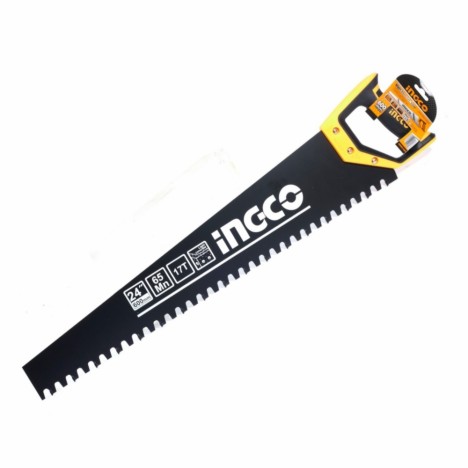
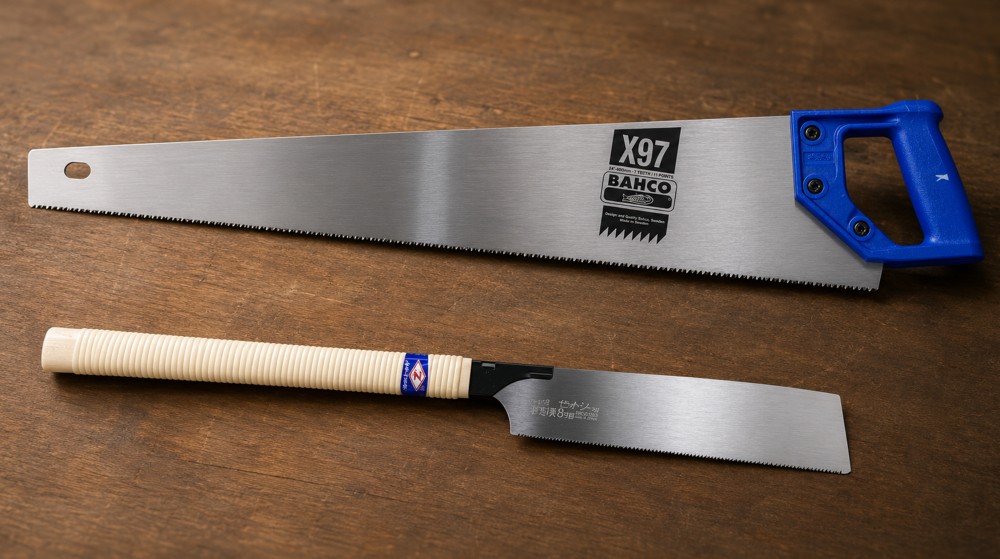
Fine teeth provide a smooth cut but clear less sawdust. When cutting thick wood, sawdust packs tightly into the kerf, making the saw stiff and hot. Coarse teeth = fast cutting, thick wood / Fine teeth = thin wood, joinery work, smooth cut.
Wood chips and sawdust packed in the kerf
If the kerf is deep, the wood is damp, or the gullets are small, sawdust will remain and pack tightly, acting like a wedge that locks the blade. You can notice this when less sawdust comes out, the blade gets hotter, and you have to jerk the blade to move it. Sawing with a steady, long stroke clears chips much better than short, rapid strokes.
High moisture content in the wood or green wood
The fibers are tough and flexible, sawdust easily clumps and sticks to the teeth, and the wood may contract and close the kerf after the teeth pass through. Use a coarse-toothed saw with wide gullets designed specifically for green wood.
Resin buildup on the saw blade
Frictional heat causes resin to stick to the teeth and blade surface, increasing friction until it feels like the blade is dull even though it is still sharp. Clean with an appropriate product, avoid aggressive scraping, and wipe completely dry.
Dull or deformed saw teeth
Dull teeth rub against the wood instead of cutting into it, generating heat and causing fine sawdust to pack easily. If the teeth are unevenly deformed, the saw will drift off course until the blade gets pinched in the kerf. Sharpen or reset the teeth properly, or replace the blade according to manufacturer recommendations.
Should you apply wax or oil to the saw blade?
Some users apply beeswax or certain lubricants to the saw blade to reduce friction. This method can help the blade glide through wood more smoothly, especially with tough or resinous wood. However, you should use products suitable for woodworking and apply only a thin coat. Do not apply too much, as it may cause:
- Stained wood surface
- Adverse effects on subsequent painting or gluing
- Sawdust to clump together
- More dust to stick to the blade
- Slippery handles or work areas
Lubrication cannot replace choosing the right saw teeth, properly supporting the workpiece, or using the saw correctly. If the kerf is closing in, the blade can still get pinched no matter how much lubricant is applied.