


 EN
 ไทย


Customers Also Purchased
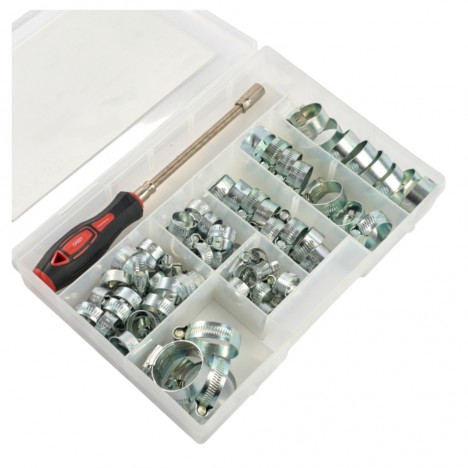
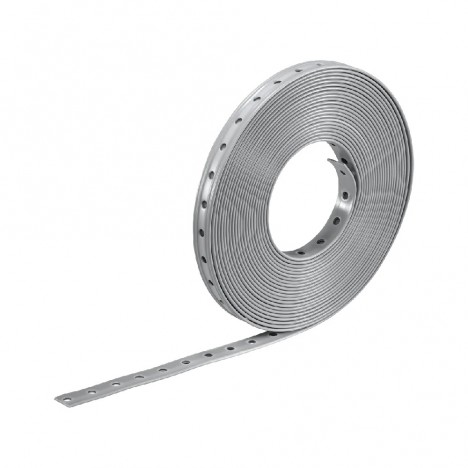
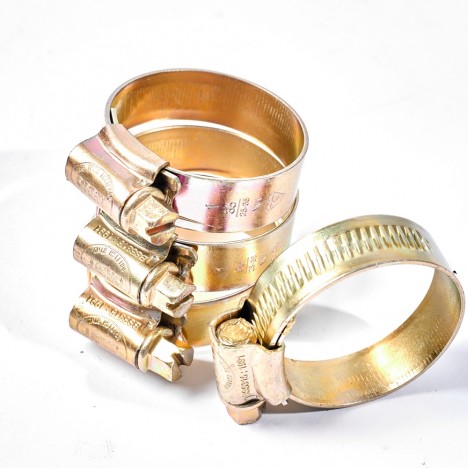
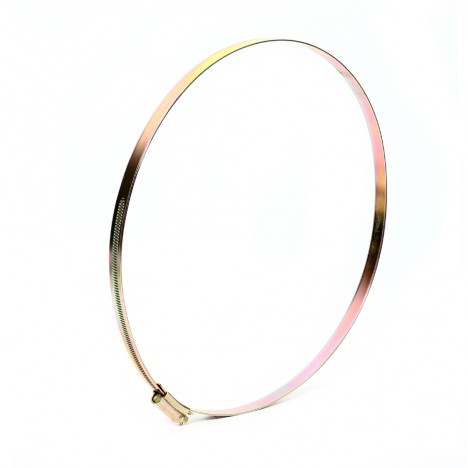
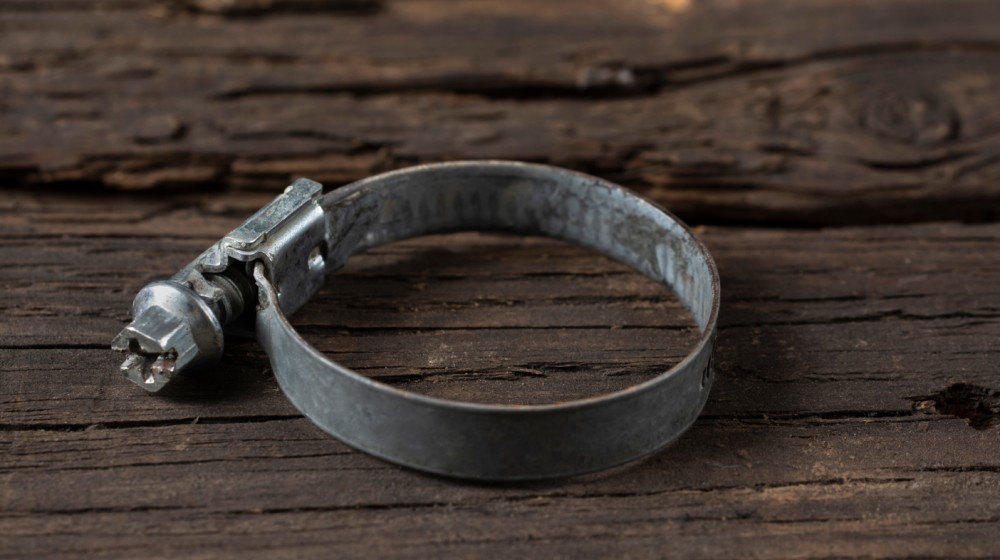
Hose ClampsHose clamps function by pressing the hose firmly against the fitting to hold the hose in place and reduce the risk of leaks at the connection. Although the application seems straightforward, even a slight error in size selection can make the clamp impossible to fit, cause it to not clamp tightly, or result in it bottoming out before achieving a snug fit.
The mistake many people make is taking the size printed on the hose—such as 1/2 inch or 3/4 inch—and immediately choosing a hose clamp of that same size. In reality, most numbers on hoses indicate the inside diameter, not the outside diameter that the clamp needs to wrap around.
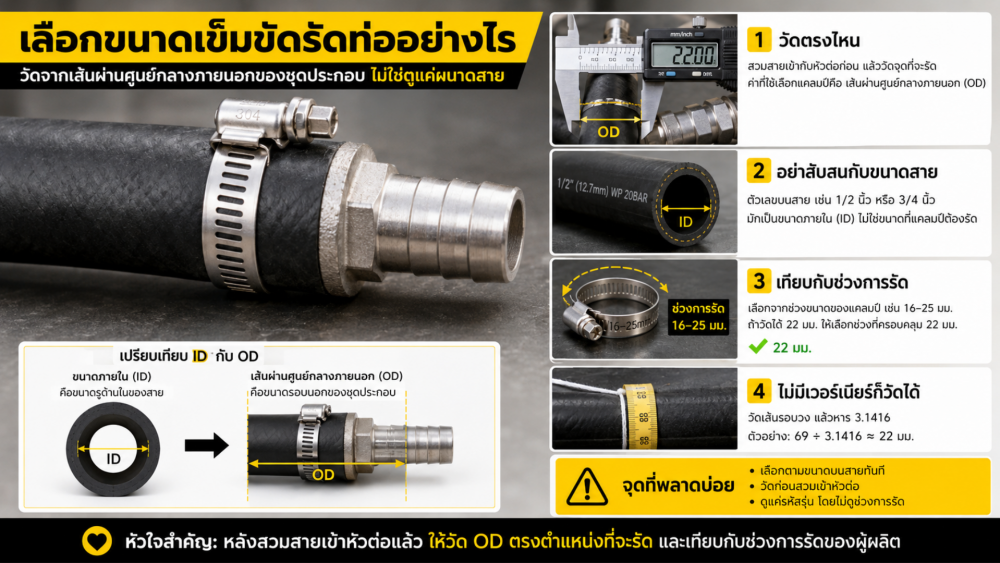
The proper method is to fully install the hose onto the fitting, then measure the outside diameter right at the position where the clamp will be installed. Afterward, compare that measured value against the clamping range of each hose clamp model.
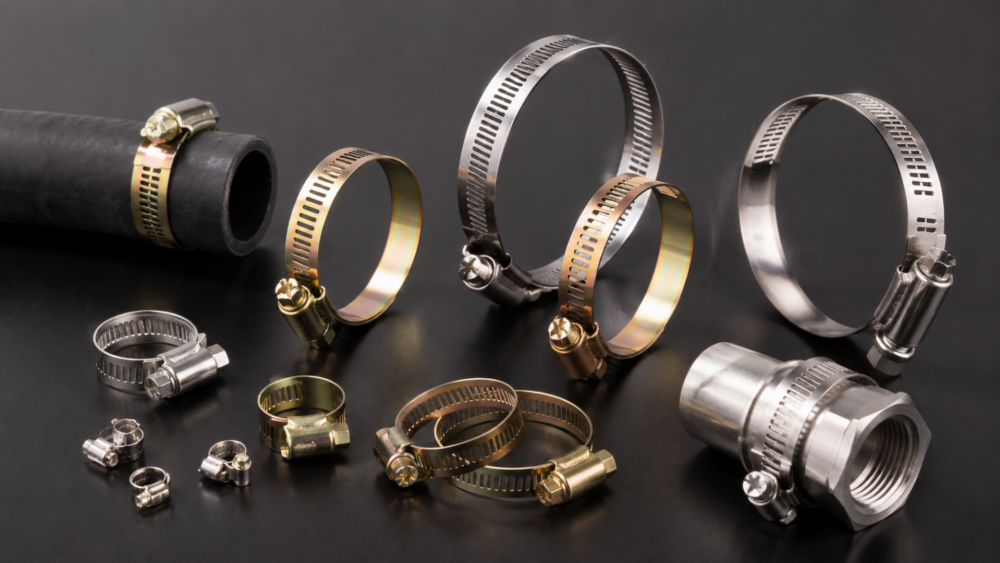
Hose size and the clamping size are not the same value
Many types of rubber and flexible hoses specify their size based on the Inside Diameter (ID), which is the internal flow passage size. While this number indicates which fitting size the hose fits, it cannot be used directly to select a hose clamp.
The reason is that the outside diameter of the hose also depends on the hose wall thickness. Two hoses with the same inside diameter may have different outside diameters if they are made of different materials, have reinforcement layers, or have differing wall thicknesses.
When the hose is installed onto a fitting, the hose wall may also expand to match the fitting's contour—especially with hose barb fittings that feature ridges to retain the hose. Therefore, the outside diameter in that area may be larger than that of an unassembled hose.
Clamp manufacturers thus recommend measuring the outside diameter of the assembly after fitting the hose onto the pipe or fitting, rather than selecting based solely on the hose's inside diameter.
Where should you measure to get a size closest to actual use?
The position to measure is on the outer surface of the hose right where the hose clamp will be placed, ensuring the hose is fully pushed onto the fitting to its actual operating position first. Do not measure only the fitting, as the reading will not include the hose thickness, and do not measure only the uninstalled hose, as the hose may expand once assembled.
For fittings with barbs, the clamp should be positioned where the hose fully covers and sits flush against the fitting. The exact position should be determined based on the fitting's geometry and the manufacturer's recommendations, as different fitting styles may specify different clamping locations.
How to measure with a vernier caliper
A vernier caliper or caliper is an ideal tool for measuring outside diameter because it provides a direct reading and eliminates calculation errors. After installing the hose onto the fitting, place the caliper jaws across the hose at the clamp installation position. Then slide the jaws so they rest snugly against both sides of the hose surface. Avoid squeezing too tightly to prevent compressing the hose, which could result in a reading smaller than the actual size.
If the hose is soft or not perfectly round, measure across multiple axes, such as vertically and horizontally, to check for significant differences. Clampco recommends using calipers to measure the outside diameter of the hose and fitting in their assembled state to determine the appropriate clamp size.
No vernier caliper? You can measure from the circumference
If you do not have calipers, you can wrap a flexible tape measure around the spot where the clamp will be installed, keeping the tape flush against the hose surface without pulling so tight that the hose compresses. The measured value will be the circumference. To find the diameter, divide the circumference by 3.1416. For example, if the measured circumference is 69 mm, dividing it by 3.1416 gives a diameter of approximately 22 mm. This value is what you should compare against the hose clamp's clamping range.
If a flexible measuring tape is not available, you can wrap a thin string or strip of paper around the hose, mark where the ends meet, and then unroll it to measure the length with a ruler. The principle of measuring circumference and calculating back to diameter is also a method specified by clamp manufacturers.
Reading hose clamp sizes by clamping range
Worm gear hose clamps are usually not specified by a single size, but rather by a range, such as 16–25 mm or 20–32 mm.
The first number is the minimum diameter the clamp can tighten down to, while the second number is the maximum diameter it can open up to. For example, if the hose-and-fitting assembly measures 22 mm, a clamp with a 16–25 mm range covers the measured value.
However, you should not decide immediately just because the number falls within the range. You should also check the manufacturer's size chart, as part numbers, nominal sizes, and operating ranges can vary across brands. Manufacturer catalogs typically list both the minimum and maximum sizes clearly and separately.
For general applications, choose a clamp whose clamping range covers the actual size while still allowing easy installation. Do not force a clamp that is smaller than the measured value, as it may not fit or could damage the screw assembly and band during installation.
Do not apply the same principle to all clamp types
Selecting based on the minimum to maximum range applies to adjustable hose clamps, such as worm gear clamps, but other clamp types may have different sizing criteria.
- Ear clamps require pincer pliers to crimp the ear closed to generate clamping force, which limits their collapse distance. The manufacturer Oetiker recommends fitting the hose onto the connector, measuring the outer diameter of the hose, and then selecting the size based on that model's range and guidelines. For some product lines, the midpoint of the size range should be slightly larger than the measured hose outer diameter.
- Spring clamps are also not selected the same way as worm gear clamps, because the clamping force comes from the clamp's elastic recovery. The size must therefore match the diameter of the hose-and-fitting assembly, as well as the clamping force specified by the system designer.
- As for T-bolt clamps, which are commonly used for large-diameter hoses, high-vibration applications, or industrial tasks, some manufacturers recommend measuring the outer diameter of the assembly and selecting the nearest nominal size from the product chart.
Therefore, before purchasing, verify what type of clamp it is and follow the sizing method provided by the manufacturer for that specific model. Do not directly apply one clamp type's sizing principles to all clamp types.
Example of selecting hose clamp size
Suppose a hose is labeled as 1/2 inch. Once fitted onto the connector, the outer diameter measured at the clamping point is 21 mm.
If you have a choice between a 12–20 mm clamp and a 16–25 mm clamp, the 12–20 mm model is smaller than the measured size and should not be forced on. The 16–25 mm model covers 21 mm within its clamping range, making it the more suitable option in terms of size.
These numbers are merely an example to explain how to read the range. Before actual use, always recheck the specifications indicated by the manufacturer on the product, packaging, or datasheet.
Right size chosen—what else to consider?
Size is only one factor in selecting a hose clamp. Different applications may also require considering the band width and thickness, clamp material, tightening torque, pressure, temperature, vibration, system chemicals, and frequency of disassembly.
Soft hoses may be better suited to clamps with a smooth inner surface or a liner to reduce pinching or cutting into the hose surface. For outdoor applications or environments exposed to moisture, check the materials of the band, housing, and screw. Do not just look for the word "stainless steel" without verifying what material each component is made of.
Overtightening a clamp does not always result in a better joint, but can cause the hose to deform, the hose wall to be grooved, plastic fittings to crack, or the screw threads to strip. If the manufacturer specifies a torque value, a torque screwdriver should be used to tighten it to the specified setting.
Common Mistakes When Choosing Sizes
The most common mistake is selecting a hose clamp based on the hose's inner diameter without factoring in the wall thickness, even though that measurement does not reflect the actual outer diameter of the assembly. Another mistake is measuring the hose before fitting it onto the connector, which may result in a smaller measurement than the post-assembly size, or measuring only the connector while forgetting to include the hose wall thickness.
Additionally, merely looking at the size number on the product without checking the manufacturer's chart can lead to wrong selections, as the visible number might just be a model code rather than the direct diameter in millimeters or inches. At the same time, make sure to verify the units, as some hose clamp models display sizes in millimeters while others use inches. If unit conversion is needed, calculate it thoroughly before comparing it with the clamping range.
Steps for Choosing the Right Size Before Buying
Start by fitting the hose onto the connector up to its actual working position, then measure the outer diameter of the hose at the exact spot where the clamp will be placed. If you don't have calipers, you can measure the circumference and divide the value by 3.1416. Next, compare this measurement against the minimum and maximum clamping range of each hose clamp model, and clearly identify the clamp type, as worm-drive, ear, spring, and T-bolt clamps may have different size selection criteria.
Before installation, you should also take into account the material, band width, environmental conditions, pressure, temperature, and the manufacturer-specified torque—especially for fuel systems, cooling systems, air systems, and pressurized applications, where size alone should not be the sole criteria. The key is not simply relying on the nominal hose size in inches, but measuring the actual outer diameter after fitting it onto the connector and selecting the clamping range according to the manufacturer's specifications. This will help reduce the chance of purchasing the wrong item and ensure the clamp is better suited for your application.