


 EN
 ไทย


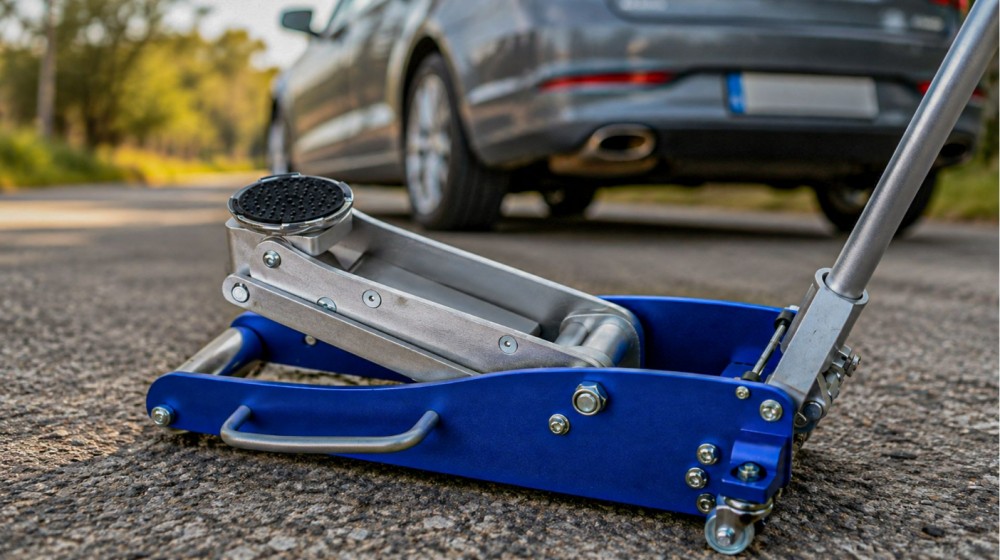
Customers Also Purchased
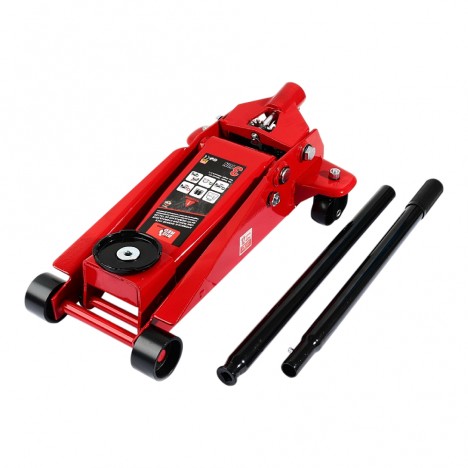


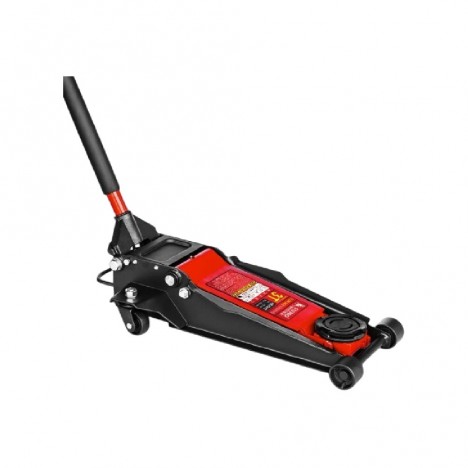
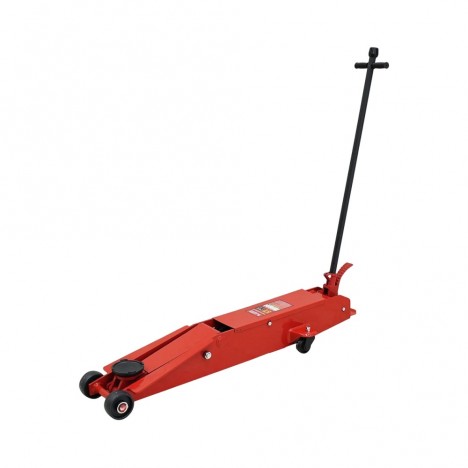

Floor Jacks It is a very popular vehicle lifting device because it can easily slide under the chassis, requires minimal pumping effort, and offers precise control over lifting heights. However, no matter how high the load capacity or how sturdy the construction of the floor jack is, lifting safety still depends on the ground surface—especially if you are considering lifting a vehicle on a slope, a driveway, a steep parking area, or roadside terrain that is not level.
In-Depth: How Does a Floor Jack Work and What Can It Lift? If you ask, "Can you use a floor jack to lift a car on an inclined surface?" the main issue is not just the vehicle's weight, but the direction of the forces involved. When the ground is tilted, a portion of the vehicle's weight pulls the car downhill along the slope, while the wheels of the floor jack may also roll along with that force.
If the vehicle or floor jack shifts even slightly during lifting, the saddle could slip off the lifting point, the jack itself could tilt, or the jack stands could carry an unbalanced load, leading to hazardous situations.
How Are Inclined Surfaces Hazardous to a Floor Jack?
According to Jack Operating Instructions and Various Safety Guidelines When lifting a vehicle on level ground, the car's weight presses vertically downward through the lifting point to the saddle, lift arm, jack frame, wheels, and ground. Even though a slight horizontal force occurs from the lift arm mechanism, the system can maintain balance as designed, provided the ground is flat and the wheels are properly chocked.
However, on an incline, gravity does not pull the vehicle down toward the ground in just one direction.
- Another component of force is also generated, pulling the vehicle down the slope.
- The steeper the incline, the greater the force causing the vehicle to move down the slope.
- Even with the transmission in Park, the handbrake engaged, and wheel chocks in place, the vehicle is still not as stable as when parked on level ground.
A floor jack itself also has caster wheels under its base, which serve to help the jack shift and compensate for the arc motion of the lifting arm when lifting a car on level ground. But on a slope, the wheels may be subjected to forces that continuously pull the jack down the incline. Movement does not occur solely from the lifting mechanism, but can also be caused by the steepness of the ground.
If the floor jack starts to roll, the saddle will no longer align with the lifting point, and the risks will increase rapidly.
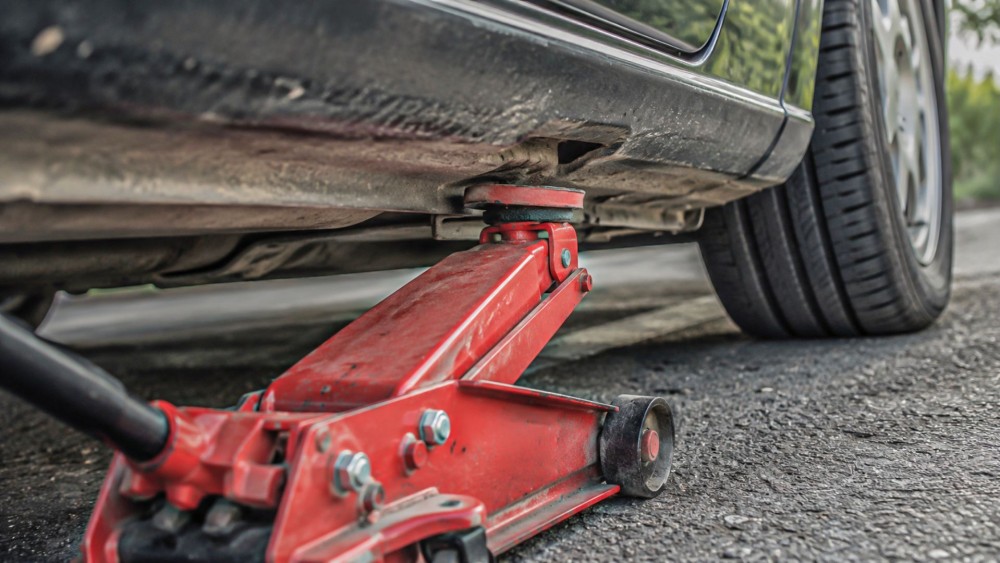
Potential Risks When Lifting a Vehicle on a Slope
Before lifting, all four wheels are still in contact with the ground, helping to maintain the vehicle's position. But once a floor jack lifts one corner of the car, the wheel nearest to the lifting point comes off the ground, reducing the friction that previously helped resist rolling. The vehicle's weight shifts to the remaining wheels, the jack, and the wheel chocks instead. Even if the car shifts by just a few centimeters, it may be enough to dislodge the saddle from the lift point or cause the jack to take on lateral forces until it loses balance.
The Floor Jack May Slide Down the Slope
Floor jacks are designed with wheels that can rotate and roll because as the lifting arm swings upward, the saddle moves in a slight arc, requiring the jack body to shift to compensate and stay aligned with the lift point. However, this mobility becomes a hazard when used on a slope, as the downward force on the wheels can cause the jack to roll downhill—especially on polished concrete, tile, or surfaces covered in dust, water, oil, or grease.
Some might think this can be solved by chocking the floor jack wheels with wood, bricks, steel, or tools. However, temporarily locking the wheels can create another issue, as the jack won't be able to roll smoothly to compensate for the lifting arm's arc movement. As a result, lateral stress may build up at the saddle and the vehicle's lift point.
If the wheel-chocking material slips, cracks, or collapses under load, the floor jack could shift abruptly without warning.
The Floor Jack Saddle May Slip Off the Lift Point
A vehicle's lift points often have relatively small contact areas, such as pinch welds along the rocker panel, reinforced frame points, or designated adapter slots. When the vehicle and jack are not properly aligned,
- pressure on the saddle will not be evenly distributed.
- One side of the saddle may bear more load than the other,
- causing the rubber pad to twist, the body flange to deform, or the saddle to gradually slip out of position.
- This risk can develop so slowly that the user might not notice it in time.
- Initially, the jack might lift the car normally, but as the height increases, the angle of the vehicle and the trajectory of the lifting arm change.
- If the car begins to roll down the slope or the jack moves in an opposing direction, the saddle will be pulled further away from the center of the lift point, potentially causing a sudden slip-off.
Floor Jacks and Jack Stands May Experience Lateral Forces
Floor jacks and jack stands are designed to support weight primarily in a vertical direction. If used on an incline, the vehicle's weight does not press straight down into the center of the base, but instead generates lateral forces that push the equipment to tilt or slide. A jack stand that looks stable while unloaded may lean because one side of the base bears more load than the other.
Adjusting each stand to different heights to compensate for the slope does not make them bear loads like they would on flat ground, because the base of the stand is still resting at an angle on the floor, and the downward force is not passing squarely through the center of the base. If you torque bolts, remove wheels, shake suspension components, or exert force on the car during repairs, the vibrations will make the stands much more likely to shift or tip over than on level ground.
Can a Floor Jack Be Used on a Slight Slope?
Many people may think that a slight slope in a driveway or garage floor is too minimal to affect using a floor jack. However, visual assessment of slope can be deceptive. A surface that looks almost flat might still have enough incline for the vehicle or the jack to shift when the weight distribution changes, especially with heavier vehicles.
Additionally, garage floors may be designed with a slight outward slope for drainage. This type of slope may not be clearly visible, but it can cause the jack's wheels to roll in one direction once it starts bearing weight. If you leave a floor jack on the ground and it slowly rolls on its own, that is a sign the surface is not suitable for lifting a vehicle, even if the slope seems minor.
If you cannot confirm that the ground is solid, flat, and level, you should consider that surface unsuitable for using a floor jack—especially for jobs requiring wheel removal, working underneath the vehicle, or leaving the car on jack stands for an extended period.
Do wheel chocks allow a floor jack to lift a vehicle on a slope?
Wheel chocks are essential safety tools that help prevent the vehicle from rolling while being lifted, but they do not make an inclined surface as safe as level ground. If the ground is slippery, dusty, gravelly, or steep, the chocks could slide along with the wheels. Furthermore, as the vehicle is raised, the load on each wheel shifts, causing the force acting against the chocks to constantly increase or decrease.
Chocking wheels on only one side may also not be sufficient on an incline. The vehicle can shift either upward or downward as the center of gravity shifts. Even when using wheel chocks at both the front and rear, you still cannot control the floor jack sliding or jack stands tilting.
In addition, you should never use ordinary bricks, stones, or scrap wood in place of proper wheel chocks, as these materials can crack, slip, or shift out of position under heavy loads. Proper wheel chocks should be made of durable materials, feature a ground-gripping base, and be appropriately sized for the vehicle's tires. Even with standard equipment, however, you should still move the vehicle to lift it on a level surface.
Risk prevention tips before using a floor jack
The most effective preventive measure is never to lift a vehicle on an inclined surface. Move the vehicle to solid, flat concrete free of cracks, gravel, and oil stains. If you have a flat tire but can still move safely, you may slowly drive a short distance to a suitable spot, taking into account the condition of the tire, wheel, and the vehicle's manual first, as continuing to drive on a damaged tire may cause further damage to the wheel or suspension system.
Prevent vehicle movement before lifting
Once parked on level ground, turn off the engine, engage the gear according to the manufacturer's recommendations, and place wheel chocks against the wheels that remain in contact with the ground.
- Lifting the front of the vehicle: Chock the rear wheels.
- Lifting the rear: Chock the front wheels.
- When lifting from the side, chock both front and rear wheels on the opposite side as appropriate.
Inspect the floor jack's wheels and jacking points
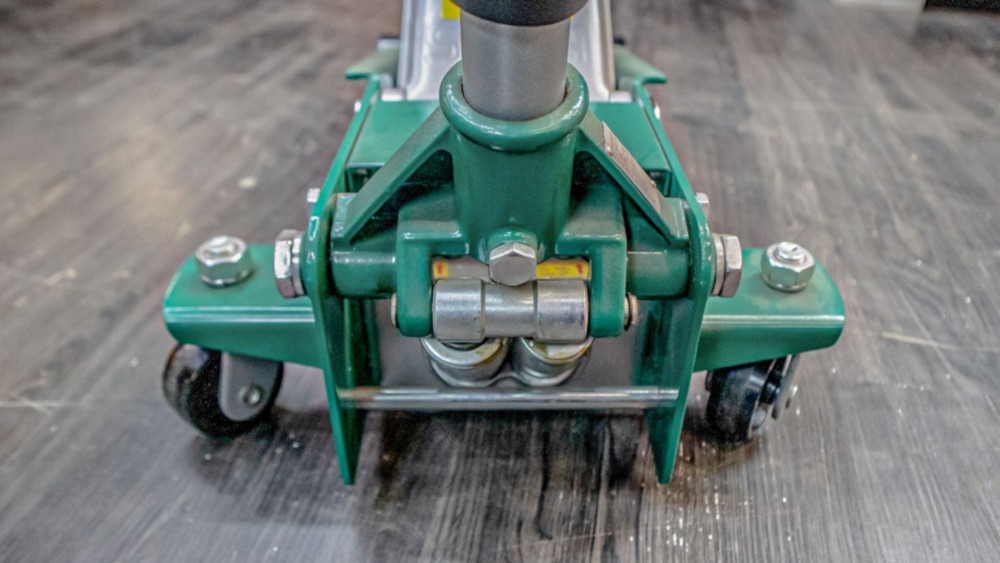
The wheels of the floor jack should roll smoothly without cracks, bends, or obstructions from gravel or wire. Stiff wheels can prevent the jack from rolling to compensate along the arc of the lifting arm, while excessively loose wheels can cause the base to wobble. When placed on the ground, the jack should sit flat with all wheels touching the surface, showing no signs of tilting caused by a twisted frame or ground subsidence.
Always use jack stands before working under the vehicle
A floor jack is designed to raise and lower a vehicle; it should not be used alone to support the entire vehicle's weight during repairs. Once lifted to the desired height, place jack stands beneath the proper support points, then slowly lower the jack so the vehicle rests securely on the stands. Both stands should be placed on level ground, adjusted to equal height, and support the load symmetrically.
If the vehicle is parked on a slope and cannot be driven off, have a professional help move it to level ground first.
- Do not use multiple jacks to level the vehicle.
- Do not stack multiple layers of wood beneath the jack
- Do not use ropes or straps to secure the vehicle to a post as a substitute for level ground
Forcing the use of a floor jack or various equipment to lift and level may create additional hazard points and does not guarantee that the setup can bear loads safely.
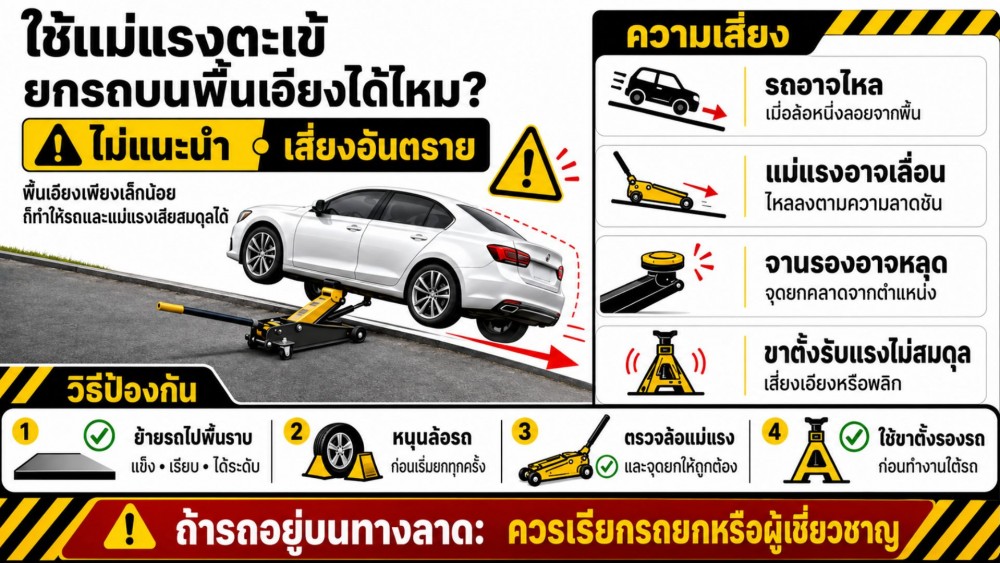
Conclusion: Can You Use a Floor Jack on an Incline?
A floor jack should not be used to lift vehicles on an inclined surface. Because even a slight slope can generate lateral forces that pull both the car and the jack down the incline. Once a wheel lifts off the ground, the weight distribution shifts. The vehicle may roll, the jack may shift, the saddle pad may slip off the lift point, and the jack stands may bear the load unevenly. Even if you engage the gear, pull the handbrake, and use wheel chocks, it still cannot reduce the risk to the same level as lifting on flat ground.
The proper preventive method is not locking the jack wheels with bricks, using wood blocks to level it, or adding makeshift equipment, but moving the vehicle to a firm, flat, and level surface, verifying the lift points, using a properly rated jack, chocking the wheels, and placing jack stands before starting work. If the vehicle cannot be moved off the slope, you should call for roadside assistance or a tow truck instead of risking a DIY repair.
The strength of Floor Jacks cannot compensate for unsuitable site conditions like an inclined surface. Choosing the right lifting location is therefore extremely critical for safety.