


 EN
 ไทย


Customers Also Purchased
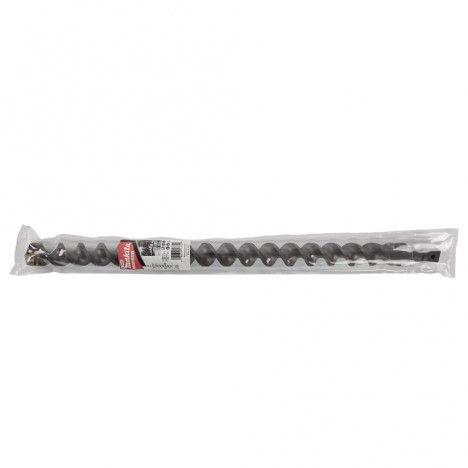
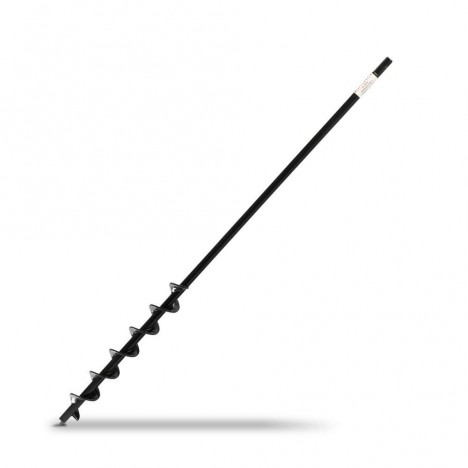
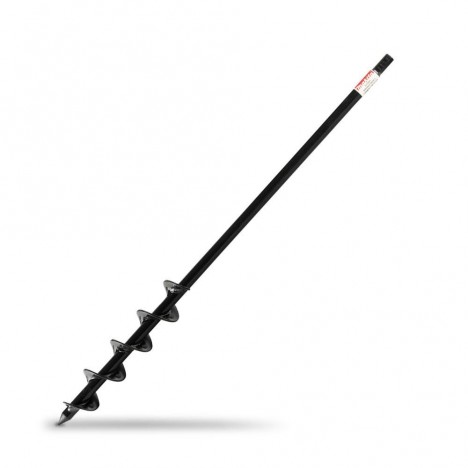
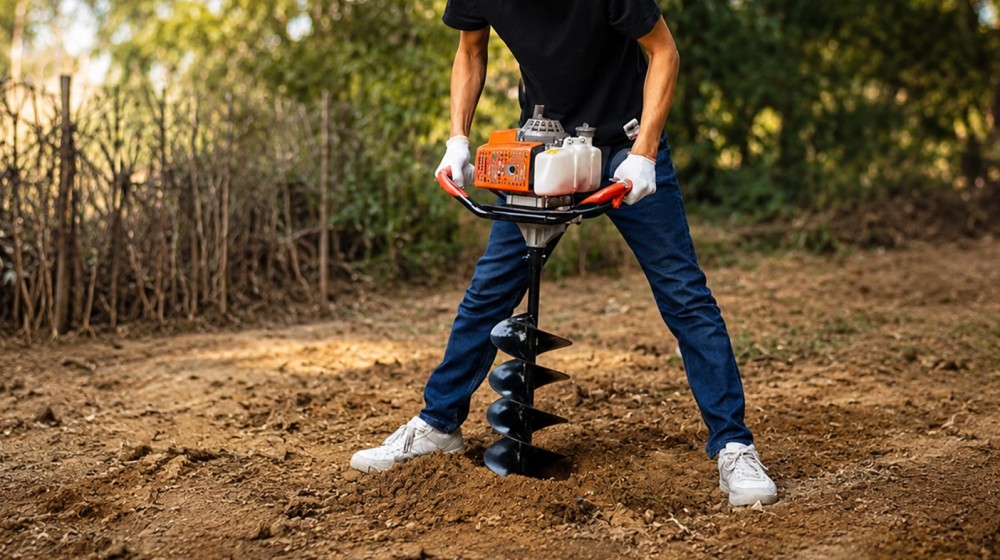
An earth auger saves immense time and labor when digging holes, whether you are planting trees, erecting fence posts, setting up greenhouse poles, or landscaping. The auger bit rotates into the ground while conveying the soil up, producing round holes of consistent size compared to digging traditionally with a hoe or spade. However, when the area contains gravel, stones, or buried rocks, many wonder if an earth auger can be used, whether higher horsepower can drill through rocks, and if the bit hits a rock, should you force it through or stop the machine immediately.
The answer: An earth auger can be used in soil mixed with rocks to a certain extent, but it cannot drill through all types of solid rock. Its primary function is to "cut and convey soil," not to "crush rock" like dedicated rock drills.
Earth augers are not designed to drill directly into rock.
Before looking at whether Earth auger can be used on rocky ground, let's understand its operating principle first. The tip of the auger bit bites into and loosens topsoil, while the bottom cutting blades help open the hole. Excavated soil debris is carried upward along the flighting, much like a large screw driving into the ground.
In loose or sandy soil, the auger bit will penetrate continuously. But when it hits rock, the situation changes immediately because rock does not fracture or get cut as easily as soil.
- Small stones: The auger bit may push them aside or convey them up along the flighting.
- Large rocks / hard rock layers: The bit tip will stall while the engine still tries to rotate, sending torque back to the handles and causing violent kickback or twisting.
For this reason, many manufacturers' manuals recommend avoiding excessively rocky areas. If the auger bit experiences severe twisting or jerking from hitting rocks, tree roots, or obstacles, immediately release the throttle and lift the bit out of the hole. Earth augers can handle soil mixed with rock debris to a certain extent, but they are not tools designed directly for drilling rock.
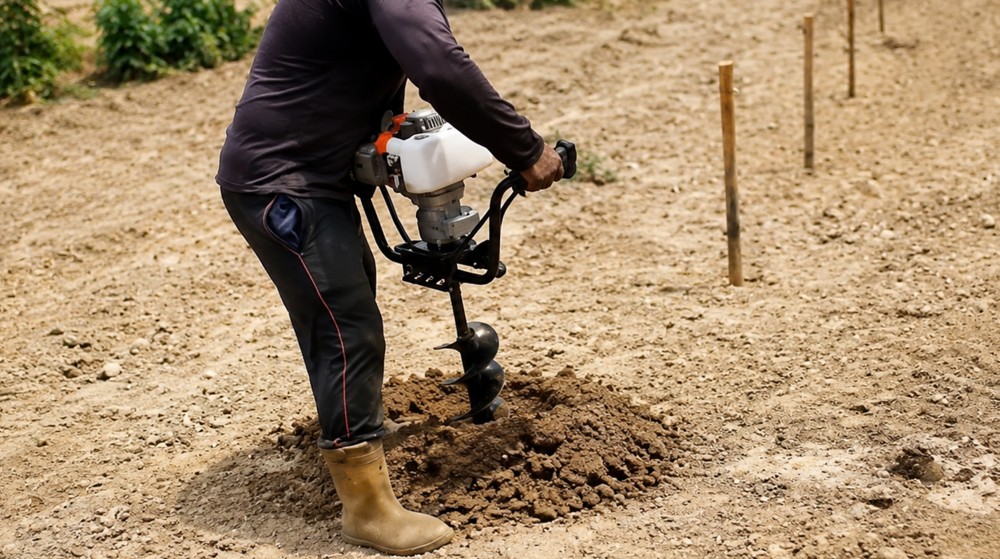
How much rock can a typical earth auger get through?
There is no fixed number, as each type of rock varies in shape, hardness, and embedded depth. Different machine models also feature varying torque, gear ratios, and safety systems. However, an overall assessment can be made as follows:
- Works well: Soil with small gravel or sparsely scattered rock fragments
- Works with limitations: Encountering small to medium-sized rocks in some spots
- Not suitable: Ground densely packed with large boulders, compacted rock, or continuous solid rock layers
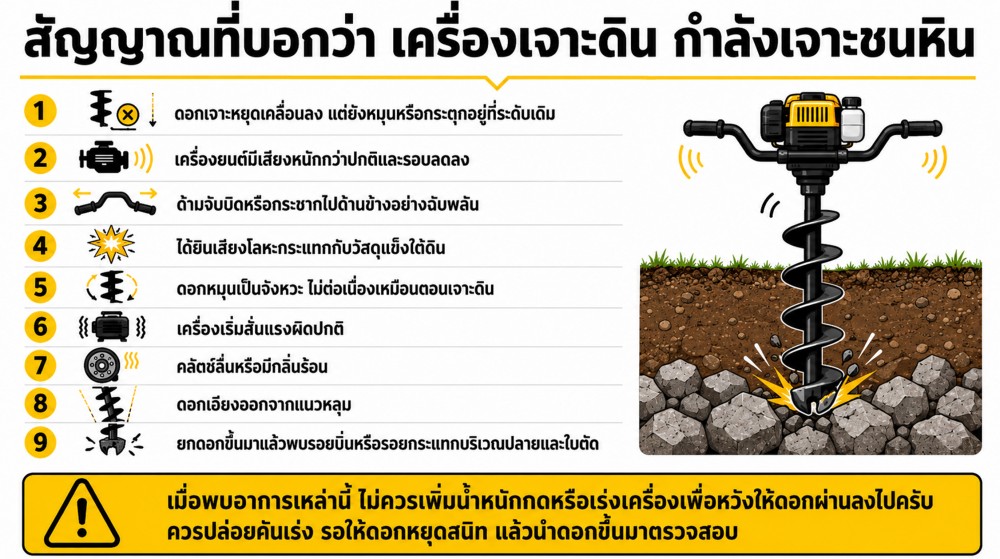
What matters more than rock size is observing whether the bit is still cutting soil and progressing downward continuously. If the machine repeatedly impacts, the bit frequently binds, RPM consistently drops, or it jerks uncontrollably, these are signs that ground conditions have exceeded the machine's capabilities.
High-powered earth augers do not necessarily mean they can always drill through rock
High horsepower earth auger = drills through any rock is a misconception. Machine power is only one of many factors. A high-output engine helps the auger bit rotate smoothly in clay, hard-packed dirt, or large-diameter holes. However, if the tip of the bit strikes a rock it cannot cut, the extra power merely turns into more violent kickback torque. Therefore, a high-power machine must be paired with:
- An appropriate gearbox and gear ratio
- A clutch and bit-stop system (some models feature an auger brake system that helps stop rotation when hitting solid obstacles and reduces kickback)
- A handle frame structure that withstands forces well
For rocky ground, low RPM + suitable torque is often better than high RPM, because the bit has time to engage and chip away at material piece by piece, reducing repetitive impacts. Some heavy-duty auger bit manufacturers recommend pairing rocky-soil bits with a lower gear ratio than standard earth augers.
Auger bit size affects drilling in rocky areas
An auger bit with a larger diameter must cut a broader surface area of soil, requiring more torque and power from the machine. In rocky terrain, the likelihood of the cutting edges striking multiple rocks simultaneously also increases.
If you use a bit that is too large for the machine's capacity, the unit may spin freely above ground, but the RPM will drop immediately upon touching the soil. The bit may frequently stall, the clutch will overheat, and the operator will have to exert more effort lifting the machine.
In areas with unknown subsoil conditions, starting with a smaller bit to probe the hole path can make it easier to detect obstacles. Once a pilot hole is established, switch to the desired size. While this method will not allow drilling through large boulders, it reduces the initial contact surface and improves control over the hole's alignment.
For installing fence posts or planting trees, operators should choose a hole size suitable for the actual job. There is no need to use the largest bit supported by the machine, because a larger bit increases the load transferred to both the machine and the operator.
Conclusion
Earth augers can be used in soil mixed with small rocks as long as the bit continues to advance downward and clear soil normally. However, when encountering large boulders, dense compaction, or hard bedrock layers, standard machines cannot cope because they are designed to dig soil, not crush rock.
When deciding whether to continue operating, do not look only at horsepower—observe the machine's behavior while working as well. Signs to stop immediately: the bit binds, the machine jerks, RPM drops, handles twist, or there are repeated clunking noises. Never force the throttle, as this can damage the auger bit, clutch, and gearbox, and may cause injury to the operator.
Select Earth auger to suit the application