


 EN
 ไทย


Customers Also Purchased
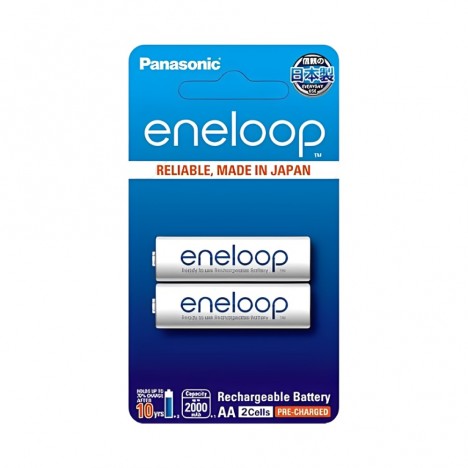
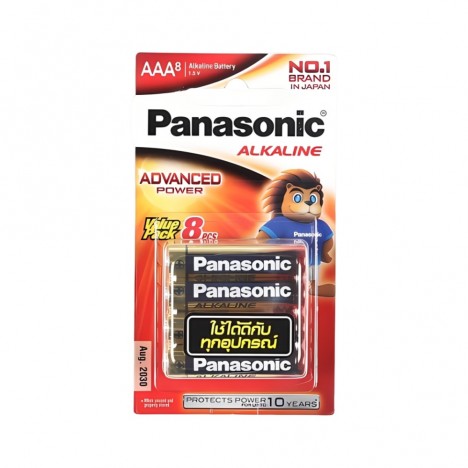
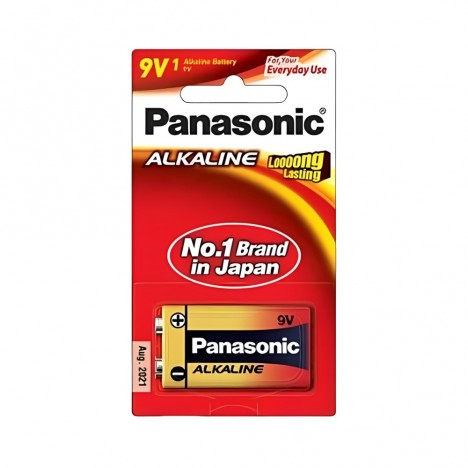
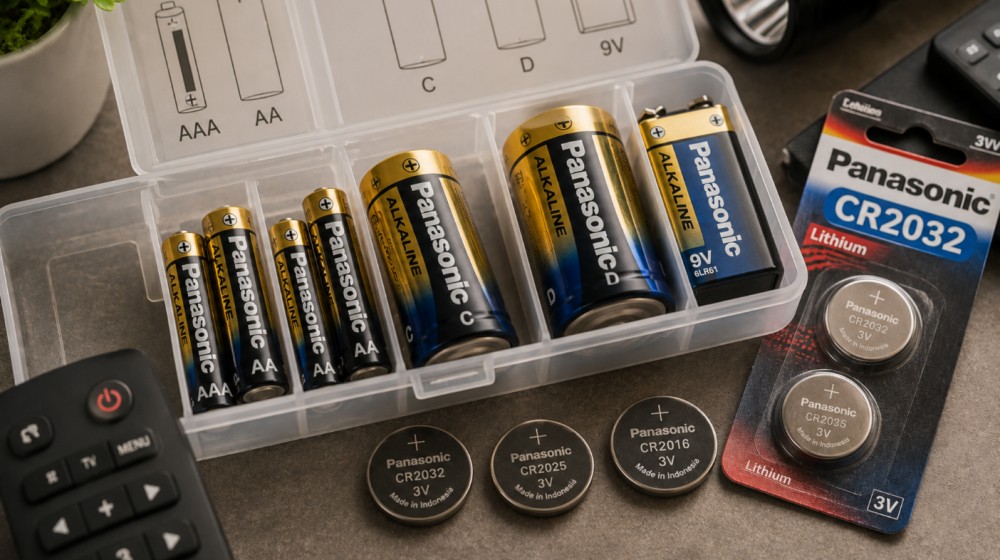
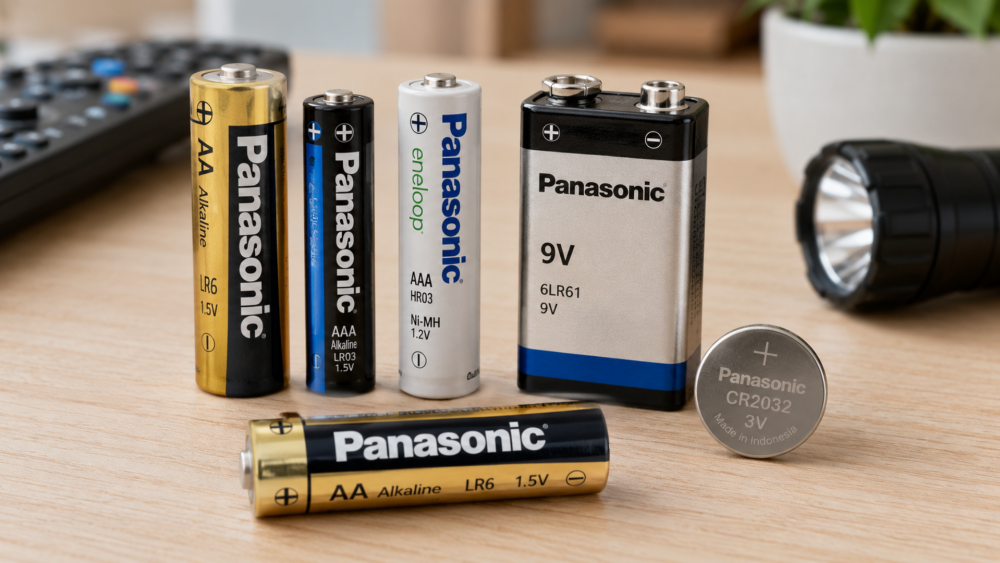
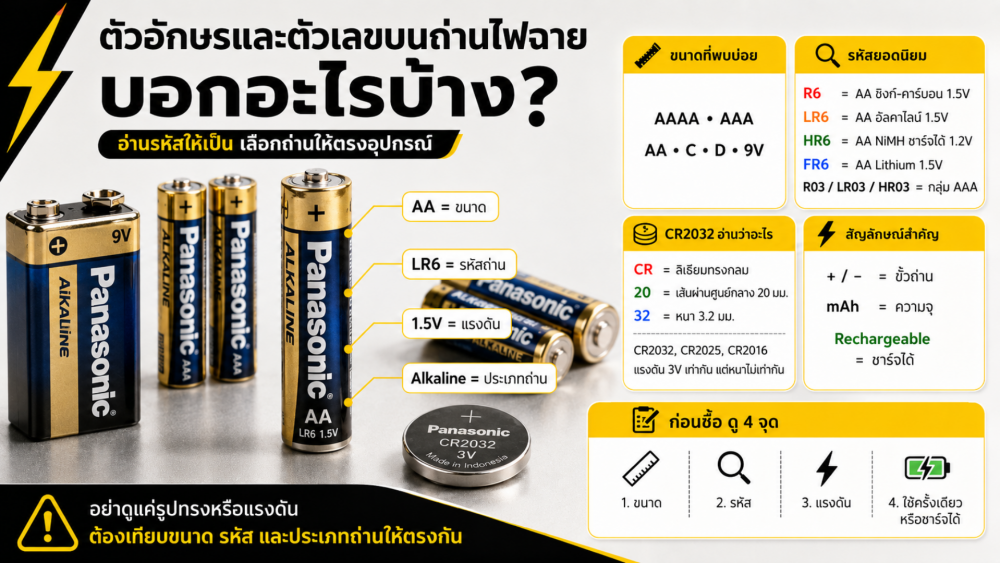
On a Flashlight Batteries single battery, there are often letters, numbers, and symbols printed in various places, such as AA, AAA, LR6, HR03, CR2032, 1.5V, or 3V. This information is not meant to look complicated, but to indicate the battery's size, shape, chemical system, and voltage rating. For example, a battery might be labeled AA, LR6, 1.5V, Alkaline. Each set of markings indicates something different: AA is the size name, LR6 is the code used to classify the battery type, 1.5V is the nominal voltage, and Alkaline indicates that it is an alkaline battery. Knowing how to read the information on a battery helps prevent purchasing mistakes, especially for batteries with similar shapes but different chemical systems or voltages.
AA, AAA, C, and D are battery size designations
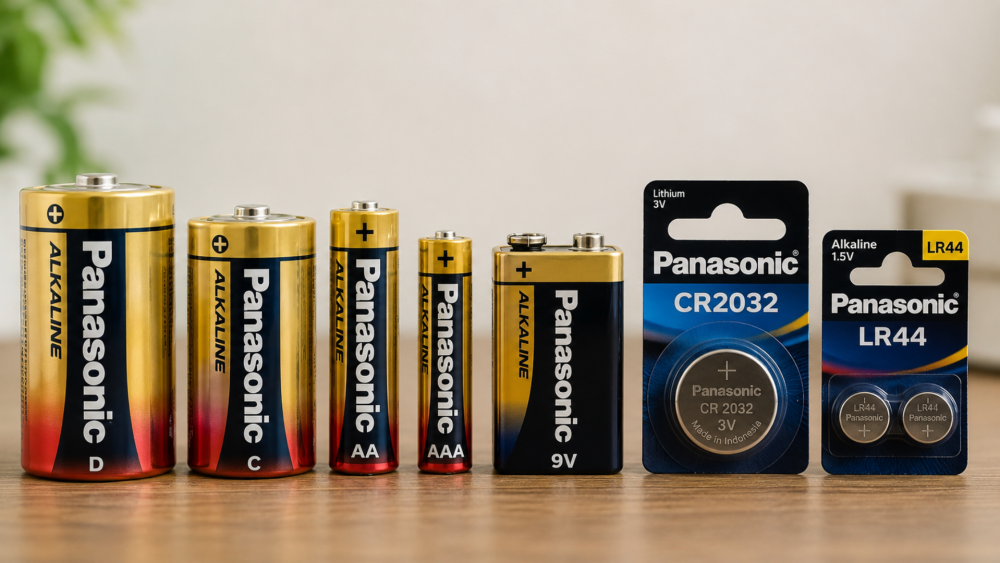
Designations like AA and AAA are the size codes most familiar to users. They indicate the physical dimensions of the battery, such as length and diameter, ensuring a proper fit in the battery compartment.
Commonly found sizes include the following:
- AAAA A small cylindrical battery used in certain devices, such as digital pens or compact electronic tools.
- AAA Commonly used in remote controls, wireless mice, mini flashlights, and portable devices.
- AA A very common size used in toys, clocks, radios, flashlights, and household appliances.
- C Larger than AA, suitable for devices requiring more sustained power.
- D A large cylindrical battery, typically found in heavy-duty flashlights or certain types of radios.
As for the rectangular battery commonly referred to as a 9V battery, it is not a size designation like AA or AAA, but rather a familiar name based on its voltage and shape. Alkaline versions may bear the code 6LR61, while zinc-carbon versions may use 6F22. Importantly, the size designation does not indicate the internal chemistry. An AA battery can be alkaline, zinc-carbon, lithium, or rechargeable.
What is the difference between R6, LR6, and HR6 codes?
Batteries of the same size may have different codes depending on their chemical system. A clear example is the AA size battery.
| Code | Common size name | Chemistry system | Common nominal voltage |
| R6 | AA | Zinc–carbon | 1.5V |
| LR6 | AA | Alkaline | 1.5V |
| HR6 | AA | Rechargeable nickel-metal hydride | 1.2V |
| FR6 | AA | Single-use lithium iron disulfide | 1.5V |
In the code LR6 The letter L indicates the alkaline chemistry system, while R indicates a round or cylindrical cell, and the number 6 is a size code, not a 6-volt voltage rating.
Meanwhile, R6 Used for AA-size zinc–carbon batteries, where some models may have additional suffix letters such as R6P or R6S to distinguish the type or performance level.
Code HR6 Used for AA-size rechargeable nickel-metal hydride or NiMH batteries, which generally indicate a nominal voltage of 1.2V.
The same principle applies to AAA-size batteries as well.
- R03 Refers to AAA-size zinc–carbon batteries.
- LR03 Refers to AAA-size alkaline batteries.
- HR03 Refers to AAA-size rechargeable NiMH batteries.
Even though LR6 and HR6 fit into the same battery compartment, their nominal voltages differ. Many devices support both types, but it should not be assumed that they are interchangeable in all cases; always check the device manual before choosing.
The trailing numbers in LR6 and LR03 are not dimensions in millimeters.
The number 6 in LR6 or the number 03 in LR03 is a reference number in the nomenclature system; it should not be directly interpreted as the battery having a diameter of 6 or 3 millimeters. These codes must be read as a whole set: for example, LR6 designates an AA-size cylindrical alkaline battery, while LR03 designates an AAA-size cylindrical alkaline battery. Therefore, when buying batteries, you should look at the full code, not just the trailing number.
How to read the CR2032 code
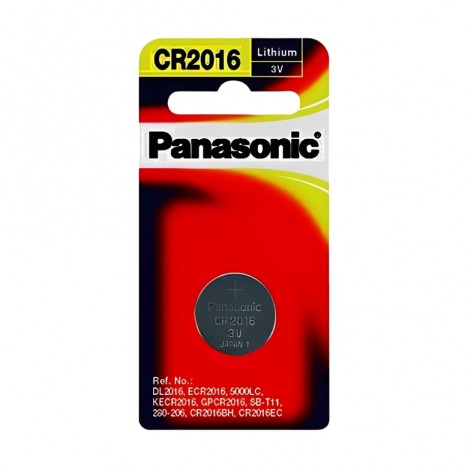
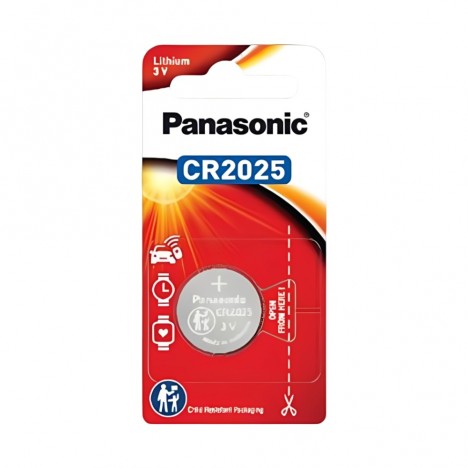
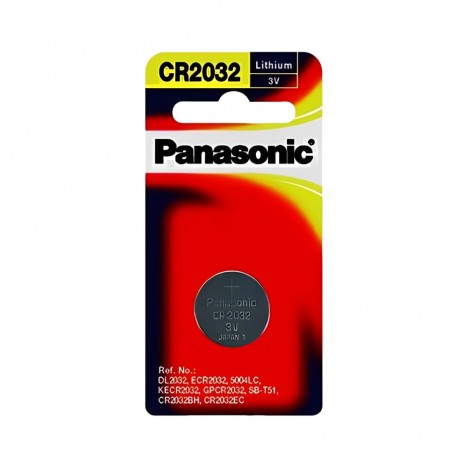
Lithium coin cell batteries often use codes that provide more detailed information. Common examples include: CR2032
This code can be broken down as follows:
- C Indicates the lithium manganese dioxide chemical system
- R Refers to a round/cylindrical cell shape
- 20 Refers to a diameter of approximately 20 mm
- 32 Refers to a thickness of approximately 3.2 mm
Therefore, CR2032, CR2025, and CR2016 batteries all have the same diameter of approximately 20 mm, but differ in thickness.
- CR2032 is approximately 3.2 mm thick
- CR2025 is approximately 2.5 mm thick
- CR2016 is approximately 1.6 mm thick
Although all three types of batteries have the same nominal voltage of 3V, they should not be interchanged based on voltage alone, because their thickness, capacity, and terminal contact inside devices are not the same. If you use a battery that is too thin, the contacts may not seat firmly, causing the device to operate intermittently. A battery that is too thick may damage the battery compartment or cover.
What do 1.5V, 1.2V, and 3V mean?
The letter V stands for Volt, indicating the nominal voltage of the battery.
Common values include:
- AA and AAA zinc-carbon batteries usually specify 1.5V
- AA and AAA alkaline batteries usually specify 1.5V
- AA and AAA NiMH rechargeable batteries usually specify 1.2V
- CR2032 lithium coin cell batteries usually specify 3V
- Common rectangular batteries may specify 9V
The voltage printed on the cell is the nominal voltage of the product. It does not mean the battery will maintain a constant voltage equal to this number throughout its entire lifespan, as the actual voltage fluctuates depending on the remaining energy level, current draw of the device, temperature, and battery chemistry. Therefore, when replacing batteries, you should always verify that the voltage matches the device specifications, rather than selecting based on physical size alone.
mAh Indicates Battery Capacity
Rechargeable batteries often show figures like 800 mAh, 2,000 mAh, or 2,500 mAh. Here, mAh stands for milliampere-hour, which denotes electrical capacity under specified test conditions.
For the same battery type, identical size, and under similar testing conditions, a battery with a higher mAh rating generally provides more energy per cycle. However, this does not mean the operating time will always increase in direct proportion, as it also depends on the device characteristics, temperature, battery age, and current draw. Therefore, the mAh rating is best suited for comparing batteries within the same category rather than across different chemistries.
Plus and Minus Signs Indicate Battery Insertion Orientation
The + and − signs indicate the electrical polarity of the battery. They must be aligned with the symbols inside the battery compartment.
Most cylindrical batteries have the positive terminal on the raised button side and the negative terminal on the flat side. However, you should also verify the markings on the cell itself, especially for uniquely shaped or coin-cell batteries.
Inserting batteries in reverse polarity may prevent the device from operating, and in multi-cell devices, it can cause some batteries to overheat, leak, or degrade prematurely.
What Alkaline, Lithium, and Rechargeable Mean
The terms printed on the label directly indicate the battery chemistry and type.
Alkaline Refers to single-use alkaline batteries, commonly found in AA, AAA, C, D sizes, and 9V rectangular batteries. Batteries of this type should not be recharged unless the manufacturer explicitly specifies that they are rechargeable.
Zinc Carbon or Zinc Chloride Refers to single-use zinc-carbon or zinc-chloride batteries. Suitable for low-drain devices such as remotes or certain types of wall clocks.
Lithium The word "Lithium" indicates that the battery utilizes a lithium-based chemistry, but you still need to check the full code and voltage, as there are many different types of lithium batteries. For example, CR2032 is a 3V lithium coin cell, whereas certain types of AA lithium batteries may specify 1.5V.
Rechargeable or NiMH
Refers to batteries designed to be recharged. For AA or AAA NiMH batteries, you will often find the codes HR6 or HR03 and a nominal voltage rating of 1.2V. You should use a charger that supports both the battery chemistry and size. Never place single-use disposable batteries into a charger.
Does the date on the battery mean the expiration date?
Many single-use disposable battery models feature statements like "Best Before" or "Use Before" along with a date. This information indicates the shelf life period guaranteed by the manufacturer under specified storage conditions. Once past that date, it does not mean the battery will lose all charge immediately, but its performance and energy retention capacity may no longer fall within the manufacturer's guaranteed specifications. Some sets of numbers might be batch codes, production dates, or factory codes, which vary by brand. If there is no accompanying text, do not interpret the meaning from the numbers alone.
What should you check when replacing batteries?
The easiest way is to remove the old battery to read its information, then compare it with the new battery on at least 4 points:
- Size, such as AA, AAA, or CR2032
- Code, such as LR6, HR6, or CR2032
- Voltage, such as 1.2V, 1.5V, or 3V
- Whether it is a single-use disposable battery or a rechargeable battery
If the codes do not match but the seller indicates they are interchangeable, verify with the device manual or the manufacturer's cross-reference chart again. Some battery models may share similar sizes and voltages but use different chemistry systems, making them unsuitable for all device types.
The letters and numbers on a battery are not merely SKU numbers, but essential details indicating its size, chemical system, and voltage rating. Before purchasing a replacement, fully compare the details with the original battery or device manual to significantly reduce issues with wrong sizes, mismatched voltages, or incorrect battery types.