


 EN
 ไทย


Customers Also Purchased


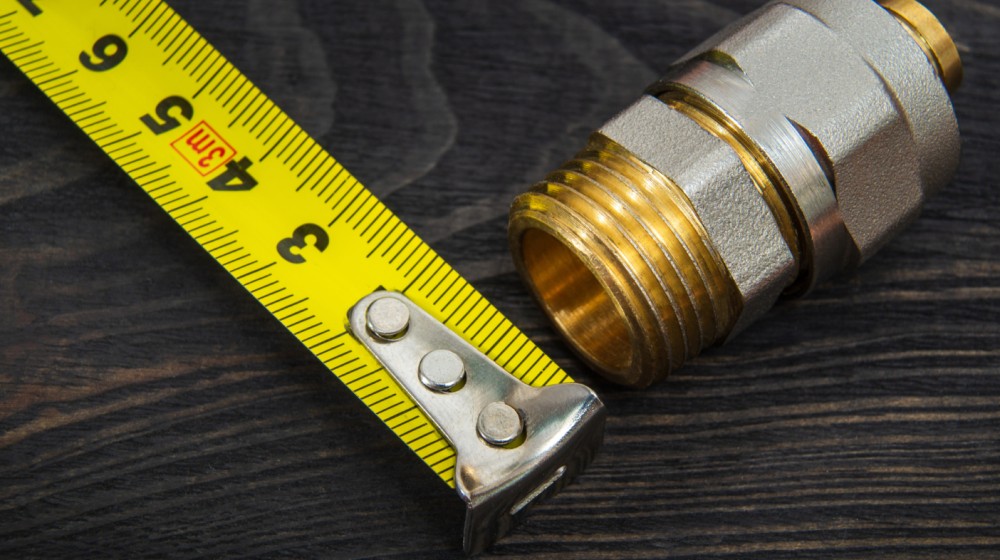
Brass Fittings Even if items are both specified as 1/2 inch, it does not mean they can all be threaded together. In addition to the nominal size, you must also check the thread type and standard. Commonly found fittings may be BSPP, BSPT, or NPT, which include both parallel and tapered threads as well as different thread profiles.
Problems often arise when two fittings are so close in size that they initially thread together, leading the installer to assume they share the same thread type. However, as it is tightened deeper, it becomes tight, requiring unusually excessive force, or leaks water and air at the joint after assembly.
When choosing brass fittings, you should not look only at the sizes—such as 1/4, 3/8, or 1/2 inch. You must also check whether the thread is BSPP, BSPT, or NPT, as well as whether the fitting is designed to seal via the thread itself, an O-ring, a gasket, or another mating surface.
 BSP is a group name, not a single thread type
BSP stands for British Standard Pipe, a term used to refer to a family of pipe threads based on the British system. Within this family, there are two commonly encountered thread forms:
- BSPP is a parallel or straight thread
- BSPT is the term used for tapered pipe threads in the BSP family
The term "BSP" appearing on product pages, catalogs, or merchant descriptions may not be detailed enough. Some use BSP specifically to mean BSPP, while others use it as an umbrella term for all British threads, whichIf a product simply states "BSP thread," you should check for additional information to see whether it is parallel or tapered; do not choose based solely on the word "BSP" and the inch size.
BSPP is a parallel thread that requires an external sealing point
BSPP stands for British Standard Pipe Parallel. Its key characteristic is that the thread diameter remains constant along its length; when viewed from the side, the thread lines run parallel from crest to base.
This thread type corresponds to the ISO 228-1 standard, which covers pipe threads not designed to make pressure-tight joints on the threads themselves. The threads serve to mechanically hold the components together, while sealing typically occurs via an O-ring, gasket, washer, or mating surface on the fitting.
Examples of sealing points found in BSPP fittings include:
- An O-ring at the base of the thread
- A gasket or flat washer
- A bonded seal (bonded washer combining metal and rubber)
- A conical seat / mating surface
- A flat shoulder of the fitting
Because of this, if a BSPP fitting leaks, applying more thread seal tape may not solve the problem, as the sealing point is meant to be at the O-ring or washer, not between the thread flanks.
BSPP threads are often preceded by the letter "G" before the size, such as G 1/4, G 3/8, and G 1/2. The letter G is therefore key information indicating it is a parallel thread under the ISO 228 system.
BSPT is a tapered thread in the BSP family
BSPT stands for British Standard Pipe Taper and is a widely used commercial term for tapered pipe threads according to the British or ISO systems.
A tapered male thread has a smaller diameter at the tip that gradually widens toward the base. When screwed into its mating thread, the thread flank surfaces make tighter contact along the taper.
The ISO 7-1 standard covers pipe threads where pressure-tight joints are made on the threads, specifying the dimensions, profiles, tolerances, and designations of the mating threads. However, the term BSPT used in the market does not describe all mating thread combinations. For precise specification, you should also look at the R, Rc, and Rp designations.
What do the R, Rc, and Rp designations mean?
Under the ISO 7-1 system, the designations are defined as follows:
- R is a tapered external (male) pipe thread
- Rc is a tapered internal (female) pipe thread
- Rp is a parallel internal (female) pipe thread designed to mate with an R tapered external thread
A key point to note is that even though Rp is a parallel internal thread, it is part of the pressure-tight jointing system under ISO 7-1, not a G thread under ISO 228-1. Therefore, two parallel threads may look similar externally, but serve different functions and fall under different standards. Seeing that they are both straight threads is not enough to confirm they are interchangeable.
NPT is an American standard tapered pipe thread
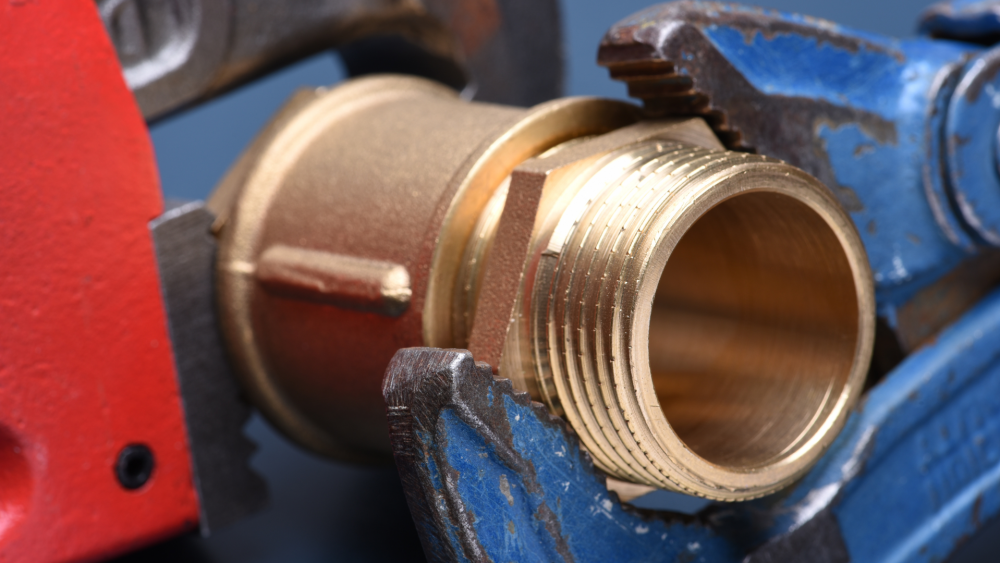
NPT stands for National Pipe Taper, a tapered pipe thread widely used in American-system equipment. The relevant standard is ASME B1.20.1, which covers the dimensions and gauging of various pipe threads, including NPT.
The assembly principle is similar to BSPT threads in that the threads seal tighter as they are screwed deeper. However, the thread profile differs: NPT threads use a 60-degree included angle, whereas the BSP family uses a 55-degree included angle.
In addition to the thread angle, the threads per inch (TPI) in some sizes also differ. Even if the outer dimensions appear close, the thread flanks will not engage properly if you try to thread NPT into BSPT.
Why does a 1/2-inch thread measure larger than 1/2 inch?
The size number of a pipe thread is a nominal size, not the actual outer diameter of the thread crests. Therefore, a thread specified as 1/2 inch does not mean it will measure exactly 12.7 mm with a vernier caliper. The actual outer diameter will be noticeably larger than the nominal size number.
This comes from the pipe and fitting sizing convention and does not mean the manufacturer made the product incorrectly. To determine the size, you must compare measurements against a thread chart, rather than directly converting the measured value into inches and assuming that is the size.
Can BSPT and NPT be forced together?
Certain sizes of BSPT and NPT threads may thread together for two or three turns because their diameters and thread pitches are close, but that does not mean they are a proper thread pair.
As you tighten further, the mismatched thread angle and tooth profile cause the threads to engage only at certain spots. Common symptoms include binding earlier than usual, requiring excessive tightening torque, or being unable to thread to the desired depth.
Forcing it further can lead to issues such as:
- Chipped or deformed thread teeth
- Cracked or split female fittings
- Leaks when pressure is applied
- Able to screw in, but difficult to disassemble
- Fittings damaged beyond reuse
- Metal shavings or sealant debris entering the system
Applying excessive PTFE tape does not turn two different thread standards into a compatible pair. The tape may temporarily make the joint feel tight, but it cannot compensate for differences in angle, pitch, and thread tooth profile.
If equipment has BSPT on one side and NPT on the other, you should use a thread adapter clearly labeled with the thread types on both ends.
Can PTFE tape be used on BSPP threads?
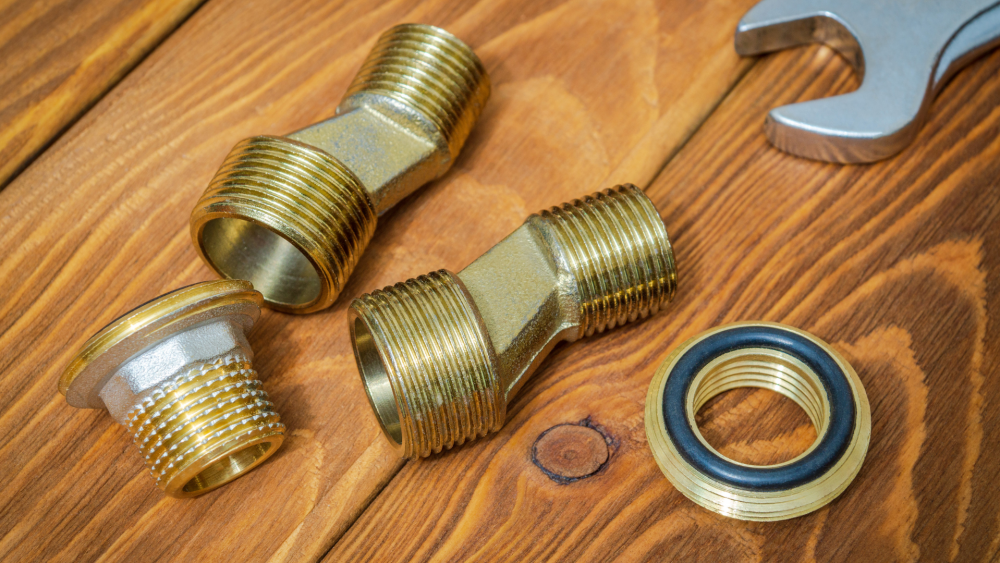
The answer depends on the fitting's design, but in principle, BSPP under ISO 228-1 is not designed to seal on the threads alone. The connection typically requires an O-ring, gasket, or dedicated sealing face.
For BSPP fittings that use an O-ring at the base of the thread, the thread's function is to pull the O-ring against the seating surface. Applying tape will not compensate for a torn, hardened, or deformed O-ring, and may prevent the fitting from tightening to its intended position.
Always check the manual or fitting structure before applying tape. If you see an O-ring, washer, gasket, or sealing face, address issues with those components rather than adding tape in an attempt to stop leaks.
Do BSPT and NPT require thread seal tape?
Tapered threads like BSPT and NPT are typically used with a thread sealant suitable for the system, such as PTFE tape or liquid thread sealant, but the product must be selected to match the fluid type, temperature, and pressure.
Sealant materials used for water systems may not be approved for gas, fuel, oxygen, or certain chemicals, so never choose based solely on the claim "suitable for threads".
Application amount and method should follow the sealant and equipment manufacturer's instructions. Wrapping tape too thickly can increase outward radial expansion forces on female fittings, causing brass fittings to crack or deform.
How to identify the thread type
Accurately identifying threads requires checking multiple factors together. You should not test by threading it into an existing fitting and judging based on whether it feels tight enough.
Check the code markings on the fitting
Start by looking for codes stamped on the workpiece, packaging, or catalog, such as:
- G 1/2 usually means BSPP
- R 1/2 means tapered male thread according to ISO 7-1
- Rc 1/2 means tapered female thread
- Rp 1/2 means parallel female thread in the ISO 7-1 system
- 1/2 NPT means NPT thread with a nominal size of 1/2 inch
If only "BSP" is marked, you should ask the seller or check additional documentation to see whether it is BSPP or BSPT.
Check whether the thread is parallel or tapered
Use a vernier caliper to measure the thread diameter at several positions. Parallel threads will have nearly uniform dimensions along their length, whereas tapered threads will vary in size from tip to base. This method helps distinguish parallel threads from tapered threads to some degree, but it cannot yet confirm whether that tapered thread is BSPT or NPT.
Measure the pitch
Use a thread pitch gauge to check the number of threads or the distance between thread crests, then compare it to the standard chart for the expected size. BSPT and NPT threads have different threads-per-inch (TPI) counts for some sizes, but identical counts for others. Therefore, thread angle and diameter must still be examined as well.
Check manufacturer data
If it is a valve, measuring instrument, pump, pneumatic component, or machinery, check the manual or equipment model number directly. Manufacturers typically specify the thread type in dimensional drawings or specification sheets. This method is more reliable than guessing based on the country of origin, because a single equipment model may offer BSPP, BSPT, and NPT options for different regional markets.
How to choose brass fittings without buying the wrong thread
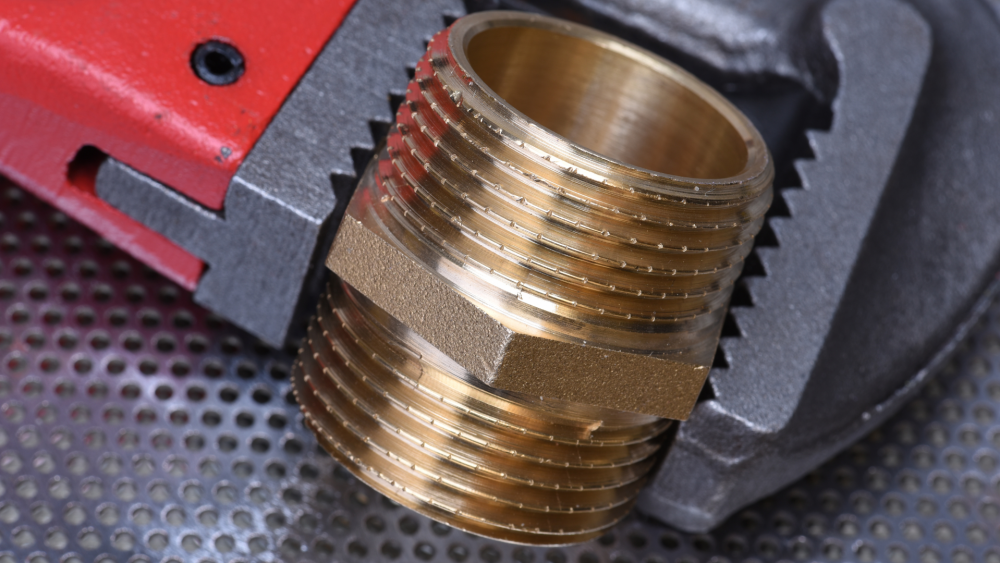
Before purchasing, note all details including size, thread type, thread gender, and sealing method. For example, avoid simply telling the seller "I need a 1/2 inch brass fitting"; instead, clearly specify whether it is G 1/2 male, R 1/2 male, or 1/2 NPT female.
If replacing an existing fitting, check the following information:
- Nominal thread size
- Male or female thread
- Parallel or tapered thread
- Designation code: G, R, Rc, Rp, or NPT
- Sealing surface location
- Fluid type and operating pressure
- Sealing material specified by the manufacturer
Fittings that look identical may use different thread systems. Verifying the specification codes clearly before purchasing is much easier than testing them on-site only to find out later that the threads do not match.
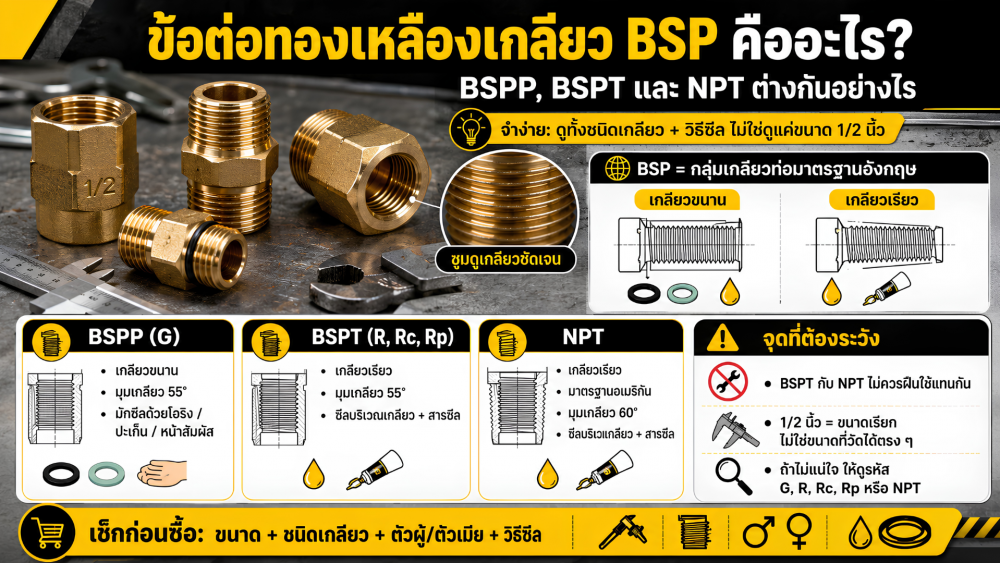
Key points to remember before using fittings
BSP refers to a family of British standard pipe threads. This group includes BSPP, which are parallel threads, and BSPT, a common term for tapered threads. NPT, on the other hand, is an American standard tapered thread.
BSPP usually uses the G designation and requires an O-ring, gasket, or contact surface for sealing. Meanwhile, the ISO 7-1 standard uses R, Rc, and Rp designations for thread pairs that seal on the threads themselves. NPT falls under the ASME B1.20.1 standard.
Although both BSPT and NPT are tapered threads and some sizes may initially thread together, their thread angles and dimensional specifications differ. Therefore, they should not be used interchangeably. If you need to connect the two standards, use a thread adapter with both sides clearly specified.
Checking the inch size alone is not enough. Before installation, always verify the designation code, thread profile, pitch, and sealing method to match the original equipment. This helps prevent stripped threads, cracked fittings, and leaks after putting the system into service.