


 EN
 ไทย


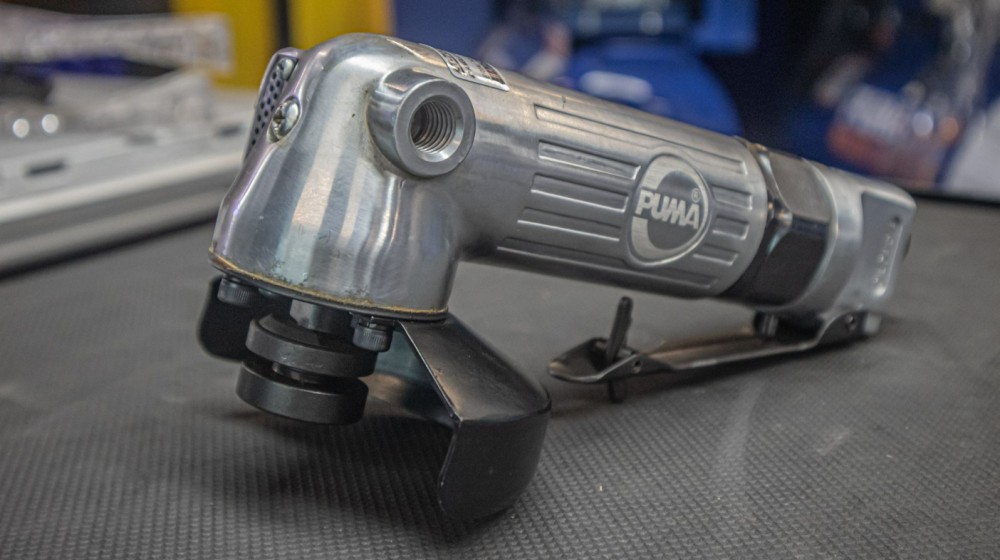
Customers Also Purchased


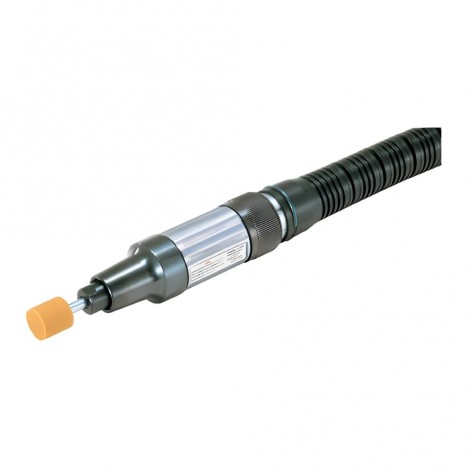
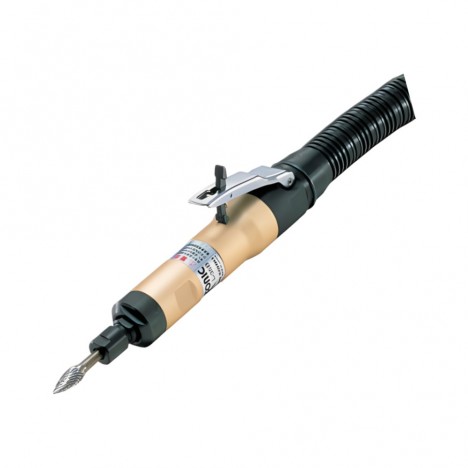

Pneumatic Grinder Its main highlights are its compact size, lightweight build, high rotation speed, and the absence of a bulky internal electric motor. This might lead us to think that this pneumatic tool can be operated continuously for as long as we want—as long as the air compressor provides enough air, the air grinder can just keep running without needing a rest like an electric grinder, which shuts off when overheated. How is an air grinder different from electric or cordless grinders?
However, after using an air grinder continuously for several hours, you might notice that "the tool is getting warm," RPM drops, the sound changes, more exhaust air leaks out, or the tool vibrates. This raises the question: are these symptoms normal for pneumatic tools, or should you actually take periodic breaks to prevent internal damage?
The answer is: air grinders can run continuously longer than some other tools, but that doesn't mean you never need to rest them. Letting the tool rest is still beneficial, especially during heavy use, high applied pressure, dusty conditions, moist air supply, or inadequate lubrication. But even more important are maintaining the air system, supplying lubricating oil, selecting the right grinding accessories, and monitoring symptoms during operation.
Air grinders don't have electric motors, so why do they still get hot?
Since air grinders use compressed air as their power source, one might assume overheating isn't an issue because there are no coils, motor, or carbon brushes like in electric grinders. This understanding is partially true, but inside an air grinder, there are still components running whenever the disc spins, such as:
- Air vane assembly
- Rotor
- Bearings
- Spindle/Shaft
- Gears
- High-speed moving parts
When the valve is opened, compressed air flows into the air grinder and pushes the vanes to spin. This rotation reaches several thousands to tens of thousands of RPM, causing internal parts to generate continuous friction against each other.
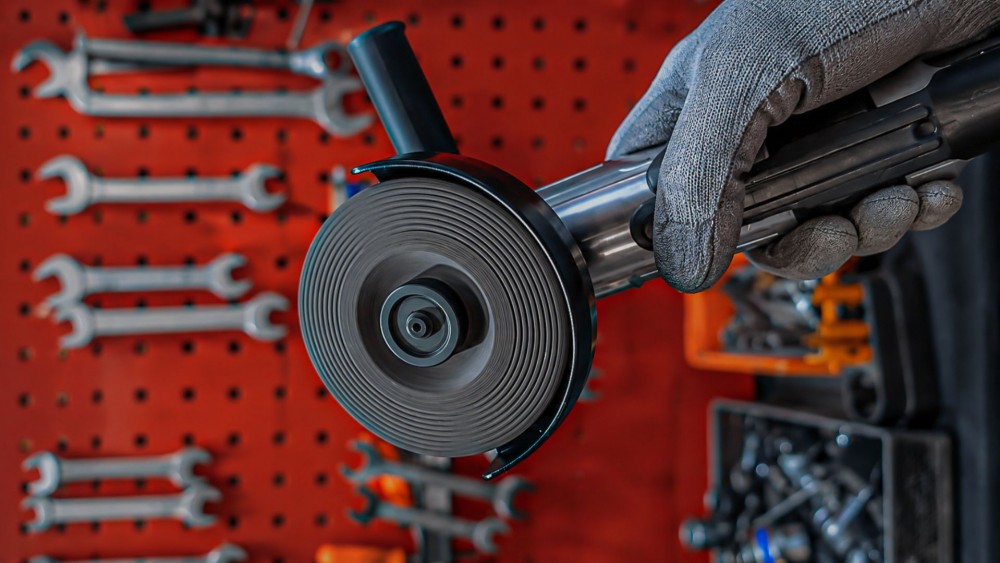
Under continuous heavy use, friction among the vanes, bearings, and transmission assembly causes internal temperatures to rise. The heat might not be as extreme as in an electric motor, but it can lead to:
- Hardened seals
- Rapid degradation of lubricating oil
- Bearing wear
- Scratched or scored internal vanes
Heat around the tool head can also be generated by friction between the grinding wheel and the workpiece. The thicker the metal being ground, or the longer the tool is pressed down in the same spot, the more noticeably heat will accumulate at the head of the tool.
Compressed air helps dissipate heat, but it doesn't solve every problem
Compressed air flowing through an air grinder helps carry heat away from the tool, which is one reason pneumatic tools are well-suited for continuous work. However, if the air volume is insufficient, pressure drops, or the hose is too small, the tool will run at lower speeds than normal. Trying to compensate by pressing down harder so the grinding wheel bites into the workpiece increases the load on the bearings and rotor vanes. Ultimately, the tool may overheat and wear out even faster, despite continuous airflow.
Air grinders therefore require both the pressure and airflow rate specified by the manufacturer. An air compressor capable of delivering the required pressure
So, should you rest an air grinder or not?
For general applications—such as trimming edges intermittently, spot-removing rust, or running the tool for just a few minutes before pausing to reposition—strict rest periods might not be necessary. The pauses taken to adjust the workpiece, change wheels, or reposition already serve as natural rest intervals for the tool.
For jobs requiring continuous trigger operation for long periods—such as grinding numerous weld seams, deburring in production processes, sanding entire metal sheets, or working on assembly lines with virtually no downtime—you should rest the tool briefly at regular intervals. This allows the temperature of the bearings and front housing to drop, lets lubricating oil coat internal components, and gives you a chance to inspect for anomalies that might otherwise be overlooked during operation.
Different types of air grinders use different air motors, gear sets, bearings, and air consumption rates. Industrial air grinders designed for heavy-duty use may handle continuous operation much better than compact tools intended for general maintenance. The best approach is to refer to the manufacturer's manual and observe the actual tool's temperature, sound, speed, and vibration during operation.
Light work can rest naturally with the workflow
In intermittent use, simply avoiding holding the trigger down continuously and releasing the tool when repositioning, inspecting the workpiece, or changing accessories is usually enough to reduce the load accumulated inside the tool.
If you need to run the tool continuously for dozens of minutes at a time, you should take opportunities to rest it for about one to several minutes, depending on the intensity of the work. During breaks, place the tool in a clean area—do not set it on metal shavings or grinding dust, and never place a still-spinning wheel on a workbench or the floor.
Heavy work calls for resting both the tool and the operator
In heavy-duty work, taking breaks benefits not only the lifespan of the air grinder but also minimizes risk to the operator. Even though air grinders are not very heavy, holding a vibrating tool against torque for long periods can cause fatigue in hands, wrists, arms, and shoulders. As muscles tire, control over the grinding angle degrades; operators may tilt the wheel improperly, causing kickback or accidental contact with unwanted areas.
Additionally, short pauses allow you to inspect the condition of the grinding wheel, flange nuts, and air hose, as well as adjust your posture. For tasks that must run continuously throughout the day, rotating between multiple tools may be more appropriate than forcing a single tool to operate nonstop.
Factors that require more frequent rest for air grinders
- Insufficient airflow rate
- Insufficient lubrication
- Moisture and water in the air system
- Grinding wheel or abrasive not suited for the job
- Excessive downforce applied
If you have to press down so hard that the air grinder nearly stalls, check whether the right type of wheel is selected, whether the wheel is dull, whether the air supply is adequate, and whether the grinding angle is correct. Trying to fix the issue by increasing air pressure and downforce can lead to premature damage to both the tool and the grinding wheel.
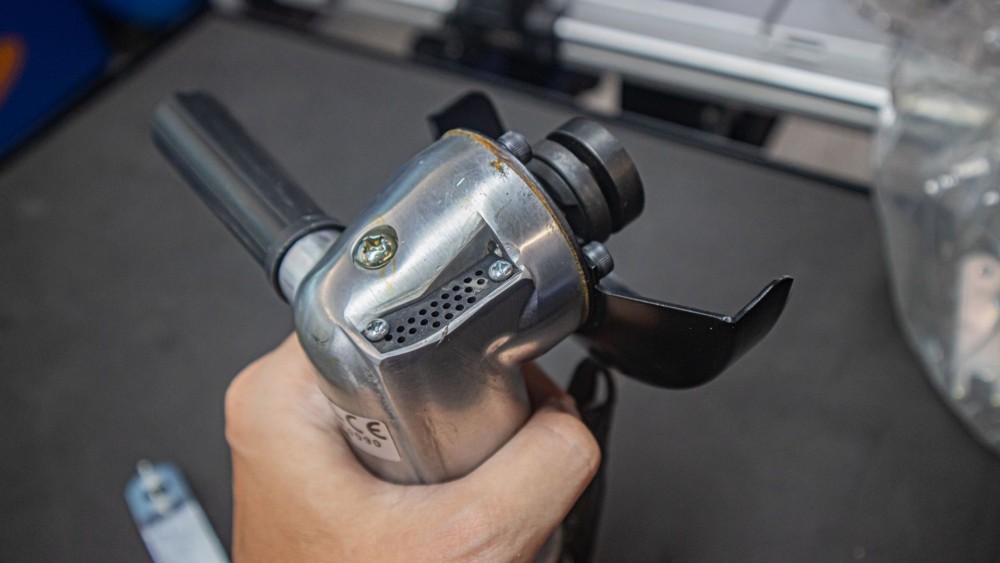
Signs That You Should Stop and Rest the Tool Immediately
Even if it is not yet time for a scheduled break, if the pneumatic grinder shows abnormal symptoms, you should stop using it and inspect it immediately. Do not force it to keep grinding until the workpiece is finished, as minor damage can spread to the bearings, spindle, vanes, or attached accessories. Pneumatic grinders: high speed, lightweight, no electrical system—are they more dangerous?
Commonly encountered signs:
- Noticeable drop in rotational speed despite normal air pressure
- Tool sound changes to a high-pitched whine, grinding, or knocking noise
- Tool vibrates more than usual
- Tool head becomes uncomfortably hot to the touch
- Abnormal water or mist coming out of the exhaust
- Sticking on/off valve
- Grinding wheel continues to spin for an abnormally long time after releasing the trigger
If there is a burning smell or smoke, stop the air supply immediately. Although pneumatic grinders do not have an electric motor, heat from damaged bearings, grease, sealing parts, or ingested foreign materials can cause abnormal odors. Allowing the tool to keep spinning may cause the spindle to seize or the grinding accessory to shatter.
Lubrication is More Important Than Just Taking Breaks
Regular breaks help reduce accumulated heat and load, but they cannot compensate for a lack of lubricating oil. If you use a pneumatic grinder for many hours a day, you should set up an appropriate air preparation system. Typically, this consists of a filter, regulator, and lubricator (FRL) unit.
The Air Compressor Needs Rest Too, Not Just the Pneumatic Grinder
Many piston air compressors are not designed to run at 100% continuous duty for hours; instead, they have a specified duty cycle. If the pneumatic grinder consumes so much air that the compressor cannot cycle off and rest at all, problems may occur with the compressor before they happen to the grinder.
Remember, a large air receiver tank only helps store reserve air and extends the time before the compressor kicks on; it does not increase continuous air delivery capacity.
Before setting up a system for continuous work, you should compare the air consumption rate of the pneumatic grinder with the actual air delivery produced by the compressor.
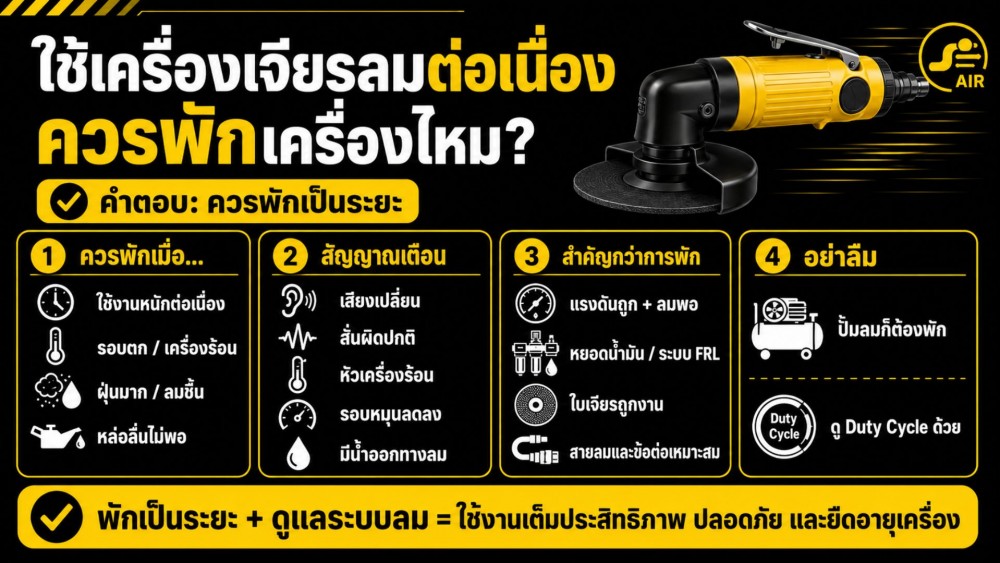
Conclusion: Using a Pneumatic Grinder for Many Hours—Periodic Breaks Help Extend Tool Life
Pneumatic grinders handle continuous work well and have fewer motor heat issues than electric grinders; however, that does not mean you can hold down the trigger for hours on end without taking breaks.
In air grinders, there are also vanes, bearings, shafts, gears, and seals that undergo high-speed friction. Additionally, heat from grinding can transfer directly into the tool head.
Pausing the tool periodically helps reduce heat buildup, provides an opportunity to inspect the grinding disc, air hose, and unusual noises, and also reduces operator fatigue. However, taking breaks alone is not enough if the air supply is insufficient, pressure is too high, air contains moisture, or the tool lacks lubrication.
The proper approach is not worrying about how many minutes to pause, but selecting the right tool for the job, configuring the air compressor system with an adequate delivery rate, using suitable hoses and fittings, regulating pressure to rated specifications, maintaining proper lubrication, and stopping immediately when abnormal heat, noise, RPM, or vibration is detected.
When maintained properly, Pneumatic Grinder it will be able to operate continuously at full efficiency, safely, and with an extended service life.