


 EN
 ไทย


Customers Also Purchased




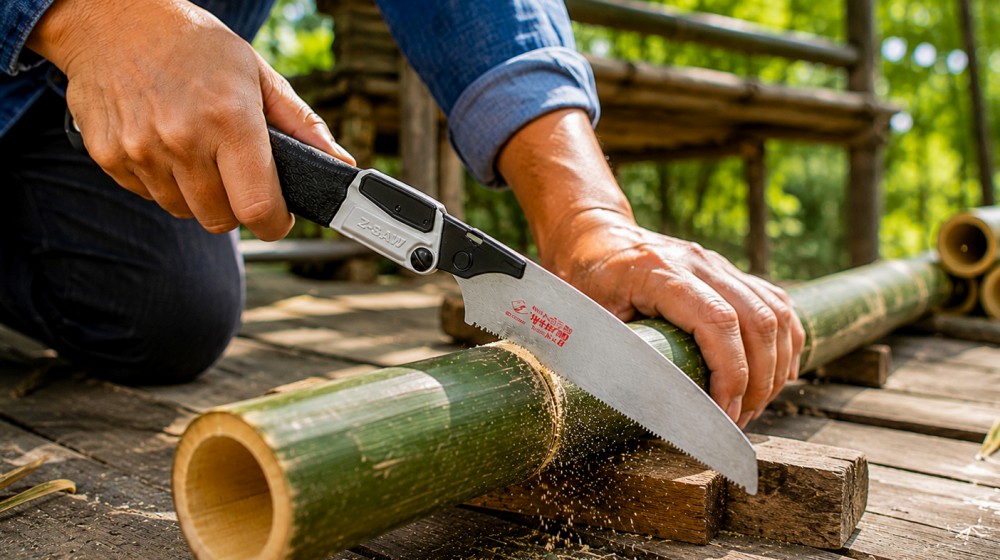
Bamboo seems like an easy material to cut because it is lightweight, not overly thick, and versatile—ranging from garden work and decoration to fences, tables, chairs, and shelves. Many people think that just using a hand saw and sawing normally should do the trick. However, in practice, frequent problems occur, such as splitting along the grain, chipped surfaces, flying splinters, split ends that cannot be used, or crooked cuts requiring re-cutting. The drier, harder, or larger in diameter the bamboo is, the more easily it gets damaged.
- The question is: if you only have a hand saw, how do you cut bamboo so that the cut is smooth, crack-free, and has minimal splinters?
- The answer does not lie in choosing an expensive saw, but in a combination of factors: the type of saw, tooth count and geometry, cutting position, workpiece support method, starting the kerf, and the force applied with each stroke.
In this article, we will walk you through bamboo basics, how to choose hand saws Cutting techniques and troubleshooting common issues for safer, neater bamboo cutting.
Why does using a handsaw on bamboo cause surface cracking and flying splinters?
Before cutting, it is important to understand the nature of bamboo, as its structure differs from typical natural timber. Ordinary wood has a continuous grain from the outer surface to the core, whereas bamboo is a hollow culm. The outer wall is hard and dense, while the inside is softer with clearly defined longitudinal fibers. Thus, it is strong under longitudinal loads but prone to splitting when subjected to lateral pressing, twisting, or prying.
When sawing, the saw teeth bite into the outer surface before cutting deeper. If the teeth are too coarse, too much downward pressure is applied, or the workpiece vibrates, the teeth will yank and tear the fibers instead of slicing cleanly, resulting in a chipped surface, flying splinters, and longitudinal splits.
Furthermore, near the end of the cut, if the overhang is unsupported, the weight of the wood will cause the cut to tear before the saw finishes passing through, often causing the end of the wood to splinter into large pieces. Therefore, reducing bamboo splintering requires controlling 3 things simultaneously: saw teeth, cutting pressure, and workpiece support.
Which handsaw is best suited for cutting bamboo?
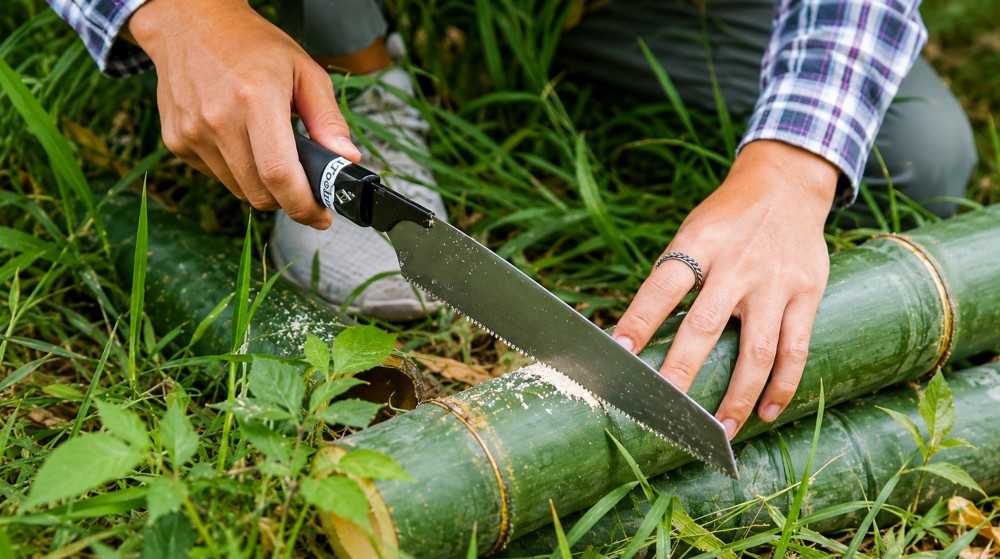
Many types of handsaws can be used to cut bamboo, but results vary depending on tooth characteristics. Generally, choose fine- to medium-toothed saws with blades sharp enough to slice fibers rather than rip them out.
- Fine-toothed saws are ideal for work requiring clean cuts, such as handicrafts, furniture, or small-diameter bamboo, because the closely spaced teeth remove material gradually, reducing the chance of edge chipping. The downside is slower cutting, especially on large-diameter or damp green bamboo where sawdust easily clogs the teeth. Use full saw strokes and periodically stop to clean the blade.
- Medium-toothed saws are the most versatile for general work, offering a good balance between speed and cut smoothness. They work well for cutting bamboo for fences, plant trellises, garden tasks, or light framing. They require less effort than fine-toothed saws and control tear-out better than coarse-toothed saws.
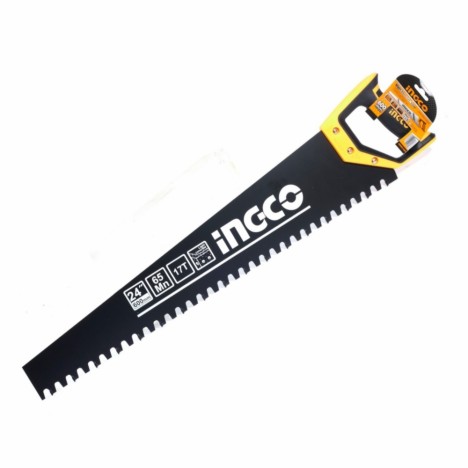
- Pruning saws have large teeth and deep gullets that clear waste quickly, making them suitable for green bamboo or garden tasks where neatness is not critical. However, if used on dry bamboo or fine-finish work, they can easily cause splintered edges, especially if pulled with excessive force and speed.
- Japanese pull saws cut on the pull stroke, featuring thin blades and excellent kerf control. Their razor-sharp teeth produce a narrow cut, making them ideal for detailed work. However, because the blade is thin and flexible, pushing forcefully or twisting will easily bend it. Let the teeth do the work on the pull stroke and avoid forcing changes of direction within the cut.
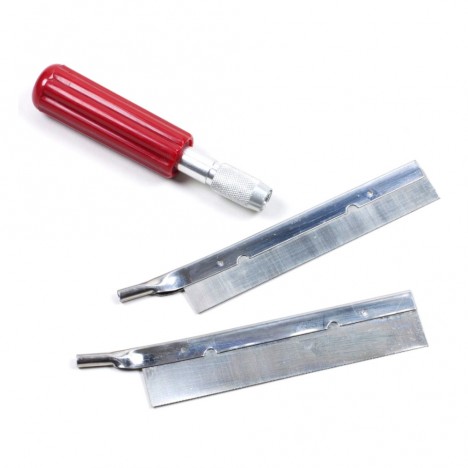
- Can a hacksaw be used to cut bamboo? It works well for small-diameter bamboo due to its very fine teeth, but it is not designed to clear wood debris. As a result, the teeth clog easily and cut slowly. When used on large bamboo, excessive force may be required, causing the blade to bind or drift off course. It is better suited for small pieces or minor adjustments.
Coarse vs. fine teeth: which causes less bamboo splitting?
Generally, fine-toothed blades cause less bamboo splitting because they cut small amounts of wood at a time, resulting in less pulling force on the fibers. However, finer is not always better: if the teeth are too fine relative to the size of the bamboo, sawdust will clog the teeth, increasing friction. This forces you to push harder, leading to blade flutter or wander, ultimately producing a rough cut.
A simple rule of thumb is to ensure multiple teeth engage the wood surface simultaneously throughout the cut, rather than just one or two, which would cause the teeth to snag and tear fibers away in chunks.
Choose saw teeth according to the task
- Small bamboo, fine work → Fine teeth
- Medium bamboo, general work → Medium teeth
- Large green bamboo, garden tasks prioritizing speed → Pruning saw or coarse teeth (requires controlled force and proper workpiece support)
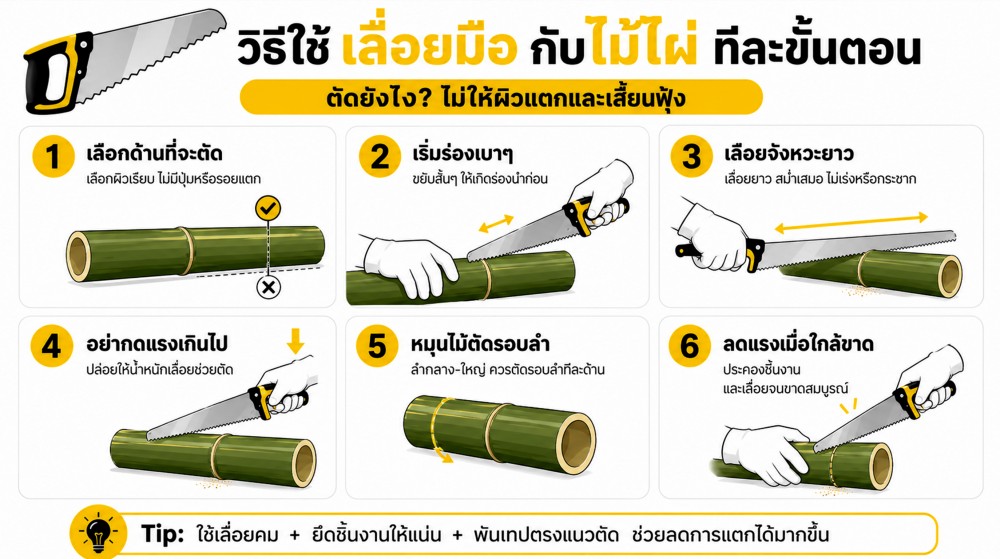
Common problems when using a handsaw with bamboo
- If the saw doesn't bite into the bamboo surface, the cause could be a dull blade, starting at an overly steep angle, or pressing too hard causing the teeth to slide over the surface. Lower the blade angle slightly, use short and light strokes to create a guide groove, and then increase the stroke length.
- The saw blade jumping off the line usually happens at the start of the cut because there is no groove to guide the blade yet, or from using coarse teeth on small-diameter bamboo. Carefully use your thumb to guide the blade, reduce downward pressure, and start with slow strokes.
- A slanted cut may result from looking at the line from only one side, twisting the wrist while sawing, or applying uneven force on the forward and backward strokes. Mark a line around the entire circumference, pause frequently to check alignment from the side, and rotate the bamboo to cut from multiple sides instead of forcing a cut through from a single side.
- The saw blade binding in the kerf can be caused by the bamboo sagging, the workpiece's weight pinching the kerf closed, wood chips clogging the teeth, or the blade becoming hot and sluggish. Stop applying force immediately—do not jerk the blade, as it may bend. Reposition the supports so the kerf opens slightly, then gently pull the blade out.
- The bamboo end splitting before cutting through is primarily caused by an unsupported end piece and the user rushing with extra force near the end. Support the offcut end, reduce sawing pressure, and saw until all fibers are completely severed; never snap the piece off by hand.
- Frayed or splintered edges around the cut are usually caused by dull or overly coarse saw teeth. This can be reduced by using masking tape, using finer teeth, and sanding/trimming after cutting.
Conclusion
Cutting bamboo without splintering the surface or scattering fibers depends not on force or speed, but on pre-cut preparation. Choose a saw with sharp teeth suited to the bamboo size, check for cracks, mark around the entire circumference, and apply tape along the cut line if you want to minimize chipping. Clamp the workpiece securely, support the end so it doesn't pry open the cut, start a gentle groove, and then saw with steady, long strokes without heavy downward pressure.
For larger bamboo culms, rotate and cut around the circumference instead of cutting straight through from one side. When near completion, ease the pressure, support the end piece, and saw completely through the fibers without snapping by hand. When finished, inspect for splinters, smooth the edges, and clean the saw blade before storing. Although bamboo splits easily along its grain, understanding its material structure and letting the saw teeth work properly allows a regular hand saw to make clean cuts without relying on power tools.
Select hand saws to suit the application