


 EN
 ไทย


Customers Also Purchased
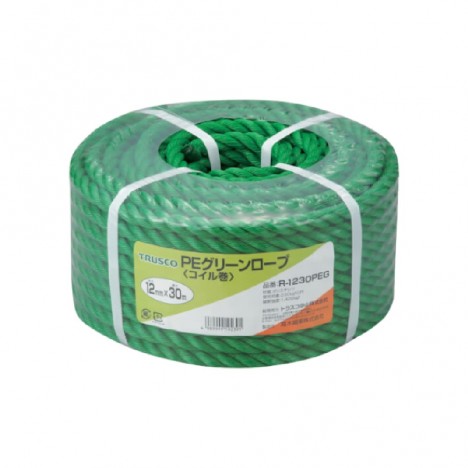


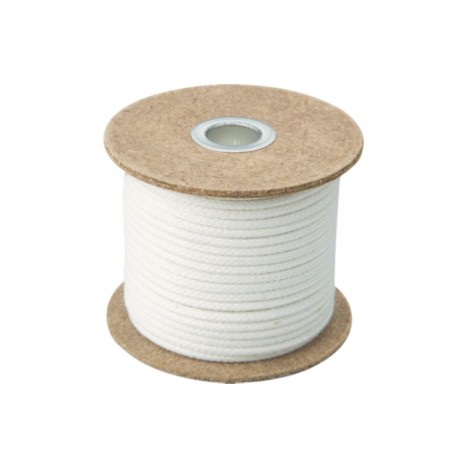
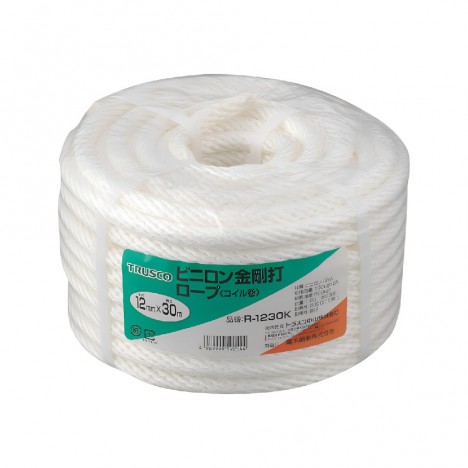
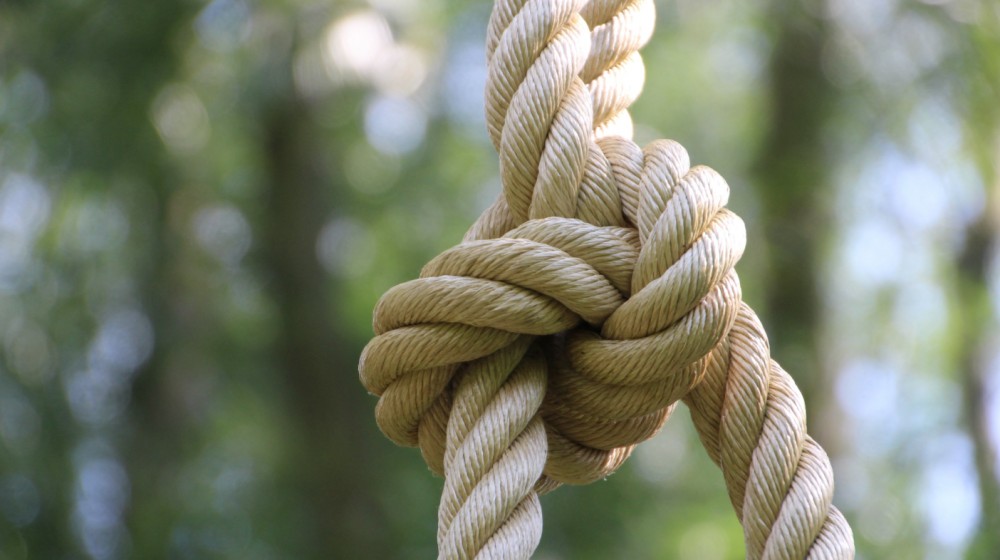
RopesIt seems like a straightforward tool to choose, as its main function is simply tying, bundling, tensioning, or hauling items. However, when shopping for one, you'll find brown Manila rope, brightly colored plastic rope, smooth braided rope, soft nylon rope, and even winch ropes that are compact yet withstand high tensile loads. These differences aren't just for looks; they stem from materials and constructions designed for entirely different tasks.
Some ropes float on water, making them ideal for fishing or buoy lines. Others stretch under shock loads, making them suitable for mooring boats, while some barely stretch at all, which is ideal for rigging or jobs requiring constant distance control. Choosing rope shouldn't just be about thickness, low price, or a sturdy feel; it also requires considering how much water, sunlight, shock load, heat, or abrasion the rope will endure.
How Many Types of Rope Are There?
There is no fixed number of rope types because they can be categorized in many ways: by material, braiding method, load-bearing characteristics, and intended use. Categorized by commonly found materials, they include natural fiber ropes, polypropylene ropes, polyethylene ropes, nylon ropes, polyester ropes, and high-performance synthetic fiber ropes like HMPE.
Each material has its own characteristics: natural fiber rope offers a grippy texture and natural aesthetic; PP and PE ropes are lightweight and float; nylon has elasticity to absorb shock loads; polyester excels in UV resistance with minimal stretch; while HMPE is utilized for applications demanding high strength and light weight.
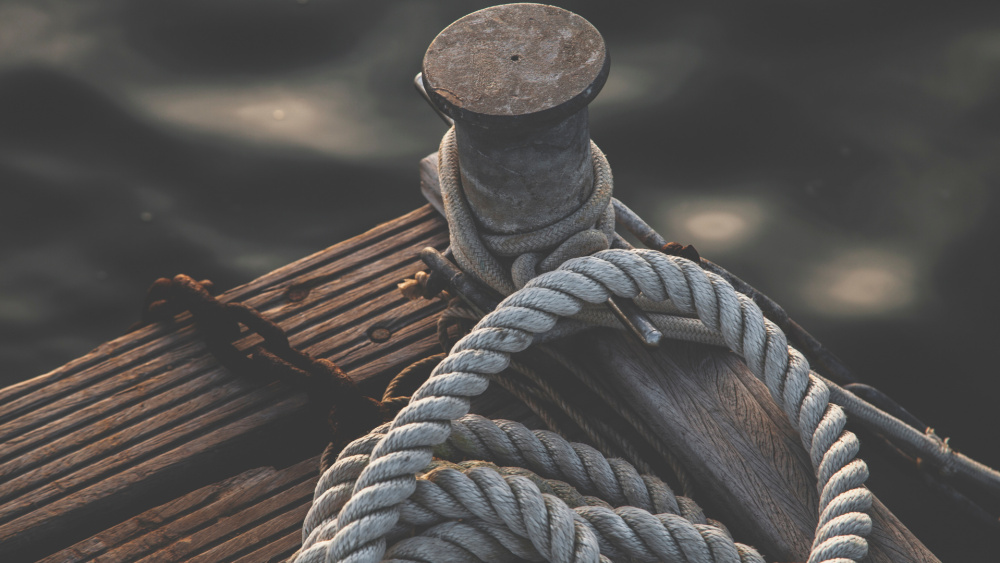
Natural Fiber Rope: Best for Tasks Requiring Grip and Aesthetic Appeal
Natural fiber ropes are made from plant-based materials such as manila, jute, sisal, and cotton. Their standout feature is a rougher surface that provides good grip, holds knots without excessive slippage, and offers warm, rustic aesthetics. Because of this, they remain popular for decorative use, restaurants, landscaping, crafts, and events, even though stronger and more weather-resistant synthetic ropes are readily available today.
Manila rope is the most familiar variety, usually brown in color and constructed as twisted rope. It is suitable for handrails, decorative purposes, landscaping, or light-duty tying. Cotton rope, on the other hand, has a softer feel, making it well-suited for crafts, macramé, and applications where you want to minimize surface scratching.
A key limitation of natural rope is its tendency to absorb moisture. When exposed to water or stored in damp conditions for extended periods, the rope may stiffen, develop musty odors, grow mold, or gradually rot. When used outdoors, inspect its condition regularly, and never use it for lifting, climbing, or fall protection unless the product is specifically rated and certified for such applications.
PP Rope: The Versatile Rope Commonly Found in Homes and Agriculture
Polypropylene, or PP rope, is easily found in hardware stores, agricultural supply shops, and building material outlets. Its main advantages are being lightweight, having low water absorption, and floating on water. As a result, it is widely made into sack-tying twine, tree ties, barrier ropes, buoy lines, and various types of general-purpose utility cordage.
PP rope often comes in bright colors and is budget-friendly, making it ideal for lighter-duty tasks such as bundling items, setting up temporary guide lines, tying garden materials, or cordoning off areas. When used near water, it offers the distinct advantage of not sinking and being easier to spot than heavier ropes.
However, not all grades of standard PP rope offer the same level of UV and abrasion resistance. Leaving it outdoors permanently may cause it to fade, stiffen, and turn brittle over time, especially models without UV inhibitors. Dragging it frequently across concrete edges, steel, or rough surfaces also wears the fibers down quickly. Therefore, it is best suited for general-purpose utility rather than continuous load-bearing or safety-critical applications.
PE Rope: Lightweight, Non-Absorbent, and Ideal for General Outdoor Use
Polyethylene, or PE rope, shares many characteristics with PP rope, including low weight, buoyancy, and minimal water absorption. Its surface tends to be smoother or slicker, making it less prone to trapping dirt and easy to wash clean. It is widely used in commercial fishing, netting, agriculture, and outdoor cargo lashing.
In the market, some PE ropes are loosely labeled as plastic rope or even nylon rope, even though the material is not genuine nylon. This distinction is critical because PE and nylon behave quite differently, especially regarding elasticity and shock-load absorption. Before purchasing, always check the exact material indicated on the label rather than relying solely on the shop's informal name.
PE rope is well-suited for general tasks requiring a lightweight line, near-water environments, or outdoor exposure. However, like PP rope, its load-bearing capacity depends on size, construction, and manufacturing quality. For demanding pulling, towing, or weight-bearing tasks, always refer to the manufacturer's rated specifications rather than guessing by visual rope thickness alone.
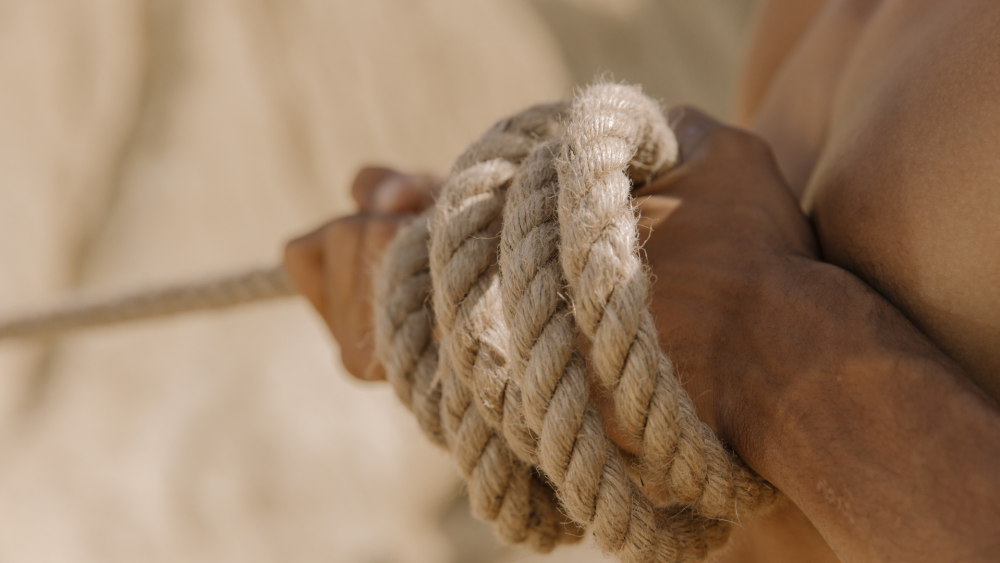
Nylon Rope: Ideal for Applications with Shock Loads
Nylon rope, or polyamide rope, is recognized for its high elasticity. When subjected to sudden tension, the fibers stretch to help cushion and absorb the shock load transmitted to anchor points. This property makes nylon the preferred choice for mooring lines, anchor ropes, and certain towing applications where continuous jerking or movement occurs.
A clear example is a boat moored to a dock. Even when docked, waves and shifting water levels keep the vessel in constant motion. Using a stiff rope with minimal stretch transmits sharp shock loads directly to the cleats and deck hardware. Nylon rope absorbs these dynamic forces much better because it can stretch and recover elastically.
While elasticity is an advantage for shock absorption, it can be a drawback for tensioning applications. If nylon is used for tying down tarpaulins or rigging lines that require fixed tension, the rope may stretch and cause the line to sag. Furthermore, nylon absorbs more moisture than polyester and certain plastic ropes, which can alter its mechanical properties when wet compared to dry conditions.
Another point to keep in mind is that the term "nylon rope" in some stores may simply be used as a generic label and might not actually be made of true nylon. If your application specifically requires nylon's stretch and shock-absorbing properties, look for "Nylon", "Polyamide", or "PA" on the product label.
Polyester Rope: Ideal for Outdoor Use and Tensioned Rigging
Polyester rope is a well-balanced choice for outdoor applications thanks to its excellent UV resistance, low water absorption, and low stretch compared to nylon. When used to secure tarpaulins, tents, flags, or guide lines, it maintains consistent tension without sagging easily under prolonged loads.
This material is also widely used in marine and industrial settings because it performs well in wet environments and offers solid abrasion resistance. Many braided ropes feature a polyester outer sheath to protect the load-bearing inner core from friction against pulleys, metal edges, and abrasive surfaces.
Unlike PP and PE ropes, polyester is denser and does not float. If an application requires a floating line, polyester is not suitable. However, for setups that must endure prolonged sun exposure, remain tensioned over long periods, or maintain precise line lengths, polyester is usually an excellent, low-maintenance choice.
HMPE rope for applications requiring both lightness and strength
HMPE stands for High Modulus Polyethylene, a high-performance polyethylene fiber. Familiar trade names to many include Dyneema and Spectra. Ropes in this category excel in their high strength-to-weight ratio; thus, the rope is lightweight, floats on water, and has low stretch compared to conventional ropes.
HMPE is commonly found in winch lines, high-performance marine ropes, towing, and industrial pulling operations. Synthetic winch ropes made from this material are easier to handle than wire ropes in many ways, being lightweight and free of metal burrs. However, caution is required regarding abrasion against sharp edges, heat generated during use, and potential damage hidden within the fibers.
Although HMPE has high load capacity, you shouldn't buy a rope solely based on its material name for immediate use with winches or towing applications. Ropes for these tasks require proper design in terms of structure, braiding, coating, and end termination methods suited to the equipment. General HMPE ropes may look similar, but that does not mean they have equivalent load-bearing or abrasion-resistant capabilities.
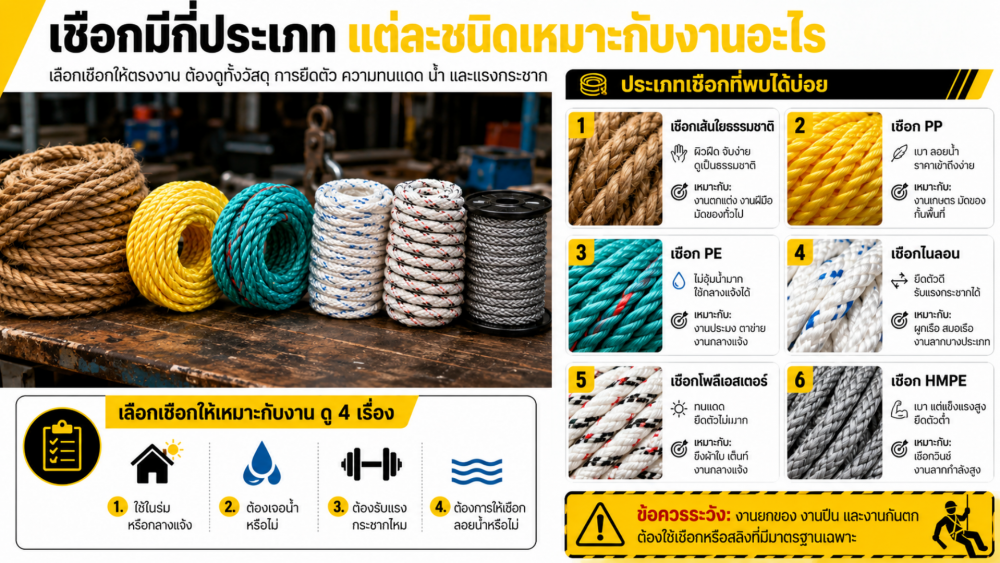
How to choose the right rope for your application: What should you consider?
The easiest way to choose a rope is to start with the conditions it will face. For general bundling of boxes, sacks, or tree branches, PP, PE, or natural fiber ropes are sufficient. Choose one that offers a good grip, ties easily, and does not cut too deeply into the items.
- For gardening or agricultural work, consider sun exposure and the duration the rope will be tied. Ropes without UV protection can become stiff and brittle after prolonged outdoor use. When tying trees, allow room for trunk growth; do not tie so tightly that the rope cuts into the bark.
- For water-related work, consider both buoyancy and behavior under load. PP, PE, and HMPE float on water, but for mooring lines, shock-absorbing capability may be more critical than buoyancy. Nylon remains a suitable material for various mooring applications, while polyester is ideal where low stretch is required.
- For securing tarpaulins, tents, or outdoor guidelines, polyester generally maintains tension distance better than nylon. For winching and heavy-duty towing, use ropes manufactured specifically for that equipment. Do not substitute general-purpose ropes simply because they are large or made from the same material.
- Lifting, climbing, rappelling, and fall protection applications require the utmost caution. General-purpose tying ropes cannot be substituted for slings or safety ropes, even if they are thick and look strong. Only use standardized products with rated capacities that are compatible with the system equipment.
The right rope for the job doesn't have to be the strongest rope
General household, garden, or agricultural tasks can conveniently use PP and PE ropes because they are lightweight and affordable. Decorative work suits manila, jute, or cotton ropes. For long-term outdoor setups, polyester holds an advantage in sun resistance and low stretch.
If the task involves shock loads, nylon rope offers more suitable properties, while winching or heavy-duty towing may call for purpose-engineered HMPE. For lifting, climbing, and fall protection, strictly use ropes or slings that meet official standards and match the application's ratings.
Before purchasing, you should ask yourself: Ropes What type of load must it bear? Will it be used indoors or outdoors? Does it need to float? And how much contact will it have with sharp edges or heat? Knowing these conditions makes rope selection much easier and helps avoid issues that arise from choosing a rope solely based on color, price, or size.