


 EN
 ไทย


Customers Also Purchased


After cooking, what remains isn't just dirty dishes in the sink, but also a fine mist of oil clinging to the stovetop, tiled walls, grates, range hood, and various nooks and crannies around the kitchen. These residues might not be very noticeable on the first day, but as they accumulate with dust and food particles, surfaces that were once clean and smooth will become sticky, leave streaks when wiped, and require much more scrubbing effort.
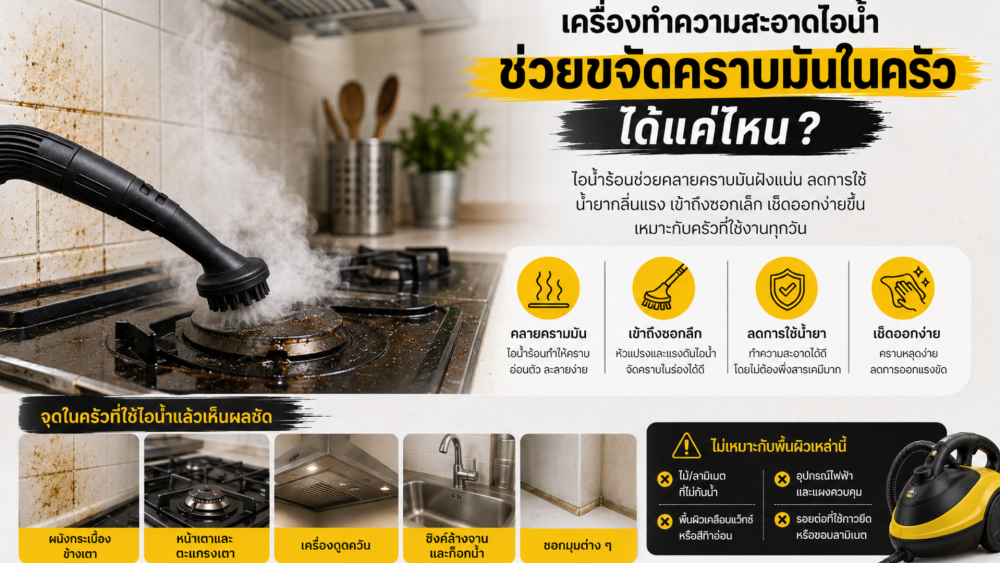
Steam cleaners are therefore an attractive appliance for many households, as they seemingly tackle grease without having to spray strong-smelling chemicals all over the kitchen. The heat from the steam helps loosen stubborn, stuck-on grime, and the jet pressure reaches into edges or grooves that wiping cloths struggle to reach.
However, Steam Cleaners It won't make every type of stain disappear immediately; effectiveness depends on the age and thickness of the grime, as well as the material being cleaned. If it's a thin layer of oil from daily cooking, it's usually noticeably easier to wipe away. However, for burnt-on residues or thick grease built up over months, you will still need brushes, cloths, or surface-appropriate cleaners to help.
How Steam Tackles Grease
Grease left unattended for a long time rarely consists of just oil; it combines with dust, soot, and food debris to form a sticky layer. The heat from steam softens this layer and reduces its adhesion to surfaces, while the spray pressure helps dislodge dirt from crevices, edges, and hard-to-reach spots.
Once the grime begins to loosen, a crucial step is wiping it clean with a microfiber cloth. If you spray steam and just leave it, the softened grease may simply pool elsewhere or cool down and become sticky again. The machine's role is to loosen residues and reduce scrubbing effort, not to vacuum the grease off surfaces for you.
A more effective approach than holding the steam in one spot for too long is to clean section by section: apply short bursts of steam to soften the grime, then immediately wipe it off with a clean cloth. Once the cloth becomes saturated with grease, flip it to a clean side or switch to a fresh one so you don't smear old residues back onto the surface.
What Types of Grease Stains Do Steam Cleaners Handle Well?
The easiest residues to tackle are thin oil films freshly deposited after stir-frying or deep-frying. When exposed to steam, they loosen quickly and can be wiped away with minimal effort. This makes it ideal for cleaning stovetops, tiled walls, splashbacks, or stainless steel surfaces after kitchen use.
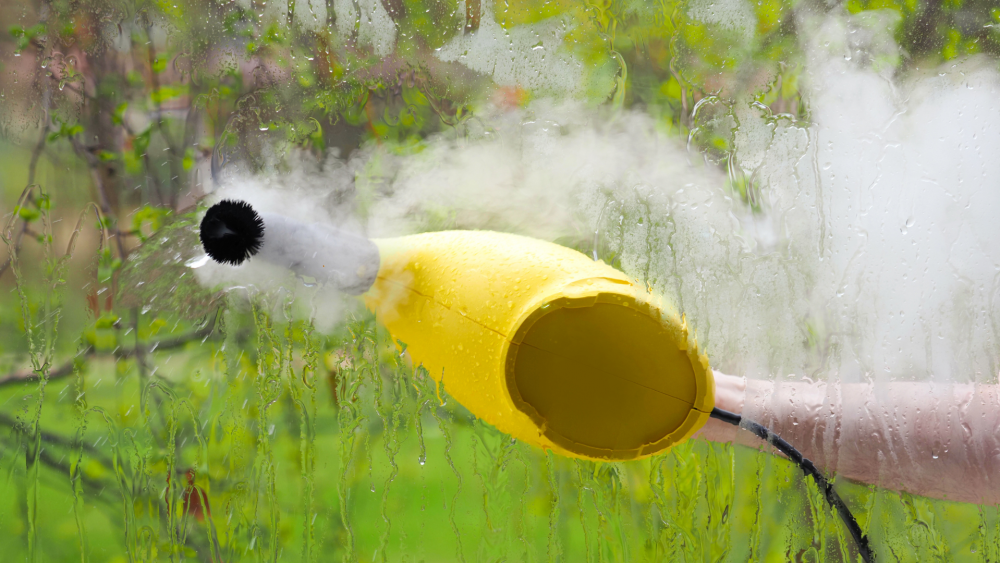
Sticky grime that has accumulated for a while can still benefit from steam, but it should be paired with a small brush attachment—especially around the stove base, grout lines, and sink edges. For dried food residues stuck on surfaces, moisture and heat will soften them, making them much easier to wipe or scrub away than starting on a dry surface.
Stains that steam may only partially help with include thick grease, blackened burnt-on grime, and long-standing residues that have hardened onto surfaces. These typically require scraping off the thickest layers first or using chemical degreasers formulated for the specific material. Repeatedly steaming without wiping can cause the grease to spread wider instead of making the job easier.
Therefore, steam cleaners are better suited for regular kitchen maintenance rather than waiting until grime forms thick, built-up layers. The sooner you use it after cooking, the lighter the work and the less time it takes.
Kitchen Spots Where Steam Really Shines
Kitchens feature both large surfaces and tight crevices, so selecting the right nozzle for the task impacts cleanliness just as much as steam power. Cloth-covered nozzles are suitable for broad areas, while narrow-tip nozzles and brush attachments are better for tackling grooves, edges, and spot-cleaning.
Tiled Walls Beside the Stove
Walls next to the stove take the brunt of airborne oil mist. Even if they appear clean, touching them often reveals a subtle, sticky layer. If the glazed tiles are in good condition, steam effectively loosens the oil film and dirt embedded in the grout lines.
Start from the top and work downward so running droplets and loosened grime don't drip onto areas you've already cleaned. Working in small sections and wiping immediately prevents streaking much better than steaming the entire wall at once.
If the grout lines are cracked or flaking, avoid applying high-pressure steam for extended periods, as moisture could seep behind the tiles. Always test a small spot first, especially on walls where you are unsure if the finish or grout is fully intact.
Stovetop and Burner Grates
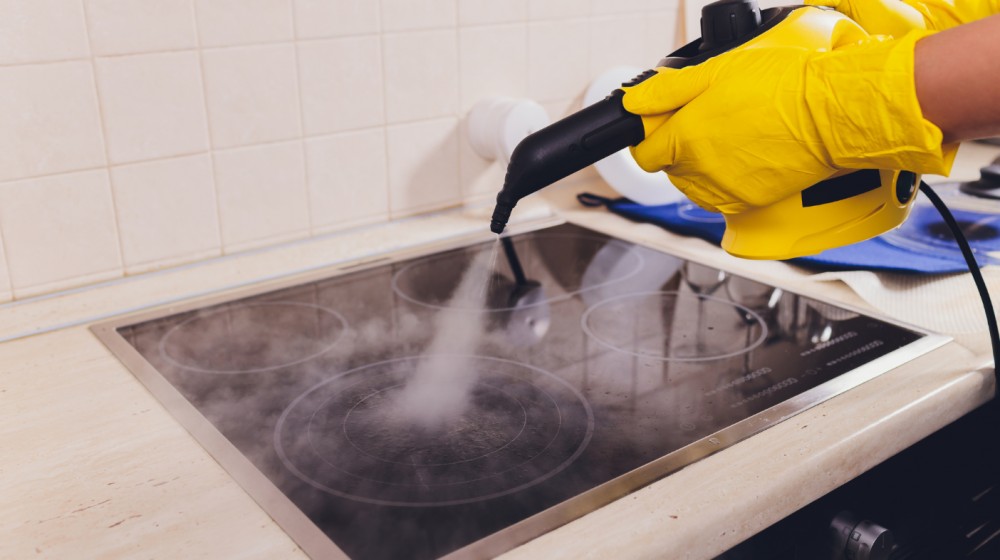
The stovetop is full of edges, grooves, and food splatters from cooking. Steam helps soften dried-on stains and sticky grease, making it ideal for detailing around burner bases, glass edges, and seams that are awkward to wipe with a sponge.
Before you begin cleaning, the stove must be turned off and allowed to cool completely. Remove grates or detachable parts to clean separately, and avoid spraying steam directly into igniters, control knobs, wiring connections, or electronic components.
For glass or ceramic cooktops, avoid using stiff brush attachments or abrasive scrubbing materials. Although steam softens stains, choosing improper wiping tools can scratch the surface. Always check the stove manufacturer's instructions before use.
Range Hood Body
The exterior of a range hood often gets sticky faster than other areas because it sits directly above the stove, absorbing cooking vapors. Steam handles light stains on stainless steel, glass, or hard surfaces well, especially when using a cloth cover attachment rather than aiming the bare nozzle directly at the appliance.
On stainless steel, wipe along the metal's grain to reduce streaks and smudges. After cleaning, follow up with a dry cloth to leave the surface looking smooth and free of water spots.
Grease filters should be removed and washed according to the range hood's manual. Never spray steam into them while still installed on the hood, as grease and water droplets could run into the fan or internal circuitry.
Kitchen Sink and Faucet
Sink rims, faucet bases, and surrounding seams are spots where grease, food debris, and limescale accumulate. A detail nozzle works well for flushing dirt out of crevices cloths can't reach. Wipe immediately after steaming to pick up loosened grime and prevent moisture from lingering in joints.
If white limescale buildup is present, steam can help soften it, but it is not the primary solution for dissolving thick mineral deposits. You will need to use products suited to your faucet and sink materials, taking care not to damage protective coatings.
Do not start with direct steam on very old, thick buildup
Thickly accumulated grease is often gummy and clotted with trapped food debris and dust. If you blast steam onto it immediately, the heat can liquefy the grime and spread it across adjacent areas. What should have been a quick task can turn into a widespread greasy mess requiring multiple cloths to clean up.
A better approach is to use heavy paper towels, an old rag, or a non-scratch scraper to remove excess grease first, then use steam to break down the remaining residue. This makes cleaning easier and keeps your brush attachments from becoming instantly saturated with grease.
For burnt-on food on cooktops or inside ovens, steam softens food remnants, but baked-on carbon deposits may not come off entirely. You will need scouring tools or cleaning agents designed specifically for that surface. Never use steel wool or sharp scrapers without verifying material compatibility, as they can permanently scratch glass, stainless steel, or enameled finishes.
How to effectively use a steam cleaner on greasy grime
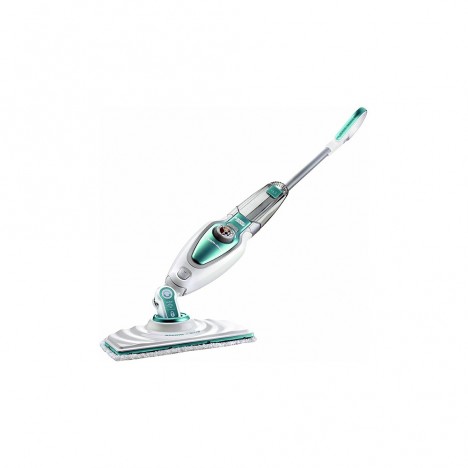
Before taking out the machine, remove food scraps and wipe away excess oil from the area. Then choose the right attachment for the job: a cloth-covered nozzle is ideal for tiled walls and wide surfaces, a brush attachment tackles localized sticky spots, and a narrow detail nozzle handles crevices and edges.
Start by testing in an inconspicuous spot, especially on painted finishes, laminates, or wood. If no discoloration, blistering, or damage occurs, proceed to clean the wider area.
When steaming, do not linger in one spot for too long. Apply short bursts while moving the nozzle continuously. Once the grease begins to soften, wipe it off immediately with a microfiber cloth. For stubborn stickiness, gently work it loose with a brush attachment, but avoid applying heavy pressure to prevent scratching the surface.
Another frequently overlooked factor is having enough cloths prepared. If you are cleaning a heavily greased kitchen, keep several clean cloths on hand to swap out. A cloth saturated with oil will not pick up any more grease and will only smear or haze the surface further.
Once finished, wipe the surfaces dry, open windows or turn on exhaust fans, and check seams and joints for any trapped moisture—especially areas adjacent to wood, laminates, and electrical components.
Some surfaces are not suitable for steam
Although steam cleaners can be used on many types of hard surfaces, they are not suitable for all materials. Heat and moisture can cause wood to swell, paint to peel, glue to soften, or coated surfaces to lose their shine.
Areas that require extra caution include:
- Unsealed wood without moisture protection
- Laminate with open seams, swollen edges, or peeling sheets
- Waxed surfaces
- Wall paint that is not resistant to wiping or heat
- Material edges bonded with adhesive
- Certain types of plastic that may deform when exposed to heat
- Control panels, power outlets, and ventilation openings of electrical appliances
- Stone materials or special coatings where the manufacturer does not recommend steam cleaning
You should not judge a material solely by its appearance. For example, some kitchen cabinet doors look like real wood but are actually laminated surfaces with glued edges. Repeatedly spraying steam along the joints can cause the edges to peel or the boards to swell. The safest approach is to read the manuals for the materials or equipment and test on a small, inconspicuous area before actual use.
Do not add dishwashing liquid to the water tank yourself
Seeing how steam helps loosen grease, many people may be tempted to add dishwashing liquid or degreasers into the tank hoping to speed up the cleaning process. However, typical steam cleaners are designed to use plain water only.
Detergents can foam up, leave behind sediment, or cause internal parts such as the boiler, valves, and seals to deteriorate prematurely. Some chemicals may also be sprayed out as fine mist along with the steam, which is unsafe to inhale and may leave chemical residues on food prep surfaces.
If a particular model supports cleaning solutions, it will have a separate dedicated tank or system designed for it, and you must use the type of product and dilution ratio specified by the manufacturer. Never modify the machine or mix chemicals yourself.
If you must use a degreaser, a safer method is to apply it directly to the surface according to the product instructions, wipe or rinse it off completely, and then use steam to clean crevices or corners in the next step.
Can a steam cleaner replace degreasers?
For light, routine oil splatters, a steam cleaner can significantly reduce the need for chemicals. Tiled walls, stovetops, stainless steel, and glass that are wiped regularly can often be cleaned using just steam combined with a microfiber cloth. This is ideal for households that dislike harsh chemical odors or prefer to avoid frequent chemical use in food preparation areas.
However, when dealing with old, thick, or burnt-on grease, degreasers still play an important role. The right cleaning chemicals help break down and separate grease from surfaces more effectively than steam alone, especially for heavy-duty jobs or kitchens that haven't been deep-cleaned in a long time.
Choosing what to use does not mean deciding whether a steam cleaner or a degreaser is better. Both serve different functions. Steam excels at loosening grime, reducing scrubbing effort, and reaching tight crevices, while degreasers are useful when dealing with heavy grease buildup or stubborn, set-in stains. Using the right solution for the type of dirt will make the job faster and reduce the risk of damaging surfaces.
Suitable for frequent cooks, but don't let grease build up too thick
Homes that cook regularly, especially stir-fried and deep-fried dishes, will clearly see the benefits of a steam cleaner. It helps tackle the oil film on walls, stovetops, and range hoods before the grease accumulates into a sticky layer. Using it once a week is often far easier than waiting for a massive deep-cleaning session.
This type of machine does not magically clean the kitchen on its own just by spraying steam, but it turns heavy scrubbing into an easier wiping task. Its strength lies in loosening fresh grease, common sticky grime, and dirt in narrow grooves, while burnt residue or thick grease still requires combined methods.
When used correctly—choosing the right nozzle, wiping away residue immediately, and avoiding spraying directly onto electrical components or moisture-sensitive materials— Steam Cleaners it becomes a truly practical kitchen maintenance helper, especially for those who want to keep things clean throughout the week without relying on strong-smelling chemical cleaners every time.