


 EN
 ไทย


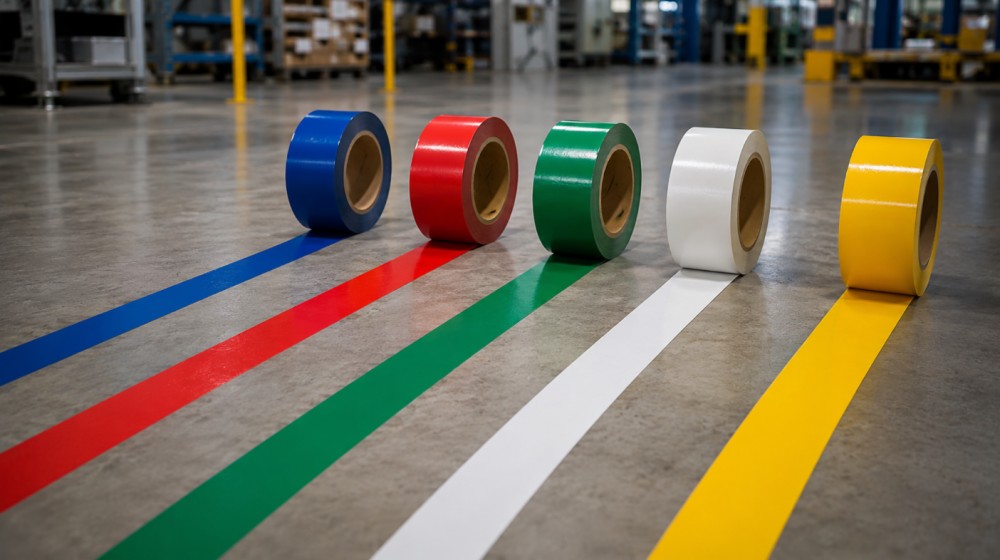
Customers Also Purchased


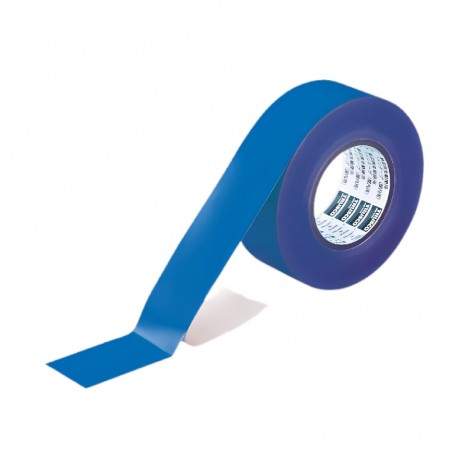
Yellow tape, duct tape, or adhesive tape readily available in factories may seem capable of marking floors to divide areas just like Floor Marking Tapes because both have adhesive backings and high-visibility colors. Initially after application, the taped lines may look neat and function as needed, but once foot traffic, carts, or cleaning equipment pass over it for a while, the limitations of regular tape will become evident.
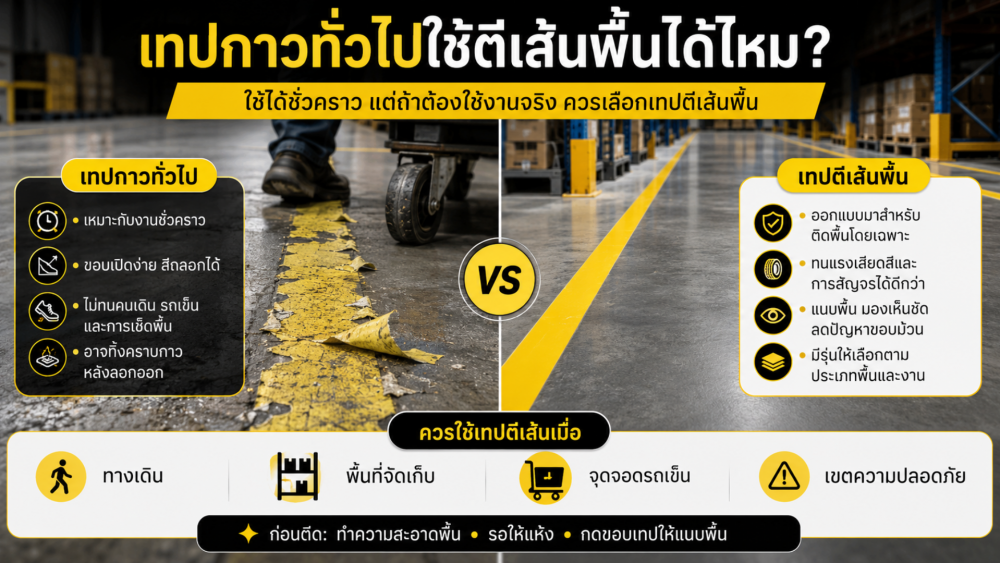
Regular adhesive tape can be used for floor marking if it is for temporary tasks with low traffic, such as marking item positions, testing floor layouts, or outlining before actual equipment installation. However, if it is needed for walkways, storage areas, cart parking spots, or designated zones that require clear and continuous visibility, specialized floor marking tape should be chosen because it is designed to properly withstand floor conditions. The difference is therefore not just about color or adhesiveness, but also includes the tape backing material, abrasion resistance, edge profile, and floor adhesion.
Can regular adhesive tape be used for floor marking?
The answer is It can be used, but it is more suitable for temporary jobs
If you only need it to stay for a few hours or a few days, the surface is relatively smooth, no carts roll over it, and the tape can be replaced immediately once it begins peeling, using regular adhesive tape may suffice. Common examples include marking machine positions before actual installation, experimenting with relocating storage racks, dividing areas during events, or outlining lines before painting.
However, if applied in areas with continuous foot traffic throughout the day, cart wheels passing over, or frequent floor scrubbing, regular tape often runs into problems—whether it is lifting edges, tearing, flaking color, or adhesive residue after removal. Some types may stick firmly on the first day, but that does not mean they will remain intact under repeated pressure and friction.
Safety demarcation areas require even more caution; if tape lines peel off in sections, colors fade, or tape edges curl up, lines intended to maintain order can become tripping hazards instead.
Why does regular tape peel off easily when applied to floors?
Floors are surfaces where tape must endure far greater forces than when applied to boxes, walls, or general workpieces. Every time shoes or cart wheels roll over it, the tape is subjected to compression, scraping, and twisting—especially when carts turn or brake, which exerts greater stress on the tape edges than moving in a straight line.
Most issues start from an edge lifting just slightly. Once dust, water, or debris get under the adhesive layer, the bonding area gradually decreases. An edge opening of just a few millimeters can then spread until the entire strip of tape peels off.
The tape backing and surface are not resistant to abrasion
Box packaging tape may have enough strength for sealing packages, but its surface and edges are not designed to withstand repeated foot traffic. Paper masking tape deteriorates even more easily when exposed to moisture. As for cloth tape, although it looks thick and strong, its edges can easily catch, and its surface tends to accumulate more dust than tape specifically made for floor applications.
Floor marking tape is therefore not just about adhesive strength, but it must also maintain the shape of the lines, resist surface damage, and keep its color clearly visible after prolonged use.
The adhesive and tape edges are not designed for floors
Touching the adhesive with your finger and feeling that it is sticky does not mean the tape will handle stress on the floor well. General-purpose tape adhesive may be suitable for static bonding, but under the repeated forces of walking or rolling wheels, the tape can start to shift, wrinkle, or peel at the edges.
Certain types of adhesive may also soften when exposed to heat or subjected to continuous pressure over long periods, leaving residue on the floor when peeled off. Conversely, an overly strong adhesive might pull up paint layers or floor coatings, especially on deteriorating epoxy or painted floors.
Which types of adhesive tape can be used for temporary line marking?
Packaging tape
Packaging tape is relatively thin and has a slick surface. When applied to a floor, it may look neat initially, but it tears or lifts easily when walked on or driven over by carts. It is therefore only suitable for temporary positioning in areas without foot traffic, not for walkways or regular working zones.
Paper tape / Masking tape
Paper tape is suitable for painting and tasks requiring removal within a specific timeframe. The tape material does not resist moisture, dirt, or abrasion. It can be used as a guide before painting or to temporarily partition areas during work, but it should not be left as a long-term boundary line.
Duct Tape / Cloth Tape
Cloth tape is strong and easy to tear by hand, so it is often picked up for marking floors. Some types may adhere well at first, but the tape surface gathers dust easily, the edges are prone to snagging, and certain adhesive formulas can leave residue when left on for a long time. It is better suited for temporary tasks than for marking in high-traffic areas.
Floor marking tape
Floor marking tape is manufactured specifically for demarcating floor lines, with variants available for pedestrian zones, general-purpose tasks, and heavy industrial use. What you should look for is not just whether the tape is yellow or says 'floor marking tape' on the label, but also verifying what level of traffic it supports and what type of floor surface it suits.
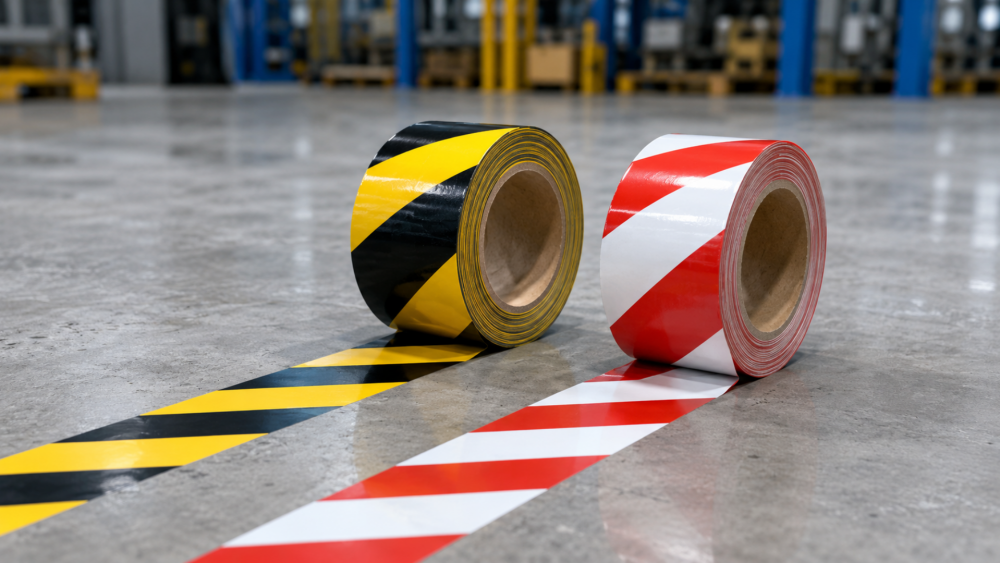
Tapes with warning colors or patterns, such as yellow/black or red/white, are not necessarily made for all floor types either. Some hazard warning tapes are designed only for application on posts, walls, or machinery.
Problems that can occur when using the wrong type of tape
Using whichever tape is on hand saves money initially, but if you have to replace the tape frequently, shut down areas to reapply lines, or waste time cleaning off adhesive residue, the total cost can end up higher than selecting the right tape for the job from the start.
Commonly encountered problems include:
- Lifting, wrinkling, or curling tape edges
- Torn tape backing and worn-off color
- Dust and moisture seep under the adhesive line
- Adhesive residue left after peeling off
- Requires frequent replacement or line repairs
- Peeling tape can become a tripping hazard
If it is just for a temporary marking used for a single day, these issues might not be too severe. However, for walkways, restricted areas, or zones around machinery, suitable floor tape should be used from the beginning and replaced immediately once the line begins to deteriorate.
When should dedicated floor marking tape be used?
Floor marking tape should be chosen when the tape line requires continuous use, experiences regular foot or cart traffic, undergoes frequent floor cleaning, or defines safety-related boundaries such as walkways, storage areas, pallet staging zones, restricted areas, and zones around machinery.
Areas with the following characteristics should not use general adhesive tape instead:
- Continuous pedestrian traffic throughout the day
- Carts or wheeled equipment in use
- Used to demarcate walkways or product staging areas
- Requires long-term line visibility
- Regular floor sweeping, mopping, or scrubbing
- The line impacts area safety
For warehouses or factories that frequently reconfigure layouts, floor marking tape also offers the advantage of being easier to remove and relocate than painting. However, products suitable for the specific floor type should be chosen to help minimize adhesive residue and surface damage upon removal.
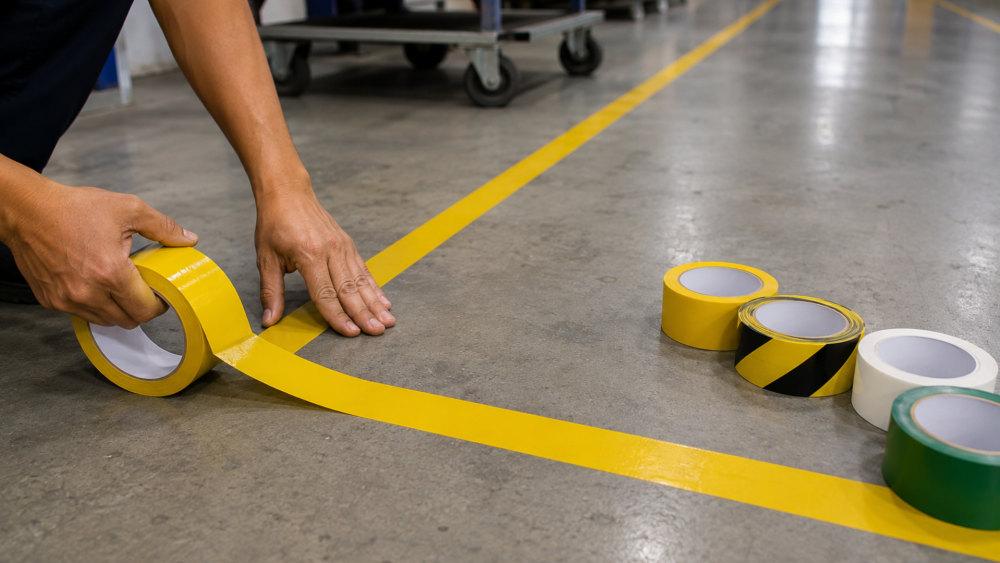
What to consider when choosing floor marking tape
Choosing floor marking tape doesn't require analyzing every complex detail right away; simply starting with 3 key questions can greatly reduce the chances of making the wrong choice.
What passes over the tape line?
General pedestrian areas do not require the same durability as lanes for hand trucks or forklifts. If the tape line is located where wheels turn, brake, or drag items across, choose a model specifically rated by the manufacturer for such conditions.
What type of floor is it applied to?
Polished concrete, rough concrete, epoxy, tiles, and steel floors offer different levels of adhesion. Smooth floors allow full contact with the adhesive, while rough or dusty surfaces prevent the tape from adhering completely. If unsure, test on a small area before actual application.
Do you need it for temporary or long-term use?
For a temporary layout, you might choose tape that peels off easily without leaving much residue. However, if intended as a permanent line, you should prioritize abrasion resistance, edge-lift resistance, and color visibility rather than just the price per roll.
How to prepare the floor before applying tape
Even if you choose the right type of tape, applying it over dust, oil stains, or wet floors can cause it to peel off quickly. Before applying, sweep or vacuum dust away, wipe away all stains, and wait until the floor is completely dry. If the floor surface is crumbly, has peeling paint, or a degraded coating, repair it first, as adhesive cannot bond loose surfaces back together.
Do not stretch the tape during installation. Lay it down along the line and press firmly across its full width, focusing especially on both edges. The main steps to follow are:
- Clean off dust and oil stains
- Wait until the floor is completely dry
- Apply the tape without stretching it
- Press the tape surface and edges firmly against the floor
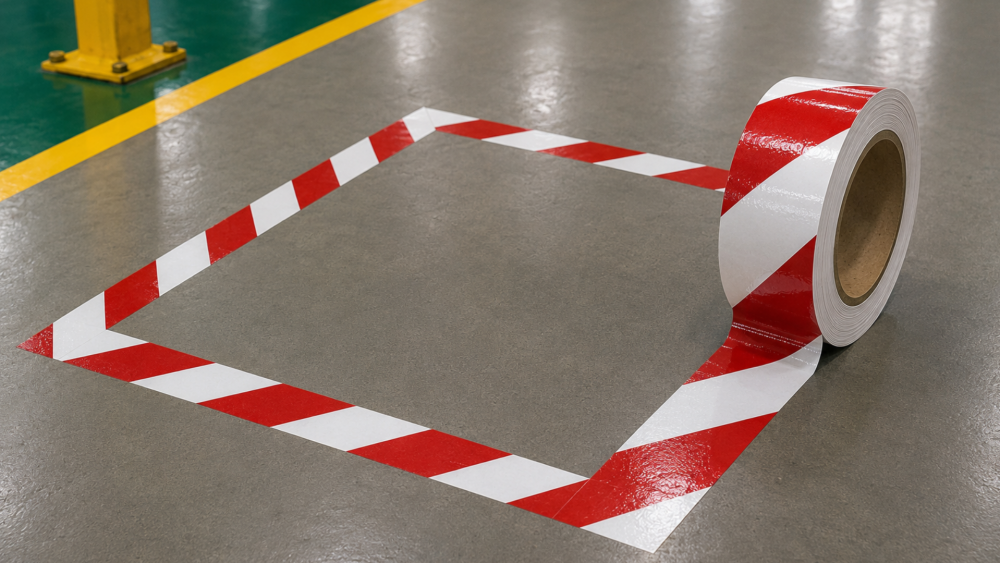
Choose the right tape for the job to reduce reapplication issues
General adhesive tape can be used to mark floor lines for temporary tasks in areas with virtually no foot or vehicle traffic. However, if used for walkways, storage areas, cart parking zones, or safety-related perimeters, Floor Marking Tapes floor marking tape is much more suitable for the job.
Before purchasing, consider what the tape line will endure, what type of floor it will be applied to, and how long it needs to last. The most suitable tape does not necessarily have to be the thickest or stickiest roll, but rather a model designed specifically for the actual operating conditions of the area.