


 EN
 ไทย


Customers Also Purchased
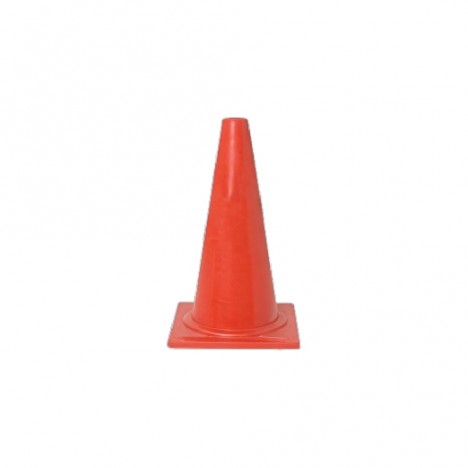
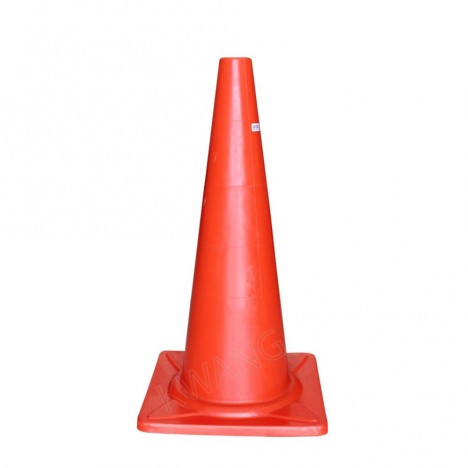
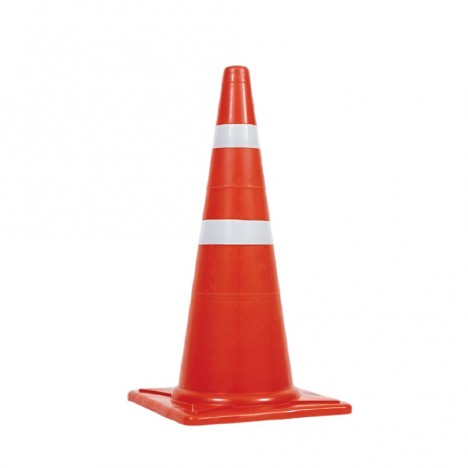
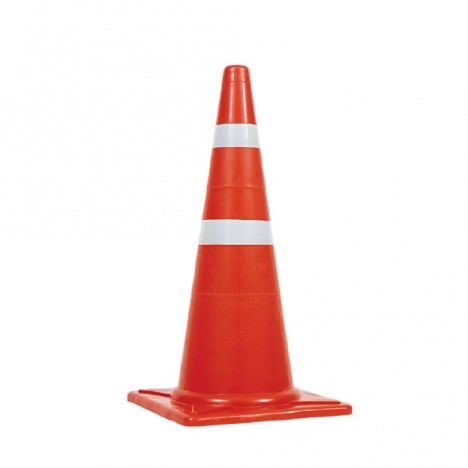
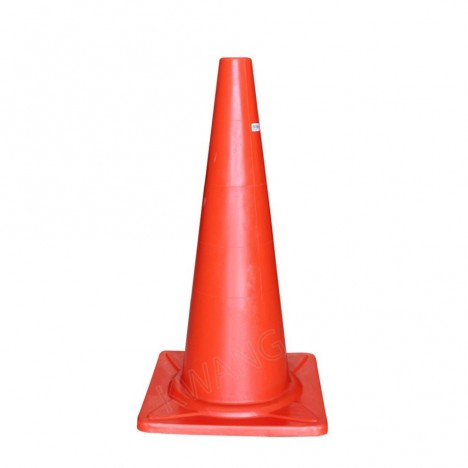
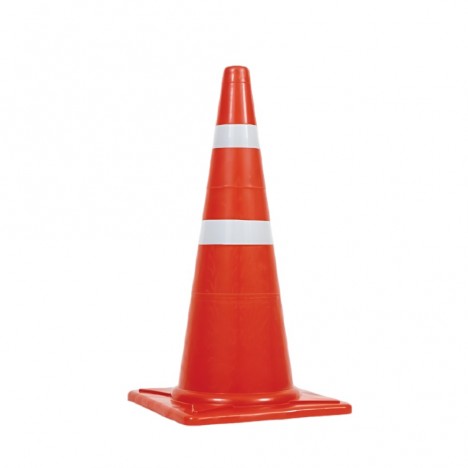
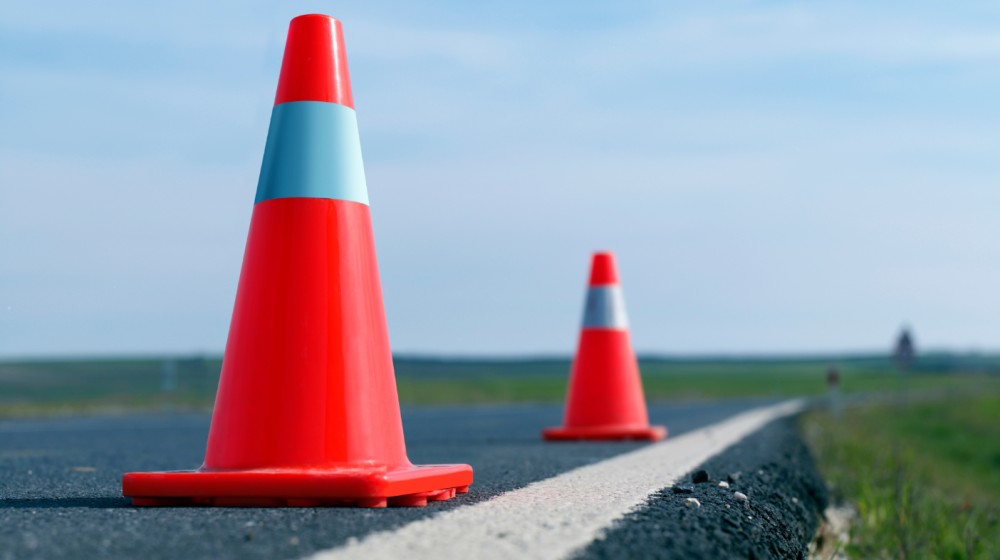
Floor Safety Cones left outdoors for long periods often change from bright orange to pale orange, developing a matte surface or a white haze on the plastic. Some still stand normally, but the color is no longer prominent, while others begin to harden, crack, or fail to recover their shape properly after being compressed.
This issue affects more than just aesthetics, as the orange color of the cone serves to help drivers and personnel in the area clearly see the boundary barriers. Thai traffic cone standards specify that the body must be orange or fluorescent orange, uniform in color throughout, and clearly visible from a distance. Fading to the point of blending in with the road surface can reduce its effectiveness in warning and demarcating zones.
The main causes are ultraviolet (UV) radiation combined with heat, rain, moisture, pollution, and abrasion during use. Whether each cone model fades faster or slower depends on the material type, pigment quality, UV stabilizers, and manufacturing process—it cannot be judged by the terms PVC, PE, or EVA alone.
1. UV radiation degrades the color and plastic material
UV radiation from sunlight can break the chemical bonds of polymers. This process is called photodegradation. The resulting effects can include color shifting, a matte finish, chalking, cracking, and a loss of flexibility or impact resistance.
Cones placed outdoors every day accumulate more radiation than cones brought out for occasional use. The side directly facing the sun may also fade faster than the shaded side, causing uneven coloring on the same cone.
The severity of degradation also depends on the environment. ASTM states that the outdoor durability of plastics can vary based on UV exposure levels, time of wetness, temperature, pollution, and regional climate. Therefore, test results from one location should not be used to directly predict lifespan in another.
2. Heat and weather accelerate degradation
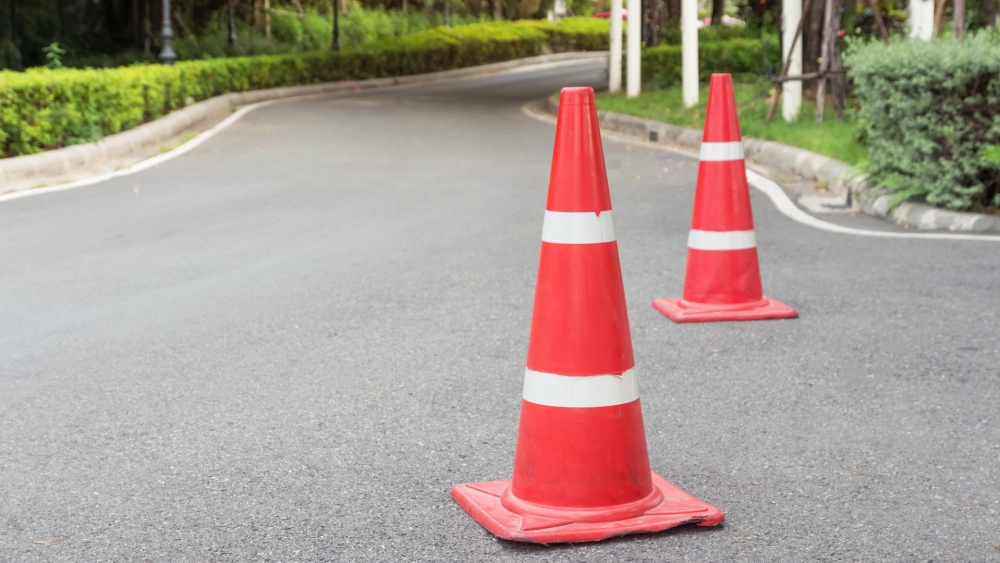
Asphalt and concrete surfaces exposed to sunlight absorb and retain a significant amount of heat, exposing the cones to both UV radiation and high temperatures simultaneously. Heat accelerates oxidation reactions in plastics, leading to faster discoloration and loss of physical properties—especially when the material is repeatedly exposed to intense sunlight alternating with rain and humidity.
Cones placed near exhaust pipes, machinery, heat sources, or on dark surfaces may degrade faster than cones placed in well-ventilated areas, even when used for similar periods.
Rain alone is not the primary cause of traffic cone fading. However, alternating wet and dry cycles, accumulated pollution, and continuous sunlight exposure are all part of weather-induced degradation. Therefore, you should not rely solely on waterproof properties to conclude that a cone is suitable for outdoor use.
3. Inconsistent material formulations and pigment qualities
Two cone models labeled with the same material type may offer different sun resistance because manufacturing formulations also include pigments, antioxidants, light stabilizers, plasticizers, and other additives.
UV protection additives work through various mechanisms; for example, UV absorbers capture energy in place of the polymer, while hindered amine light stabilizers (HALS) scavenge free radicals formed during degradation. Properly incorporating these additives helps delay discoloration, cracking, and mechanical degradation, but it does not mean the material will never fade or degrade over its lifespan.
The terms "UV Resistant" or "UV Stabilized" should therefore be supported by product specifications or test results rather than relying solely on a single line of advertising copy, as buyers cannot tell from the outside what type of protective additives were used or how effective they are. A color that looks vivid on the day of purchase does not guarantee long-term sun resistance. Pigment quality and dispersion throughout the plastic also affect color retention during use.
4. Surface-coated colors risk peeling and fade differently from molded-in colors
Quality plastic cones should have orange pigment compounded throughout the material rather than relying solely on an external surface coating. Standard specifications for traffic cones require the orange color to be blended throughout the plastic matrix, providing uniform color across the entire piece.
The advantage of molded-in color is that shallow scratches will not immediately reveal a different base color, unlike surface-coated materials. However, molded-in plastic colors can still fade from UV exposure if the pigment formulation and light stabilizers are not suitable for outdoor use.
When purchasing, inspect whether the color is uniform, free of blotches, overspray marks, or easily peelable layers. If minor scratches clearly expose an inner color different from the surface, inquire about the manufacturing method with the supplier before deploying them for long-term use.
5. Dragging, stacking, and impacts cause the surface to look faded
Traffic cones are frequently dragged across the ground, tossed onto trucks, stacked for storage, or sideswiped by vehicles. This abrasion causes the plastic surface to lose its gloss and develop numerous micro-scratches. When light strikes these scratches, it scatters and makes the surface appear whitish or dull, even if the underlying pigments have not significantly degraded from UV exposure.
White stress marks caused by bending or compression may also indicate material fatigue; if that area begins to harden, tear, or fail to recover its shape, it signifies that the issue is no longer just cosmetic. Therefore, standards for plastic traffic cones do not evaluate color alone, but also cover drop impact resistance, impact strength, compression resistance, and rebound resilience.
6. Reflective sheeting deteriorating separately from the cone body
The white stripes on a cone do not function like the cone's body color; instead, they are reflective materials that direct light from vehicle headlights back to the driver. The cone body might still be vibrant orange, but the reflective collar may have turned dull, scratched, peeled off, or lost its efficiency.
Reflective sheeting for cones is available in glass bead and microprismatic types. Some products are specially designed to be flexible and impact-resistant for use on PVC cones and reboundable traffic control devices.
Reflective sheeting should therefore be inspected separately from the cone body color by shining a light on it from a similar distance and comparing it with a new cone. If the existing band reflects light noticeably weaker, has peeling, or has significantly damaged surfaces, the cone should be replaced or repaired with manufacturer-approved materials.
Thai specifications also evaluate reflective sheeting after accelerated weathering by checking both retroreflective values and adhesion peeling to ensure that the cone body and reflective material continue to function together after environmental exposure.
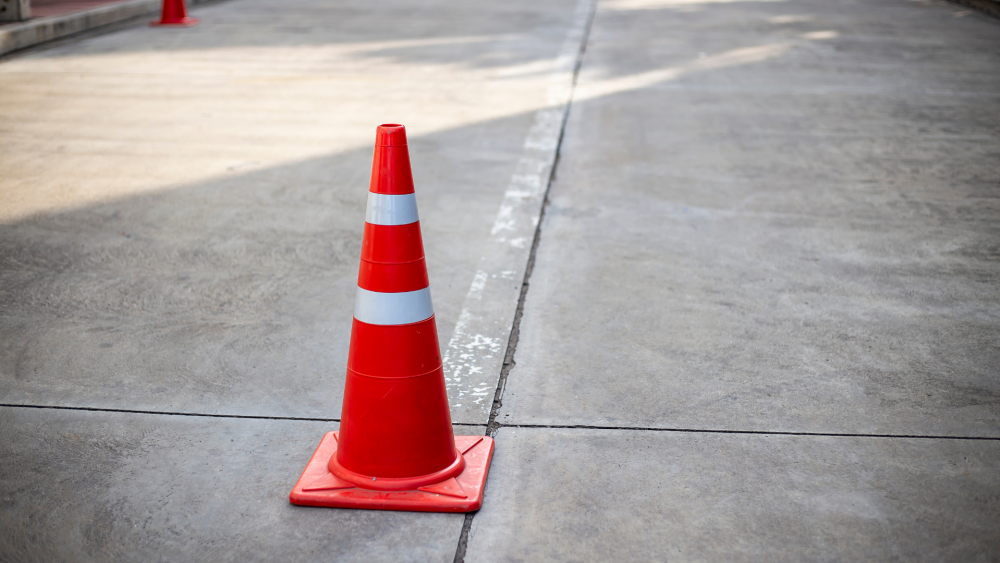
How to choose traffic cones with higher sun resistance
Sun resistance should not be judged solely by price or material name; product details and test results should be reviewed together.
Choose models specified for outdoor use
Cones for parking lots, construction sites, roadsides, or outdoor factory areas should explicitly state that they are suitable for "Outdoor Use".
The term "waterproof" is not enough, as a material may tolerate rain without being formulated to withstand continuous UV radiation and heat. You should inquire further with the supplier whether the cone body contains light stabilizers or has undergone weatherability testing.
Check for TIS 2899-2561 standard compliance
Thailand has the TIS 2899-2561 standard for plastic traffic cones, covering shape, color, dimensions, reflective bands, stability, impact resistance, shape recovery, and durability in service. Since it is a voluntary standard rather than a mandatory one, buyers should verify whether the selected product is actually certified or backed by real test reports, rather than relying merely on claims like "TIS equivalent".
The technical requirements of that standard employ accelerated weathering under ISO 4892-3 for 400 hours before checking color change, impact resistance, and retroreflective performance. Having a test report provides much more insight than an unsubstantiated claim of being "sun-resistant".
However, the number of test hours in a weathering chamber should not be directly translated into actual years of service life, because sunlight conditions, humidity, temperature, and pollution vary across locations. ASTM cautions that short-term testing can be used to compare material performance, but should not be used to make fixed predictions about actual service life.
Look for molded-in color
You should choose cones with consistent orange color throughout the entire piece, free from spray-painted layers that easily peel or flake. Molded-in color prevents shallow scratches from exposing an underlying base color, though it must still be paired with suitable pigments and UV stabilizers.
Do not judge based on "PVC", "PE", or "EVA" labels alone
The plastic type only reveals a portion of the basic properties; it does not indicate the overall formulation quality. Cones made from the same material can vary in flexibility, sun resistance, and shape recovery depending on additives and manufacturing processes. Priority should be given to test results, manufacturer-specified applications, color quality, material consistency, and actual track record of use, rather than choosing based solely on the material name.
Inspect reflective sheeting separately
Cones intended for nighttime use should have reflective sheeting designed for cones or flexible traffic control devices. The sheeting must adhere securely, free of bubbles and wrinkles, and not peel off easily when the cone is twisted or stacked.
Certain reflective materials comply with ASTM D4956 standards and are specifically engineered to withstand impacts on PVC cones. Therefore, it is advisable to inquire about the grade or standard of the sheeting, rather than judging solely by the number of collars or naked-eye whiteness.
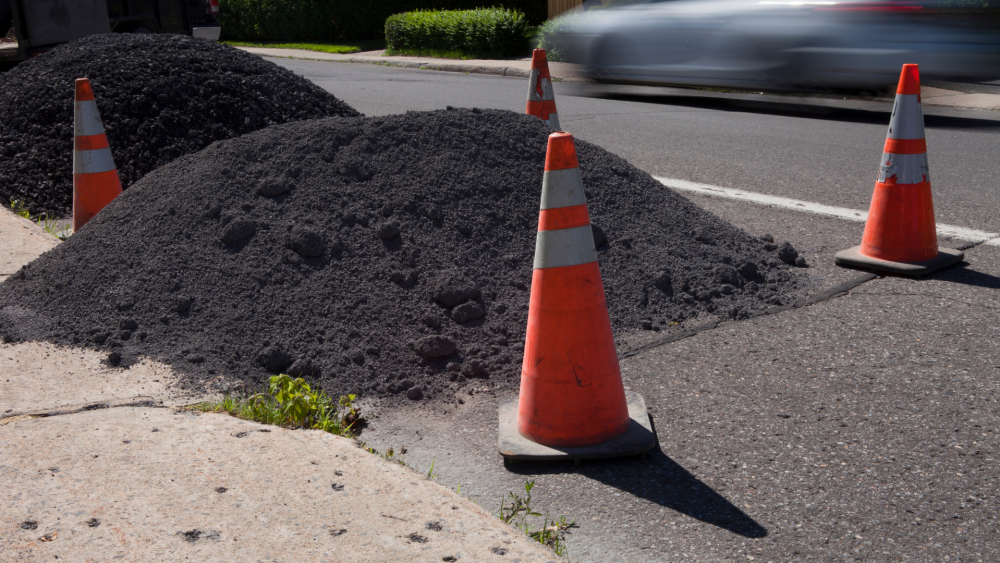
How to care for cones to slow down color and reflective sheeting degradation
Even tested cones with UV inhibitors can deteriorate. Proper storage and cleaning will help minimize cumulative sun exposure and reduce damage from dirt buildup.
- Store cones in a shaded, dry area away from heat sources when not in use.
- Wash with water and a mild detergent using a sponge or soft-bristled brush.
- Avoid thinners, oils, and solvents that could damage the plastic or reflective sheeting.
- Do not aim high-pressure washers directly at the edges of the reflective sheeting.
- Lift cones instead of dragging them across the ground to reduce abrasions.
- Stack and transport carefully; do not throw or crush them with heavy objects.
- Rotate permanently positioned cones to prevent prolonged sun exposure on one single side.
- Periodically inspect the color, flexibility, base, and reflective sheeting according to your usage cycle.
3M recommends cleaning reflective equipment with water, mild detergent, and a soft-bristled brush or sponge, avoiding excessive pressure that could damage the surface, and without using solvents.
How faded does a cone have to be before it should be replaced?
Do not determine a cone's lifespan solely by the number of years, as cones exposed to daily direct sunlight will degrade differently from those used indoors. Evaluate based on actual visibility and structural integrity.
They should be removed from traffic or high-risk areas when you observe that:
- The color has faded to the point where it no longer stands out distinctly against the road surface or background.
- The color is blotchy to the extent that the cone's shape cannot be clearly recognized.
- Chalky surface, cracking, or abnormally brittle plastic
- The cone does not bounce back when folded or is deformed to the point it cannot stand upright
- Base is cracked, detached from the cone body, or easily tips over when placed
- Reflective sheeting is peeling, clouded, or visibly diminished in reflectivity
- Stubborn stains obscuring both the color and reflective sheeting
Cones whose color is beginning to fade but remain structurally sound can be repurposed for indoor use or lower-risk areas, but should not be returned to roadside or nighttime use simply because they can still stand upright.
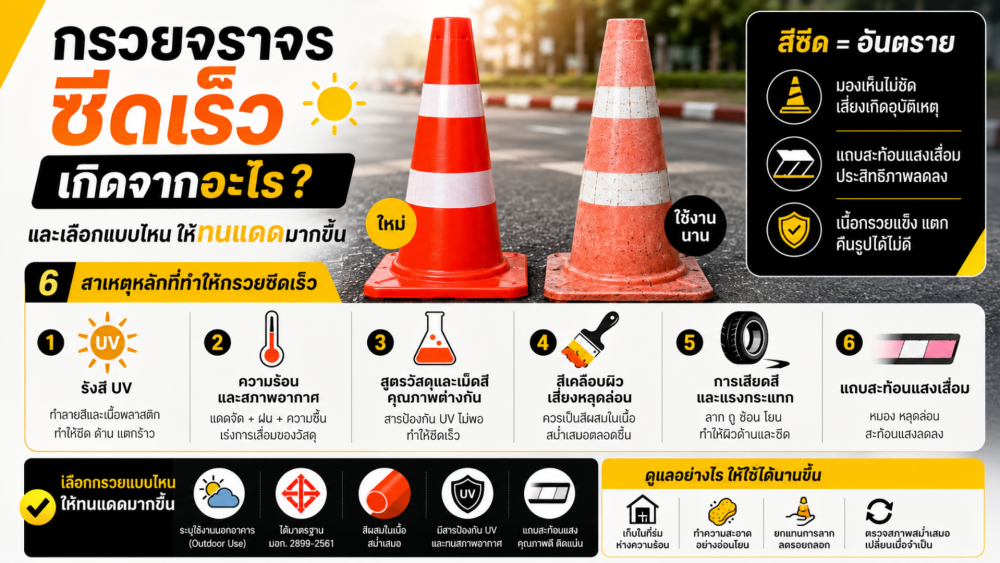
Choose Right from the Start to Reduce Fading and Frequent Replacements
Floor Safety Cones Fast fading is caused by the combined effects of UV radiation, heat, moisture, pollution, and abrasion. Pigment quality, material formulations, and light stabilizers directly impact color retention, meaning cones listing the same plastic type can differ greatly in lifespan.
For outdoor use, choose cones that clearly specify their scope of application, have color integrated into the plastic matrix, provide weather resistance data, and come with verifiable test reports compliant with standards. The cone body and reflective sheeting must be assessed separately, as they may not degrade at the same rate.
Once used, they should be cleaned, stored indoors when not needed, and inspected periodically. If the color has faded past clear visibility, the cone body has cracked, or the reflective sheeting no longer performs, replacement is preferable to forcing the use of equipment that can no longer serve its full warning function.