


 EN
 ไทย


Customers Also Purchased
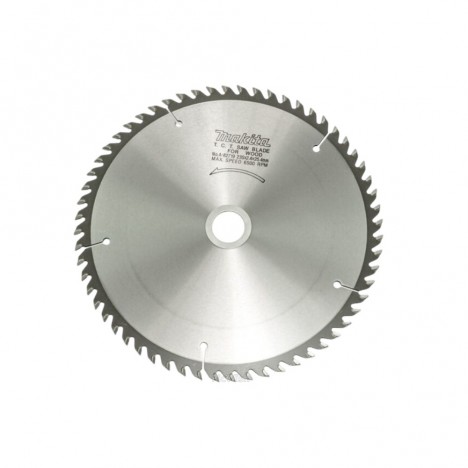


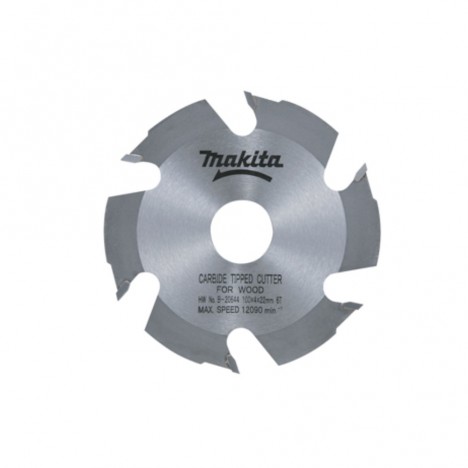
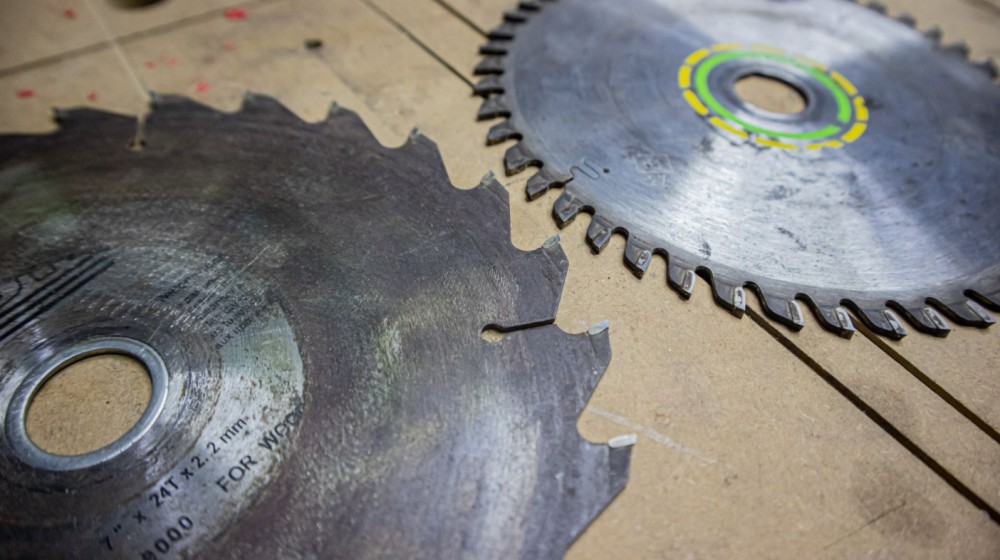
When it comes to choosing Circular Saw Blade to use, we would likely start by looking at the blade's outer diameter, number of teeth, and arbor size. If these values match your existing circular saw, it might feel like the blade can be installed and used in the exact same way, leading to another frequently asked question about circular saw blades: Can a wood-cutting circular saw blade be used to cut steel, or conversely, to what extent can a metal-cutting circular saw blade be used for cutting wood?
The answer is Some types of blades might cut other materials initially, but that does not mean it is suitable, safe, or recommended to interchange them. Because each type of circular saw blade is engineered to handle distinctly different material properties—ranging from hardness, toughness, and density to chip formation patterns and heat generated during cutting.
Therefore, determining whether wood-cutting and steel-cutting circular saw blades can be interchanged is not just about whether "it fits the machine." You must consider the blade itself, the power tool (such as circular saws, table saws, or miter saws), the material, operating speed, and manufacturer specifications.
Can wood-cutting and steel-cutting circular saw blades really be interchanged?
Generally, you should not use a wood-cutting circular saw blade to cut steel, nor should you use a steel-cutting circular saw blade on wood without thoroughly checking the blade type.
Even if the blade manages to bite through the material in some cases, the results can differ vastly from using the correct blade type—both in cut quality, blade lifespan, motor load, and safety risks from broken teeth, blade deflection, workpiece kickback, or flying debris ejected from the cut line.
Using the wrong circular saw blade is not just a matter of slow or rough cuts, but it forces the equipment to operate outside of its directly engineered parameters.
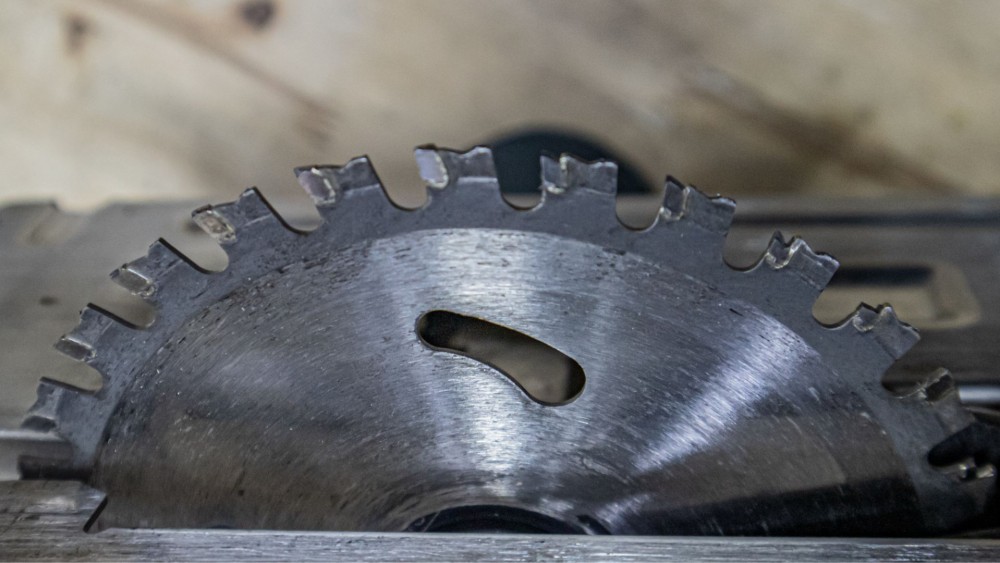
Why are wood-cutting circular saw blades unsuitable for cutting steel?
- Tooth geometry and angles are designed for wood grain
- Tooth material is not rated for the heat generated by metal cutting
- Tooth count is too low for cutting steel
What happens if you use a wood blade to cut steel?
The first sign you may notice is an unusual cutting noise, excessive tool vibration, or the sensation of the blade pulsing or striking against the workpiece. Instead of feeding smoothly through the material, the teeth can catch on the steel edge, requiring more force to maintain control. Forcing the cut further may cause the blade to overheat rapidly, discolour tooth tips, chip the teeth, or generate far more sparks than normal.
Another risk is kickback, which occurs when the circular saw blade binds, jams, or is pinched by the workpiece during the cut. The blade's rotational force suddenly thrusts the tool or the workpiece backward. Using a blade with teeth that bite too aggressively into steel increases the chance of the blade violently catching on the workpiece edge, especially if the material is not clamped down securely or if you attempt to alter the cut line while the blade is still engaged in the material.
Sparks and hot metal debris can also accumulate inside the blade guard, ventilation slots, or dust collection bag of a saw designed for woodworking. Trapped sawdust and wood particles inside the tool are combustible. Using a woodworking machine to cut metal without proper certification therefore increases hazards beyond just damage to the circular saw blade.
Can a Metal Cutting Circular Saw Blade Cut Wood?
Technically, some metal-cutting circular saw blades may bite through wood because wood has lower hardness than metal, but that doesn't mean it is a suitable choice. Results depend on the type of blade, as the term steel-cutting or metal-cutting blade covers many designs—ranging from carbide blades for steel, blades for aluminum, blades for stainless steel, to multi-material blades.
Metal-cutting blades with high tooth counts and small gullets can cut wood very slowly. Sawdust can clog between the teeth and accumulate inside the kerf. When chip clearance can't keep up, heat increases, causing the wood to burn, the blade to bind, and placing a higher load on the motor. You might see a fine cut initially, but as the blade clogs, the cut line may wander or leave burn marks along the edges of the wood.
Another issue is tooth angle. Metal cutting circular saw blades are usually not designed to pull large wood chips out of the kerf, so the teeth scrape or shave wood little by little rather than cutting fibers efficiently. This results in slow cutting, excessive fine dust, and higher energy consumption than using a proper wood-cutting blade.
Therefore, even though some metal blades can cut through wood, they should only be used if the manufacturer explicitly states that the circular saw blade supports woodworking or is a Multi-Material blade. If the label or manual specifies that it is designed strictly for steel, it should only be used for the specified material.
Can You Cut Aluminum with a Wood Cutting Circular Saw Blade?
Aluminum is a relatively soft metal, which may lead to the assumption that a standard wood circular saw blade can be used. Although some wood blades can cut through aluminum, it is still not a recommended practice. Aluminum is ductile and can weld or adhere to the cutting teeth. When metal chips build up on the teeth, the blade can bind, overheat, and cause kickback during cutting.
Blades for aluminum or non-ferrous metals usually have high tooth counts, tooth geometries that reduce workpiece grabbing, and designs that control metal chips better than standard wood blades. Some models use alternating tooth geometries to continuously shear aluminum surfaces, minimizing the chance of teeth snagging workpiece edges—especially when cutting thin profiles, aluminum frames, or hollow extrusions.
If you need to cut aluminum, you should choose a blade explicitly designated for Non-Ferrous Metal or Aluminum, and ensure the saw supports that blade. Do not rely merely on the assumption that aluminum is softer than steel and any blade will do, because chip formation and metal adhesion are vastly different from wood.
The Tool Must Also Match the Material
Many people focus on blade selection but may forget to consider whether the saw itself can cut that material. Circular saws for wood and circular saws for metal may look similar, but their design details differ in many ways.
An In-Depth Look at the Relationship Between Tool RPM and Circular Saw Blades Rotational speed is an aspect that must be strictly verified. Circular saw blades have a maximum rated RPM limit. If the tool spins faster than the specified rating, the blade may experience high stress, vibration, deformation, or breakage.
Having the right blade diameter and arbor size to fit the tool is not enough; you must also check the maximum RPM rating, rotation direction, blade thickness, and overall tool compatibility.
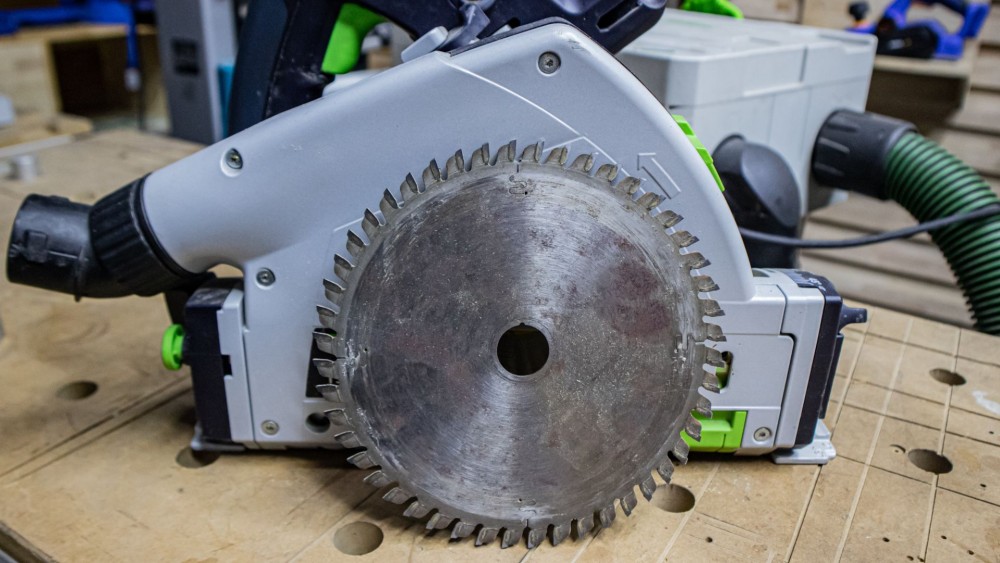
Conversely, using a blade requiring a specific speed on a tool with unsuitable RPM can result in suboptimal cutting performance, kickback, or excessive heat buildup. Therefore, it is recommended to use saw blades listed as compatible by the tool manufacturer, avoid modifying arbor holes, never remove blade guards, and refrain from switching to different blade types based solely on similar dimensions.
Are Multi-Material Circular Saw Blades an Exception?
Nowadays, more multi-material circular saw blades are available. This blade type is designed to cut a variety of materials, such as wood, nail-embedded wood, plastic, aluminum, thin steel, or composite materials. They seem like the ideal answer for those who don't want to change blades frequently, especially for demolition work, installation jobs, and tasks where it's unknown in advance whether metal is embedded inside.
Even so, the term Multi-Material does not mean a single blade can cut all materials without limitations. Each blade model specifies:
- List of supported materials
- Maximum thickness
- Workpiece characteristics
- Specified RPM range
Some models can handle small nails embedded in wood, but are not designed for directly cutting angle iron or box tubing. Some models can cut aluminum but do not support stainless steel, while others can handle thin sheet metal but must be used only with a saw operating at an appropriate RPM.
Multi-material blades therefore offer greater versatility, but their specialized performance may not match blades dedicated to a single material. If you need to cut a large amount of wood, a dedicated wood blade cuts faster and yields a better finish. If you need to cut steel continuously, a dedicated metal cutting blade will better withstand heat and manage chips more effectively.
Before selecting and using a blade, you should thoroughly read the label on the circular saw blade and the manufacturer's specifications—do not judge by the word "multi-purpose" alone.
How to tell whether a circular saw blade is for wood or metal
Relying on appearance alone can be misleading, as many types of circular saw blades look similar. The proper method is to always read the specifications on the blade or its packaging first.
Generally, the compatible material types will be specified, such as Wood, Plywood, Laminate, Aluminum, Non-Ferrous Metal, Mild Steel, Stainless Steel, or Multi-Material. It will also indicate blade diameter, arbor size, tooth count, kerf thickness, rotation direction, and maximum RPM.
Things to check before changing a circular saw blade
Before installing a saw blade, you should check essential basic specifications, including at least:
- Supported materials
- Diameter
- Arbor size
- Max RPM
- Rotation direction
- Compatible tool types
Unplug the power cord or remove the battery from the tool before changing the circular saw blade. Inspect that the teeth are free of cracks, chips, or missing tips, and never use a blade that is warped or cracked, even if the damage appears minor.
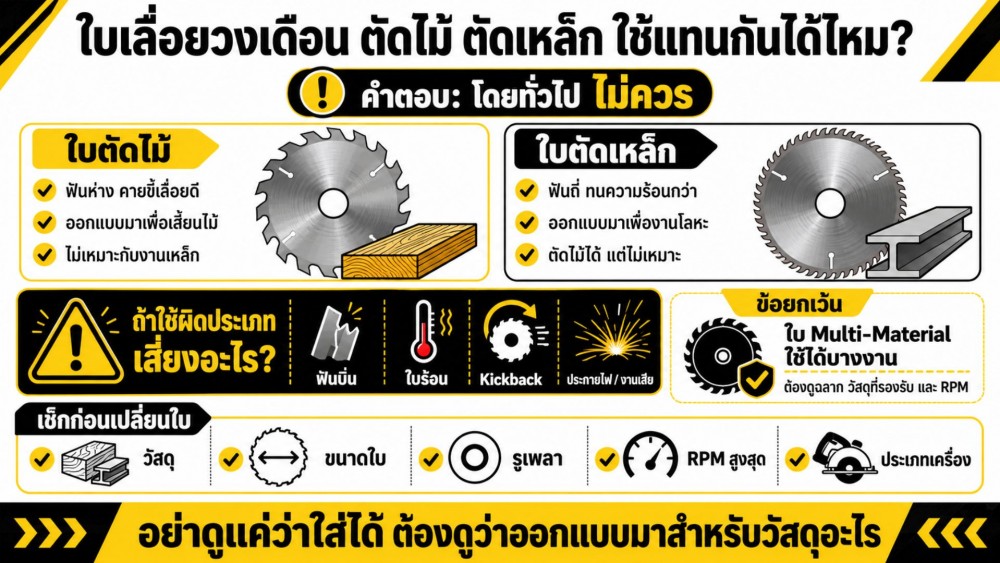
Conclusion: Wood and metal circular saw blades should not be used interchangeably
Although wood-cutting circular saw blades and metal-cutting circular saw blades have a similar appearance, their tooth geometry, cutting-tip material, tooth count, gullet design, and optimal speed ranges are distinctly different. Wood cutting blades are designed to shear wood fibers and evacuate sawdust, while metal cutting blades must withstand impact, heat, and metal debris that behave differently from wood.
The exception is Multi-Material blades, which manufacturers explicitly state can cut wood and certain types of metal. However, you must still strictly follow limitations regarding material thickness, material type, and rotational speed, as well as ensure that the saw itself supports such applications.
Before changing the blade Circular Saw Blade every time, don't just check if the blade is the same size or fits the machine's arbor. Start by asking what material the blade is designed for, what type of tool it is used with, and whether it supports the tool's rotational speed.