


 EN
 ไทย


Customers Also Purchased
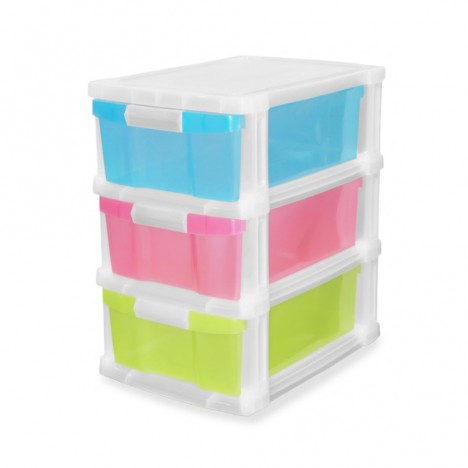
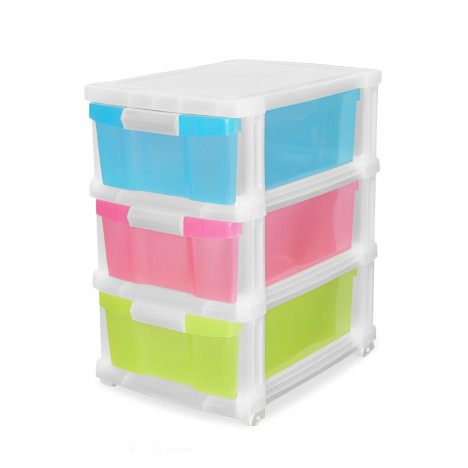
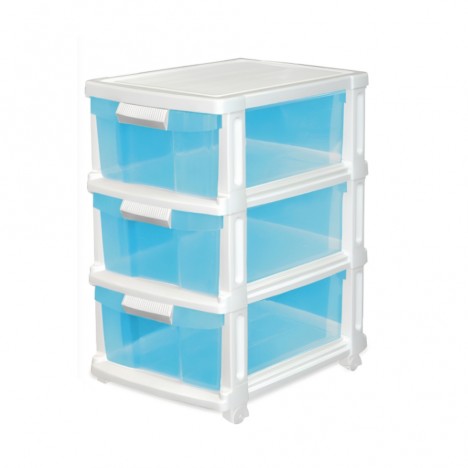
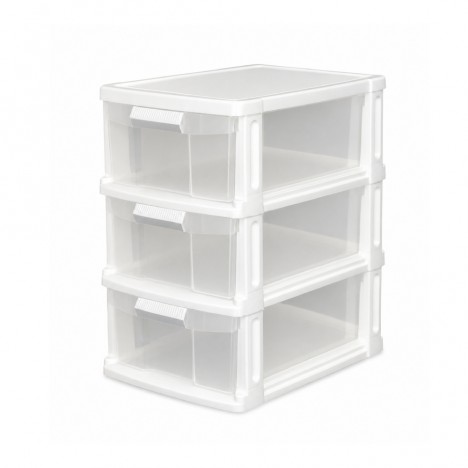
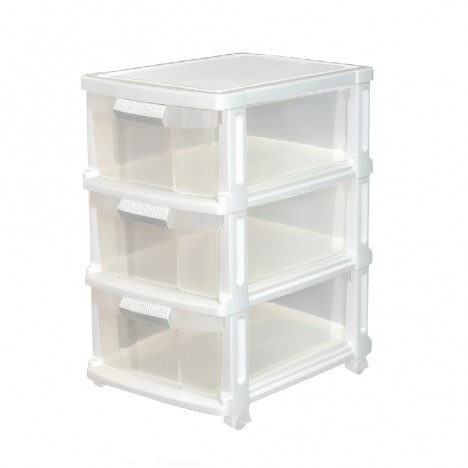
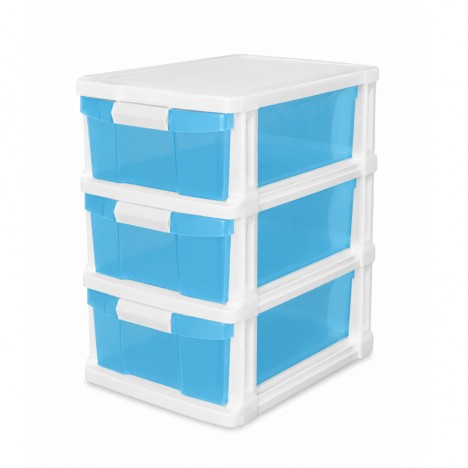
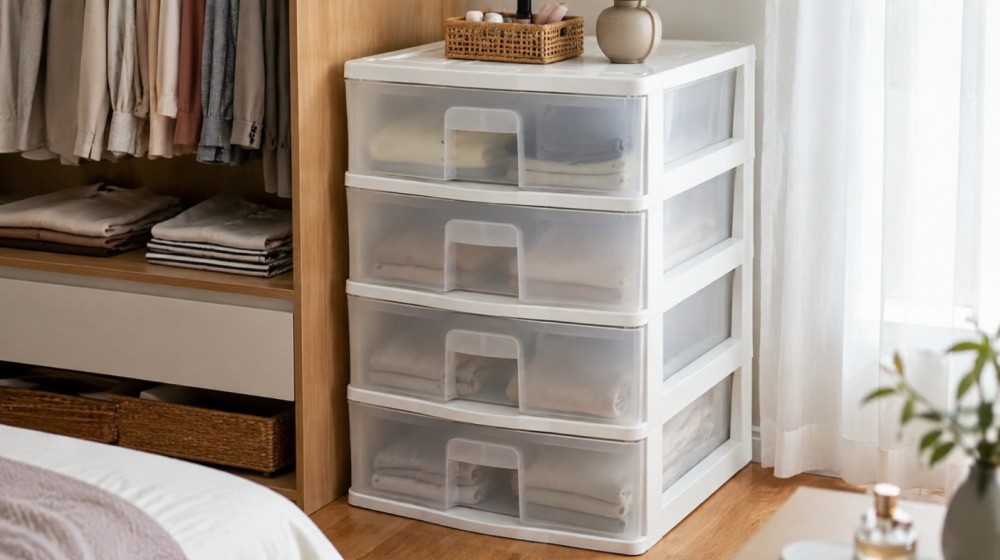
Plastic Drawer ChestPlastic is a household staple that many choose because it easily keeps clothes, toys, stationery, cosmetics, and miscellaneous items organized. The products are lightweight, easy to move, and range from small tabletop drawers to multi-tier units for bedrooms or storage rooms.
When buying, many people might base their choice mainly on tier count, color, and size. But when reading product details, you often see the phrase "Made from PP plastic," raising questions like: What is PP plastic? How strong is it? And if many drawer models use PP, why do some seem solid and long-lasting, while others bow, warp, or crack shortly after use?
The truth is, PP is a popular material for manufacturing plastic drawers, but seeing the word "PP" alone isn't enough to tell whether a model is strong or suitable for your intended use. Before purchasing, there are still several details to look for to avoid drawers that sag, become hard to open and close, or break prematurely.
What is PP plastic?
PP stands for Polypropylene. It is a thermoplastic polymer widely used to manufacture many everyday items, such as storage boxes, baskets, containers, household goods, as well as plastic drawers.
The highlight of PP is its relatively light weight and ability to be molded into various sizes and shapes. Manufacturers can also adjust the material formulation to alter its hardness, toughness, or impact resistance depending on the product's requirements.
Because of this, drawers made from PP do not all share the exact same properties. Some models focus on rigidity and shape retention; some offer higher flexibility to reduce the chance of cracking under impact; while others are designed for lightweight storage and do not require the thickness of heavy-duty models.
What buyers should know is that it's nearly impossible to tell the grade or formulation of PP just by looking at it with the naked eye. What you can truly inspect instead is the build quality, structural design, and specifications provided by the manufacturer.
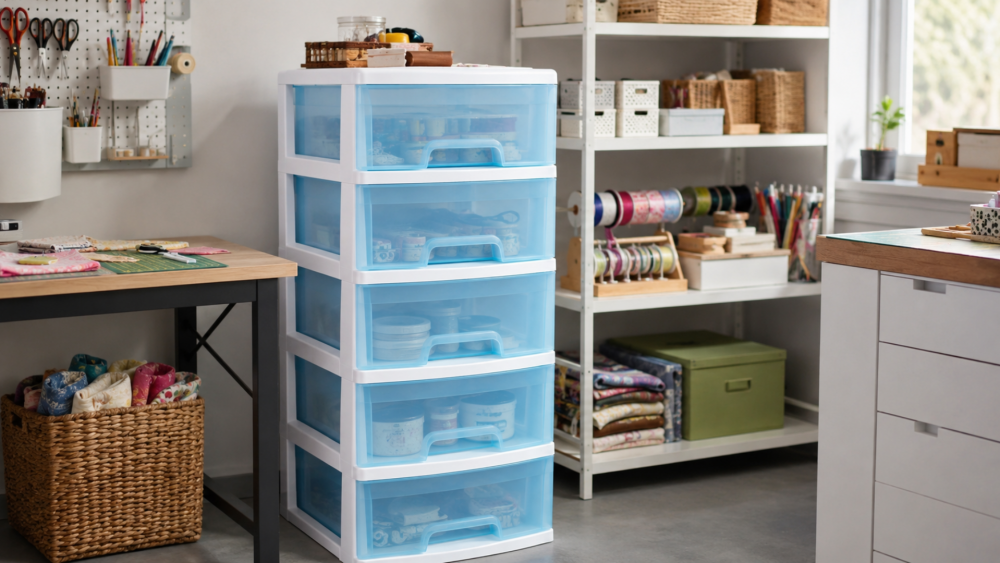
Why are drawers commonly made from PP plastic?
Drawers used in homes endure repetitive opening and closing. Sometimes they need to be removed for cleaning or moved to a new spot. Therefore, the material used should be lightweight, easy to mold, and convenient to maintain.
PP plastic meets these practical needs in many ways. Drawers made of PP are typically lighter than wood or metal drawers, making them easier to move and position—ideal for homes, dormitories, condos, and spaces where furniture is rearranged often.
Another benefit is that plastic does not swell or warp from moisture the way certain woods do. Any dust or common stains can easily be wiped clean, making it suitable for storing clothes, toys, stationery, and household supplies.
However, just because plastic doesn't swell from moisture does not mean you can store wet items or leave it in puddles without maintenance. Items inside can still develop musty odors, mold, or moisture damage. The base and wheels should also be wiped dry to prevent residue buildup. Additionally, being lightweight doesn't mean a PP drawer can handle all heavy items. Some models are meant for clothes and general items; for storing books, documents, or tools, you should directly check the load capacity specified for that model.
Does having "PP" or the number 5 mean the plastic is strong?
Underneath the drawer box, on the back, or under the base of some models, you may find the letters "PP" or a recycling symbol containing the number 5. This mark identifies the plastic type as Polypropylene. What needs to be understood is that the number 5 and the letters PP only indicate the material type, not a quality grade, and they do not guarantee that the drawer can support heavy loads or is less prone to cracking than other models.
Two drawer models may both bear the PP mark, but one might have thicker plastic, a reinforced drawer bottom, and sturdier joints, making it suitable for heavy storage. The other might be designed lightweight for small items. Therefore, when you see "PP", use it as material identification, but still consider the dimensions, structure, build quality, and load capacity.
Both made from PP, why are some drawer models not equally sturdy?
The quality of a drawer does not depend on the material name alone, but on a combination of many factors—from the plastic compound to the geometry of the parts and the assembly method.
Workpiece Thickness
Drawers with very thin walls or bottoms can easily sag or twist when loaded with many items, especially drawers with a wide front and large bottom area. However, you should not assume that thicker plastic is always sturdier. Some models may not use very thick parts but have reinforced edges and ribs that help the drawer bottom maintain its shape, while others may only look thick at the front but are thinner than they should be at the base or connection points. When inspecting the product, you should check the drawer bottom, corners, front edges, upright posts, and the wheel mounting areas, rather than looking at the side walls alone.
Drawer bottom and outer frame design
The bottom of the drawer directly bears the weight of the contents. If the bottom is very wide without any support, over time it may sag and scrape against the tier below. Some drawer models feature ribs or reinforced molding underneath to help maintain their shape. However, you shouldn't judge sturdiness solely by the number of ribs, as it also depends on their thickness, placement, and the overall frame design.
Besides the inner box, the supporting frame is just as important. If the upright posts or supporting edges twist easily, the drawer may be hard to open, misaligned when closed, or slip off track, even if the box itself looks sturdy.
Connection points between tiers
Multi-tier plastic drawers are usually assembled from several parts, such as upright posts, supports, top covers, and bases. If the insertion joints are loose, not fully seated, or too thin, the product will easily wobble and twist. Over prolonged use, loose connection points can cause the drawer fronts of each tier to become misaligned or increase friction between the inner box and the frame. For modular or knock-down drawers, make sure all parts are properly assembled into place before concluding that the product is flimsy, as wobbling is sometimes caused by posts or locking tabs not being pressed all the way in.
Manufacturing quality and shipping
Even with PP material and a well-designed structure, if the parts warp during manufacturing or suffer impacts during transit, smooth opening and closing can be compromised. Common issues include cracked corners, tilted drawer fronts, broken snap locks, plastic flash/burrs, or an uneven base. Therefore, if purchasing online, inspect the product immediately upon delivery and test assembling, opening, and closing every tier before discarding the packaging.
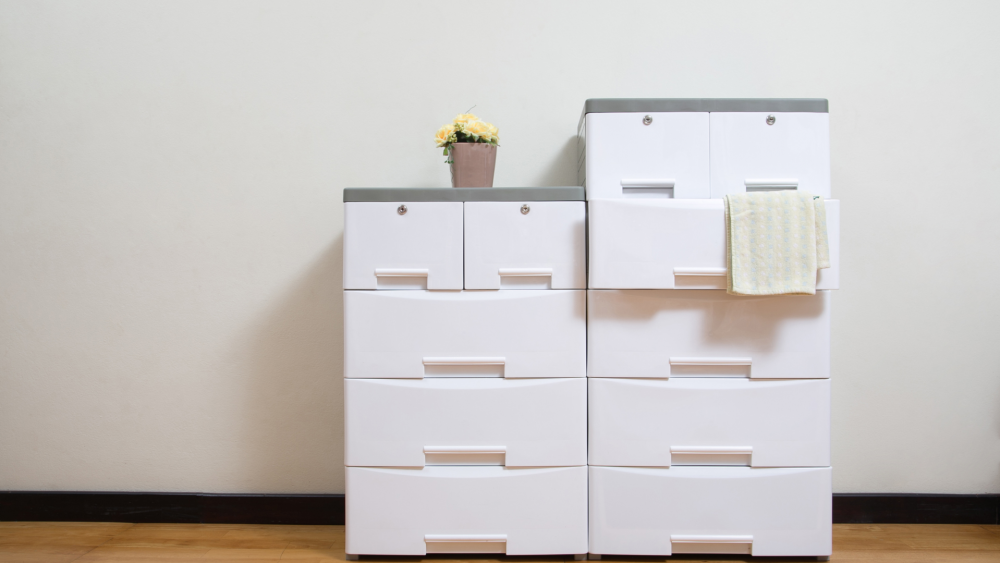
How to tell if plastic drawers are sturdy and not prone to cracking
There is no single glance that can guarantee a drawer will never crack throughout its lifespan, but a basic inspection can help weed out products that are too thin, warped, or poorly assembled.
1. Start by checking the drawer bottom
The drawer bottom is the first place you should check, as it bears the entire weight of stored items. Before buying, you should check whether the bottom of the drawer is flat, whether it sags even when empty, and check all four corners for cracks or warping.
If possible, check the underside of the box for reinforcing ribs or shapes that support the bottom, especially on wide drawers. The larger the bottom surface area, the higher the chance of sagging if heavy items are concentrated in the center for a long time. If the bottom sags significantly even while empty, you should avoid using it to store heavy items, even if the exterior looks large and spacious.
2. Test opening and closing every drawer tier
Some plastic drawers do not use ball-bearing slides, so they may not slide as smoothly as wooden furniture drawers, but they should still pull out and push back in continuously without catching so badly that you have to jerk them. You should try opening every tier, not just the top one, because different tiers may have slight variations in assembly or shape.
Things to watch for include whether the inner drawer rubs against the frame, whether you have to lift the drawer front every time to pull it out, and whether the drawer front aligns well with the other tiers when closed. If the drawer is already difficult to open while empty, it is likely to become even stiffer when loaded with actual items, as the bottom may sag and rub against the supports.
3. Inspect the outer frame and connection points
Place the unit on a flat surface and look at it from the front and sides. The drawer unit should stand straight without tilting to either side, and the drawer fronts of each tier should be aligned closely together. Try holding the sides and gently shaking it. Lightweight plastic drawers may wobble slightly, but joints should not be so loose that parts separate, and the frame should not twist enough to noticeably shift the drawer fronts. If it is a self-assembly product, check that all insertion points and snap locks are fully engaged, as incomplete assembly can cause the frame to tilt and make opening and closing difficult.
4. Check corners, edges, and handles
The corners, edges, and handles endure repeated stress every time the unit is used, so check for cracks, tears, or abnormally thin plastic. Edges should be smooth without sharp flash that could cut hands or snag clothing. Thin mold lines are normal, but they should not be thick or protrude enough to interfere with use.
Finding just a slight white stress mark does not necessarily mean the plastic is poor quality, as such marks can occur from bending or pressure during assembly. However, if white marks are accompanied by cracks, warping, or cracking sounds, you should request a replacement.
5. Check the base and wheels
The base supports the combined weight of all drawer tiers. If the base is warped, does not sit flush on the floor, or has cracks around the caster mounting points, the entire unit may wobble and become inconvenient to open and close.
For models with wheels, try rolling the unit on a flat floor to see if the wheels rotate normally, whether the wheel axles are tilted, and how securely the wheels fit into the base. If there are wheel locks, test whether they actually hold, as they help prevent the unit from sliding around when pulling out drawers. The attached wheels are suitable for moving within a room, but you should not roll heavily loaded drawers across uneven surfaces, as the impact force can directly transfer to the wheel axles and base.
6. Check the product's load capacity information
If you want to store regular clothing, size and depth might be the main priorities. However, if using them to store books, documents, bottles, or heavy equipment, you should check the load capacity specifications for each model.
Make sure to verify whether the specified figure refers to the load capacity per tier or the total capacity for the entire unit, and that the weight placed on the top surface may differ from the weight stored inside the boxes. If the manufacturer does not specify the supported weight, do not guess based on visible size or thickness. Use it to store general, lightweight items, or inquire with the seller for details before purchasing.
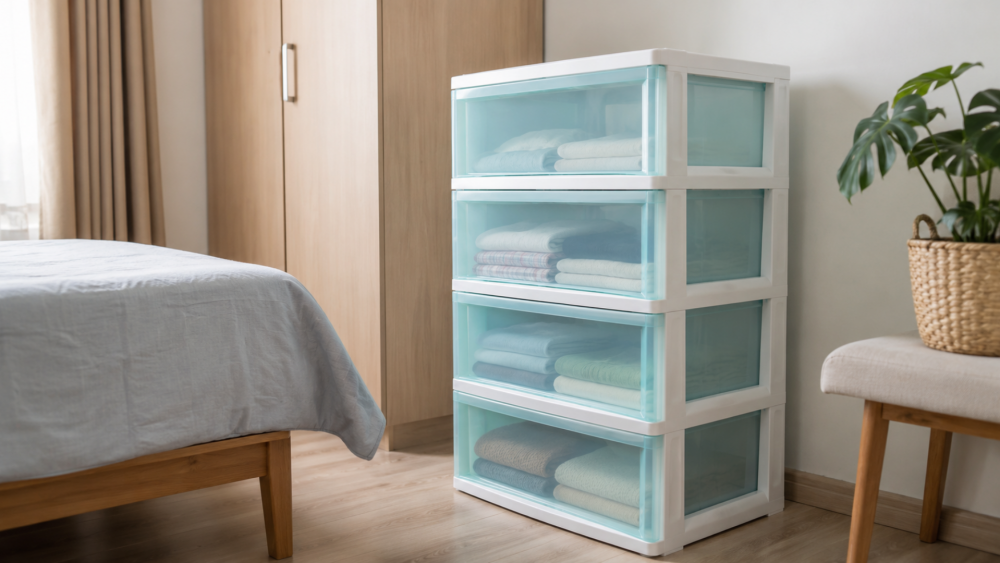
Can pressing on the plastic tell whether it is durable?
Many people try pressing on the drawer walls or bottom to see if the plastic material is rigid. This method only helps to observe whether the piece is unusually thin or saggy, but it cannot determine the PP grade or load capacity rating.
Slightly flexible plastic does not mean poor quality. Conversely, very rigid plastic does not guarantee it will not crack upon impact, as hardness and toughness are different properties. If you want to check by touch, press gently over a broad area. Do not twist corners, bend edges, or apply excessive force that damages the product. Then consider it alongside the drawer bottom, connection points, base, and manufacturer specifications. Pressing the plastic can thus help weed out pieces that are overly thin or flimsy, but it should not be used as the sole reason to judge which product model is more durable.
How to use drawers to prevent sagging, warping, or premature cracking
Even after choosing the right product, how you use it also affects the lifespan of the drawers.
- Distribute weight evenly across the drawer bottom: Do not pile heavy items in the center or into one single corner, as that area will bear more stress than the rest. Arrange items evenly across the bottom, and use internal organizer bins if you have many small items.
- Place heavy items in the bottom tiers: Placing heavy items at the bottom helps reduce the chance of the entire drawer unit becoming unbalanced and reduces the load that the upper frame must bear.
- Do not overstuff items: Items taller than the rim may catch on the tier above, preventing the drawer from opening smoothly or closing completely. If it catches when pulled, stop and rearrange the contents; do not yank with force.
- Do not open multiple tiers at the same time: Especially with tall, narrow drawers, the weight of the extended boxes in front can cause the entire unit to tip or lose balance.
- Do not use the top cover as a seat or a stepping surface: Even if the lid looks solid and flat, it does not mean it is designed to support human weight. It should never be used as a stool, step, or standing platform to reach things.
- Remove heavy items before moving: If you need to carry it up stairs, over door sills, or move it over long distances, take the items inside out first. Then lift from the base or the spots recommended in the manual. Do not lift solely by the handles or the top lid.
- Avoid continuous sunlight and heat: Do not place drawers near windows with prolonged, intense sunlight, near stoves, or near heat sources, as this can cause colors to fade, material to deteriorate, or parts to warp faster.
- Clean properly: Generally, using a soft cloth, clean water, or mild soapy water is sufficient. Avoid scouring pads, stiff brushes, and harsh chemicals unless specified as safe by the manufacturer. After wiping clean, let it dry before closing the drawers, especially for models used to store clothes, documents, or moisture-sensitive items.
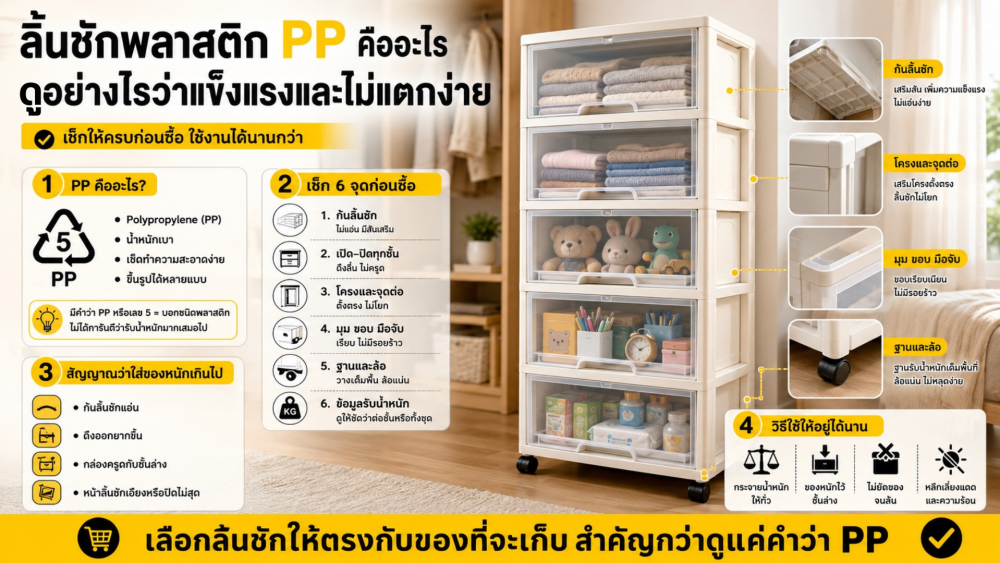
Choosing drawers that match your usage is more important than just looking for the word "PP"
PP plastic is a suitable material for manufacturingPlastic Drawer Chest because it is lightweight, can be molded into various shapes, and is easy to clean and maintain. However, the word "PP" or the number 5 recycling symbol does not mean every drawer design is equally strong, has the same weight capacity, or will never crack throughout its lifespan.
Before purchasing, start by considering what you plan to store. Then check the dimensions, number of tiers, drawer bottoms, outer frame, joints, base, wheels, and the weight capacity specs of each model, as well as testing the opening and closing of every tier if possible. There is no need to try to distinguish the grade of PP purely by sight or touch, because what truly helps make the decision is the neatness of the assembly, the stability of the frame, and its suitability for the items you plan to store.
When chosen to match your usage, distributing weight properly, placing heavy items on the bottom tiers, and avoiding overstuffing or overloading will help reduce the chance of the drawers sagging, warping, becoming hard to open, or cracking prematurely.