


 EN
 ไทย


Customers Also Purchased
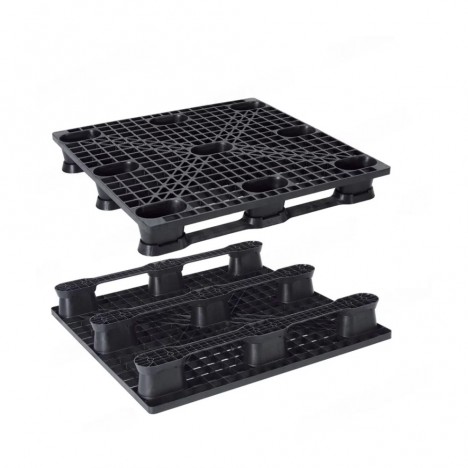
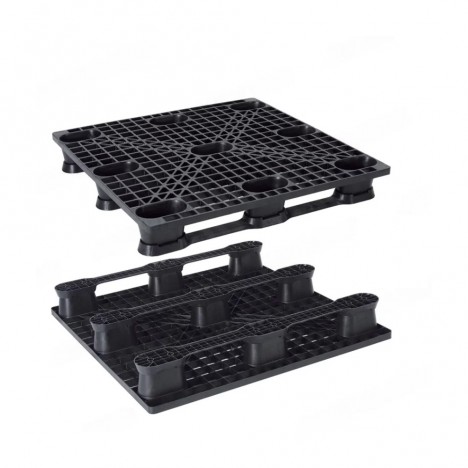
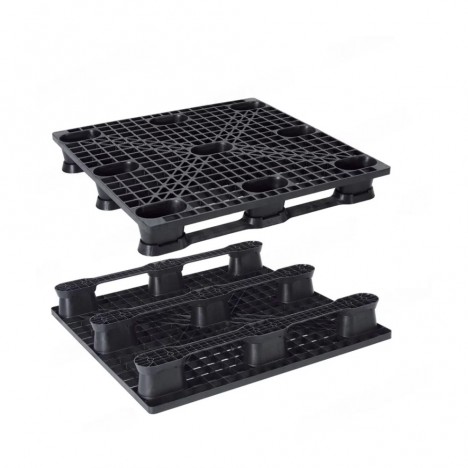
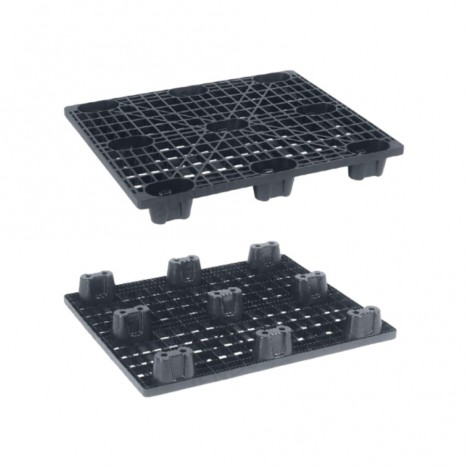
Pallets It is an essential piece of equipment for storage and material handling, whether in warehouses, factories, retail stores, distribution centers, or businesses that handle large volumes of goods, because pallets help keep stacked goods oPallets are an essential piece of equipment for storage and material handling, whether in warehouses, factories, retail stores, distribution centers, or businesses that handle large volumes of goods, because pallets help keep stacked goods organized, convenient to lift and transport, and reduce the chance of goods coming into direct contact with the floor.
Many people may be most familiar with wooden pallets, but in actual practice, pallets come in various types, including wooden pallets, plastic pallets, steel pallets, and paper pallets, as well as pallets categorized by structure, such as 2-way entry, 4-way entry, single-faced, or double-faced, each suited for different applications. Therefore, when choosing a pallet, one should not look only at the price or just what size it is, but thoroughly consider the material, product weight, handling method, storage space, and the actual nature of the work required.
What is a pallet and what is it used for?
A pallet is a flat transport structure used for placing, storing, moving, and transporting goods, typically designed so that forklifts or hand pallet trucks can insert their forks to lift it, making moving large volumes of goods much more convenient than lifting piece by piece.
Besides making it easier to move goods, pallets also help organize space, keep goods off direct floor contact, reduce moisture risks, and make inventory counting or warehouse sorting more systematic, especially for businesses with continuous intake, export, or stock turnover.
Pallet types can be divided in several ways
The question "how many types of pallets are there?" actually has no single fixed answer, because pallets can be classified by various criteria, such as by material, by structure, by forklift entry direction, or by intended application.
However, looking at general usage, the types of pallets you should know before purchasing can generally be divided into 2 main groups:
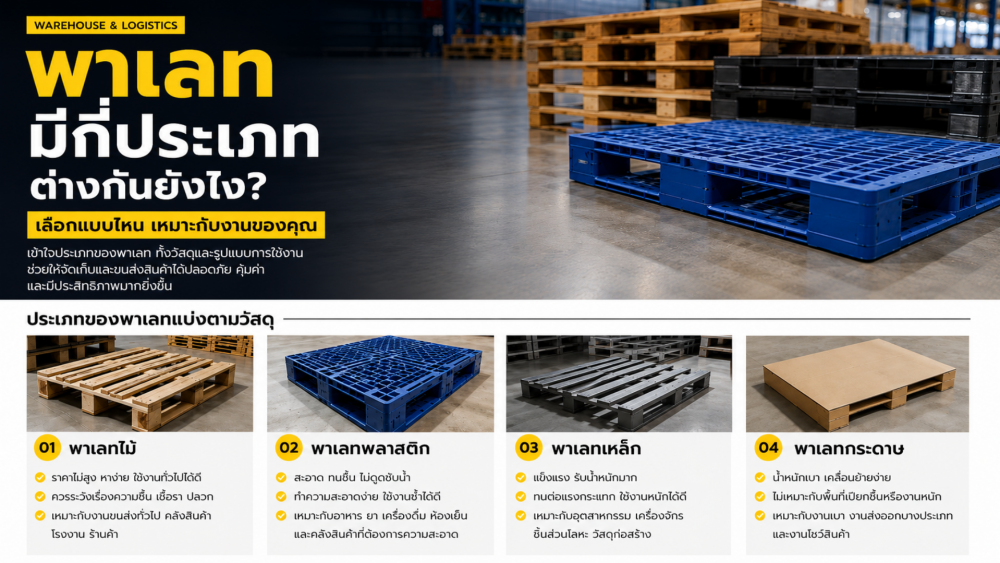
- Types of pallets by material such as wood, plastic, steel, paper
- Types of pallets by application characteristics such as single-faced, double-faced, 2-way entry, 4-way entry
Understanding both aspects will help you choose the right pallet for the job, whether for use in warehouses, transportation, factories, export, or general product storage.
Types of pallets classified by material
Material is one of the most critical factors in selecting a pallet, as it affects strength, weight, cleanliness, maintenance, service life, and overall cost.
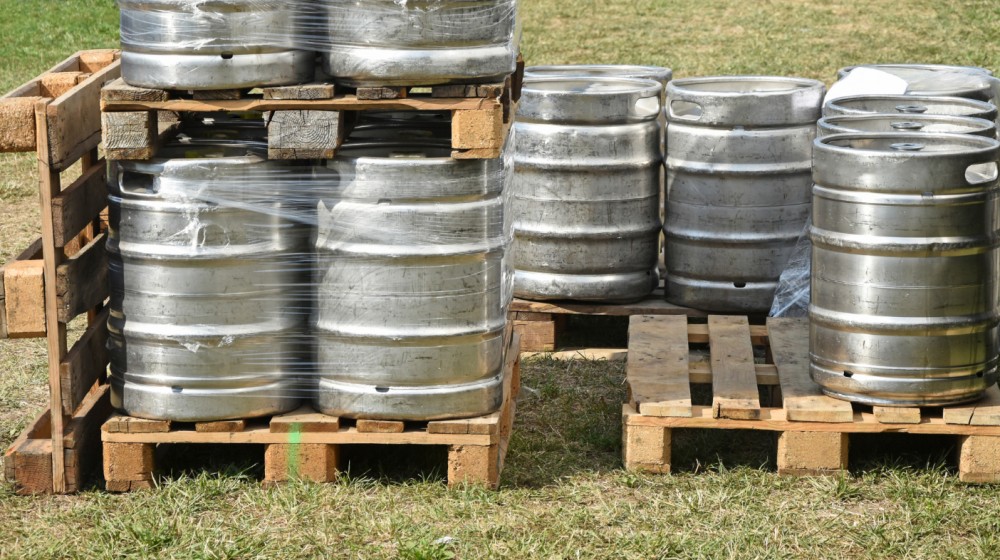
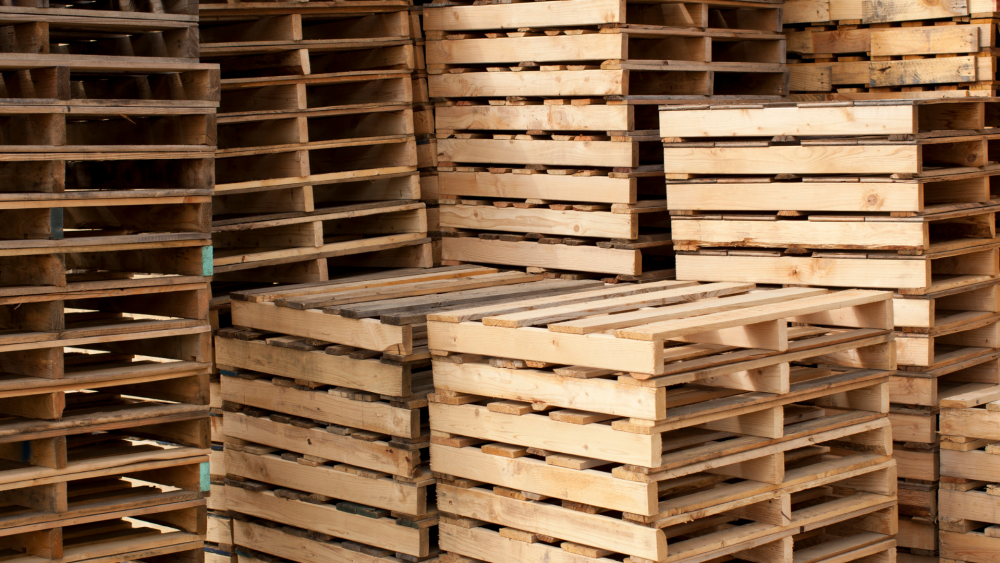
Wooden pallet
Wooden pallets are the most common type seen in general transportation and warehousing. Their strengths are their low cost compared to many other materials, easy availability, versatile usage, and in some cases, the ability to be repaired if some parts of the wood are damaged.
Wooden palletSuitable forGeneral storage, short-to-medium-distance transportation, factories, retail stores, or goods that do not require extremely high hygiene standards, such as boxed goods, construction materials, general equipment, or sturdy packaged goods. However, wooden pallets havePrecautionsIssues regarding moisture, mold, termites, wood splinters, musty odors, and pallet weight. If used in damp areas or if goods are stored on them for long periods without maintenance, the pallets can rot, sag, or degrade more easily.
If using wooden pallets for export, destination country regulations should be verified beforehand, as many cases require pallets compliant with the ISPM 15 standard or treated against pests per requirements, complete with proper certification markings. General wooden pallets should not be exported without checking the conditions.
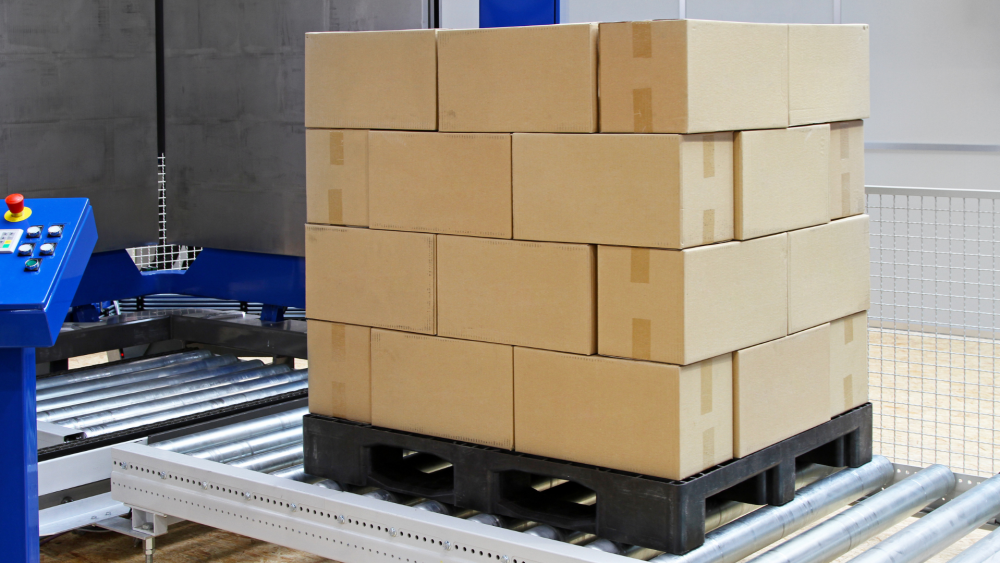
Plastic pallet
Plastic pallets have gained popularity in operations requiring cleanliness, moisture resistance, and easy maintenance. Highlights include no water absorption, rust-free, no wood splinters, easy to clean, and usually relatively lightweight compared to some pallet types.
Plastic pallets are ideal for food and beverage plants, pharmaceuticals, medical supplies, cold storage, warehouses requiring frequent washdowns, or areas needing to eliminate mold and termite issues. Therefore, they suit tasks requiring strict hygiene control better than wooden pallets.
moreHighlightsof plastic pallets is that they are highly reusable across various environments, especially in operations with pallet rotation within warehouses or across branches. However, the limitation is that prices are usually higher than wooden pallets, and if cracked or deformed, some models are not easily repaired. Therefore, they should be matched to cargo weight and actual operating methods right from the start.
Steel pallet
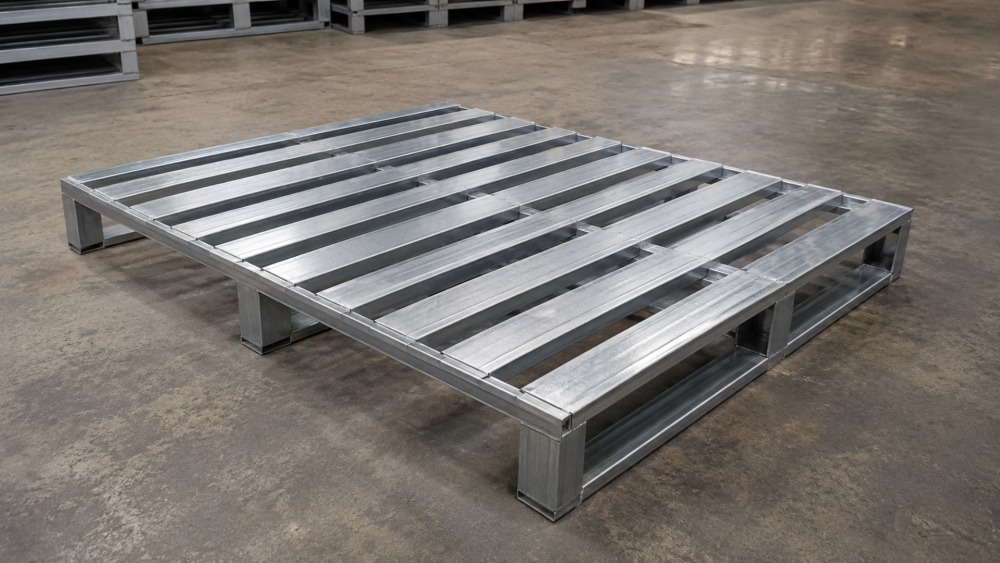
Steel pallets are ideal for heavy-duty, industrial tasks or goods requiring exceptionally strong support bases, such as machinery components, metal spare parts, construction materials, molds, or heavier-than-average warehouse inventory.
Highlightsof steel pallets is that they are robust, impact-resistant, high load capacity, and have a long lifespan if properly maintained. Ideal for applications demanding stability over weight savings. However, steel pallets also haveLimitationsas well, because the pallet itself is heavy, less convenient to move than wood or plastic, comes at a higher cost, and requires caution regarding rust if used in damp, outdoor, or chemically exposed areas. If required in such environments, choose steel pallets with appropriate coatings or rust protection.
Paper pallet
Paper pallets or fiberboard pallets are lightweight pallets suitable for specific transport operations, product displays, select export shipments, or light-to-medium-weight goods.
Highlightsof paper pallets is that they are lightweight, easy to move, help reduce total shipping weight, and some designs are recyclable. They are ideal for applications requiring lower freight weight or tasks where pallets are not reused long-term.
Limitationsis that they are not suitable for damp areas, outdoor use, or tasks requiring continuous heavy load capacity, as their strength and durability are generally lower than wood, plastic, or steel pallets. They should only be used in suitable applications.
Types of pallets categorized by application
Beyond materials, pallet structure is equally vital because it affects lifting, stacking, compatibility with forklifts, and movement convenience within the warehouse.
Single-deck pallets
Single-deck pallets are designed for loading goods on one side only, used for general tasks such as placing boxed goods, bagged goods, or moving items around the warehouse. Suitable for tasks that do not require reversible use.
This type of pallet is common because it is easy to use and available in various materials. However, the bottom structure should be checked for compatibility with lifting equipment, as some models are better suited for forklifts than hand pallet trucks, or may only be convenient in certain entry directions.
Double-deck pallets
Double-deck pallets have a stronger structure, and some models are reversible for dual-sided use. Suitable for tasks requiring higher load capacities or greater stability when placing goods.
However, some double-deck pallet designs may not be suitable for hand pallet trucks because the bottom structure may not accommodate the truck's forks. Always verify the base structure before actual use, especially in warehouses that rely primarily on hand pallet trucks.
2-Way Entry Pallets
A 2-way entry pallet allows forklifts or hand pallet trucks to insert forks from only 2 opposite sides. It is suitable for applications where lifting directions are relatively fixed and frequent rotating of the pallet is not required.
Its highlight is that the structure is usually strong and handles general applications well. However, the limitation is lower maneuverability compared to 4-way entry pallets because the pallet must be oriented correctly before lifting. If used in confined spaces or moved frequently, it may take more time to align.
4-Way Entry Pallets
A 4-way entry pallet allows forklift forks to enter from all 4 sides, making it more convenient to use in warehouses that require frequent moving of goods or areas where lifting directions change constantly.
ProsIt helps save time, reduces the hassle of orienting pallets, and is suitable for warehouse operations, logistics, distribution centers, or areas requiring operational speed. However, you should also check whether it can be used conveniently with hand pallet trucks, as some 4-way entry pallet models may be more suitable for forklifts depending on the base design and fork opening slots.
Vented Deck and Solid Deck Pallets
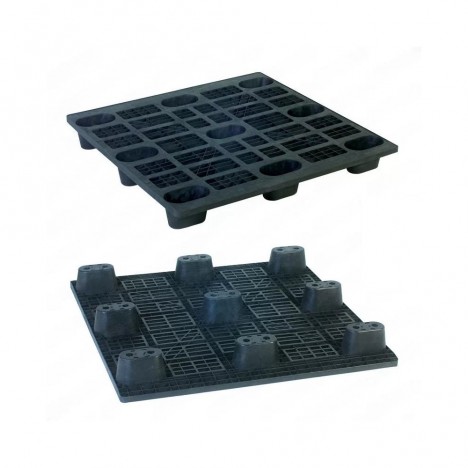
Many plastic pallet models are available in both vented (perforated) and solid deck styles. Vented decks feature opening slots, making them lighter in weight, well-ventilated, and suitable for general use such as placing product boxes, crates, or goods with sufficiently wide bases.
Meanwhile, solid deck pallets feature a completely closed surface, making them suitable for small items, bagged goods, packaging that requires continuous support underneath, or areas requiring easy cleaning, as there are no gaps for dust or dirt to accumulate as much as with vented styles.
Choosing between vented or solid styles should therefore be primarily based on the characteristics of the goods. If they are sturdy boxes with wide bases, a vented style may be sufficient; however, if they are bags, small pieces, or items requiring a flat resting surface, a solid style may be more suitable.
What Load Capacities to Check When Choosing a Pallet
When buying a pallet, many people only look at "how many kilos it can carry," but in actual work, it requires closer consideration because the load capacity a pallet can support may vary based on usage conditions, such as static storage, moving with forklifts, or racking on pallet racks.
Generally, you should consider these primary load capacities:
Static Load (Stationary Load Capacity)
Static Load is the maximum weight a pallet can support when resting stationary on a flat, even floor and not being moved, such as goods stored in a warehouse or stacked in place. This load capacity is usually higher than other load types because the pallet bears a relatively steady downward pressure with full ground support underneath. However, you still need to ensure the floor is flat, the goods have well-distributed weight, and consider whether they are stacked multiple layers high.
Dynamic Load (Moving Load Capacity)
Dynamic Load is the maximum weight a pallet can support while being lifted or transported by hand pallet trucks, forklifts, or other material handling equipment. This load rating is usually lower than the Static Load because during lifting or moving, the pallet must withstand impact, vibration, tilting, and concentrated forces from the forklift tines. If the goods exceed the specified weight, the pallet can more easily bend, crack, or deform.
Racking Load or weight capacity when placed on a rack
Racking Load is the weight a pallet can support when placed on a racking system or storage structure with limited support points, such as only supporting the left and right edges rather than fully supporting the bottom like on a flat floor. This type of load capacity is crucial in warehouses utilizing pallet racking systems. Some pallet models may perform well when placed on the ground but are not suitable for racking. Incorrect usage can cause the pallet to bend, goods to tilt, or create safety hazards.
Therefore, before purchasing pallets, you should ask or clearly check the specifications to see whether the load capacity shown is Static Load, Dynamic Load, or Racking Load. You should not just look at the maximum number and apply it universally to all applications.
Which Pallet Type to Choose for Your Application
Choosing the right pallet for the job should start with considering the weight of your goods, how long they need to be stored, what kind of area they are used in, and what equipment is used to move them, because not every pallet type is suitable for every task.
- General applications and cost control Wooden palletmight be a suitable choice because of its affordable price and versatile use, but caution is needed regarding moisture, termites, mold, and export standards.
- If you require cleanliness, moisture resistance, and easy cleaning, Plastic palletwill be a better solution, especially for food, beverage, pharmaceutical, cold storage, or warehouse applications that need to minimize dirt accumulation.
- For very heavy loads, machinery parts, or industrial environments, Steel palletmay be more suitable due to its strength and heavy-duty performance, but the pallet's own weight, cost, and rust prevention must also be considered.
- Meanwhile,Paper palletSuitable for light-duty applications, specialized transport, or tasks that need to reduce cargo tare weight, but should not be used in damp conditions, outdoor environments, or with heavy goods.
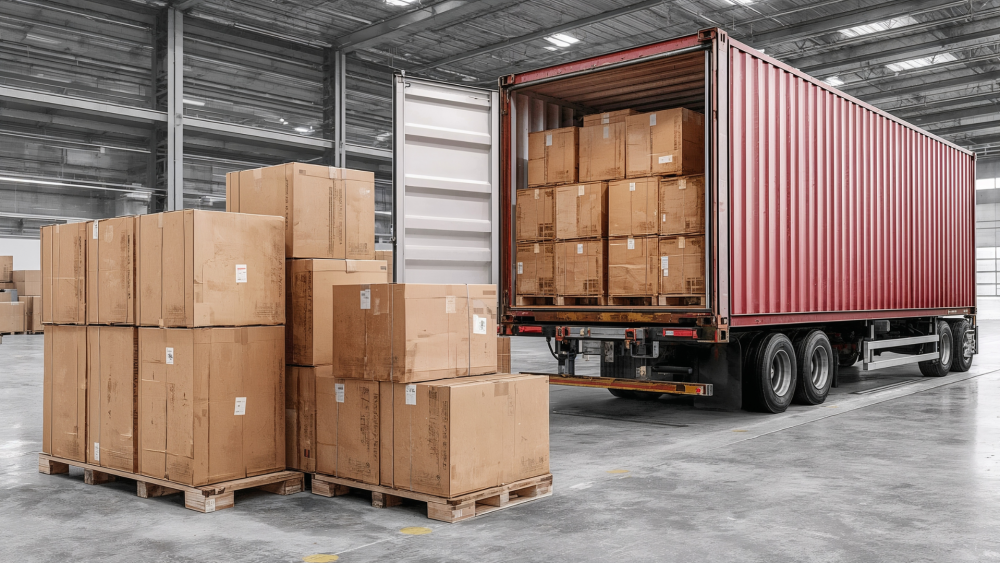
What to Consider Before Buying Pallets
Before buying pallets, several key factors should be considered together—not just size or price alone. In particular, consider the material, load capacity, forklift fork entry style, and operating environment.
Things to check include:
- Cargo weight and weight distribution method on the pallet
- Whether it is used for static storage, dynamic transport, or rack placement
- Whether it is used with hand pallet jacks, forklifts, or other material handling equipment
- Whether the operating area is dry, damp, outdoors, or exposed to chemicals
- What level of cleanliness is required, such as for food, pharmaceuticals, or general goods?
- Does it need to be reused multiple times or used only for single-trip transport?
- Are there specific export conditions or standards required?
- Does the pallet size match your goods, transport vehicles, and storage areas?
If used in wet or damp areas, avoid materials susceptible to rot, mold, or rust. If used with food products or goods requiring cleanliness, choose materials that are easy to clean and do not accumulate dirt. If used with very heavy loads, verify specifications directly with the manufacturer or seller rather than judging solely by external appearance.
Choosing the Right Type of Pallet Ensures Better Safety and Cost-Effectiveness
Pallets Each type has its own strengths and limitations: wooden pallets are suitable for general use and help control costs well; plastic pallets are ideal for hygiene-sensitive and moisture-resistant applications; metal pallets are built for heavy-duty and industrial tasks; while paper pallets are best suited for lightweight loads or specific applications requiring weight reduction.
Before choosing a pallet, you should evaluate all aspects: material type, pallet structure, load weight, handling method, operating environment, and relevant standard requirements. Selecting the right pallet from the start not only makes storage and transport more convenient, but also minimizes the risk of product damage, reduces broken pallet issues, and makes warehouse operations safer.