


 EN
 ไทย


Customers Also Purchased




Many people might think a "hand saw" is just a basic tool for cutting wood, pipes, or general materials—just hold it and saw back and forth to cut through. But for tasks requiring precision, such as woodworking, DIY furniture, trim work, or model making, choosing the right saw matters much more than you might think.
Common problems like chipped cuts, splintered edges, wandering cuts, off-square lines, or rough surfaces requiring heavy sanding are usually not just down to technique. They are linked to other factors such as the saw type, tooth design and count, blade thickness, material hardness, workpiece clamping, and sawing rhythm.
This article will explain how to choose a hand saws for precision work in an easy-to-understand way. It is suitable for home repairs, small woodworking projects, DIY tasks, or anyone looking to add a quality saw to their toolbox to achieve clean cuts, easy control, and avoid unnecessary material waste.
What is precision work? Why must you choose the right hand saw?
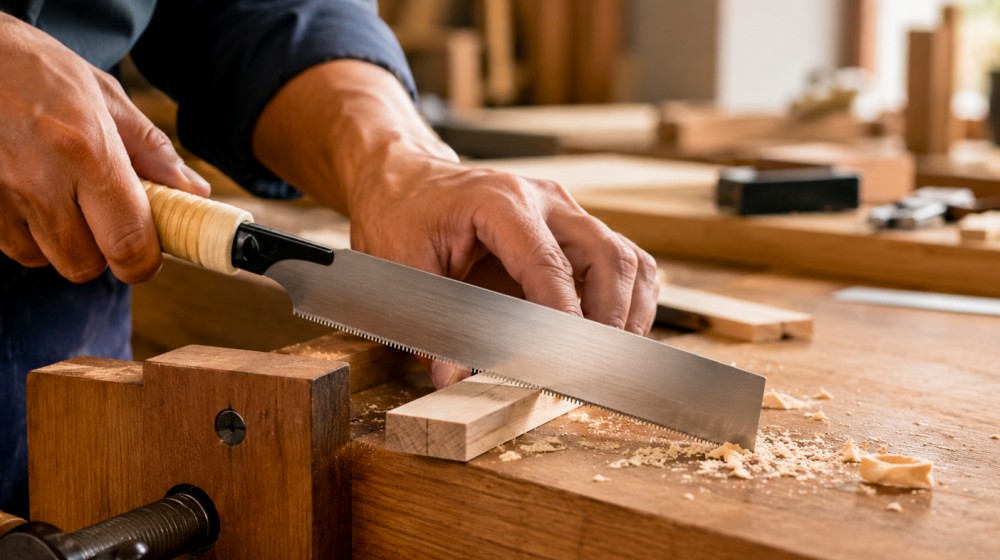
Precision work when using a hand saw does not always mean working on small pieces. It refers to work that demands fine craftsmanship, such as straight cuts, tear-out-free edges, smooth surfaces, accurate cut angles, and minimal post-cut cleanup.
Examples of this type of work include cutting wood for shelving, miter-cutting baseboards, trimming moldings, cutting furniture parts, cutting small pieces of hardwood, cutting plywood, cutting certain plastics, as well as craft and model-making projects where cut edges are clearly visible.
Choosing the right hand saw for the job is therefore crucial. Using a saw with teeth that are too coarse allows for fast cuts, but the edges can easily splinter, tear out, or chip. Conversely, using a saw with teeth that are too fine on thick or hard materials results in slow cutting, high effort, blade binding, and harder cut line control. Therefore, you should choose a saw based on the required precision, material type, workpiece thickness, and desired finish quality.
What features should a hand saw for fine work have?
Hand saws for fine work typically stand out for their fine teeth, thin blade, good directional control, and producing smoother cuts than general coarse-tooth saws. However, having the finest teeth isn't always the best choice, because if it's finer than the job requires, it can slow down cutting and make the tool harder to use.
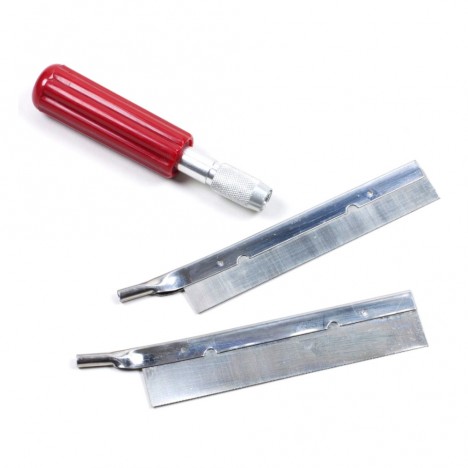
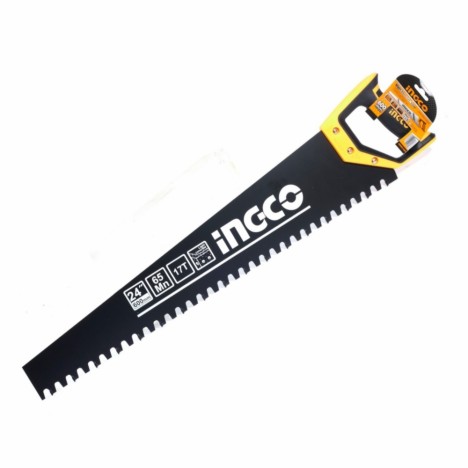
The first thing to consider is the saw teeth, as they are the part that directly touches and cuts into the material. Fine teeth produce smooth cuts, making them ideal for delicate tasks such as plywood, thin wood, plastic, or wood requiring clean edges. On the other hand, coarse teeth cut faster, making them suitable for cutting thick wood or tasks where a smooth surface isn't a priority.
Next is the saw blade. A thin blade produces a narrow kerf, wasting less material and making it ideal for precision work. However, it requires more care, as applying force at the wrong angle can bend or warp the blade more easily than a thick blade. Meanwhile, the "handle" is equally important, as fine work demands constant control of rhythm and direction. An ergonomic handle that provides a firm, non-slip grip and allows for comfortable wrist positioning will help you cut straighter and reduce fatigue during use.
Understanding Saw Teeth Before Buying a Hand Saw
A term often encountered when buying a hand saw is TPI (Teeth Per Inch), which refers to the number of saw teeth per 1 inch of length. Simply put, a high TPI = fine teeth, while a low TPI = coarse teeth. For fine work, choose a fine-toothed saw because it removes material in small increments, resulting in smooth cuts and reduced edge chipping. This makes it ideal for work focused on aesthetics, such as thin wood, plywood, trim work, or cuts made very close to marked lines.
However, fine teeth aren't ideal for every job. When cutting very thick wood, fine teeth clear sawdust slowly, causing the saw to bind and requiring more effort. In this case, choosing medium teeth instead provides a cut that is both neat and reasonably fast.
In simple terms for everyone: use coarse teeth for rough work, fine teeth for neat work, and medium teeth for general-purpose tasks. For projects requiring high neatness—such as cutting thin wood, molding, or visible edges—prioritize saws designed for fine cuts.
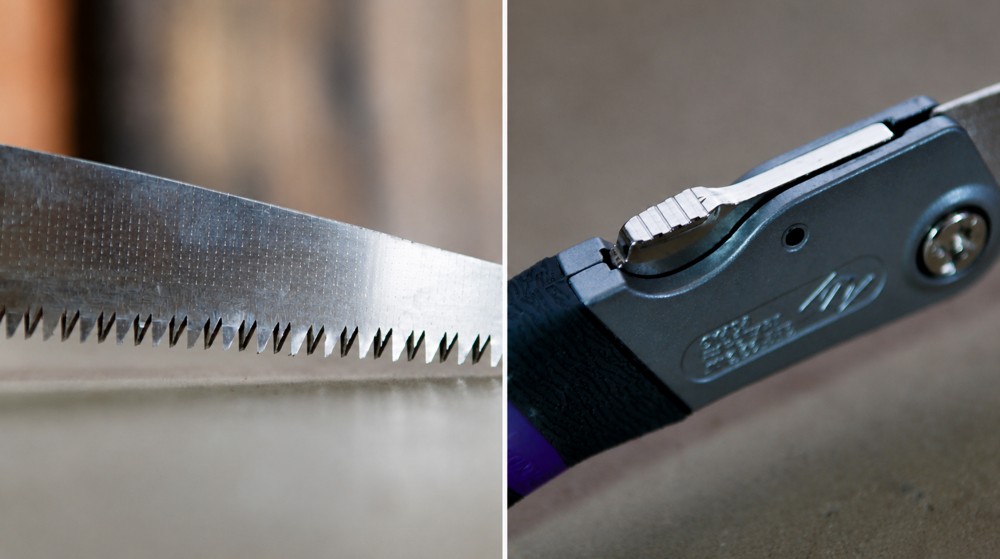
Should You Choose a Thin or Thick Saw Blade?
A thin saw blade creates a narrow cut, wastes less material, and is ideal for fine, precision work, leaving a cleaner cut. However, it requires good control without twisting or forcing the blade during cutting, which could easily distort the blade or push it off track.
A thick saw blade is stronger and more stable, making it suitable for general work that requires heavy force or durability, but it leaves a wider cut and is not suitable for high-precision tasks.
For general users looking for a fine-cutting saw, it is recommended to choose a moderately thin blade that isn't too delicate to control. Especially if you're not yet skilled, opt for a saw that balances thinness, strength, and comfort in hand, rather than just looking for the word "fine."
A Hand Saw Handle Is More Important Than You Think
Many people choose a hand saw based mainly on the blade and teeth, but the handle affects work quality just as much. Especially in fine work that requires continuous rhythm control, a good handle should feel secure, non-slip, comfortable against the hand, and help position the wrist for easy sawline control.
If the handle isn't comfortable, your hand will tense up quickly and the cut is more likely to go askew. The longer you use it, the harder it is to control, potentially straying from your marked line. Conversely, a properly angled handle helps transfer force to the blade naturally, making sawing smoother and less tiring.
Before buying a hand saw, try holding it in person if possible. See if the weight is well-balanced, whether the grip feels confident, and if the handle is too large or too small. For fine work, grip feel is critical because you need to control force and direction continuously.
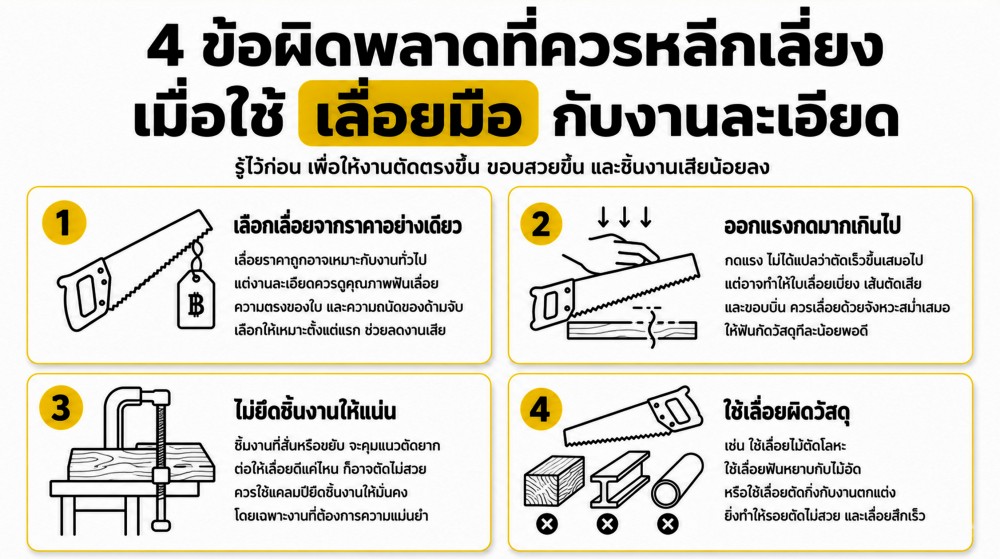
Conclusion
When choosing a hand saw for fine work, don't just look at whether it can cut; consider whether it delivers the cut quality you need. If the job demands clean edges, smooth cuts, and precision, choose a saw with appropriately fine teeth, an easy-to-control blade, a comfortable handle, and suitability for the material being cut.
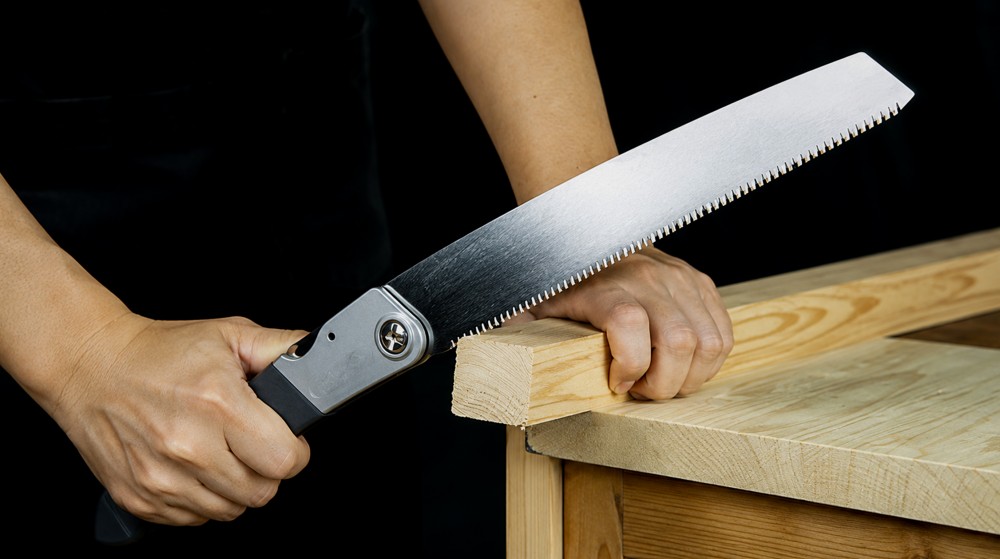
For fine woodworking, Japanese hand saws, fine-toothed saws, or backsaws are great options because they offer better cutline control and produce cleaner cuts than standard coarse-tooth saws. For general-purpose work, a medium-tooth saw may be chosen for greater versatility.
Ultimately, a beautiful cut doesn't come from the saw alone, but from choosing the right hand saw for the job, marking clear lines, clamping the workpiece securely, starting cuts gently, and maintaining a steady rhythm. By understanding these principles, even general users can achieve neat results and significantly reduce mistakes.