


 EN
 ไทย


Customers Also Purchased

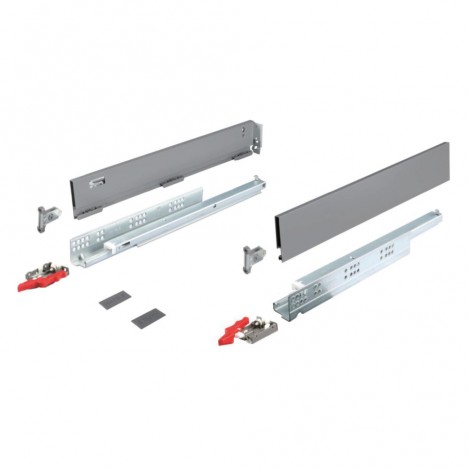
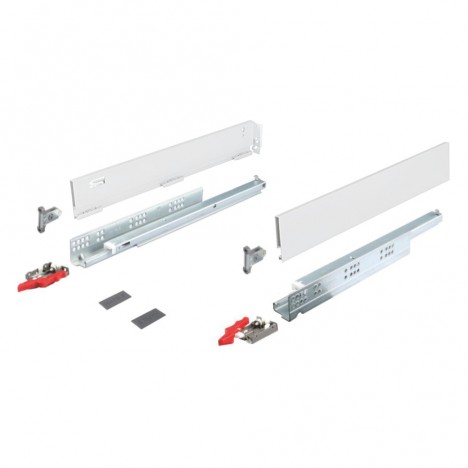
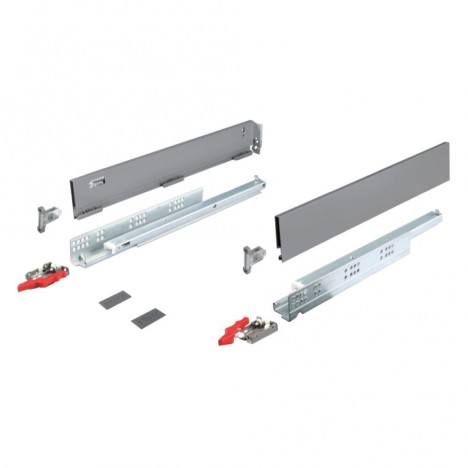
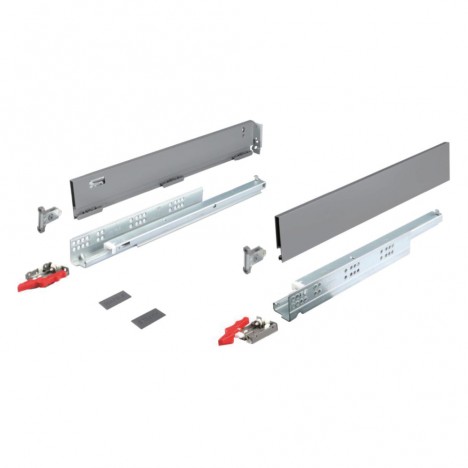
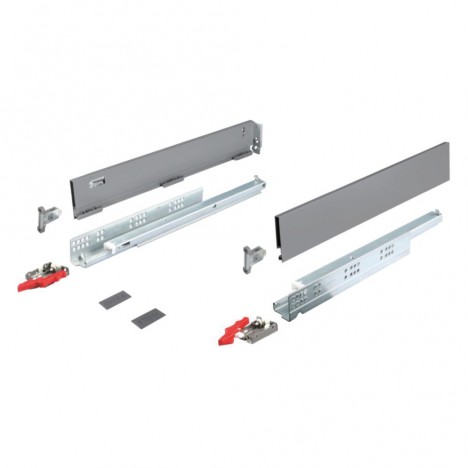
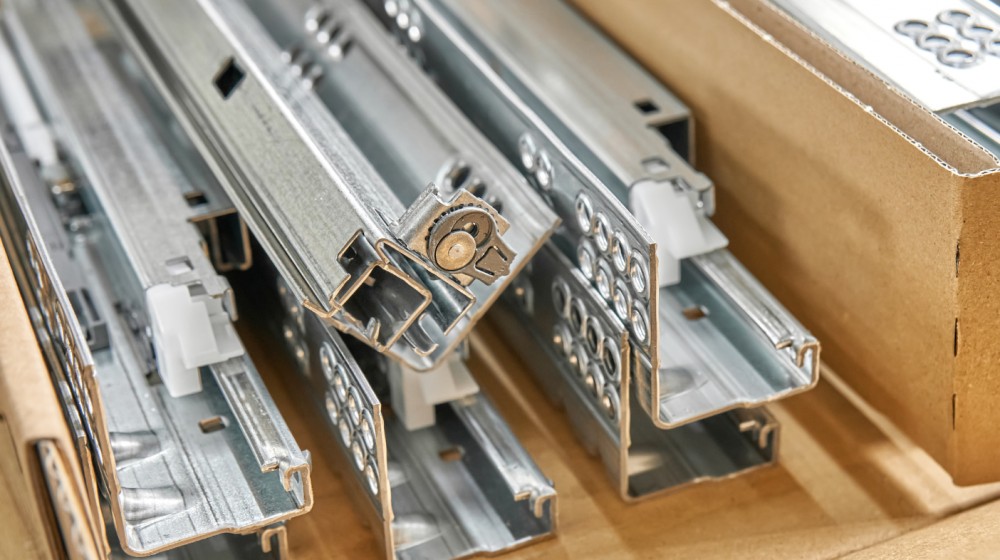
Drawers are furniture components we use almost every day, whether in desks, wardrobes, kitchen cabinets, filing cabinets, or tool chests. Over extended use, many households begin experiencing similar issues: drawers becoming stiff, hard to pull, not opening fully, failing to close completely, or sometimes requiring force to slam into place.
These symptoms may seem minor, but they are warning signs that should not be overlooked. The problem could stem from dirty slides, lack of lubrication, unlevel installation, overloading, or, in some cases, deformed slides that should no longer be forced into use. Leaving them unaddressed can cause the slides to fail prematurely, warp the drawer front, loosen screws, or cause the drawer to fall out.
Fixing a stiff drawer shouldn't always start with spraying lubricant immediately. Instead, inspect each point systematically to identify the root cause, as some issues can be resolved by cleaning, some require realigning the slides, and some require replacing Drawer Slides them with new ones better suited to the application.
What Causes Stiff Drawer Slides?
Stiff drawer slides can result from various causes, especially in drawers that are opened and closed frequently or hold heavy loads, such as kitchen drawers, tool drawers, filing drawers, and desk drawers. A common cause is dust, debris, or dirt accumulating along the drawer slides. When grime adheres to the track grooves, rollers, or ball bearings, the drawer will not glide as smoothly as before. Opening and closing may feel stiff, jerky, or produce a scraping noise along the slides.
Another cause is a lack of lubrication on the drawer slides, particularly for metal or ball bearing slides that have been used for a long time. If the original grease begins to dry out or combines with accumulated dust, the slides can become sticky and harder to move. However, lubrication must be done properly; avoid spraying excessive oil, as surplus oil residue can attract dust and cause the tracks to get dirty more quickly.
In addition, overloading the slides beyond their weight capacity is another major cause. Each type of drawer slide has a specific load limit. If used with items that are too heavy—such as hand tools, large stacks of books, pots, pans, or thick files—the slides may begin to sag, bend, or become misaligned, making the drawer increasingly stiff to open and close.
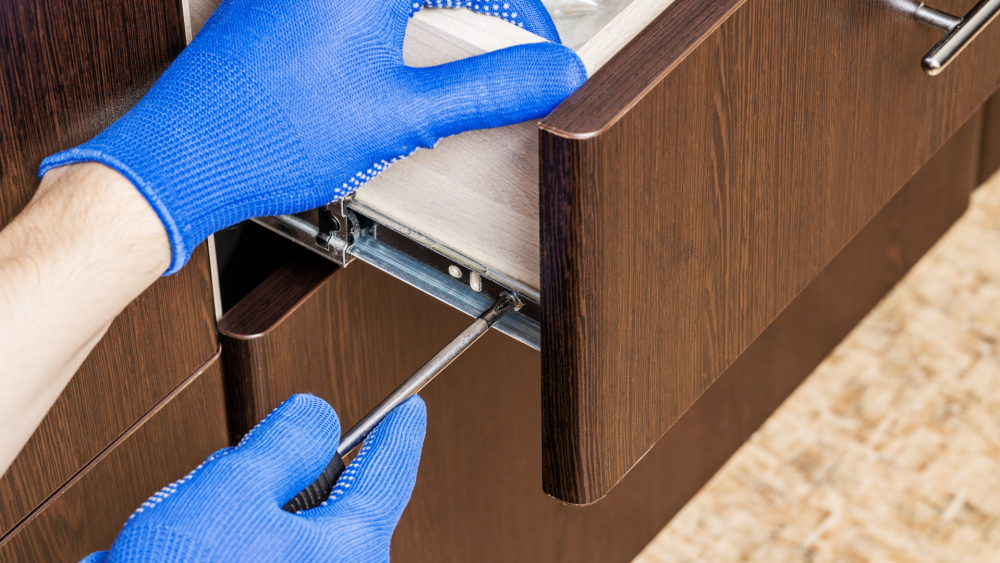
Does a drawer not opening fully always mean broken slides?
A drawer that doesn't open fully doesn't always mean the slides are broken, because it is sometimes simply a built-in feature of the slides from the start. For example, some models are partial-extension slides, meaning they do not pull out to the full depth of the drawer. In this case, it is not a malfunction, but rather a limitation of the chosen slide type.
If you want the drawer to pull out fully for easy access to items inside, look for Full Extension slides or 3-section slides. These generally extend further than basic or partial-extension slides, making them ideal for kitchen drawers, tool drawers, or extra-deep drawers.
However, if the drawer used to open normally and suddenly stops extending fully, you may need to look for other causes. For instance, an item may have fallen behind the drawer, wood chips or loose screws might be jammed in the track, the slide could be bent or dented, ball bearings might have fallen out, or certain sections of the slide may not be deploying smoothly. In particular, with 3-section ball bearing slides, if any section gets stuck, the drawer may only extend partially.
What causes a drawer not to close completely?
A drawer not closing fully is a common issue and is not always caused by damaged slides alone. The first thing to check is the contents inside the drawer, as items that are too tall, overflowing, or hitting the back panel of the cabinet can prevent the drawer from being pushed all the way in.
Another cause is improperly leveled drawer slides. If the left and right slides are not parallel, or if the front-to-back leveling is uneven, the drawer may sit crooked, rub against the cabinet frame, or leave a gap on one side when closed, making it appear as though the drawer won't close completely even though the slides are not broken.
For drawers equipped with Soft Close slides, failing to retract all the way can stem from several factors: the latch mechanism not engaging, a malfunctioning damper, dirt trapped inside the slide assembly, or inaccurate installation tolerances. With some models, this can be resolved by removing the drawer and reseating it properly, or by readjusting the drawer front and slide alignment. However, if the damping mechanism is genuinely broken, replacing the slide is usually better than forcing it to work.
Tilted slides or loose screws can also cause stiffness
Many times, a stiff drawer is not caused by damaged slides, but by mounting screws that have started to loosen. Over prolonged use, the pulling, pushing, and impact forces of opening and closing can gradually shift the slides from their original position.
When one slide sits higher than the other or the left and right slides are out of parallel, the drawer will begin to tilt, catch during operation, or fail to close properly into place. This is especially true for wide drawers and heavily loaded drawers, as the weight further accelerates slide misalignment.
A basic check is to pull the drawer out and see if the drawer face is tilted and whether the left and right gaps are even. Then, gently wiggle the drawer; if the slides feel loose, make a rattling sound, or screws shift, you should tighten the screws and realign the slides straight before continuing use.
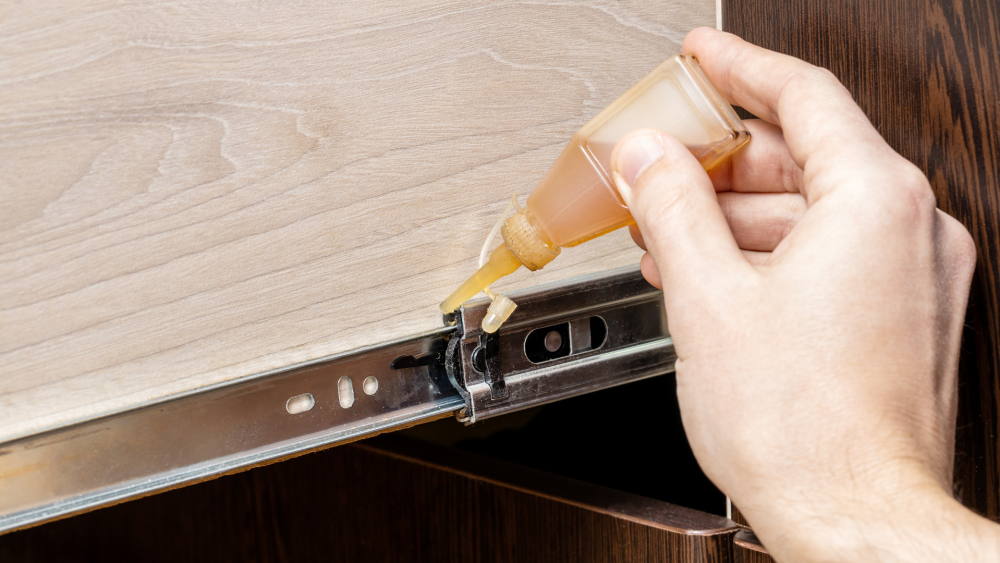
How to properly fix stiff drawer slides
Before troubleshooting, remove the items inside the drawer to reduce weight and make inspecting the slides easier. Then, slowly pull the drawer in and out to determine whether the stiffness occurs along the entire track or only catches at specific points.
If caused by dust or dirt buildup, use a dry cloth, a small brush, or a vacuum cleaner to clean the slides, especially the track grooves and the paths where the ball bearings or rollers travel. For stubborn, sticky grime, wipe with a damp cloth and allow it to dry completely before use.
If it remains stiff after cleaning, apply an appropriate amount of lubricant. For ball bearing slides, use grease or a lubricant suitable for metal and bearings. Apply a thin layer only along the friction points where the slides run. Avoid spraying excessively, as excess oil residue easily attracts dust and can make the slides even stickier over the long run.
However, if you find bent or dented tracks, missing ball bearings, heavy rust, or obvious physical damage, cleaning or lubricating will only offer a temporary fix. In such cases, replacing the drawer slides with new ones is recommended for smoother and safer operation.
Drawer Won't Open All the Way: How to Fix It
Start by checking the contents inside the drawer first, as this is the easiest cause to fix. Try removing all items and opening/closing the drawer again. If the drawer slides normally, an item was likely obstructing the slides or hitting the back of the cabinet.
If it still doesn't open fully, inspect the slides on both sides for debris, such as wood chips, plastic fragments, loose screws, or small items that may have fallen into the track. For ball bearing slides, check whether all slide sections extend properly, as a jammed section can prevent the drawer from opening to its full extension.
If the drawer has never opened fully from the start and operates without stiffness or jamming, it might simply be using partial-extension slides. If you want the drawer to pull out further, consider upgrading to 3-fold drawer slides or full-extension slides designed to open fully.
Drawer Won't Close Completely: How to Fix It
Start by organizing the items in the drawer; do not let contents exceed the height of the drawer sides or protrude into the back of the cabinet. Then try closing the drawer again. If it still doesn't close completely, check whether the gaps on the left and right sides of the drawer front are even.
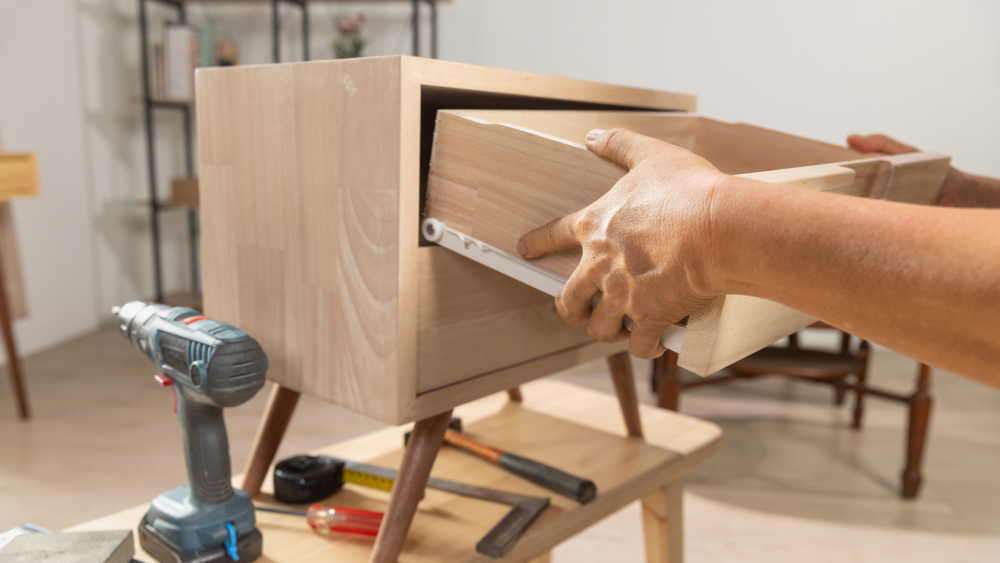
If the drawer front is tilted, rubbing on one side, or has uneven gaps, you may need to realign the slides. Slightly loosen the screws, align the slides so they are parallel on both sides, and re-tighten the screws securely. Do not overtighten to the point of twisting the slides, as this can make the drawer harder to slide.
For soft-close slides, if they don't pull shut automatically, try removing the drawer and reinstalling it into the lock mechanism, or pull it all the way out and push it back in slowly—this resets the mechanism on some models. However, if it still won't close completely, makes abnormal noises, or the soft-close feature fails to work properly, inspect the catches, dampers, and installation alignment according to the slide specifications. If parts are genuinely damaged, replace the slides.
When Should You Replace Drawer Slides?
Not every issue requires replacing the drawer slides immediately. If the slides are merely dirty, lack lubrication, or have loose screws, the problem can usually be resolved by cleaning, tightening screws, and realigning the slides.
However, if you encounter the following symptoms, replacing the slides is usually the better option:
- Slides are bent or twisted, causing the drawer to slide out of alignment
- Ball bearings are broken, missing, or making abnormal noises
- Slides are heavily rusted, preventing smooth operation
- The drawer remains tilted even after realignment
- Slides cannot support the load and have begun to sag
- The soft-close mechanism is broken and consistently fails to close completely
- Severe catching when opening and closing, or a risk of the drawer coming off its tracks
Replacing the slides may seem like an extra expense, but if the existing slides are deformed or can no longer handle the load, forcing them to work can cause further damage to the drawer itself, including cracked wood panels, stripped screws, or warped drawer fronts.
What to Consider When Choosing New Drawer Slides
If you need to replace your drawer slides, you should look beyond just the slide length, because each slide type is suited for different applications.
- Slide Length It must match the depth of the cabinet and the drawer. If you choose a slide that is too long, it may not fit during installation; but if it is too short, the drawer may open only a little, making it inconvenient to use.
- Load Capacity For general-purpose drawers such as desks, wardrobes, or light storage drawers, standard slides can be used. However, for drawers holding heavy tools, large volumes of documents, or kitchenware, you should choose slides with a higher load capacity to ensure durability and prevent easy deformation.
- Type of Slide Examples include basic roller slides, ball-bearing drawer slides, 2-section (single-extension) slides, 3-section (full-extension) slides, soft-close slides, or undermount slides. If you want the drawer to open fully for easy access to items inside, 3-section or full-extension slides are a better choice. But if you want to reduce slamming noise and have the drawer close smoothly, soft-close slides are ideal for home furniture.
How to Maintain Drawer Slides for Long-Lasting Use
Maintaining drawer slides is not complicated, but it should be done periodically—especially for drawers that are used frequently or located in areas with dust and moisture, such as kitchens, storage rooms, or workshops.
- Avoid overloading beyond the slide's rated capacity. Even if it can still open and close at first, excessive weight over time can cause the slides to sag and deform. Distribute the weight of items evenly inside the drawer, rather than piling heavy items at the front or on one side.
- When opening or closing the drawer, avoid slamming it forcefully, especially for drawers without a soft-close system. Repeated impacts can loosen screws, shift the slides, and throw off the drawer front alignment.
- Clean the slides occasionally. If the drawer starts to feel stiff, makes unusual noises, or doesn't close properly into place, inspect it early on; many issues are much easier to fix if caught early rather than waiting until the slides are severely damaged.

Drawer slides may be small, but they impact functionality more than you think.
Drawer SlidesThey may be small components hidden on the sides or beneath the drawer, but they directly affect how furniture functions. If you choose improper slides, install them unevenly, overload them, or neglect maintenance, the drawer can become stiff, fail to open fully, not close completely, or wear out faster than it should.
If your drawer starts malfunctioning, begin by checking the contents inside, cleaning the slides, tightening the screws, and verifying alignment. If problems persist—or if the slides are deformed, missing ball bearings, heavily rusted, or unable to bear the load—replacing them with the right drawer slides will ensure smoother operation, safer use, and extended furniture lifespan.