


 EN
 ไทย


Customers Also Purchased



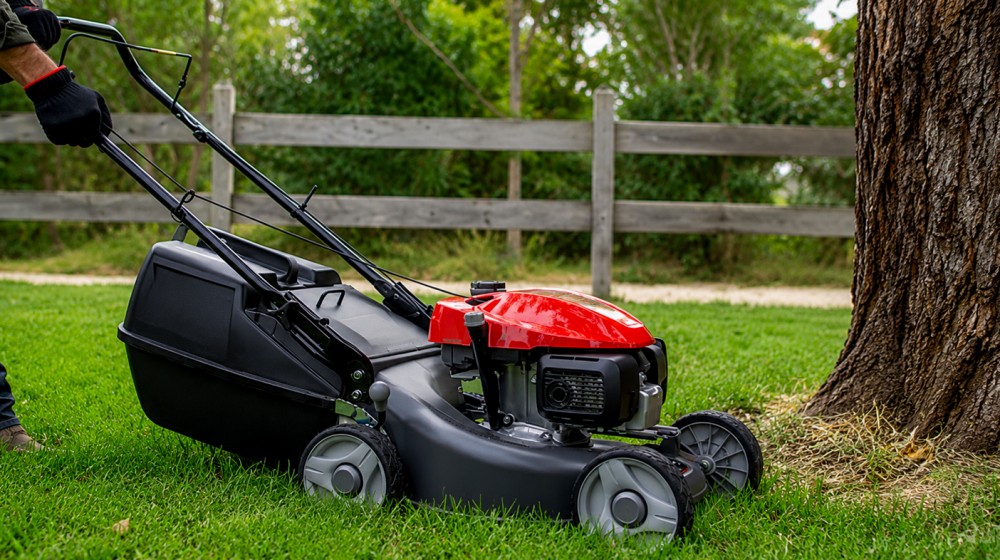
Many people focus on the power of the Lawn mower blade sharpness, or battery durability (for electric/cordless lawn mowers). However, another factor that significantly affects cutting quality is the blade height setting. Many people set the blade low thinking it will make the lawn look neat and reduce the mowing frequency. In reality, cutting grass too short causes the lawn to dry out, turn yellow and patchy, slow down recovery, and put unnecessary strain on the mower.
The appropriate height for general lawns should be set to medium to relatively high, not cutting too close to the soil. Start at about 6–8 cm (2.5–3 inches) and adjust according to grass type, lawn condition, and season.
Why Is Lawn Mower Blade Height Important?
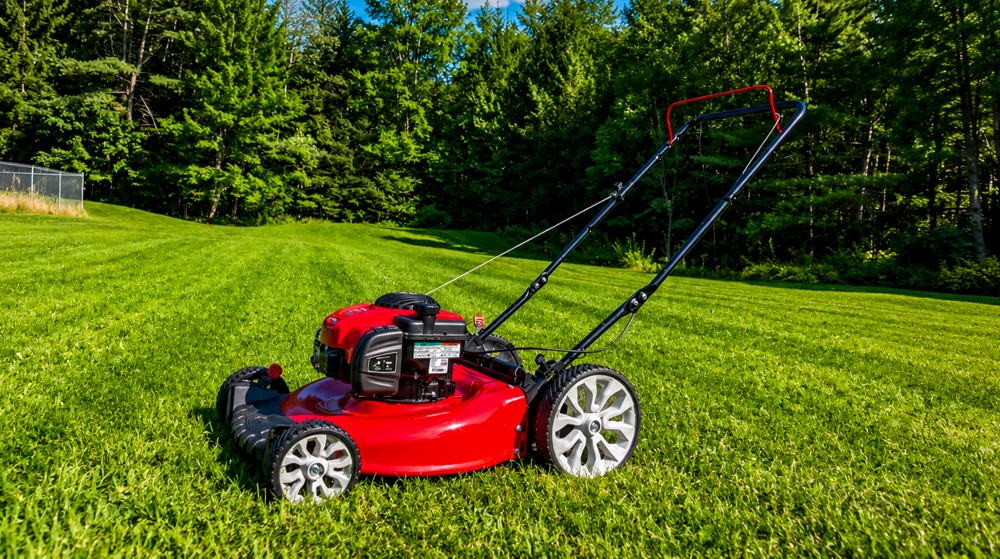
The blade height doesn't just dictate grass length; it directly impacts overall lawn health. Grass blades produce food for the plant. Cutting too much leaves less surface area for recovery, easily degrading the lawn, especially under strong sunlight or uneven soil moisture.
- Common symptom: The lawn looks yellow after mowing, even though it was green before. This is often caused by setting the blade too low, exposing only the stems, or scalping close to the soil surface. This leads to an uneven appearance, sometimes leaving noticeable mower wheel marks.
- Impact on the machine: Setting the blade very low, especially on tall, thick, or damp grass, forces the mower to cut a large volume of grass at once. This increases the load, potentially causing RPM drops, stalling, grass clogging the deck, or the battery draining faster than usual.
What Lawn Mower Blade Height Should You Start With?
- Standard residential lawn: 6–8 cm
- Relatively tall grass: Start high first at 8–10 cm
- Regular mowing, well-maintained grass: Can be set to 5–7 cm, depending on grass variety and ground evenness
- Summer/Strong sunlight: Set slightly higher than usual to help shade the soil surface and retain moisture
- Frequent rain/Fast grass growth: Do not cut too low all at once; mow more frequently instead of cutting it bare
These figures are just safe starting points, not rigid rules, because every lawn is different. Some have flat ground, while others have uneven soil, dense patches, or hidden small twigs and rocks. Setting the blade too low on uneven ground can easily cause the blade to hit the dirt or stones, damaging the turf.
Never Cut More Than 1/3 of the Original Height
A simple and practical rule of thumb is the "one-third rule": never cut off more than 1/3 of the grass's original height in a single mow. For example, if the grass is 9 cm tall, do not cut it down to 3 cm immediately; trim off a portion first and mow again once it has recovered. Cutting off too much at once stunts grass growth and hampers recovery.
For example, if the grass is 12 cm tall, cut it down to about 8 cm on the first pass, rather than cutting straight down to 3–4 cm. While it may look short quickly, it stresses the grass, strains the motor, and can cause clippings to build up under the deck.
If the grass is very tall (uncut for several weeks), cutting in 2 passes is recommended: first pass with a high blade setting to clear the height, then 2–3 days later, cut again to the desired level. This reduces strain on the mower and minimizes the chance of yellowing after mowing.
- 5 Lawn Mower Techniques to Get Work Done Faster and Neater
How harmful is setting the blade incorrectly?
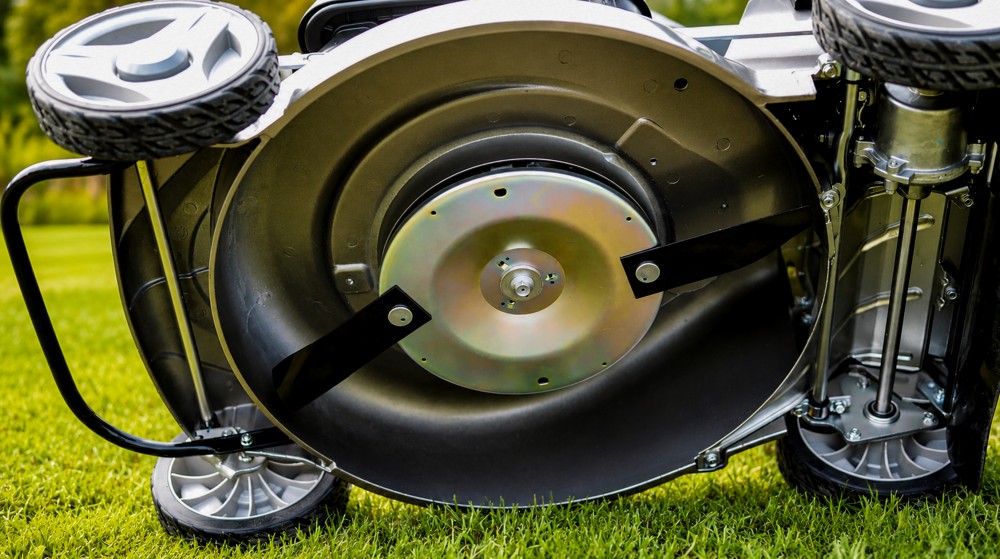
What are the drawbacks of setting the blade too low?
Setting the blade low may seem like a time-saver because the lawn is cleared close to the ground and requires less frequent mowing, but in the long run, it usually creates more problems.
- Grass yellows easily: Cutting too short removes a large portion of the food-producing parts of the grass, slowing recovery. Even minor exposure to strong sunlight or water shortage can turn patches dry.
- Weeds grow more easily: Short grass offers less shade to the soil surface, allowing weed seeds to germinate more readily.
- Topsoil dries quickly: Shorter grass provides less shade against the sun, causing moisture to evaporate rapidly.
- Risk of the blade hitting the ground: On uneven ground, the blade may strike soil, rocks, or tree roots, leading to chips, bending, and loss of balance.
- The machine works harder: Cutting low in thick/tall grass causes engine RPM drops or stalling (gasoline), or rapid battery drain and motor overheating (cordless).
Is setting the blade too high always good?
Not always. If set too high, the lawn will quickly look overgrown and the grass can easily flop over, especially in areas that require a tidy appearance such as front yards, shops, or hotels. A higher setting is suitable during periods when the grass is stressed, such as strong sun, dry soil, or when the lawn is just recovering. However, if you want a neat finish, you can lower it slightly—just do not set it too low or remove too much at once.
In summary, set it high enough for the grass to recover, but not so high that it looks untidy. For a typical residential lawn, a height of 6–8 cm is the easiest starting point to use.
How to safely adjust the blade height
Always turn off the machine before adjusting the blade height or cleaning underneath the mower deck. If it is an electric mower, unplug it; if it is a cordless lawn mower, remove the battery; and if it is a gas mower, always turn off the engine and wait for the blade to come to a complete stop.
Do not put your hands under the deck immediately after shutting off the engine, as the blade may still spin for a short moment, and there are risks from heat or jammed grass clippings. Use a brush, stick, or appropriate tool to clear grass clippings rather than using your bare hands.
If you need to tilt the lawn mower to inspect underneath, consult the user manual first, as some gas lawn mowers should not be tilted on the wrong side to prevent engine oil or fuel from flowing into inappropriate areas.
Conclusion
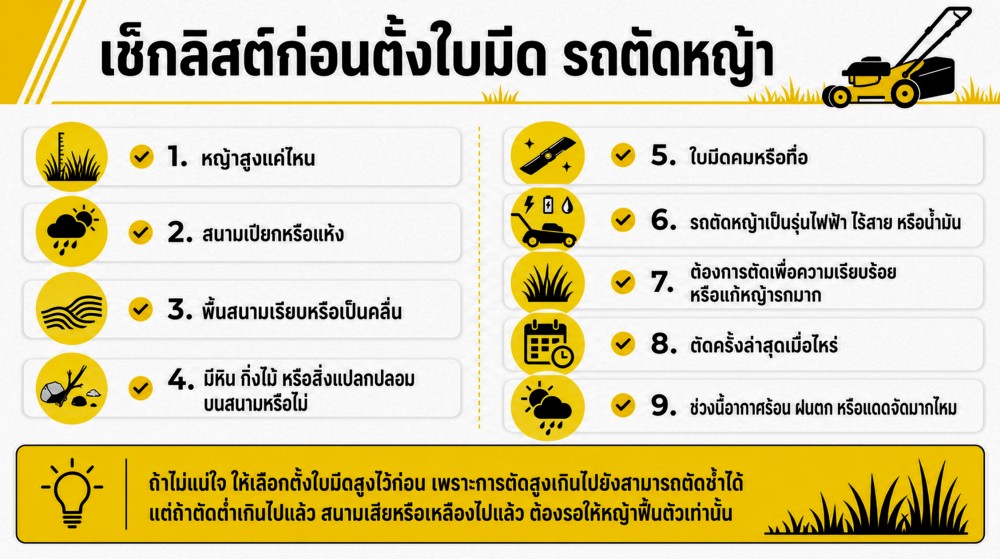
- Never cut off more than 1/3 of the original grass height.
- Do not set the blade too low just to avoid frequent mowing.
- When in doubt, start with a higher setting.
Although it may seem like a minor detail, proper blade height adjustment has a significant impact on lawn beauty, turf lifespan, and machine workload. If you set the correct height, mow regularly, and keep the blade sharp, your lawn will stay lush green and tidy, and your lawn mower will operate at peak performance over the long term.
Select Lawn mower to suit the application