


 EN
 ไทย


Customers Also Purchased

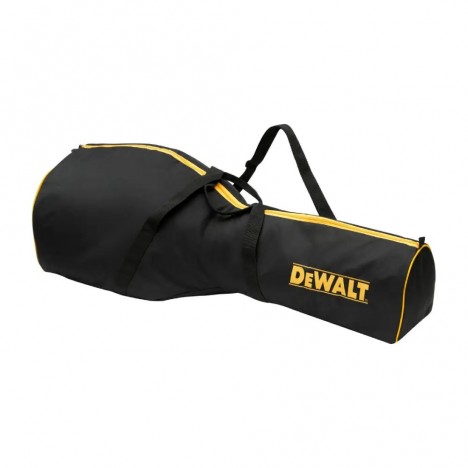
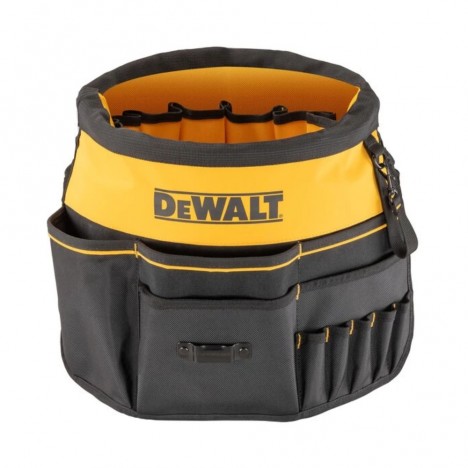
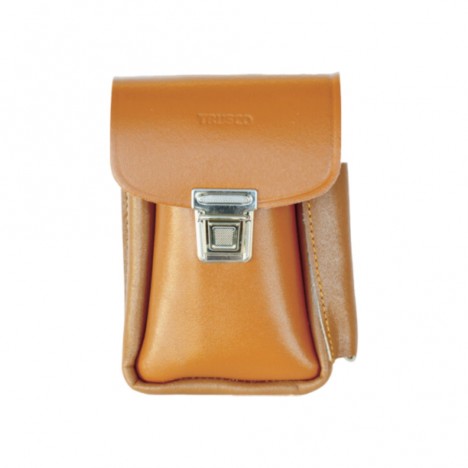
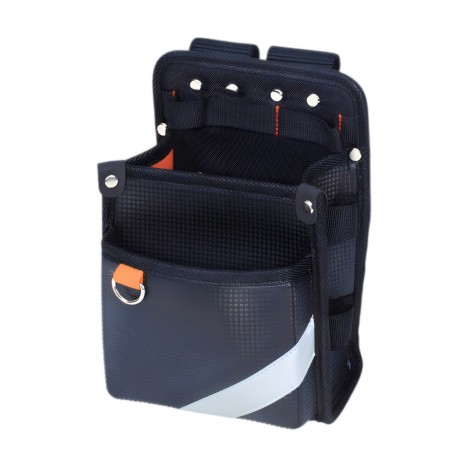
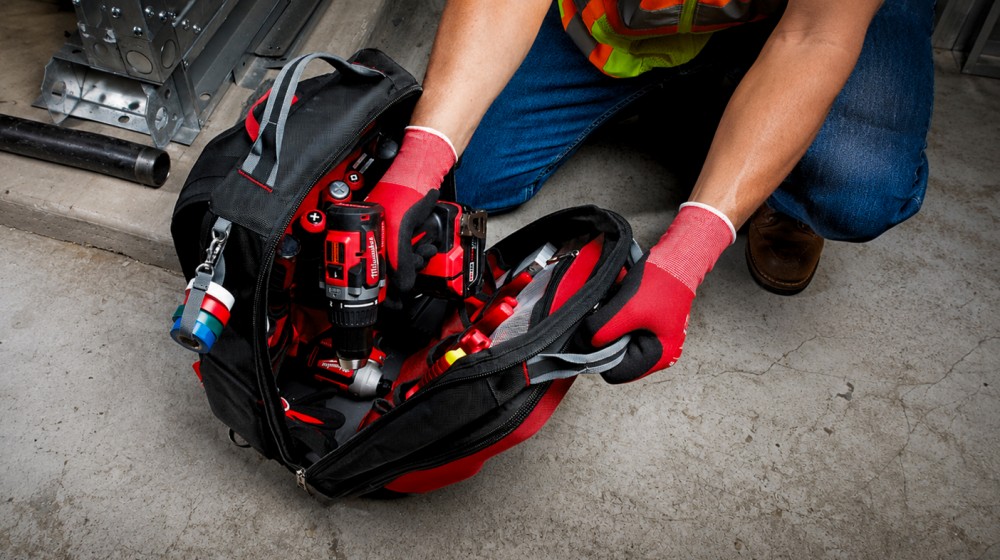
A tool bag is an everyday essential for many people, whether professional technicians, maintenance workers, electricians, HVAC technicians, plumbers, carpenters, or homeowners keeping tools handy. Its main purpose is to keep tools organized, easy to carry, convenient to access, and less likely to be lost.
However, even though they are designed to be more durable than ordinary bags, that does not mean they can handle heavy use without proper care. A tool bag has to endure the weight of tools, sharp edges, dust, oil stains, moisture, and rugged job site conditions. If you pack it away immediately after use without cleaning or air-drying, the bag may tear, lose its shape, smell musty, or grow mold much sooner than it should.
We believe many people face similar issues, such as a sagging bag bottom, burst seams, stiff zippers, musty odors after a short period of use, or opening it up to find rusty tools despite light use. These problems stem not only from the bag's quality, but also from how it is used and maintained after use.
In this article, we will share maintenance tips Tool Bag that are easy to understand and practical to follow, keeping your bag durable, tear-resistant, odor-free, and mold-free, while preserving the tools inside so they are always ready to use.
Why do tool bags require special care?
Tool bags differ from ordinary carry bags because their contents are typically heavy and vary in shape, including pliers, screwdrivers, wrenches, hammers, tape measures, drill bits, or cordless drills. Some items have sharp edges, while others carry oil stains, dust, or moisture. When packed together, the weight presses down on the bottom of the bag, while tools on the sides constantly rub against the fabric, zippers, and seams. Without proper care or when overloaded, stress points like handles, shoulder straps, corners, and the base will deteriorate much faster.
Tool bags are also frequently placed on job site surfaces like concrete, dirt, wet ground, or in hot, stuffy car trunks. Storing them immediately without wiping them down or letting them dry can cause moisture to build up, leading to musty odors, mold, and subsequent rusting on metal tools. Therefore, caring for a tool bag is not just about cleanliness; it extends the bag's lifespan, reduces tool damage, and makes your work more organized.
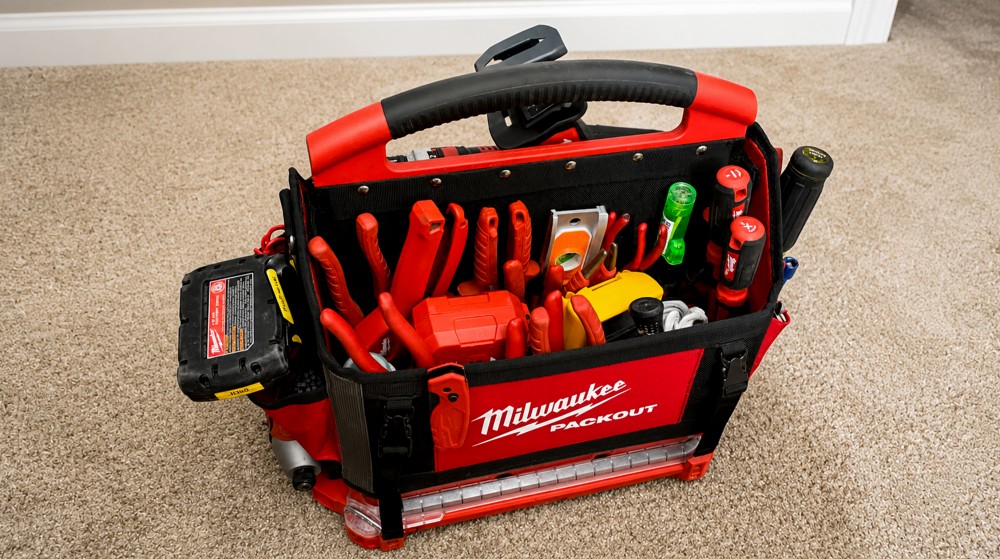
Do not overload the bag with heavy tools
Every tool bag has a weight capacity limit. Even if it has plenty of pockets and remaining space, avoid filling every single pocket with heavy metal tools. The excess weight presses down on the bottom and pulls on the handles or shoulder straps, causing seams to split or the bottom to deform. Carry only the tools you actually need for the day. If you need multiple sets, separate them into different bags by job type, placing heavy items in the center-bottom and lighter items on the sides to keep the bag balanced without tilting.
Wipe tools clean before storing them in the tool bag
Dust, oil stains, or moisture on tools can accumulate in the fabric and bottom of the bag if packed away without being wiped down, leading to mustiness. Always wipe tools with a dry cloth after use, especially if they are wet or oily, and take the opportunity to inspect tool conditions, such as checking for rust or chips.
Do not store a tool bag while it is wet or damp
Moisture is the main cause of musty odors and mold growth. If stored immediately while wet in a closet or car trunk, moisture cannot escape, resulting in odors or rust. After outdoor use, wipe it dry before storing. If it is soaking wet, let it air dry in a well-ventilated, shaded area away from direct sunlight, and avoid leaving a damp bag in a car for extended periods.
Clean out dust and debris regularly
Accumulated dust, wood shavings, or metal filings inside the bag cause dirt and bad smells. Empty the contents, turn the bag upside down to tap out dust, and use a soft-bristled brush to sweep through crevices at least once a week. For stubborn stains, wipe with a damp cloth, avoid harsh chemical cleaners, and let it dry completely before reloading your tools.
Use separate boxes or pouches for sharp and small items
Sharp items like utility knives or drill bits can puncture and tear the fabric if left unprotected; store them in separate boxes or pouches. Small items like nuts and screws should also be kept in dedicated organizer boxes to prevent them from getting lost. Measuring tools like tape measures should be placed in compartments where they will not be crushed by heavy objects.
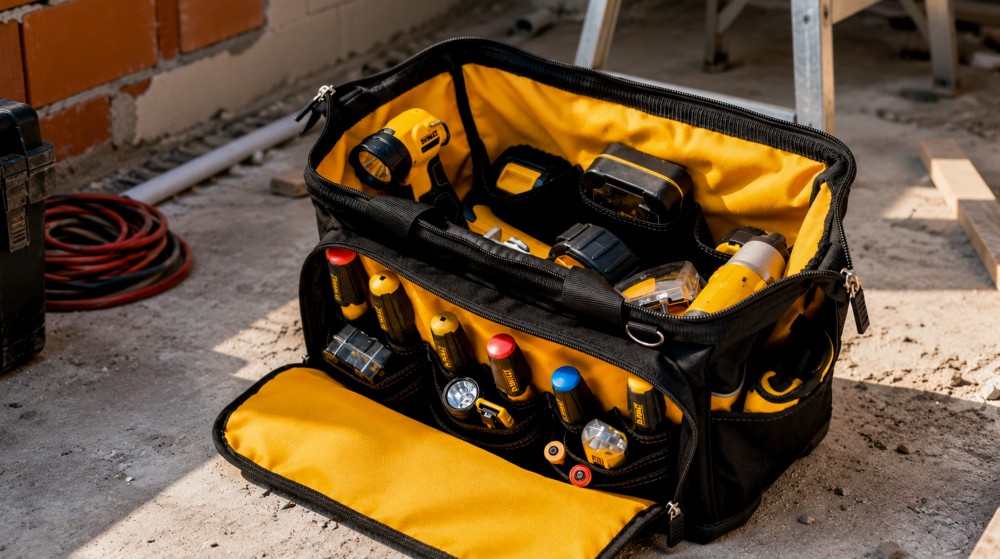
Take care of zippers, buckles, and seams; do not force them
Do not overstuff the bag to the point where the zippers are strained. If a zipper feels stiff, check for obstructions instead of yanking it. Periodically inspect the handles and shoulder straps; if they begin to fray or tear, reduce the load and repair them before further use. Always hold both handles when lifting heavy loads rather than repeatedly lifting by a single strap.
Balance the weight in the bag
If heavy items are always placed on one side, the bag will tilt and the seams on that side will deteriorate quickly. Heavy items should be placed in the center near the bottom of the bag, while lighter items go on the sides or in outer pockets. Good weight distribution makes carrying easier, reduces shoulder pain, and extends the bag's lifespan.
Store the bag in a dry, well-ventilated area
Do not leave the bag in poorly ventilated corners or directly on concrete floors, as accumulated moisture can easily cause mustiness and mold. If stored in a car, avoid areas exposed to direct sunlight, and open the bag periodically to ventilate it. If the storage area is humid, consider using silica gel desiccant packs.
Do not wash the entire bag without checking the material first
Bags with a hard base or waterproof coating are not suitable for complete submersion or machine washing, as they may retain water, lose their shape, or cause the coating to peel. Spot clean instead using a damp cloth and a soft-bristled brush. If detergent is necessary, choose a mild formula and test it first, then air dry in the shade with good airflow—never use excessive heat from a hair dryer.
Regularly inspect the tool bag's condition before heading to a job
Regularly inspect the bottom of the bag, seams, handles, shoulder straps, and zippers to catch issues early. If seams are fraying or the bottom is sagging, repair or reinforce them before heavy use. Clean stiff zippers instead of forcing them open, and inspect the tools inside at the same time to ensure none are missing or rusting.

How to reduce musty odors in a tool bag
If your tool bag starts to smell musty, remove all tools, shake out any debris, wipe the interior with a dry or slightly damp cloth, and air it out completely in a shaded, well-ventilated area. Avoid spraying perfume to mask odors, as it will mix with the mustiness and make it worse. Address the root cause—moisture and dirt—first.
If the smell comes from moisture, let it dry completely and avoid damp storage areas. If the odor is from oil stains or dirty tools, wipe off as much grime as possible and store oily tools in separate pouches before placing them back into the bag.
How to prevent mold in a tool bag
Mold is usually caused by moisture, trapped air, and poor ventilation. The best way to prevent it is to never store the bag while it is wet, avoid putting damp tools inside, and never leave it in poorly ventilated spaces for too long. After working on rainy days or in humid areas, always air out the bag. If you spot black spots or mold-like stains, clean them off immediately. Do not let mold spread, as it will deteriorate the fabric and leave permanent odors.
Avoid storing the bag against damp walls or directly on the floor. For long-term storage, clean it, remove unnecessary tools, let it dry thoroughly, and store it in a well-ventilated area.
Select Tool Bag here