


 EN
 ไทย


Customers Also Purchased
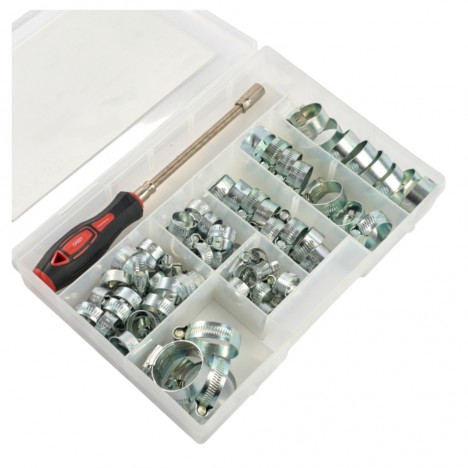
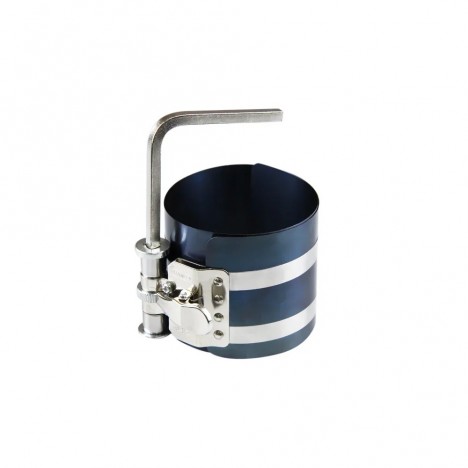
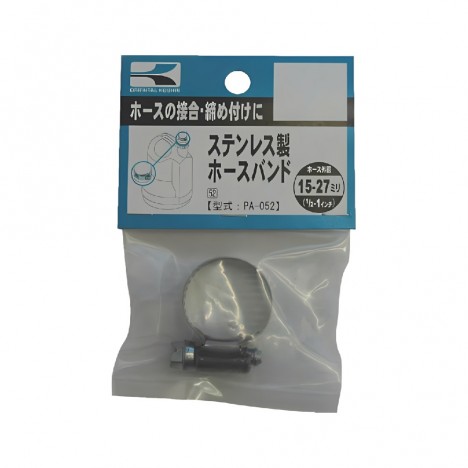
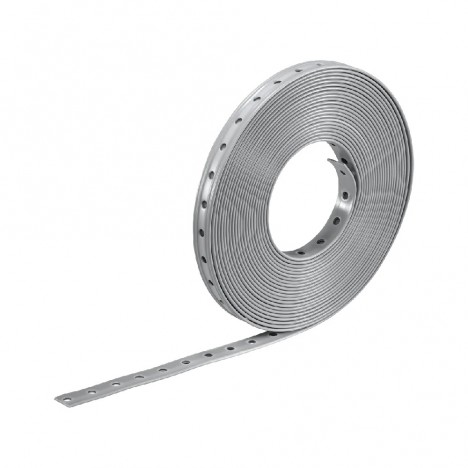
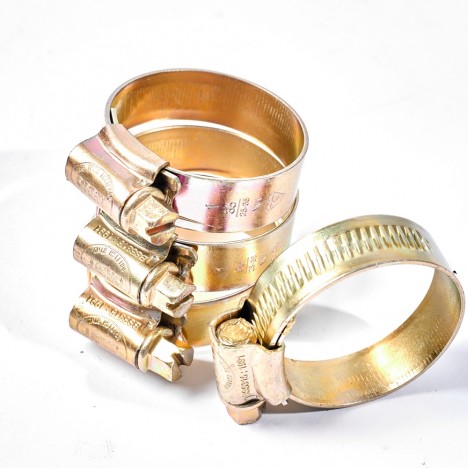
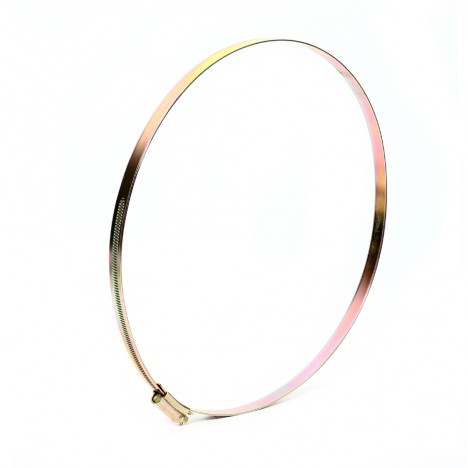
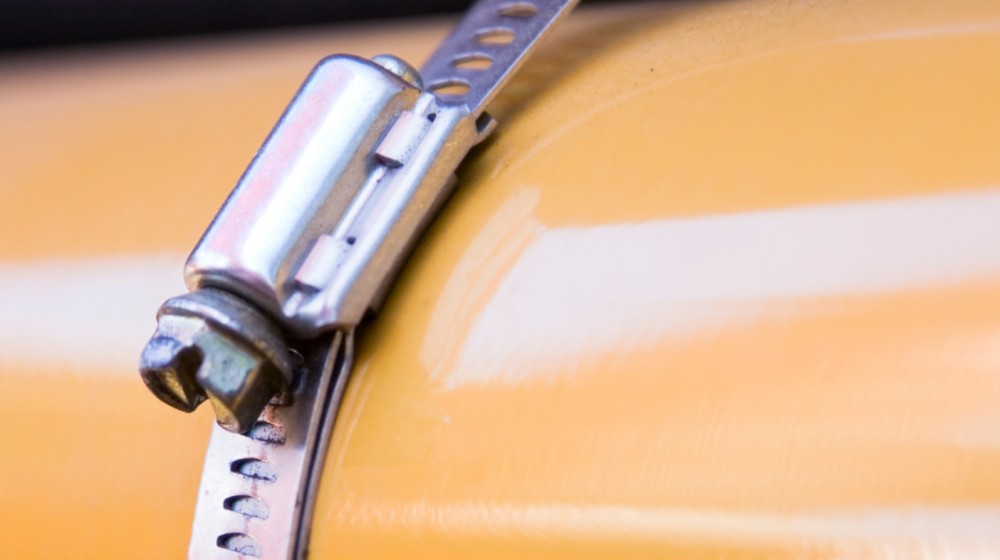
Hose Clamps It is a small, familiar piece of hardware, yet in practice, it affects the tightness, durability, and safety of a connection more than most realize. Whether for plumbing, water pumps, gardening, hoses, automotive work, or machinery, connecting flexible tubing or hoses to fittings usually requires hose clamps to secure the connection, prevent slippage, and minimize leaks. When shopping for one, however, you will encounter various types—especially "stainless steel" and "zinc-plated steel." Both look remarkably similar: a metal band, a tightening screw, and the same function of clamping hoses, leaving many to wonder what the actual difference is.
In reality, the two materials offer different levels of environmental resistance, especially in outdoor applications exposed to sun, rain, moisture, standing water, or salt air. Choosing the wrong material can cause the clamp to rust, the screw to seize, the band to corrode, or the clamping force to diminish—ultimately leading to loose connections and leaks.
What is the function of a hose clamp?
A hose clamp or pipe clamp serves the function of tightening flexible pipes or hoses securely against internal fittings, such as water pump connectors, hose fittings, pipe fittings, or equipment connectors, to ensure the connection is tight and will not easily come loose.
When the screw is tightened, the metal band of the hose clamp gradually compresses around the hose. This clamping force presses the hose firmly against the fitting. If you choose the correct size, select the appropriate material for the job, and tighten it in the proper position, the connection will be much more stable. However, choosing a hose clamp is not just about making sure it "can clamp." The material of the clamp directly affects its lifespan, especially in outdoor locations or in areas that are frequently wet and damp.
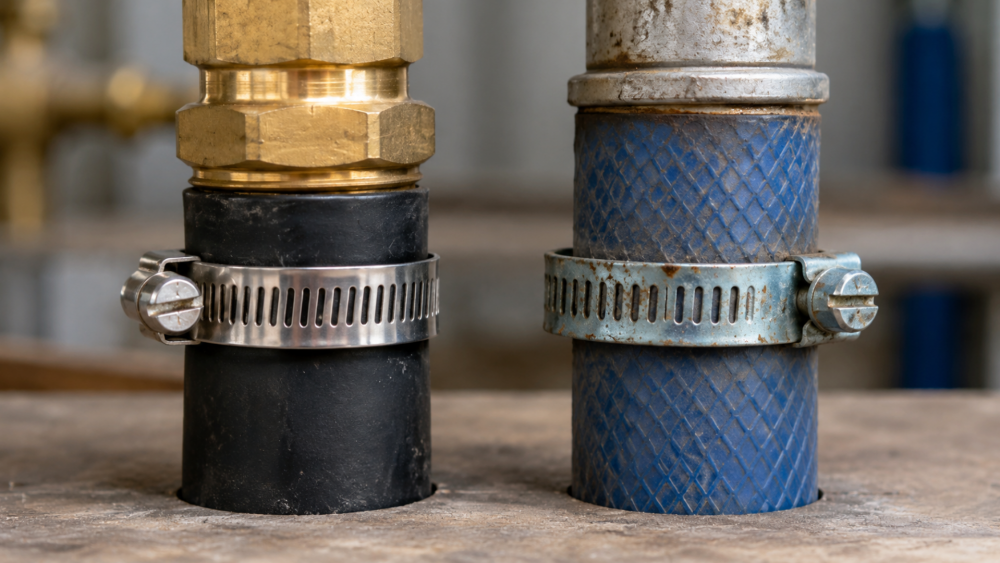
What is a Zinc-Plated Steel Hose Clamp?
A zinc-plated steel hose clamp is a clamp made of steel coated with a layer of zinc on the surface to help delay the formation of rust on the steel inside.
Prosof zinc-plated steel is that it is usually more economical, easy to purchase, and sufficient for many general applications, such as indoor work, applications not frequently exposed to water, temporary installations, or setups that can be easily inspected and replaced. However, zinc-plated steel has aLimitationsin that the zinc layer serves as the barrier protecting the steel. If the coating wears down, gets scratched, or is exposed to moisture for long periods, the steel inside is prone to rusting, especially along the edges of the band, screw threads, and friction points from tightening.
Therefore, zinc-plated steel does not mean it cannot be used outdoors at all, but rather that it is more suitable for light outdoor use—such as spots without standing water, not continuously exposed to rain, and where it can be easily replaced if rust begins to appear.
What is a Stainless Steel Hose Clamp?
A stainless steel hose clamp is made of stainless steel, a material inherently more resistant to rust and corrosion than standard steel. It is better suited for applications exposed to moisture, water, or outdoor environments compared to zinc-plated steel.
Prosof stainless steel is that the material itself possesses inherent corrosion resistance, rather than relying solely on a surface coating like zinc-plated steel. This makes it ideal for long-term durability, such as water pump systems, gardening, plumbing systems, outdoor installations, wet areas, or locations where frequent replacements are undesirable. However, it is important to understand that stainless steel does not mean it will never rust in any environment. If used near the sea, exposed to salt spray or chemicals, subjected to standing water, or left with dirt accumulated over time, certain grades of stainless steel can still develop rust stains or corrosion.
Another aspect to consider is that some hose clamp models may not be all-stainless. In some models, the band is stainless steel, but the screw or housing may be made of a different material. When used outdoors, the first part to rust might not be the band, but rather the screw or the smaller tightening components.
What is the Difference Between Stainless Steel and Zinc-Plated Steel?
The main difference between stainless steel and zinc-plated steel hose clamps lies in rust resistance, lifespan, and environmental suitability.
Zinc-plated steel is suitable for general tasks not frequently exposed to water. Its advantages are affordability, ease of use, and suitability for indoor work or conditions without harsh weather. However, if used where exposed to rain, humidity, or water regularly, the zinc layer will gradually degrade, and as the steel inside comes into contact with moisture, the likelihood of rust increases.
Stainless steel stands out for its superior rust and corrosion resistance. It is well-suited for outdoor use, wet or damp environments, or applications requiring long service life without frequent replacements. Although the price is higher than zinc-plated steel, choosing stainless steel is generally more cost-effective in the long run for rust-prone areas.
Nevertheless, you should choose based on the actual job requirements rather than looking at material alone. Choosing the wrong size, tightening in the wrong position, or using it on a degraded hose can still result in leaks or detachment, even with stainless steel.
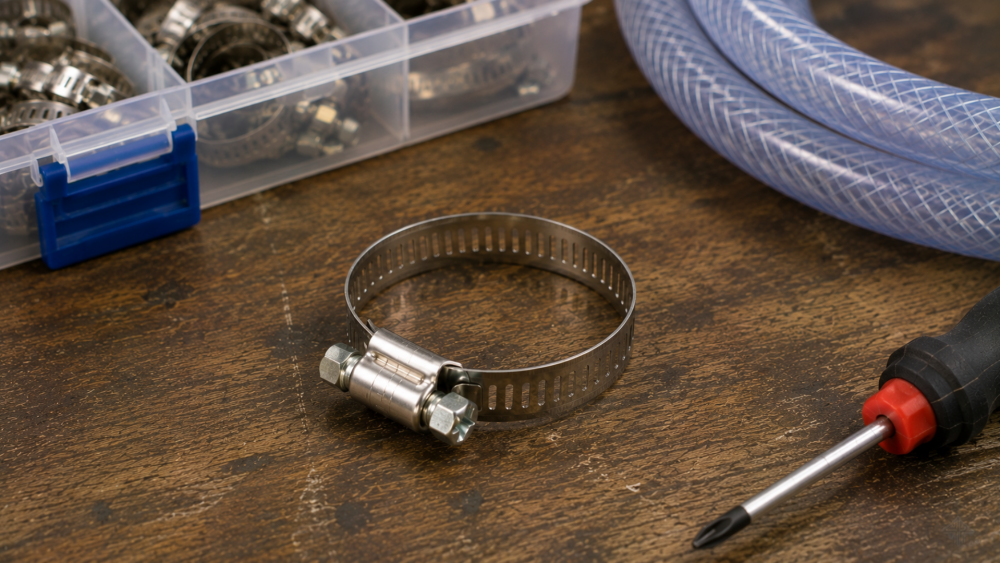
Which Type Should You Choose for Outdoor Use?
For general outdoor applications, it is primarily recommended to choose stainless steel hose clamps, especially in areas exposed to sunlight, rain, moisture, or involving water systems—such as water pumps, garden hoses, suction hoses, delivery hoses, backyard connection points, gardening, or areas close to the ground.
The reason is that outdoor applications expose metal to constantly changing environmental conditions, including heat, rain, moisture, dust, soil stains, and standing water. If zinc-plated steel is used, it may work well initially, but over time rust is likely to develop—especially on the screw and gear threads. Once the screw begins to rust, it may become impossible to tighten further, difficult to loosen, or lose its original clamping force.
For general outdoor work, grade 304 stainless steel is usually a more suitable choice than zinc-plated steel because it resists moisture and rust much better. However, in areas near the sea with salt spray, chemicals, or highly corrosive environments, grade 316 stainless steel or materials specifically designated by the manufacturer for such conditions should be considered.
Zinc-plated steel can still be used outdoors for certain non-critical tasks—such as spots that are not constantly exposed to water and are easy to inspect and replace. However, for applications requiring high durability or where leaks would significantly impact operations, stainless steel is the preferred option.
Can zinc-plated steel be used indoors?
If used indoors in dry conditions without frequent water exposure or high humidity, zinc-plated steel remains a great choice. Examples include indoor hose clamping, temporary setups, storage rooms, easily inspectable points, or non-high-pressure applications.
The advantage is that it helps save budget and is sufficient for general use. However, it should be inspected periodically; if you begin to see rust, a stiff screw, band corrosion, or if it no longer tightens securely, it should be replaced. Do not force continued use, as clamping force may decrease and cause connections to loosen.
For indoor areas with high humidity—such as pump rooms, laundry areas, spots near wet floors, or areas with frequent water mist—choosing stainless steel is still more practical, as it reduces the risk of rust and minimizes long-term maintenance.
What to look for when choosing a hose clamp
Besides the material, another essential factor to check is the size of the hose clamp. It should fit the outer diameter of the hose or flexible tubing after it has been installed onto the fitting. Do not select based on the bare hose size alone, as the outer diameter may expand slightly once fitted over the connector.
If you choose an oversized clamp, it may not apply full clamping pressure or may leave too much excess band length, placing the screw in an awkward position. Conversely, if it is too small, it may not fit at all, or forcing it tight may deform the band and damage the hose.
Another point to inspect is the edge finish of the band. Clamps with sharp edges can cut into the hose, especially soft hoses or hoses under pressure. The screw should turn smoothly, resist stripping, not wobble, and be free of rust even before use.
For outdoor applications, make sure to check the specifications clearly regarding which parts are made of stainless steel—whether only the band is stainless, or if the band, housing, and screw are all stainless steel. Small components like screws have a significant impact on real-world performance.
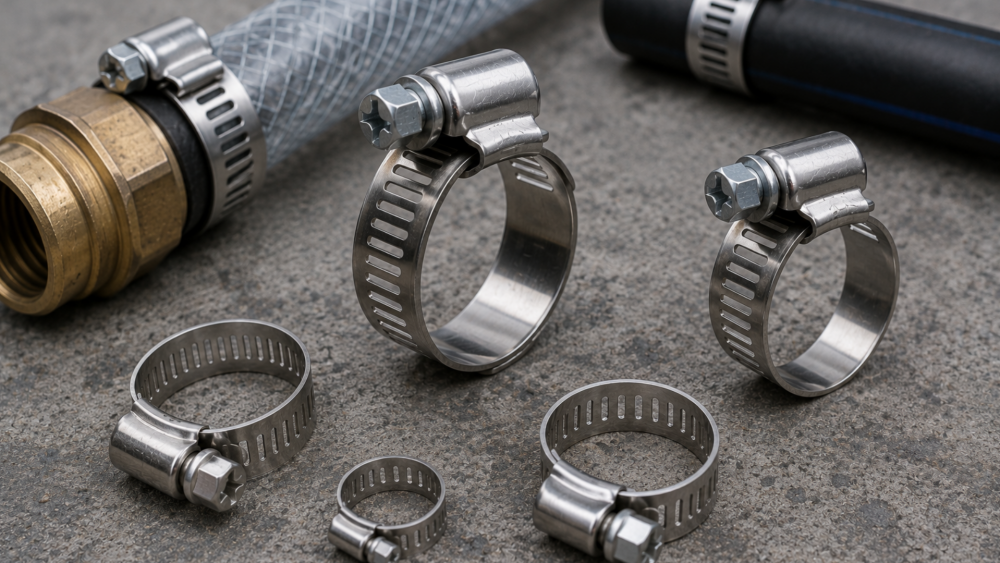
Beware of overtightening
Many believe a hose clamp should be tightened as much as possible. In reality, overtightening can crush or deform the hose, or cause the band edges to cut into the hose material, resulting in damage. This is especially true for old hoses, hoses weathered by the sun, or hoses that have become stiff and brittle.
Proper tightening means it is snug enough so the hose does not shift, twist, or leak, but not so tight that the hose becomes crushed or distorted. If it still leaks after tightening, check for other underlying causes, such as an incorrect clamp size, hose degradation, an undersized fitting, a missing fitting barb, or an uneven fitting surface. In some cases, the problem is not with the hose clamp, but because the hose or fitting is unsuitable for the system's operating pressure. Forcing the clamp tighter will only cause more severe damage to the hose.
Certain applications require specialized clamps
For general water, garden, or basic plumbing tasks, choosing the proper material and size is usually sufficient. However, for applications involving high pressure, heat, oil, chemicals, compressed air, or gas, choose hose clamps specifically engineered for those applications.
Particularly for gas applications, standard hose clamps should never be chosen arbitrarily, as this directly affects safety. Always use hoses, fittings, and clamps specifically certified for gas systems, and install them following the manufacturer's guidelines or have them inspected by a qualified technician.
Which type should you choose for the best value for your job?
For indoor, dry applications that are not frequently exposed to water and where budget is a priority, zinc-plated steel hose clamps are a viable option. However, their condition should be inspected periodically—especially around the screw and the band edges. If rust begins to form or they no longer tighten securely, they should be replaced.
For outdoor, wet, humid applications, water pumps, gardening, or locations you do not want to service frequently, stainless steel hose clamps are the better choice. They offer superior rust resistance, are suitable for long-term use, and reduce the likelihood of issues caused by material corrosion.
For areas near the sea or environments with corrosive substances, choose a higher stainless steel grade and check the manufacturer's specifications. Do not rely solely on the word "stainless steel", as different grades withstand environmental conditions differently.
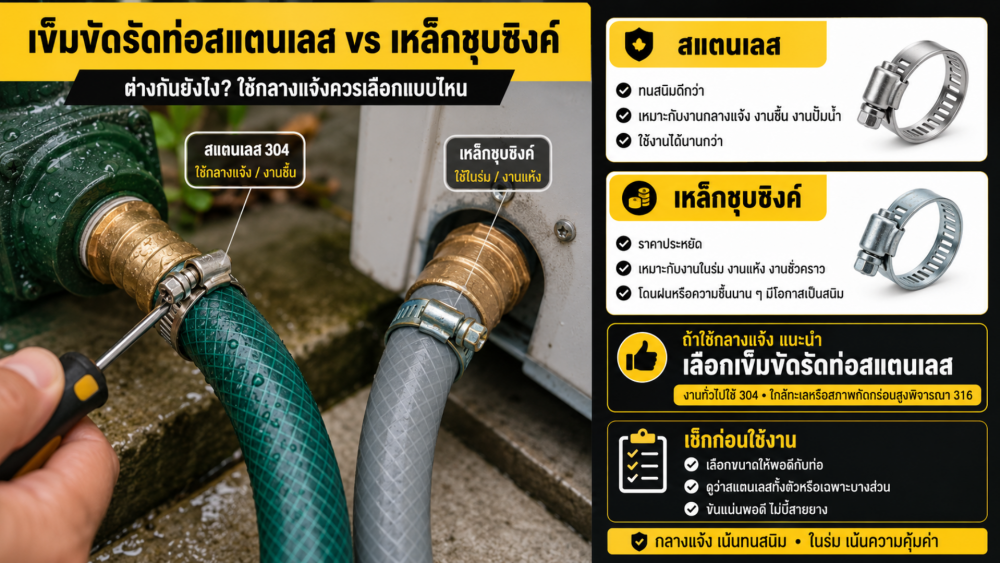
Choose hose clamps suitable for the environment
Hose Clamps Stainless steel and zinc-plated steel may look similar at the time of purchase, but in practical application, material differences become clear—especially regarding rust resistance, durability, and lifespan.
Zinc-plated steel is suitable for general, indoor, dry, or easily replaceable applications. Stainless steel is suitable for outdoor, wet, and humid applications and areas requiring greater durability. However, it is essential to choose the appropriate grade and check whether the clamp is entirely stainless steel or only partially so.
If used outdoors, stainless steel hose clamps are strongly recommended, especially in areas frequently exposed to water or moisture. Choose the correct size for the pipe, tighten properly without over-torquing, and inspect periodically. This ensures tighter, more durable joints and significantly reduces the long-term risk of leaks or disconnected pipes.