


 EN
 ไทย


Customers Also Purchased
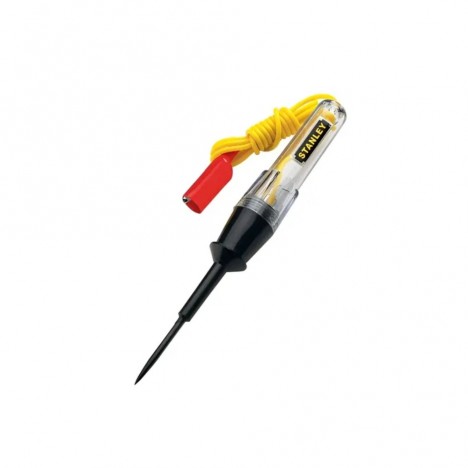
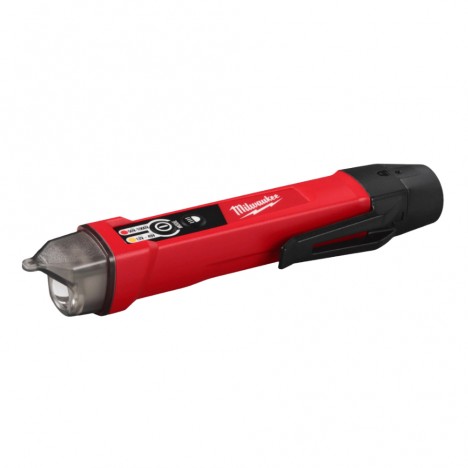


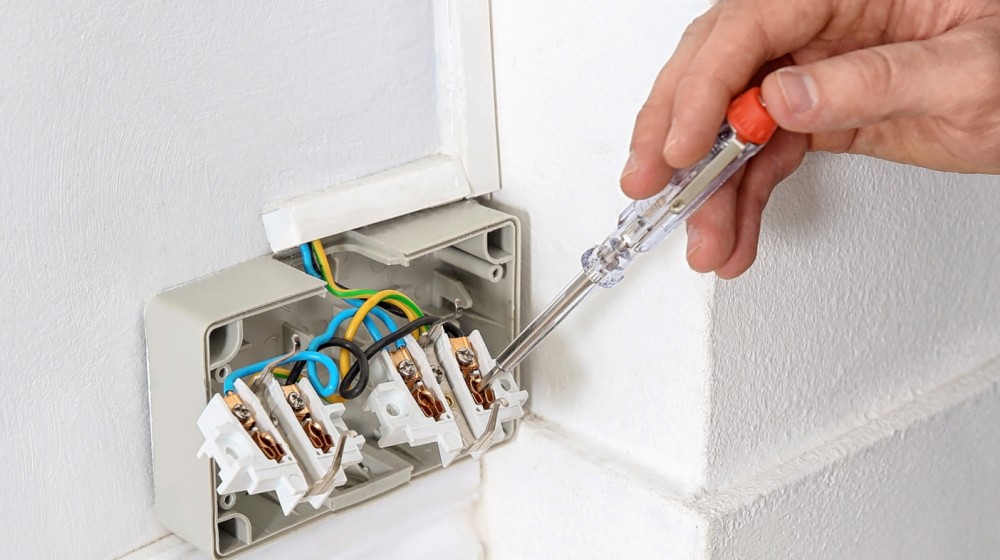
Voltage tester screwdriver It is a compact electrical tool that many homes, shops, and offices keep on hand because it is easy to use, affordable, and helps perform basic electrical checks to see "if power is present" at suspected points—such as electrical outlets, light switches, wire ends, or the metal chassis of certain appliances.
Although many people call it a "voltage tester screwdriver," this tool does not measure voltage values numerically like a multimeter. Its primary function is to provide a basic check of whether voltage is present at that point, making it more suitable for quick spot-checks rather than precise electrical measurements.
Many people may refer to it as a test pen, mains tester, or voltage detector screwdriver, all generally referring to the same category of tools: touching the test point and observing the indicator light on the device. Crucially, however, a voltage tester screwdriver should never be relied upon as the sole confirmation of safety—especially before handling live wires, opening wall outlets, or working directly on electrical systems. When used with a proper understanding of its function, this tool is extremely useful; however, improper use or over-reliance on its results can lead to misunderstandings and dangerous hazards.
What is a voltage tester screwdriver?
A voltage tester screwdriver is a tool used for basic electrical testing. Most of them resemble a slotted screwdriver with an insulated handle, housing an indicator light or circuit inside. When the screwdriver tip touches a live point and the user touches the metal button or plate at the end of the handle, the indicator light inside the handle illuminates.
The operating principle of a conventional voltage tester screwdriver is to place the screwdriver tip in contact with the test point and touch the rear end of the handle with a finger to complete the test circuit. If the light inside the handle turns on, it usually indicates that voltage is present. However, if the light does not turn on, you should not immediately conclude that the point is voltage-free or safe, as other factors may prevent the tool from indicating properly.
Therefore, a voltage tester screwdriver is suitable for basic voltage checks rather than precise electrical measurements. If you need to know the exact voltage reading, whether there is a voltage drop, whether the grounding is working properly, or where a circuit fault lies, you should use more appropriate measuring instruments, such as a multimeter, or have an electrician inspect it.
What can a voltage tester screwdriver be used to check?
A voltage tester screwdriver is commonly used for basic inspections around the home or general job sites, particularly to see whether power is present at a specific point. However, it must be used with caution and should not replace dedicated measuring instruments for repair work that requires precision.
Check if an electrical outlet has power
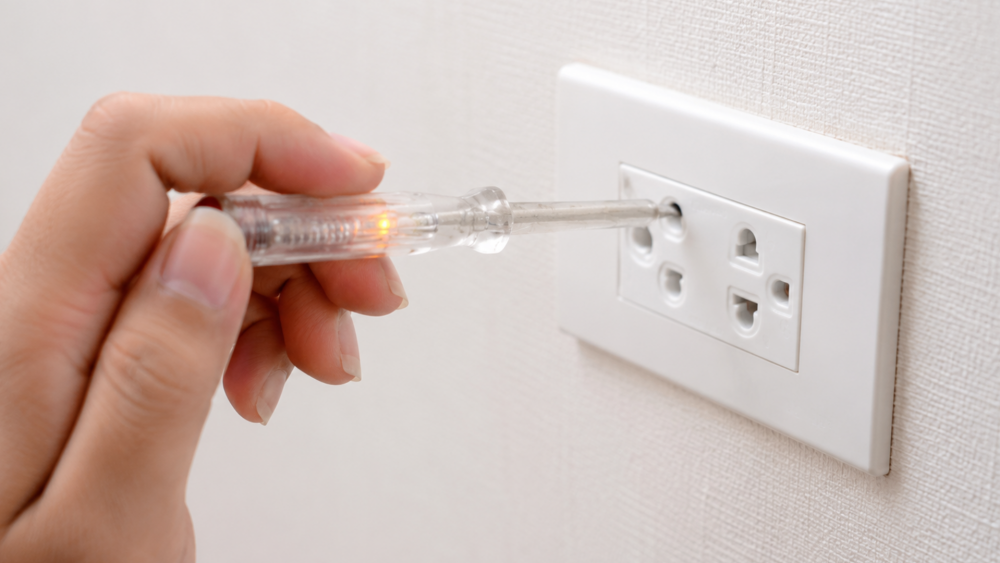
The most familiar application for many people is using a voltage tester screwdriver to check wall sockets or outlets to see if power reaches that point. Touching the live/phase slot usually causes the light in the screwdriver handle to illuminate, providing a basic indication that voltage is present at the outlet. This is typically used for a quick check, such as when an appliance does not work when plugged in, and you want to know whether the issue stems from an unpowered outlet or the appliance itself.
However, a voltage tester screwdriver only provides a basic indication of whether voltage is present. It cannot determine if the voltage level is normal, whether the outlet is wired correctly, or if the ground wire is actually functional. For a thorough inspection of an outlet system, use testing tools specifically designed for that purpose.
Check which wire is live
A voltage tester screwdriver can help identify which wire is live, such as the live wire entering a switch or outlet. This is often relevant when replacing outlets, replacing switches, or checking wire ends in certain cases. However, this type of work carries higher risks than checking standard outlets because it requires working in close proximity to bare wires. If you lack the expertise, do not disassemble electrical devices or handle wires yourself. Always turn off the circuit breaker first, and if in doubt, have an electrician carry out the inspection instead.
Another point of caution is that electrical wiring in some homes may not follow standard color codes, especially in older houses, extended buildings, or areas subjected to frequent repairs. Therefore, do not rely solely on wire color or the result of a voltage tester screwdriver.
Check if a light switch has power coming in
If a light bulb does not turn on, the issue could stem from various causes, such as a burnt-out bulb, a faulty switch, loose wiring, or no incoming power. A voltage tester screwdriver can help check preliminarily whether power is reaching the switch. This type of check helps point toward the problem, but it should not be considered a definitive conclusion because some switch circuits may be wired differently, especially circuits that have been repaired, extended, or modified before. If you need to remove the switch or replace components, always turn off the circuit breaker and check thoroughly before beginning work.
Check metal frames of appliances suspected of current leakage
Some people touch the metal casing of household appliances—such as washing machines, refrigerators, ovens, water pumps, or appliances with metal bodies—with a voltage tester screwdriver to see if there is current leakage onto the chassis. If the indicator light in the screwdriver turns on when touching it, or if you feel a tingling sensation when touching the appliance, stop using it, unplug it, and have a technician inspect it immediately. The issue could involve internal appliance insulation, grounding, an RCD breaker, or the building's electrical system.
However, a voltage tester screwdriver is not a direct leakage current measurement tool; it serves only as a preliminary warning signal. It should never be used to definitively confirm whether an electrical appliance is safe or unsafe.
Check suspected points before starting electrical work
A voltage tester screwdriver is often used for preliminary checks before starting work, such as before tightening screws on an outlet, replacing a switch, or inspecting certain wire ends. However, the critical rule is that you should never rely on a single test from a voltage tester screwdriver to conclude that the point has no voltage and is safe.
If you need to work on an electrical system, you should turn off the circuit breaker, retest, and use proper measuring instruments—especially for tasks involving direct contact with wires, work inside electrical panels, or situations where you are unsure which breaker controls that circuit.
What can a voltage tester screwdriver tell us?
What a voltage tester screwdriver can tell you is that the tested point "likely has voltage" or "has a voltage level sufficient to trigger the indicator." Therefore, it is suitable for rough checks, such as whether an outlet is live, which wire carries current, whether power reaches a switch, or whether an appliance's metal chassis exhibits any suspicious abnormalities. However, a voltage tester screwdriver does not provide detailed information, such as the exact voltage level, whether there is a voltage drop or surge, whether the neutral wire is properly connected, whether the ground wire is actually functioning, the amount of leakage current, or whether the electrical circuit is truly safe for repairs.
Therefore, a voltage tester screwdriver should be viewed as a preliminary screening tool rather than a comprehensive electrical diagnostic instrument. For tasks requiring precision or directly concerning safety, more appropriate electrical testing instruments should be used.
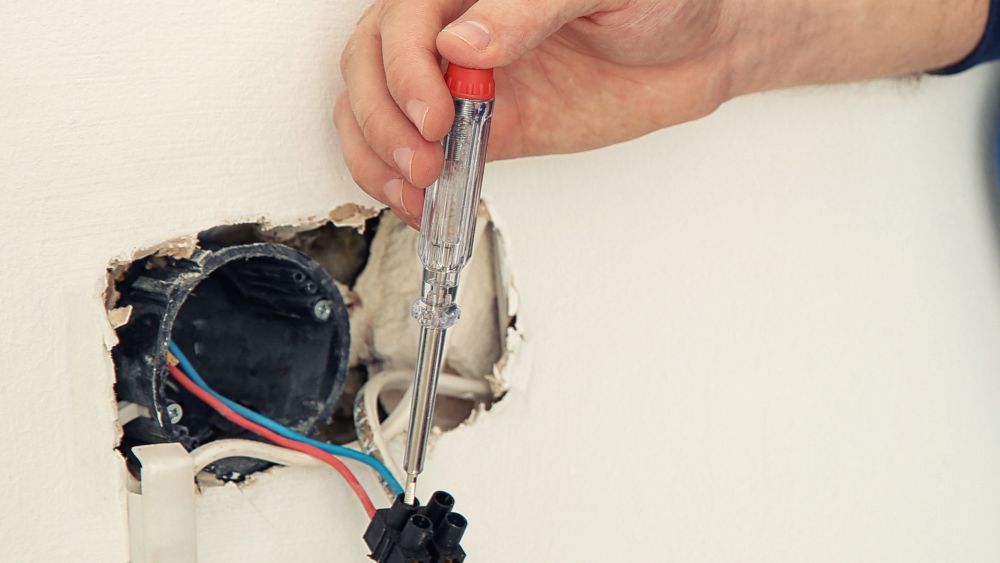
Limitations of voltage tester screwdrivers that many people don't know
A voltage tester screwdriver is a useful tool, but it has several limitations that users should be aware of, especially those who keep one at home for troubleshooting minor issues themselves.
No light doesn't always mean no power
The most critical limitation of a voltage tester screwdriver is that a light that does not turn on does not always mean the point is unpowered. Many people assume that if the indicator in the handle doesn't light up upon contact, it means it's safe—but in reality, that conclusion cannot be drawn immediately.
The tester light may fail to illuminate because it is not touching a conductive point, contact is poor, the user is not touching the contact button at the end of the handle correctly, the handle or internal bulb has degraded, ambient light is too bright to see it, or the tool is not rated for the voltage being tested. Therefore, for tasks that require handling bare wires, disassembling outlets or switches, or repairing electrical circuits, you should never rely solely on a voltage tester screwdriver to deem it safe.
Cannot measure voltage values accurately
Despite being called a voltage tester screwdriver, this tool does not measure electrical values in detail like a multimeter. A standard voltage tester screwdriver can only indicate whether power is present at a certain threshold, but it cannot tell you if the voltage is actually 220V, lower than normal, or just a small residual voltage. If you need to know the specific voltage value or wish to seriously diagnose an electrical problem, you should use a multimeter or an electrical testing instrument designed specifically for that purpose.
Depends on grip technique and environmental conditions
A standard voltage tester screwdriver requires touching the metal cap or contact plate at the top of the handle to complete the test circuit. If held incorrectly, if thick gloves are worn, if standing on an insulating surface, or if firm contact with the test point is not made, the result may be inaccurate. Environmental conditions also have an impact, such as damp areas, test points in tight spaces, high ambient light, or hard-to-reach locations. All of these can easily lead to operational errors.
Cannot be used as a substitute for a multimeter
A voltage tester screwdriver and a multimeter are not the same type of tool. A voltage tester screwdriver is used for basic checks to see if power is present, while a multimeter can measure various electrical values, such as voltage, resistance, or other electrical parameters depending on the selected mode.
For basic outlet checks, a voltage tester screwdriver may be helpful to some extent. However, for inspecting electrical systems, detecting voltage drops, troubleshooting abnormal circuits, or diagnosing faulty electrical equipment, more appropriate measuring instruments should be used.
Incorrect usage may pose safety hazards
Each model of voltage tester screwdriver supports different voltage ranges and application types. Some models are suitable for household AC power, while others have limited voltage ranges. Using it with voltages exceeding its specifications or on an improper electrical system may damage the device or cause hazards.
Before use, check the specifications marked on the screwdriver, such as the supported voltage range, compatible electrical type, and the condition of the handle. If the tool lacks clear information, or if the handle is cracked or the tip is damaged, it should not be used for electrical work.
Tools can degrade over time
Voltage tester screwdrivers that have been used for a long time, dropped, have a cracked handle, a chipped tip, or an aging internal indicator bulb may display inaccurate results. Sometimes, touching a live point without the light turning on does not mean that point is unpowered, but rather that the tester screwdriver itself is defective. Before actual use, test it on a point known to be live to confirm that the tool is operating normally. If it does not light up during testing or gives inconsistent readings, it should be replaced rather than forced into continued use.
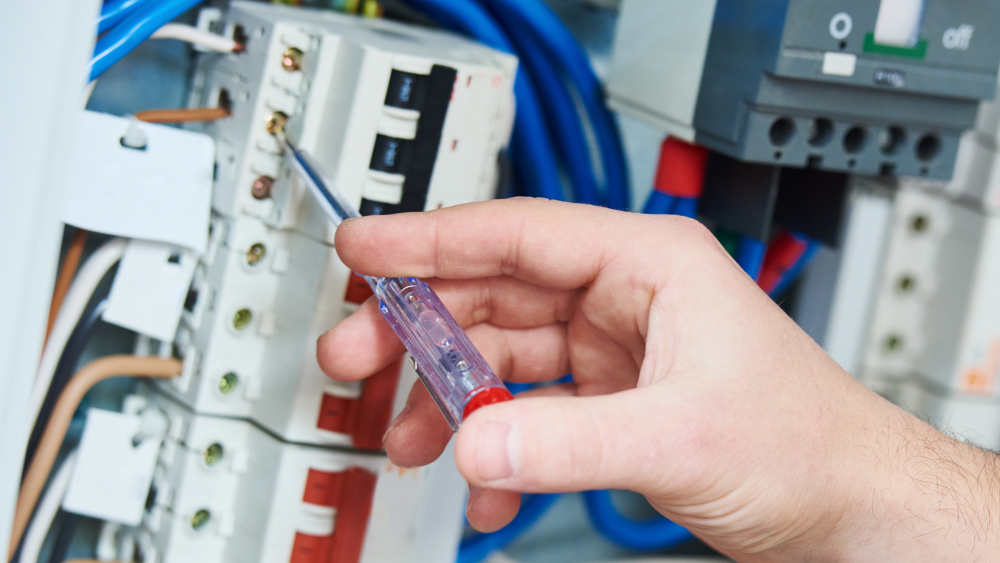
What to consider when choosing a voltage tester screwdriver
Voltage tester screwdrivers are inexpensive tools, but because they directly involve electricity, you should not choose based solely on a low price. The primary considerations should be suitability for the task and overall safety.
Check the supported voltage range
Choose a voltage tester screwdriver that supports the voltage of the electrical system you intend to work on, such as general household electrical systems, and clearly read the product specifications regarding the applicable electrical type and voltage range.
Do not use a voltage tester screwdriver on an electrical system with an unknown voltage rating or one that exceeds the operating limits of the tool, as this can cause damage or danger.
The handle must be insulated and sturdy
The handle should be insulated, offer a comfortable grip, and be free of cracks, burn marks, and looseness. If the handle begins to crack or is in imperfect condition, it should not be used for electrical work.
The screwdriver tip must not be chipped or deformed
A tip that is chipped, bent, or heavily worn may not make proper contact with test points and may slip during use. If used to tighten screws, it should only be used for light tasks; do not force it for heavy fastening, which could damage the tip or handle.
Choose from reliable sellers
Purchase from stores or suppliers that provide clear, verifiable product information, such as voltage ratings, handle materials, and intended applications. Avoid products lacking details or appearing non-compliant with standards, as this small tool directly affects safety.
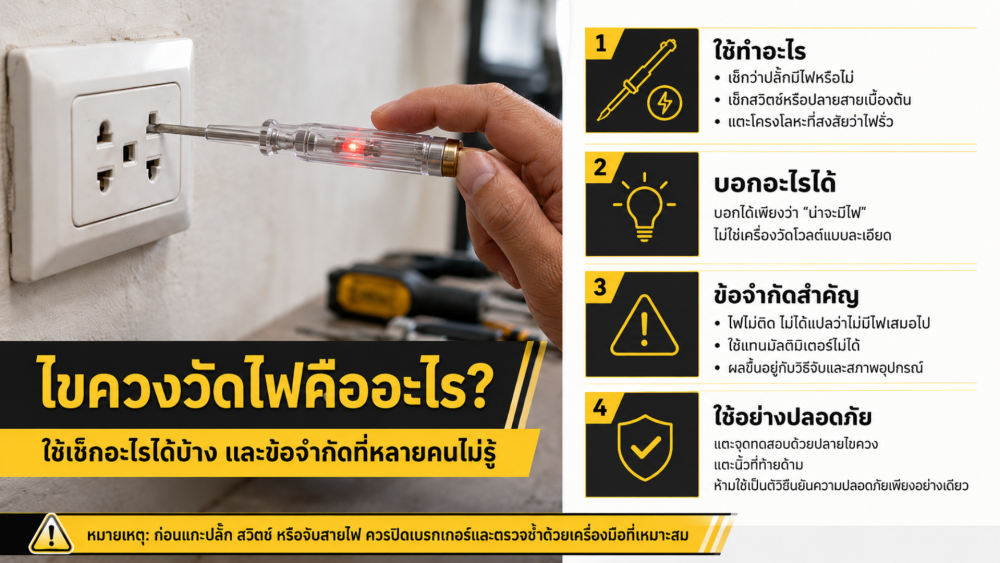
When Should You Not Rely on a Voltage Tester Screwdriver Alone?
You should not rely on a voltage tester screwdriver alone for tasks where safety must be confirmed before touching wires, work inside main distribution panels, multi-circuit tasks, serious electrical leakage inspections, appliance repairs, or situations where it is unclear which circuit breaker controls that specific circuit.
Additionally, if your home experiences electric shocks, current leakage, frequent breaker trips, hot outlets, burning smells, or malfunctioning electrical appliances, you should not attempt to solve the issue using only a voltage tester screwdriver. Have an electrician inspect the system, as the problem could involve loose wiring, deteriorated insulation, faulty grounding, or inappropriate electrical protection devices.
Voltage Tester Screwdrivers Are Useful, but Must Be Used Appropriately
Voltage tester screwdriver It is a tool worth having at home because it allows convenient basic electrical checks. It can check outlets, switches, wire ends, or suspected live points to a certain degree, making it suitable for general use and noticing abnormalities before deciding to call a professional.
However, the key point is to understand that a voltage tester screwdriver does not provide detailed electrical measurements, cannot replace a multimeter, and the light not turning on does not always mean the point is safe. For electrical tasks that involve repairing, dismantling, or directly touching wires, turn off the breaker, double-check with appropriate tools, and have an electrician help if you are unsure. Having a voltage tester screwdriver is certainly good, but it must be used with understanding, not pushed beyond its capabilities, and without being complacent about electricity. Even seemingly minor electrical work can be far more dangerous than anticipated if a mistake occurs.