


 EN
 ไทย


Customers Also Purchased
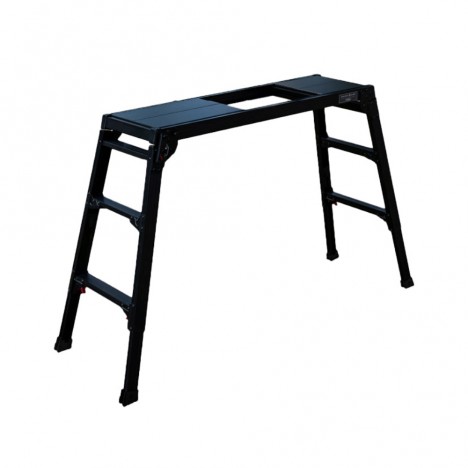
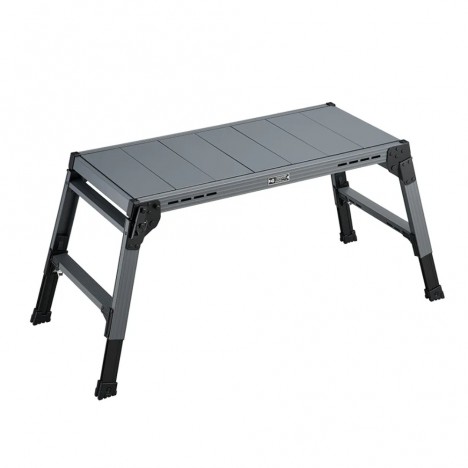

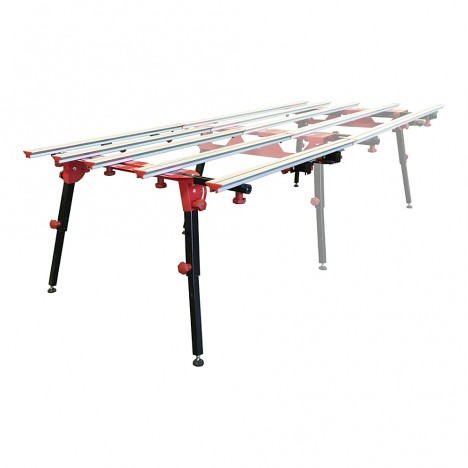

A workbench is an essential piece of equipment that many often overlook. When buying tools for the home, people usually prioritize drills, screwdrivers, saws, or angle grinders first. But when it comes to actual work, they find there is no space to place workpieces, no stable clamping points, or that the table simply isn't sturdy enough.
For those who do regular mechanical or trade work, a workbench is the primary workspace for measuring, cutting, drilling, assembling, and repairing workpieces. Choosing one that doesn't fit the nature of your work can lead to issues like wobbling, vibration, slipping workpieces, or easily damaged tools. DIY enthusiasts at home—whether repairing furniture, assembling shelves, or cutting wood—also benefit greatly from a workbench, as it keeps work organized, reduces clutter, and is much safer than working on the floor or a standard table.
This article will explain how to choose a Workbenches to suit DIY and practical workshop tasks—covering everything from workbench types, materials, dimensions, height, weight capacity, and add-on features, to precautions before buying—ensuring you get great value and genuine usability.
What is a workbench, and how does it differ from a regular table?
A workbench is a table specifically designed to support mechanical and craft work, whether it involves assembly, repair, cutting, drilling, sanding, or installing various components. The key difference from a regular table lies in its strength, structure, tabletop material, and its ability to withstand pressure, impact, or vibrations from tool use.
Standard tables, such as dining tables or computer desks, are designed to hold everyday household items. They are not built to support clamping workpieces, hammering, drilling, or sawing. Using them frequently for workshop tasks can easily lead to scratched surfaces, loose legs, or wobbling.
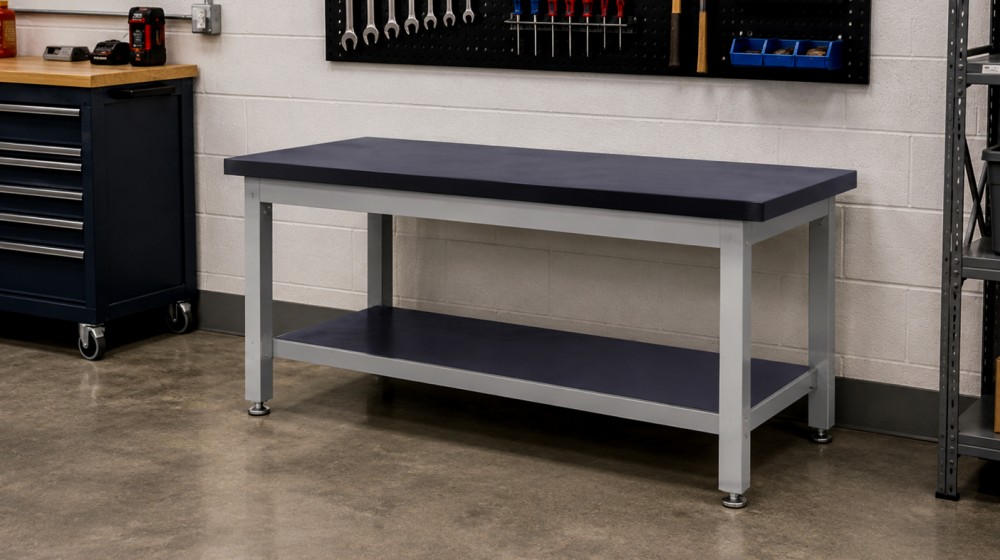
In contrast, a workbench typically features a sturdier structure, such as a steel frame and a thick wooden or steel tabletop. It often includes functional extras like drawers, shelves, pegboards, casters, or holes for clamps and bench vises. This makes it far more suitable for tasks requiring stability and safety compared to standard tables. Simply put, regular tables are meant for holding items and light work, while workbenches are purpose-built for "getting real work done."
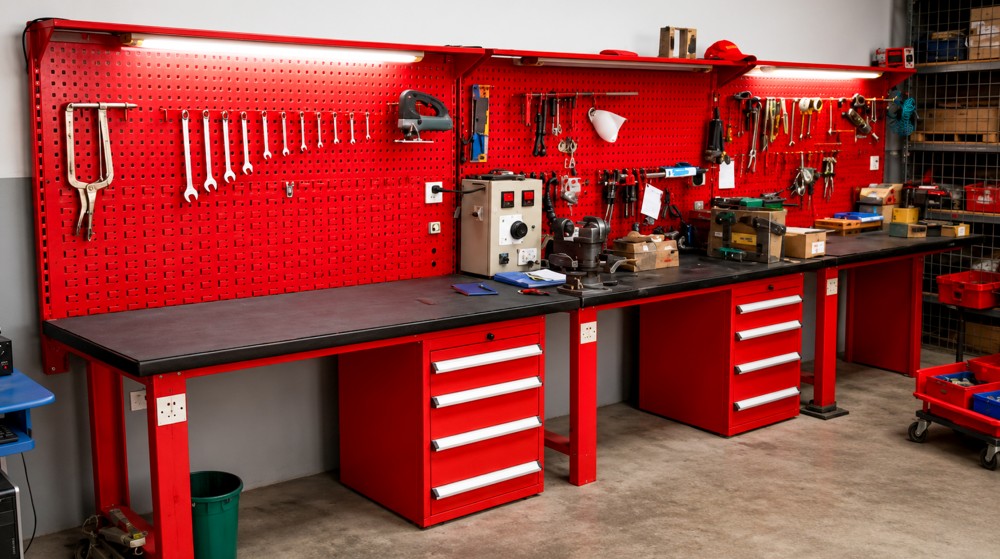
Why DIYers and repair enthusiasts should have a workbench
Many people often think that if you're not a professional technician, you don't really need a workbench! But in reality, a workbench is extremely useful for anyone who likes fixing things themselves, doing DIY projects, or having multiple tools at home, as it clearly helps you work more systematically and safely.
Without a workbench, many people tend to use the house floor, garage floor, or an old table as a workspace, which often leads to problems like bending over for too long causing back pain, workpieces shifting easily, tools getting mixed up and hard to find, or floors getting scratched from cutting, drilling, and sanding. A workbench helps separate the work area from living spaces, keeping the home organized and reducing damage to floors or other furniture.
For DIY projects—such as assembling furniture, cutting wood, making shelves, or repairing small appliances—a workbench keeps workpieces stable, provides a comfortable grip on tools, and allows for more precise work. For general repair tasks, such as tightening bolts, replacing hinges, or sharpening blades, you won't have to sit on the floor and can keep your tools neatly organized.
For professional tradespeople, a workbench is even more critical because it serves as a daily workspace. If the workbench isn't sturdy or suited for the job, it directly impacts speed, precision, and safety. A good workbench keeps tools organized, clamps workpieces securely, and withstands heavy-duty tasks without wobbling or deforming easily.
Choose a workbench size suited to your space and workpieces
Workbench size is crucial; if it's too small, positioning workpieces becomes awkward, but if it's too large, it might eat up space and make the workshop or garage cramped. For those working at home, in condos, or in limited spaces, opt for a compact or folding workbench that can be tucked into a corner after use. It is ideal for light work such as repairing small devices, assembling small furniture, or general DIY tasks, but not suitable for large workpieces or heavy tools.
For homes with a garage or a dedicated workshop space, a medium-to-large workbench can be chosen. It should provide enough tabletop area to accommodate the workpiece, tools, and equipment simultaneously while still leaving comfortable room to move your hands without feeling cramped.
For serious trade work requiring heavy workpieces—such as motors, machinery spare parts, or metal components—choose a bench with an adequately wide tabletop and a sturdy structure. Avoid undersized benches, as the workpiece might overhang the table edge, posing a drop risk or hindering your work.
Workbench height must not cause back pain
Many people choose a workbench based on width and sturdiness but forget to check the height, even though it directly affects working comfort. If the bench is too low, you'll constantly be hunching over, easily causing back, neck, and shoulder strain, especially during prolonged tasks like assembly or sanding wood. Conversely, if the bench is too high, you have to raise your arms higher than usual, cannot apply full downward force, and your shoulders will tire easily, especially for tasks requiring force like hammering, drilling, or fastening.
Generally, a workbench should be at a height where you can stand and work comfortably, with your arms at a level that easily controls your tools. For detailed tasks, such as small device repairs or electrical work, choose a slightly taller workbench so you can see the workpiece clearly without hunching too much. But for tasks requiring downward force, such as planing wood, hammering, or drilling, a slightly lower bench provides better leverage.
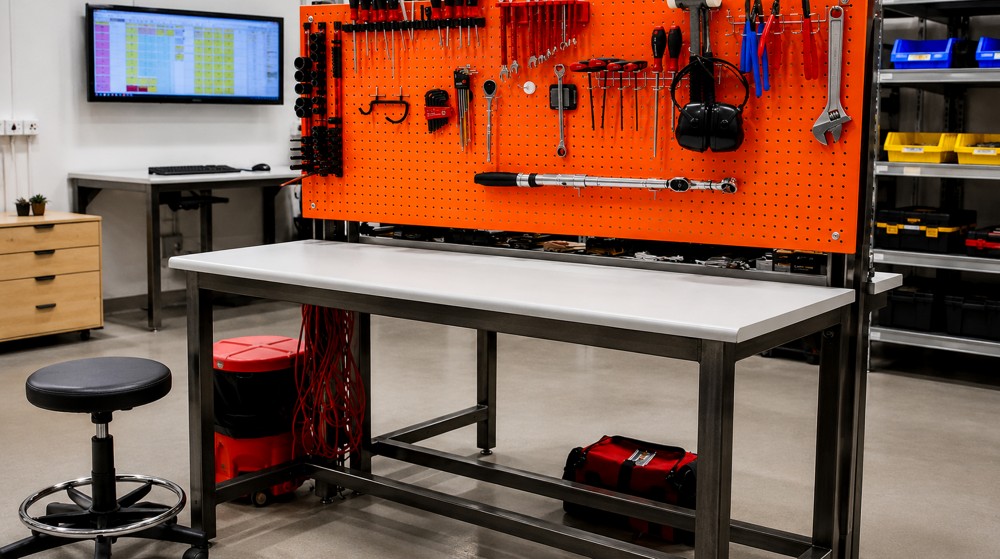
How to choose the right workbench top material for your work
- Wooden tops are popular for DIY and woodworking because they provide a surface that won't easily mar workpieces. If thick enough, they can handle pressure and impacts well. However, be cautious that wood can scratch, swell, or deform if regularly exposed to water or moisture.
- Steel tops are ideal for jobs requiring high durability, such as repairs, assembling metal parts, or tasks involving frequent impacts. The advantages are high strength, great load capacity, and better scratch resistance than wood. However, they can easily scratch certain types of workpieces and may develop rust if not properly maintained.
- Stainless steel tops are suited for tasks that demand cleanliness and easy sanitation, such as laboratory or food-related work. However, they are generally more expensive and are not suited for heavy-duty work involving frequent, hard hammering or impacts.
- Coated or composite tops are designed to be scratch-resistant, easy to clean, and visually appealing. They are suitable for general or DIY work, but be sure to check their load capacity and resistance to chemicals, oil, or heat before choosing.
How to check workbench load capacity so you make the right choice
Load capacity is a spec many people focus on, but it must be understood correctly: the weight stated in specifications typically refers to uniformly distributed load across the bench, not placing all the heavy weight on a single point.
For example, a workbench rated for 300 kg does not mean you can safely place a 300 kg load on just one corner of the table, as localized point pressure can cause the tabletop to sag, the frame to twist, or the legs to deform.
Therefore, consider the load capacity alongside your actual application. If it's used for general tools or wooden workpieces, a medium load capacity bench is sufficient. But if you need to place motors, machinery, or large power tools, select a workbench with a higher load capacity and a heavier-duty structure.
In addition to the weight of the workpiece, you must also consider forces generated during work, such as downward pressure from drilling, impact from hammering, or vibrations from power tools. Even if a workbench has a high load capacity, unstable construction can still cause it to shake or wobble.
A simple rule of thumb is to always factor in a higher load capacity than your actual usage. For example, if you expect to place items weighing around 100 kg, choose a workbench rated for more than that to ensure safety and prolong its service life.

Conclusion
Choosing a good workbench does not depend solely on price, size, or appearance; it must also suit your actual tasks. For home DIY projects, choose a suitably sized bench that is easy to use and store. For repair work, choose a stable bench with ample storage that is easy to clean. For professional or heavy-duty tasks, focus primarily on structural strength, load capacity, and durability.
The right workbench makes work more convenient, safe, and organized. Whether you are repairing household items, assembling furniture, or doing professional tasks, a good bench ensures every step of the job runs smoother than before.
Before buying, clearly ask yourself what tasks it will be used for, how much space you have, how much weight it needs to support, what additional features you need, and whether you plan to use it long-term. Once you understand your needs, choosing a workbench will not be difficult, and you will get a worthwhile bench that delivers practical performance and perfectly meets your DIY, repair, and professional needs.
Select Workbenches to suit the application