


 EN
 ไทย



Customers Also Purchased

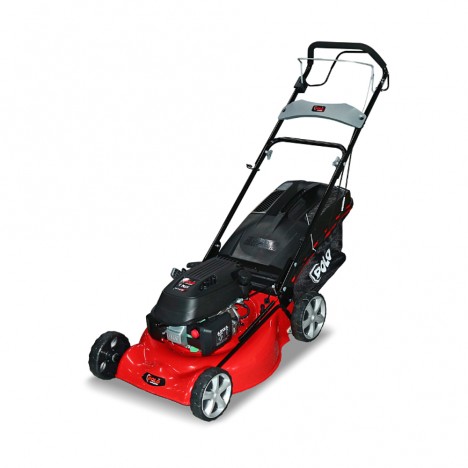
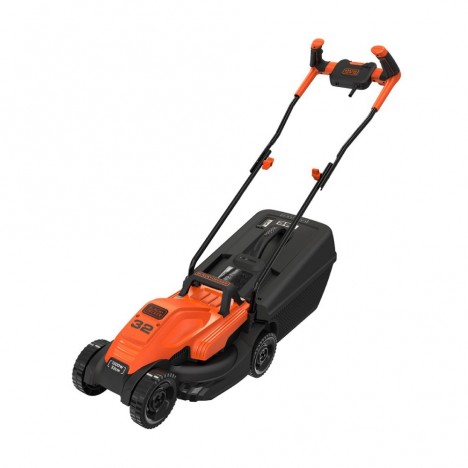
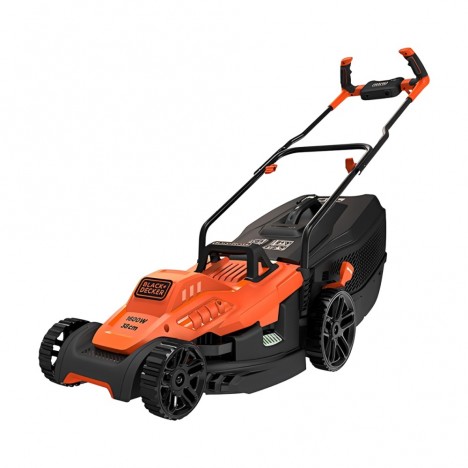


Riding lawn mowers help you maintain your lawn efficiently while saving both time and effort. A common problem encountered is abnormal mower vibration—whether it starts vibrating from ignition, when engaging the blades, or intensifies during operation to the point of being felt in the steering wheel, seat, or chassis.
There isn't just one single cause; it can stem from multiple points, such as bent or unbalanced blades, uneven engine operation, spark plug or carburetor issues, as well as drive belts, drive shafts, loose bolts, or even grass clippings clogging beneath the cutting deck. Identifying the right cause from the start is crucial, because misdiagnosing it not only wastes time and unnecessary spare parts costs, but may also cause more severe damage to the mower. In this article, we'll help you distinguish whether the vibration comes from the blades or the engine, and which points you should check before taking the mower in for repair.
What kind of mower vibration is considered abnormal?
Lawn mower All types, especially gas-powered models, have normal vibrations due to combustion, pistons, rotating shafts, and blades spinning at high speeds. Slight vibration during operation is not a concern. However, if the vibration is abnormal—such as shaking harder than usual, causing numb hands, vibrating the seat or steering wheel, accompanied by loud noises, or feeling like parts are about to come off—you should stop using it and inspect it immediately. Warning signs to look out for include:
- Severe vibration immediately after starting, or only when engaging the blades
- Vibration worsening when accelerating or cutting through thick grass
- Clunking, grinding, or metal-on-metal clattering sounds
- Engine sputtering, resulting in an uneven, wavy cut on the lawn
- A feeling that certain components are loose
You should not force continued use, as excessive vibration can loosen bolts, detach blades, bend shafts, damage drive belts, or cause more severe engine damage.
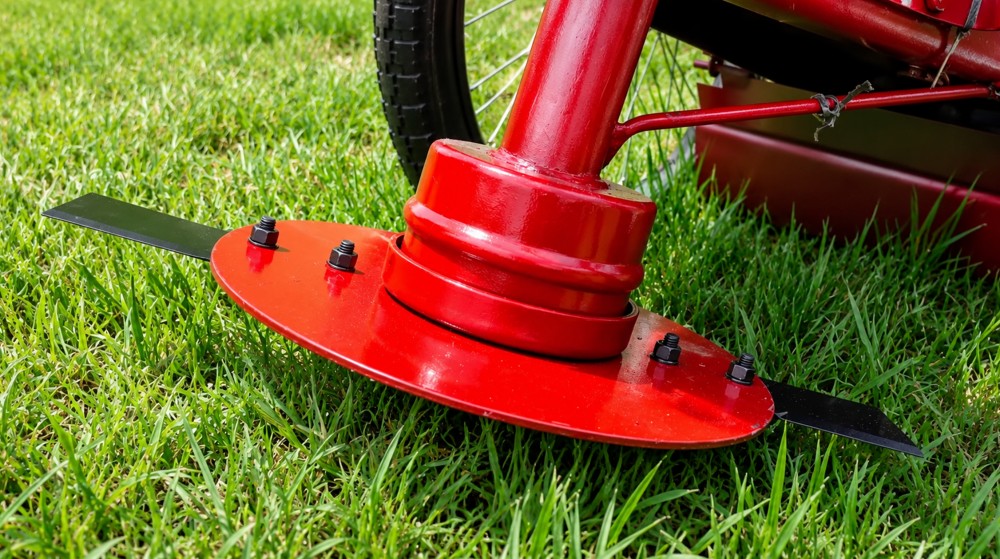
How can mower vibration be caused by the blades?
A leading cause of abnormal vibration is blade issues. Because the blades spin at high speeds under the cutting deck, even a slight loss of balance can generate significant centrifugal force and heavy vibration. A simple comparison is a fan with chipped or bent blades: when turned on, it vibrates and makes noise. The same applies to a lawn mower, but the blades spin much faster and are much heavier. Furthermore, they constantly encounter dirt, rocks, tree branches, and thick grass, making them prone to deforming or losing balance.
Bent blade from hitting a hard object
The most common cause is the blade hitting a rock, tree root, or metal scrap in the lawn. Even a slight bend can cause noticeable vibration when rotating at high speeds. This can be noticed by a "bang" or "clack" sound when hitting a hard object, followed by increased engine vibration, uneven grass cutting, or abnormal noise under the cutting deck. If this happens, stop the engine immediately, as a bent blade can damage the shaft and bearings.
Chipped, cracked, or unevenly worn blade
Blades used for a long time may chip from hitting rocks or metal debris. If the two sides have unequal weight, rotation loses balance, causing wobbling and vibration. This can be noticed by vibration occurring only when the blade is engaged, or vibrating more at high RPMs. In addition, a chipped or dull blade tears the grass instead of cutting it cleanly, resulting in yellow grass tips and an uneven lawn.
Blade not balanced after sharpening
Sharpening the two sides of a blade unevenly causes imbalance and makes the lawn mower vibrate. A sharp but unbalanced blade can be more dangerous than a dull blade because abnormal centrifugal force puts a heavier load on the shaft and bearings. Therefore, always check balance after sharpening. If you are not confident, have a skilled technician inspect it.
Incorrectly installed blade or loose bolt
If the lawn mower starts vibrating after removing the blade for sharpening or replacement, suspect installation first. Check that the blade is facing the right direction, the mounting holes align properly, the washers are intact, and the bolt is tightened to the manufacturer's specifications. If it is too loose, the blade may shift, but improper tightening can also damage the threads.
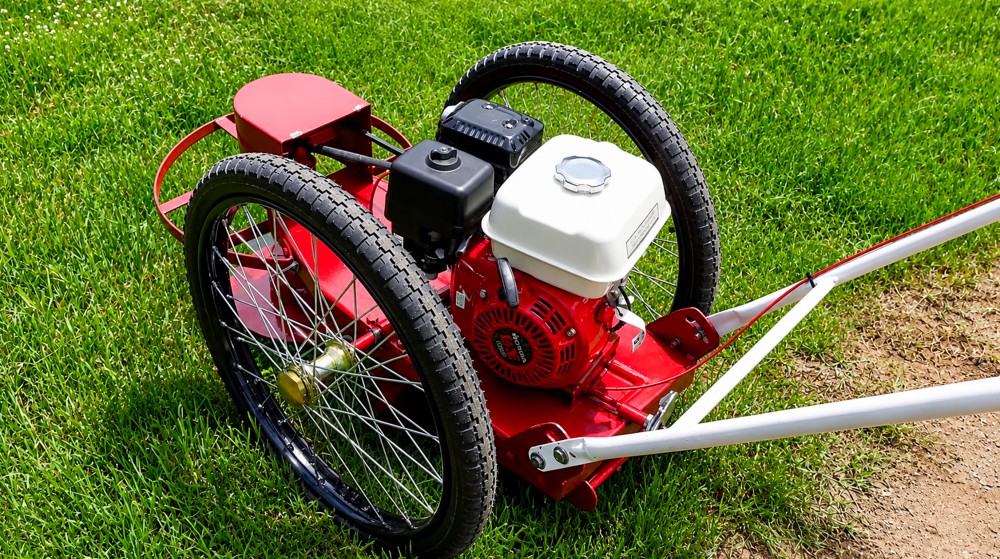
Can excessive lawn mower vibration be caused by the engine?
Yes, it can. In addition to the blade, the engine is another major cause, especially in gas lawn mowers using small petrol engines. If the engine runs roughly, has incomplete combustion, poor fuel flow, or loose parts, it can generate significant vibration.
- Rough idling engine: symptoms include fluctuating RPMs, uneven sound, rhythmic sputtering, or feeling like it is about to stall, which makes the mower vibrate along with it. Causes often stem from old fuel, dirty air filters, degraded spark plugs, or clogged carburetors—especially common in mowers left idle for a long time before reuse.
- Degraded or dirty spark plug: the spark plug generates the spark to ignite the fuel. If it is dirty or worn, it causes hard starting, engine misfires, RPM drops, or abnormal vibration. If it has been used for a long time without ever being replaced, check this first.
- Clogged air filter: if the air filter is dirty, less air enters the engine, upsetting the fuel-air mixture. This makes the engine run sluggishly, fail to accelerate, or vibrate more than usual. Since lawn mowers constantly work in dusty and grass-filled environments, the air filter should be removed and cleaned regularly.
- Dirty carburetor or uneven fuel delivery: the carburetor mixes fuel with air before sending it to the engine. If it is clogged with old fuel deposits or dirt, the engine receives uneven fuel, causing unstable RPMs and severe vibration. This is often found in mowers left unused for a long time or with stale fuel in the tank.
- Worn engine mounts or loose mounting bolts: sometimes the engine has no internal issues, but loosened bolts or degraded engine mount bushings cause more vibration to transfer to the chassis. Leaving this unchecked for a long time can damage the frame or surrounding components.
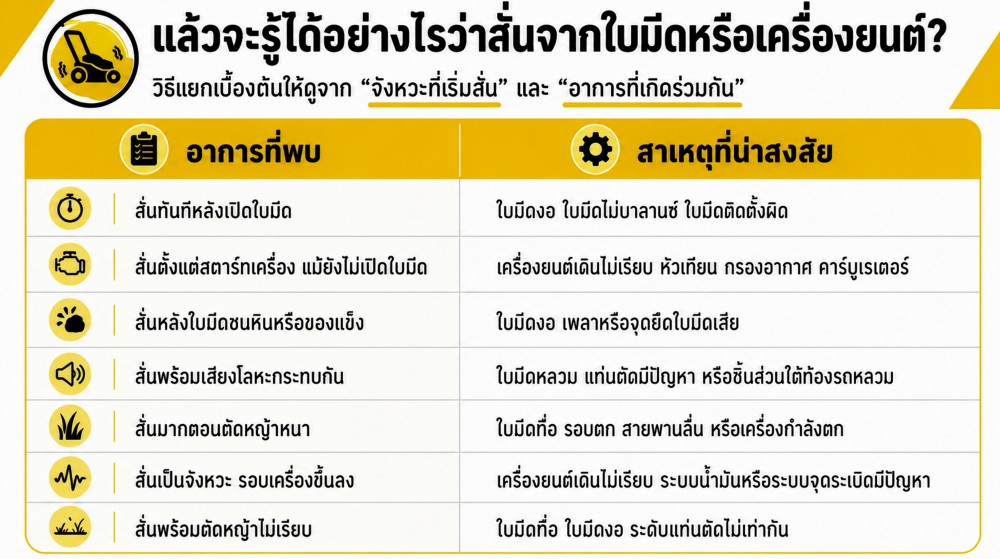
What should you check first if the lawn mower vibrates heavily?
- Step 1: Stop the machine and make it safe. Turn off the engine, wait for the blade to come to a complete stop, and remove the key or disconnect the spark plug wire every time to prevent accidental starting.
- Step 2: Check under the cutting deck. See if there are grass clippings, dirt, branches, or string caught inside, as tightly packed grass alone can cause vibration and uneven cutting.
- Step 3: Check the blade. Inspect whether the blade is bent, chipped, or dented from impact. Make sure the bolt is tight and the blade is in the correct position. If it vibrates right after sharpening, suspect blade balance.
- Step 4: Observe symptoms before engaging the blade. Check if the engine vibrates right from idling. If it vibrates even when the blade is not engaged, the cause is likely in the engine, such as the spark plug, air filter, or carburetor.
- Step 5: Listen for abnormal noises. Metallic clatter → loose parts / Whining or grinding → bearings / Engine sputtering → engine or ignition system
- Step 6: Inspect belts and mounting bolts. For models with belts, check if the belt is cracked or slack, and check if the deck and engine mounting bolts are securely tightened.
Frequently Asked Questions About Excessive Lawn Mower Vibration
What causes a lawn mower to vibrate after changing the blade?
It could be caused by installing the blade upside down, using the wrong blade model, a loose mounting bolt, or an unbalanced new blade. Even with a new blade, you should still check that it is installed correctly and flush against the mounting point.
Can a slightly bent lawn mower blade still be used?
It is not recommended to continue using it, as even a slightly bent blade can cause high vibration at high speeds and may affect the shaft, bearings, or mower deck. It should be replaced or inspected by a technician before use.
If the lawn mower vibrates but still cuts, should I keep using it?
If the vibration is abnormally high, you should not continue using it, as it may cause more severe damage to components. You should stop the machine and inspect for the cause first, especially checking the blade, blade mounting bolts, and debris under the deck.
Select Lawn mower to suit the application