


 EN
 ไทย


Customers Also Purchased
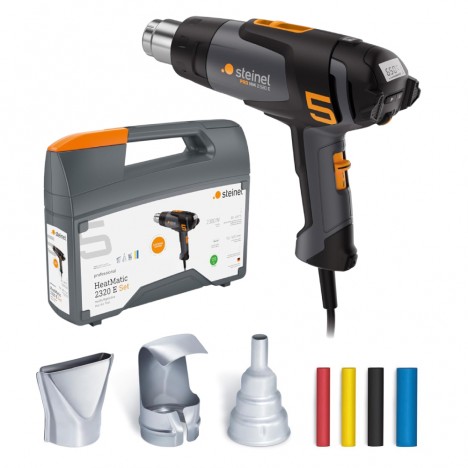
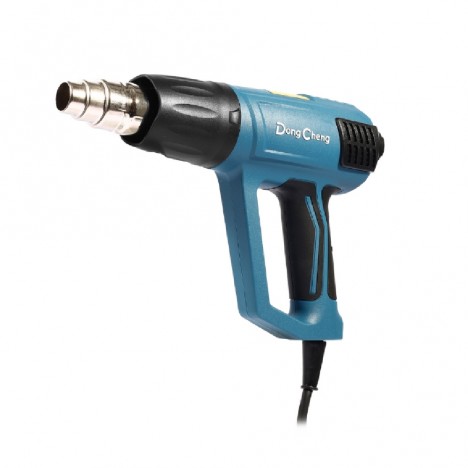
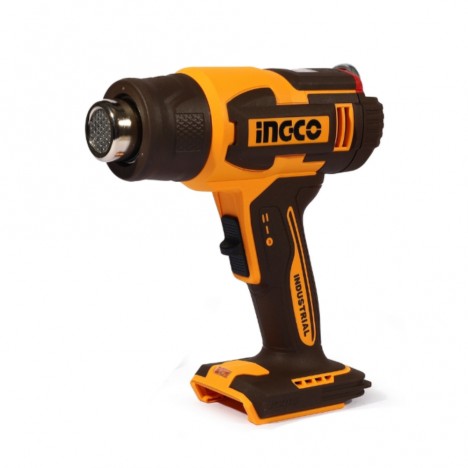
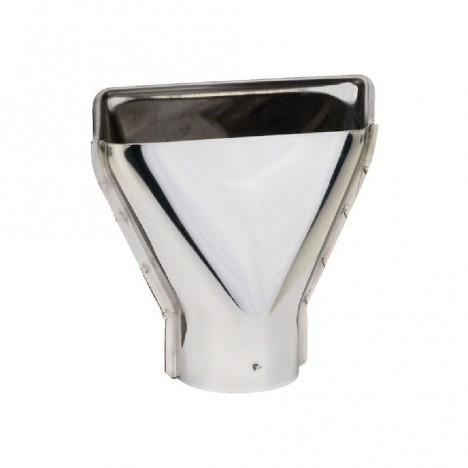
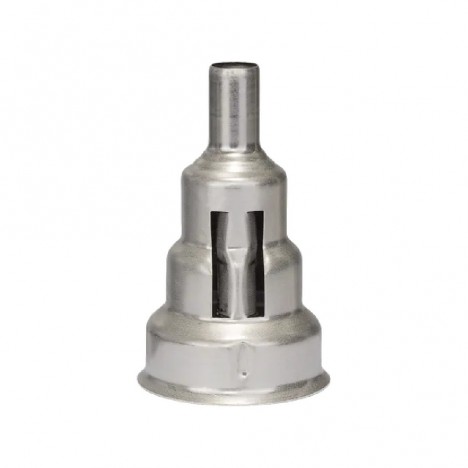
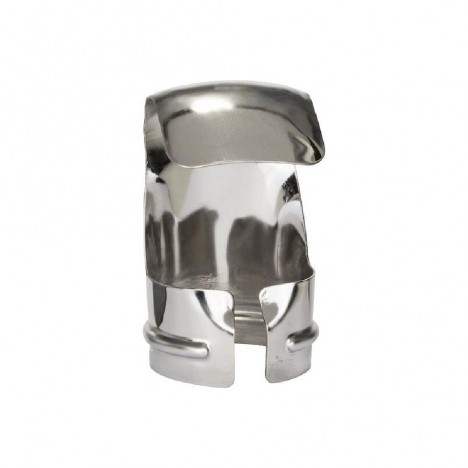
When choosing to buy Heat Guns We might wonder about the importance between Air Flow and Temperature, and in most product specifications, these two values are usually highlighted equally, such as temperature 500–650 degrees Celsius and airflow 250–500 liters per minute
Many people may assume that if a heat gun has a higher temperature, it must always be “more powerful and perform better.” In reality, choosing a heat gun isn't just about looking at the maximum temperature, because whether the heat output is effective also depends on airflow volume, temperature stability, heat distribution, nozzle type, and the specific application it is used for.
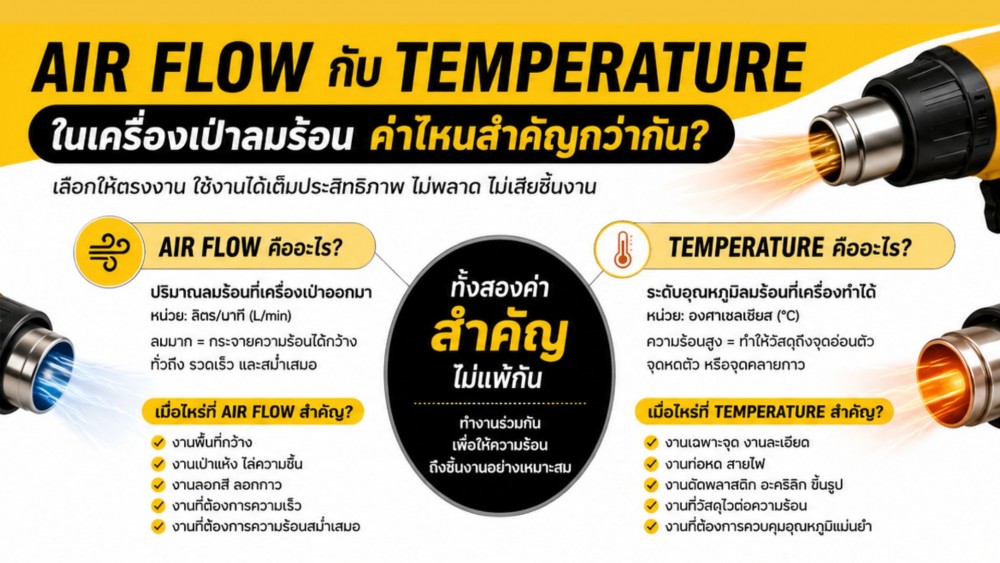
Temperature and Air Flow can simply be explained as “the maximum heat the tool can generate, and the volume of hot air the heat gun can deliver.” These two values are not interchangeable, but work together to deliver the proper heat to the workpiece. Very high temperature with low airflow may be suitable for targeted, localized work, heat shrinking tubing, or removing stickers. However, for large surface areas or bulky workpieces, a tool with better Air Flow may work faster and more evenly, even if the maximum temperature is not the highest.
What Is Temperature in a Heat Gun and How Important Is It?
The Temperature value in a heat gun refers to Temperature level of hot air that the tool can generate Typically, heat guns for professional trades and DIY work have a temperature range from approximately 50 degrees Celsius up to 600 degrees Celsius, with some models even higher.
Beginners must know! Basic heat gun usage Basic heat gun models may offer 2 adjustment settings, such as cool air or low heat, and high heat. Meanwhile, professional-grade models may allow finer temperature adjustments, feature digital displays, allow degree-by-degree setting, and maintain constant temperatures better.
A heat gun with high temperature does not always mean it is better
- Choosing a heat gun based solely on its maximum temperature may lead to selecting the wrong tool type.
- Many applications do not require the maximum temperature all the time.
- Some jobs may require the right amount of heat rather than maximum heat.
- If the heat is too high, the workpiece could be damaged before achieving the desired results.
A simple example is removing stickers on plastic surfaces: if the heat is too strong, the underlying plastic may warp or become glossy, while the adhesive has not yet softened evenly.
What you should look at rather than maximum temperature is temperature control capability. A heat gun that allows fine temperature adjustment and maintains consistent heat is often more reliable to use than a tool claiming very high temperatures but having only a few setting levels.
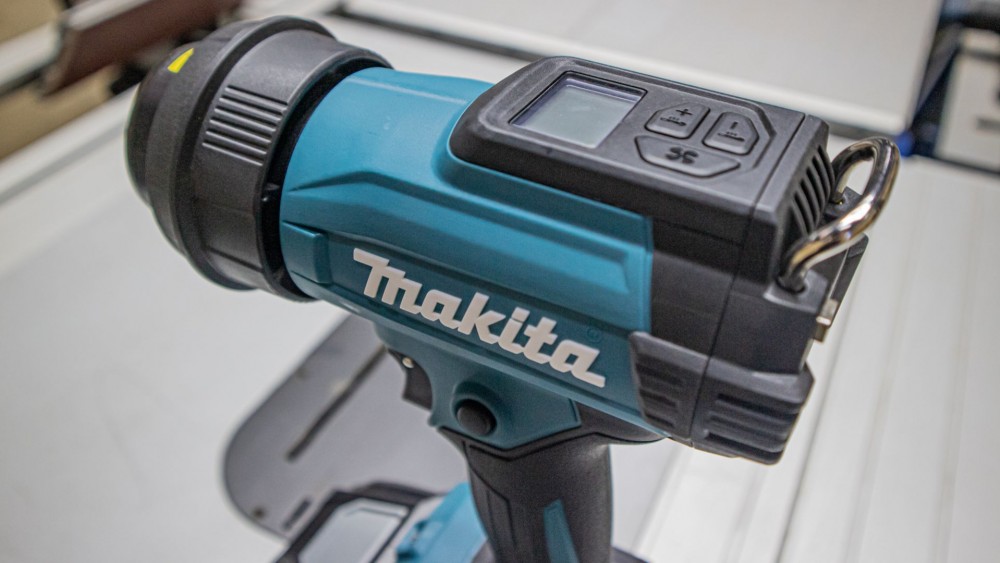
Heat guns are easy to use, but require caution? What should you watch out for? Real work is not just about "low heat" vs. "high heat", but requires a temperature range suitable for the material. For example, some plastics soften very quickly, shrink film requires consistency rather than intensity, and paint stripping needs continuous heat without excessive spikes.
What is Air Flow in a heat gun, and how does it affect work?
Air Flow refers to The volume of air blown out by the heat gun per unit of time It is usually specified in liters per minute (L/min) or indicated by switch settings as low air and high air. This value directly affects the convective heat transfer to the workpiece; even if the air temperature is high, if the airflow volume is low, the heat reaching the work area may not be sufficient or might concentrate in only a small spot.
If the Air Flow is high, the hot air spreads over a wider surface area, speeding up certain tasks such as stripping paint over large areas, drying moisture, softening adhesive on large surfaces, or warming materials larger than a single blow point.
Air Flow vs. Temperature: Which one is more important?
If asked directly which value is more important between Air Flow and Temperature for a heat gun, the answer is Neither is definitively more important, as both values serve different functions.
- Temperature is important when the material needs to reach its softening point, shrinking point, adhesive release point, or the point where a physical change occurs.
- Air flow is important when heat needs to be transferred to the workpiece quickly, thoroughly, and continuously.
- For small, spot-specific tasks requiring precise heat control, temperature and temperature adjustment carry more weight.
- For large areas, tasks requiring speed, or when heat must be applied evenly across a surface, air flow immediately becomes the critical variable.
A good heat gun must be easily controllable.
One common misconception when buying a heat gun is assuming that the model with the highest maximum temperature is always the best. In real-world applications, however, controllability is far more important. A heat gun should allow you to adjust the temperature to suit the task, regulate air flow according to the workpiece, and deliver consistent heat during continuous use. A tool that gets extremely hot but is difficult to control requires much more caution and can easily damage the workpiece, whereas a tool with less flashy specs that offers fine, stable adjustments is much more reliable.
For professional work, temperature stability is crucial because during extended use, some models may experience temperature fluctuations, heat drops, or uneven airflow, leading to inconsistent results across different stages of work.
In contrast, a well-engineered tool maintains consistent heat, making repetitive tasks—such as vinyl wrapping, heat-shrink tubing installation, repairs, assembly, or controlled material heating— much more consistent in quality. Therefore, when purchasing, don't just look at the maximum numbers on the box; check how many adjustment levels it offers, how precisely it can be adjusted, whether it features a temperature control system, and if the air flow suits the tasks you perform most often.
Choosing a heat gun for different types of applications
Heat-shrink tubing, wiring, and spot applications The temperature must be just right, and the air flow should not be too strong, as the goal is to shrink the tubing evenly around the wire. If the heat is too high, the tubing may burn, harden, discolor, or shrink unevenly. On the other hand, if the air flow is too powerful, small wires might be blown out of place, or heat may spread beyond the target area.
For spot applications, a heat gun with precise temperature adjustment and a concentrating nozzle performs much better than one focused solely on high airflow.
Stripping paint, removing adhesive, and peeling stickers This clearly requires a balance of both temperature and air flow. If the temperature is insufficient, the paint or adhesive won't soften, requiring excessive scraping and risking scratches on the surface. However, if the temperature is too high, the underlying surface may burn, scorch, or deteriorate. This type of work prioritizes control over raw power, making tools with multiple heat settings ideal.
Air flow helps disperse the heat from the heat gun across the desired removal area, making the work continuous and faster—especially on large surfaces such as doors, door frames, furniture, or coated metal panels.
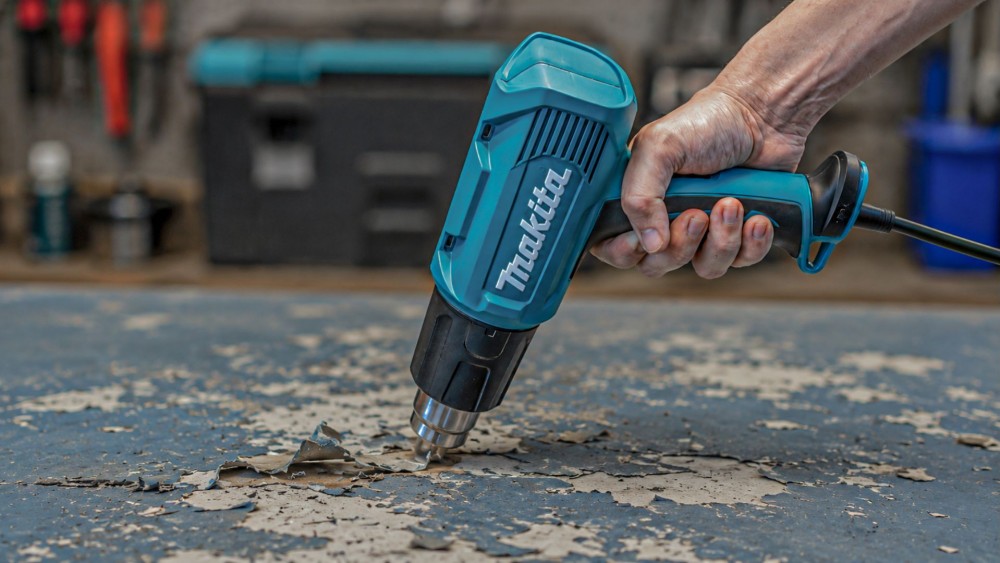
Bending plastics, acrylics, and material forming Air flow plays a vital role here by helping distribute heat more broadly and evenly, while the temperature must be adjusted according to the material's type and thickness; maximum heat should not be used unnecessarily.
For thin plastic sheets, a medium temperature and continuous movement of the nozzle deliver better results than holding high heat in one spot. Thicker materials may require more time for the heat to penetrate through, but care must still be taken to prevent the outer surface from scorching before the core softens.
Drying, moisture removal, and large-area applications Air Flow is often more important than Temperature in many cases. Drying does not happen from heat alone, but also from moving air and moisture away from the surface.
Sufficient airflow helps carry moisture away faster, whereas an excessively high temperature can warp, crack, or mark certain materials. It is best suited for tools with relatively good and adjustable airflow.
Other specifications to look for besides temperature and air volume
Why do corded heat guns have such high wattage, and how do they differ from cordless ones? Although Air Flow and Temperature are the two main specs listed for a heat gun, there are other details that greatly affect the user experience, such as:
- Number of temperature adjustment levels
- Heat control system
- Airflow consistency
- Tool weight
- Grip ergonomics
- Continuous runtime capability
- Included nozzle attachments
Some heat gun models feature a cool-air blow mode or low temperature to help cool down the tool after use, extending the life of the heating element and making storage safer. In addition, an integrated stand base is crucial for hands-free work, such as bending materials or holding workpieces directly in front of the hot air stream. A stable base makes work much more convenient and safer.
Choosing a heat gun suited to your application is better than choosing based on the highest numbers
For general household tasks, DIY projects, or minor repairs, a heat gun with 2–3 temperature settings and an adequate Air Flow is more than enough. However, for serious professional work that is frequent or involves various applications, you should choose a unit with more precise temperature and airflow adjustments. This expands usability and reduces the risk of damaging the workpiece.
For those comparing multiple heat gun models, look at the overall specifications rather than focusing on a single number. First, ask yourself what type of work you do most often. If it's small, detailed work, focus on temperature control, nozzles, and tool weight. If it's for large surface areas, look at the Air Flow and continuous blowing capability.
For versatile applications, choose a heat gun with flexible adjustments, as it will cover a wider range of tasks in the long run.
Summary: Air Flow vs. Temperature—which should you check first?
To summarize for practical use: Temperature is essential for bringing the material to the required heat level to produce an effect, while Air Flow is crucial for delivering and distributing heat across the workpiece. For delicate work, pinpoint tasks, and heat-sensitive materials, prioritize temperature adjustment and blowing area control. For large surfaces, drying, paint stripping, or speed-driven tasks, prioritize Air Flow, as air volume clearly affects the continuity and consistency of the work.
Therefore, Heat Guns The right choice isn't necessarily the machine with the highest temperature number or the greatest airflow. Instead, it should be a machine that provides a good balance between both values, adjusts suitably for real-world tasks, operates continuously with confidence, and features specialized nozzles or auxiliary functions that help control heat more precisely.