


 EN
 ไทย


Customers Also Purchased
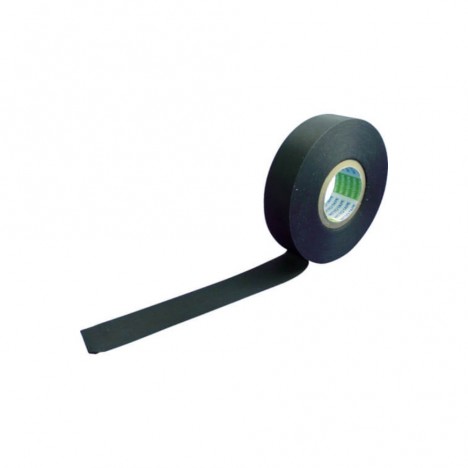
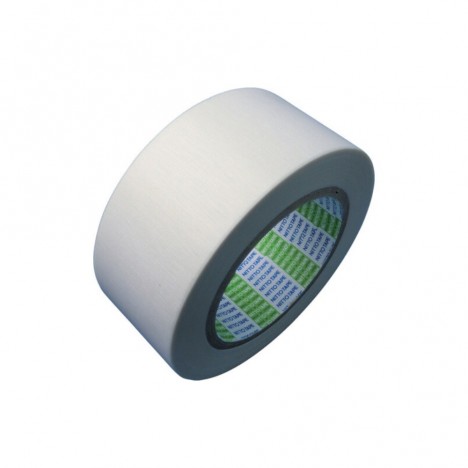
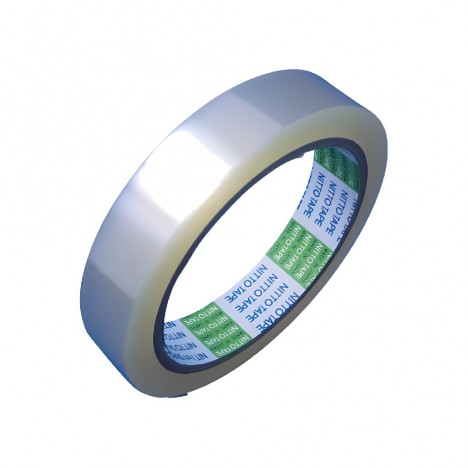
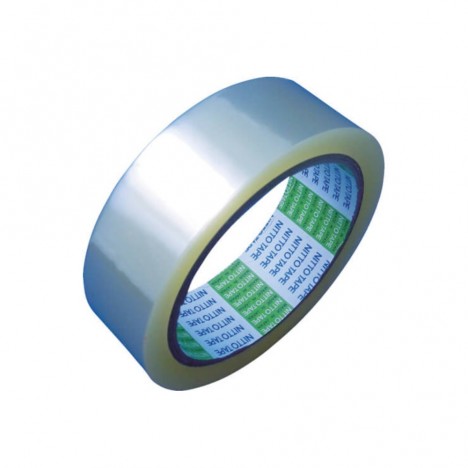
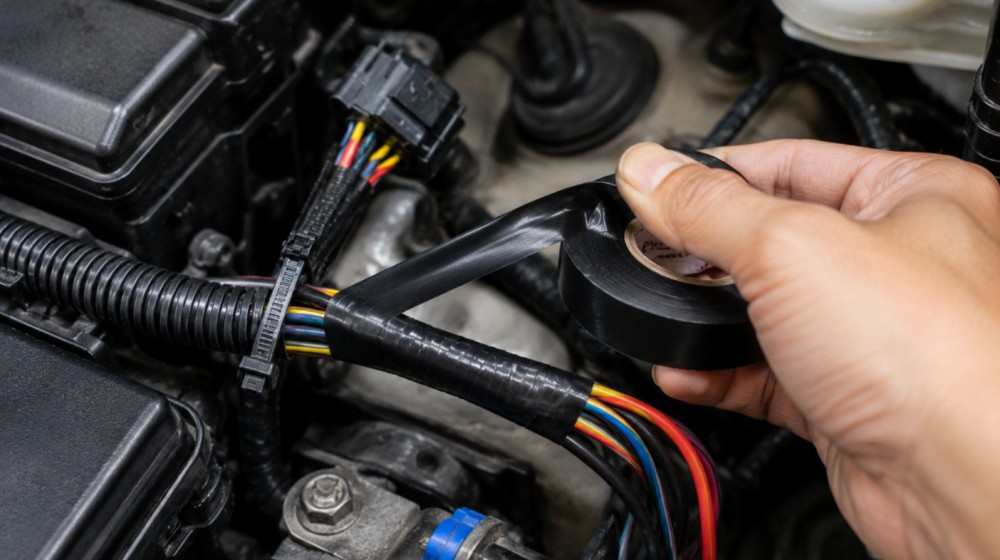
Electrical tape It is something many people frequently grab for automotive work, whether it's routing dashcam cables, bundling car audio wiring, wrapping interior LED wires, or tidying up after installing accessories, because it is easy to use, affordable, and seems to instantly make wiring look neat.
However, automotive wiring does not exist in the same environment as household wiring. Vehicles are subject to vibration, heat, humidity, dust, oil stains, tight spaces, and points where wires can constantly rub against metal or plastic edges. Therefore, the answer is not simply "usable" or "unusable"; it depends on what type of tape is used, where it is used, and what function it serves. Electrical tape can be used in vehicles for certain tasks, but it should not be used as a substitute for proper wire splicing methods, nor should it replace heat shrink tubing or protective wire sleeving in areas requiring greater durability than standard tape.
Can electrical tape be used on automotive wiring?
It can be used in some areas, provided you select the appropriate tape for the location and do not misuse it.
For interior cabin applications—such as bundling signal wires, routing dash cam wiring, tidying up small accessory wiring, or temporary wire marking—electrical tape can be used appropriately, especially in areas that are not hot, wet, exposed to oil stains, or subjected to constant movement or friction.
However, for wire connections located in the engine bay, areas near heat sources, moisture-prone spots, areas subjected to tensile stress, or points where wires frequently rub against vehicle components, relying solely on standard electrical tape may not be suitable. Over time, the tape can unravel, the adhesive can become gooey or dry out, and the tape may turn brittle or peel off during long-term use.
What you need to distinguish is that while electrical tape can serve as insulation or help tidy up wiring, it should never be the primary means of securing a wire connection. A good wire joint must first be electrically and mechanically secure, and only then should you select the proper method of wrapping and protecting it for that specific location.
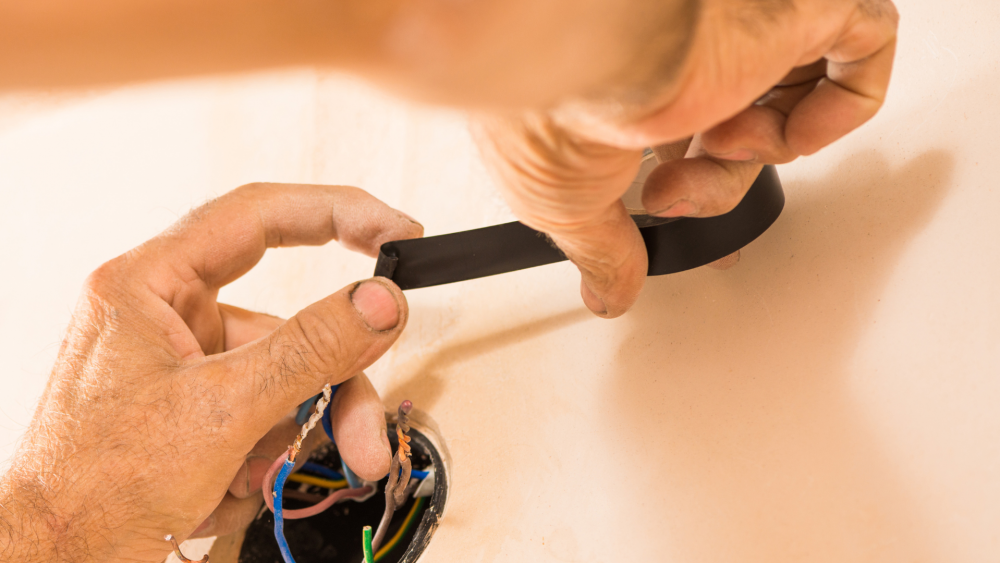
Tapes used for automotive applications are not limited to standard black PVC tape.
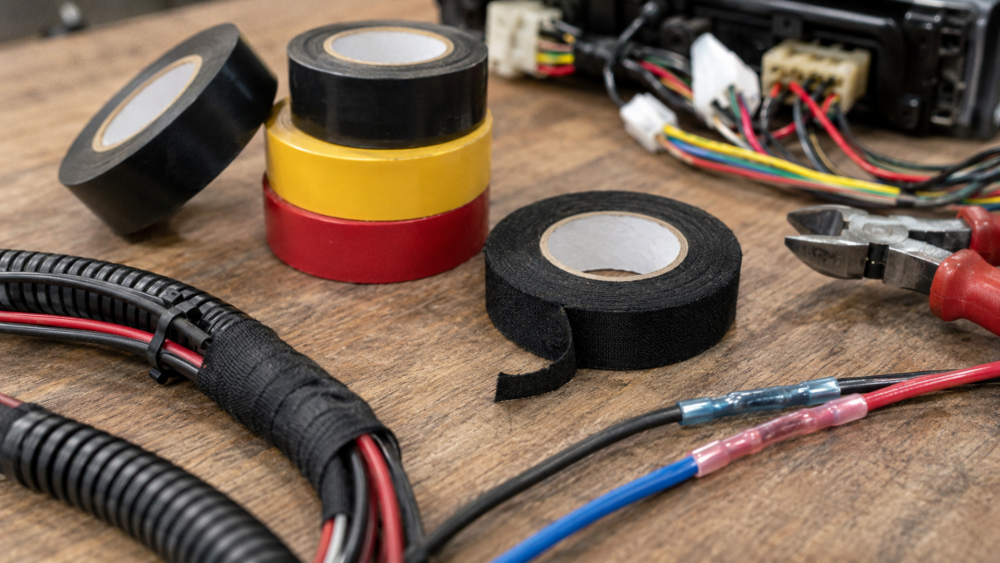
When people mention electrical tape, many picture standard black PVC tape used for general electrical work. However, in automotive applications, there are several types of wiring harness tapes, each suited for different tasks.
PVC Electrical Tape
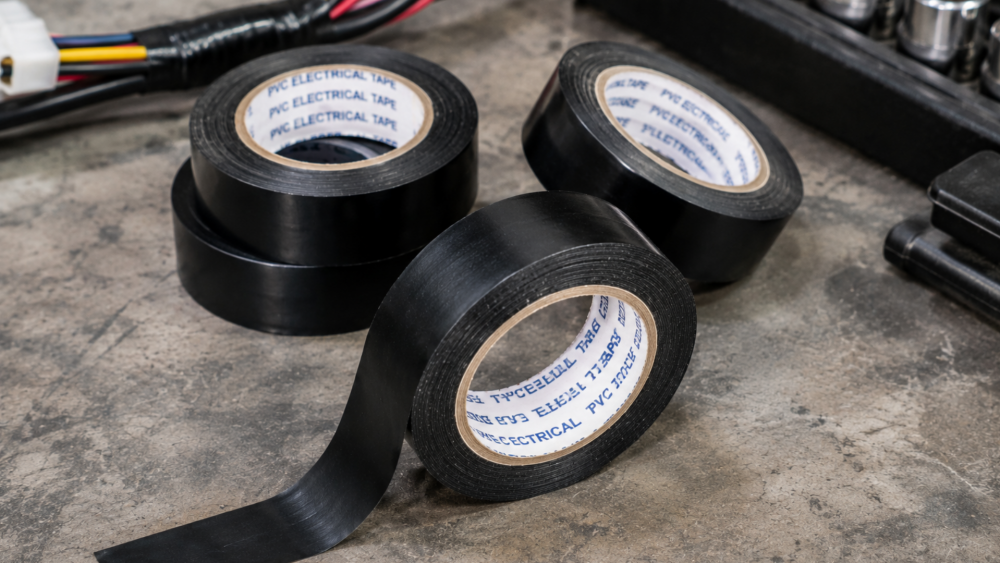
PVC electrical tape is a staple in many households and workshops. It can be used for insulating, tidying up, or adding reinforcement in certain spots, provided it is clearly rated for electrical work with suitable specifications.
The advantages are flexibility, ease of use, wide availability, and good insulation for general applications. However, its limitation is that under prolonged exposure to heat, moisture, oil stains, or vibration, some grades may degrade quickly, become gooey, or unravel. Therefore, you should not assume every roll of PVC tape is suitable for all automotive locations.
Cloth Tape or Automotive Wiring Harness Tape
Cloth tape or PET fleece tape for automotive wire harnesses is commonly used for bundling wires inside the passenger cabin. It helps reduce rattling noise from wires hitting interior components, provides a degree of abrasion resistance, and delivers a neater finish than standard PVC tape.
This type of tape is ideal for organizing cables under the dashboard, behind the audio head unit, inside door panels, or wherever you want to dampen harness noise. However, this does not mean it can be used everywhere in the engine bay or in extremely hot areas; always check the specifications of each tape model.
Engine Bay Tape or Protective Sleeving
The engine bay is a much harsher environment than the passenger cabin due to higher heat, vibration, oil residue, and frequent abrasion points. If wrapping or protecting wires in the engine bay, materials specified for automotive use that can truly withstand the temperature range of that location should be used. Standard PVC tape should not be used as primary protection in the engine compartment, especially near the engine, exhaust, radiator, cooling fans, drive belts, or moving parts.
Where electrical tape can reasonably be used
Bundling wire harnesses inside the passenger cabin
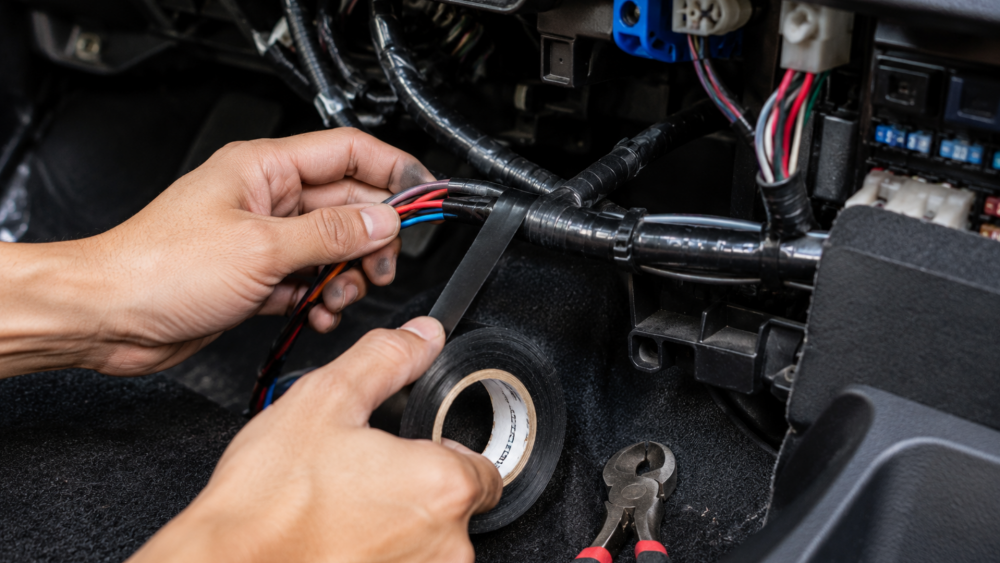
Tasks such as bundling dash cam cables, interior car LED wires, audio signal cables, or small accessory wiring inside the passenger cabin can use electrical tape to bundle and tidy wires, provided the location is not hot, wet, exposed to oil, and not frequently pulled.
If you want a clean finish and want to prevent adhesive goo in the future, automotive fabric wire harness tape or wire sleeves may be more suitable than standard PVC tape, especially under the console or in spots where wires might rattle against plastic panels.
Used for temporary wire marking
Colored tape can be used to temporarily mark wires, such as tagging wires before unplugging, marking harnesses that need to be reconnected to their original positions, or separating accessory wires to avoid confusion. However, you should not use tape colors randomly in a way that creates confusion with the car's original wire colors, as wire colors vary across vehicle models depending on the circuit. If unsure, always take a photo or note down positions before disconnecting wires.
Used for tidying up after proper wire connection
If wire joints have been properly connected using terminals, connectors, wire lugs, or crimp sleeves suitable for the wire size, tape can be used for extra bundling in certain cases. However, keep in mind that tape only serves to wrap and tidy up the wiring; it does not make the connection itself tighter. If the joint is loose, uses the wrong terminal size, or is improperly crimped, wrapping tape over it will not make the connection safer.
Where heat shrink tubing should be used instead of electrical tape
Heat shrink tubing is ideal for wire splices that require a clean, secure finish and won't easily unravel like tape, especially for permanent wiring jobs.
Newly spliced wire joints
If wires are spliced for additions such as auxiliary lights, reverse cameras, sensors, audio systems, or other electrical accessories, the joints should be secured firmly first, then neatly insulated with heat shrink tubing. Heat shrink tubing fits evenly around wires better than tape, leaves no adhesive residue, and looks more permanent. However, you must choose the right size for the wire: if too large, it won't shrink tightly enough; if too small, it may not slip over the wire or properly cover the splice.
Spots prone to moisture
If connections are near the car floor, under seats, around doors, in the trunk, or in areas exposed to water and moisture, adhesive-lined dual-wall heat shrink tubing or appropriate moisture-resistant connectors should be used. Adhesive-lined heat shrink tubing seals joints far better than regular tape, but it must be used correctly: surfaces should be clean, the size should be properly matched, and enough heat applied until the tubing conforms snugly. If done improperly, moisture can still penetrate.
Spots that do not require frequent dismantling or repair
Heat shrink tubing is suitable for areas that won't require frequent disassembly once finished, as removal is much harder than peeling off tape. For connections that require frequent inspection or component replacement, use suitable wire connectors or plugs instead.
Where wire sleeves or split loom tubing should be used
Wire sleeves and split loom tubing are not meant for joining wires, but they protect cables from friction, impacts, and routing through high-risk spots. They are ideal for bundling wire harnesses or routing cables through tight spaces.
Cables routed over sheet metal edges or sharp corners
If wires must pass through body panel holes, metal edges, under the console, or areas with sharp corners, use rubber grommets, wire sleeves, or corrugated split loom tubing for protection. Do not simply use electrical tape alone and let the wire rub directly against material edges. Because continuous vehicle vibration can cause wires rubbing against sharp edges to gradually wear away down to the internal conductors.
Wiring in the Engine Bay
If additional wiring must be routed in the engine bay, route it away from the exhaust manifold, fans, belts, extreme heat sources, and moving parts. Then choose wire sleeving, corrugated split loom tubing, or wrapping materials suitable for engine bay temperatures and environmental conditions. Standard PVC tape should not be used as primary protection here, as the engine bay is subject to both heat and oil residues, which can degrade the tape much faster than inside the cabin.
Long-Distance Wire Runs
When running long wires from the front to the rear of the car—such as for car audio systems, dash cams, or accessories—use wire sleeves or corrugated split loom tubing sections that are at risk of cuts, pinching, or friction against car parts. Electrical tape can help bundle wires at intervals, but it should not replace full-length wire protection.
Where You Should Not Rely on Electrical Tape Alone
Wire Splices That Are Merely Twisted Copper
Stripping wires, twisting the copper strands together, and wrapping them with tape should never be used as a permanent repair method in vehicles. Continuous vehicle vibrations can cause connections to loosen, leading to poor contact, increased resistance, circuit malfunctions, or localized overheating.
If you need to splice wires, use terminals, connectors, crimp sleeves, or joining methods suited to the wire gauge and operating current, along with properly sized crimping pliers—not standard pliers just squeezed tight and wrapped with tape.
Wires with Exposed Copper or Cracked Insulation
If wire insulation is cracked to the point of exposing copper, wrapping it with tape should not be considered a complete fix, especially for wires in frequently moving, hot, or wet areas, or those in critical vehicle systems. In this case, check whether the damage is limited to the outer insulation or includes the internal copper strands. If some copper strands are severed, the cross-sectional area decreases and current-carrying capacity may be compromised; wrapping tape over it does not restore the wire's integrity.
Wires Near Exhaust Pipes or Extreme Heat Sources
Standard electrical tape should not be used on wires near exhaust pipes, headers, radiators, or extremely hot areas. If wires are found too close to heat sources, reroute them away from the heat and use heat-resistant protective materials suitable for automotive applications.
Wires Frequently Exposed to Oil or Chemical Residues
If wires are in areas prone to contact with engine oil, brake fluid, coolant, or chemical residues, standard tape may not adhere properly or will deteriorate quickly. Use wire-covering materials specifically rated for those environments instead.
Critical Vehicle Circuits
Wiring related to airbags, ABS, ECU, ignition systems, critical sensors, or the vehicle's main electrical system should not be repaired by trial-and-error using electrical tape by yourself. Incorrect connections, loose joints, or poor contact resistance can cause system malfunctions. If you are unsure which system a particular wire belongs to, you should have it inspected by an automotive electrician first.
High-voltage wiring in hybrid or electric vehicles
Hybrid and electric vehicles feature high-voltage systems that require specialized knowledge, tools, and safety procedures. Typically, high-voltage cables are marked in orange; you must never cut, splice, wrap, or modify them yourself under any circumstances. On a hybrid or electric vehicle, if you encounter orange wiring or components with high-voltage warning labels, avoid touching them and have them inspected by a service center or a certified technician.
What to check before repairing or wrapping automotive wiring
Before working on automotive wiring, turn off the engine, remove the key, and ensure that the circuit being worked on is completely unpowered. For work involving the main power supply or potential short circuits, disconnect the battery terminals following the appropriate procedure for that vehicle model. Some newer vehicles have extensive electronic systems; disconnecting the battery may cause stored settings to be lost or require recalibration. Therefore, consult the vehicle manual or have a professional handle it if you are unsure.
Before choosing between electrical tape, heat shrink tubing, or protective sleeving, check the location: is it hot, wet, or exposed to oil? Does the wire move frequently? Is there potential friction against sharp edges? And does the wire connect to a critical vehicle system? For minor tasks inside the cabin, tape may be sufficient for tidying up. However, for permanent splices, hot spots, wet areas, or points of friction, choose more durable materials better suited for automotive applications.
Choosing the right material for the job
- For bundling wires inside the passenger cabin, electrical tape or automotive cloth harness tape can be used as appropriate.
- For dampening noise from wires rattling against dashboard panels, cloth tape or PET fleece harness tape is generally more suitable than standard PVC electrical tape.
- For permanent wire splices, make a secure connection using proper terminals or crimp sleeves, then seal it neatly with heat shrink tubing.
- For moisture-prone areas, use dual-wall adhesive-lined heat shrink tubing or appropriate weather-pack connectors.
- For wiring routed along sheet metal edges, sharp corners, or friction-prone zones, use protective sleeving, split loom conduit, or rubber grommets instead of relying solely on tape wrapping.
- For wiring located in the engine bay, select protective sleeving specifically rated for automotive use that can withstand the temperature range of that area.
- For severely damaged wiring—such as exposed copper, brittle insulation, overheating, burning smells, or wires tied to critical vehicle systems—repair them properly using correct methods rather than merely taping over them and continuing to drive.
Key reminders before reaching for tape on automotive wiring
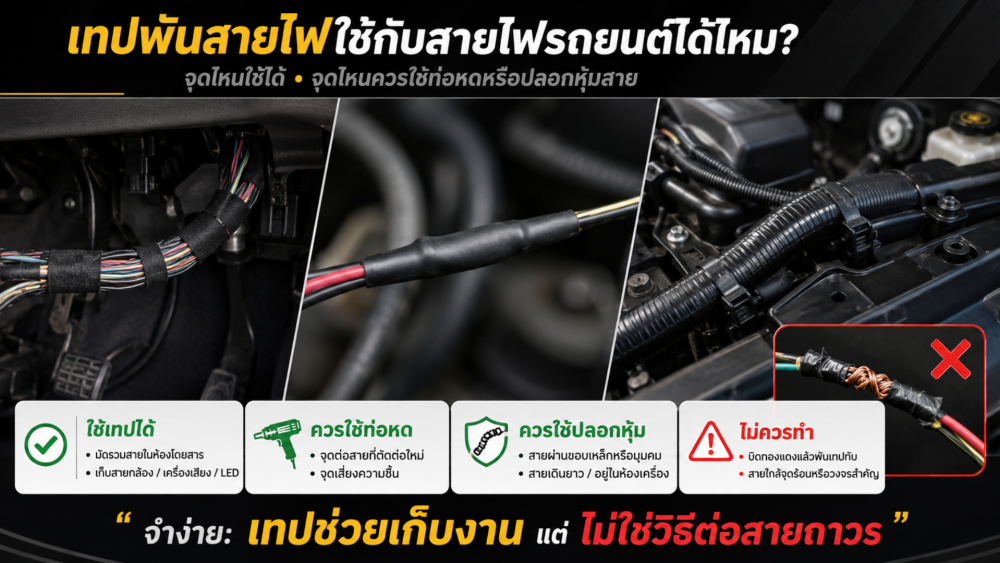
Electrical tape It is not the wrong tool, but it must be used for the right purpose. In automotive applications, tape is suitable for bundling wires, marking circuits, light wire dressing, or secondary wrapping in areas free from extreme heat, moisture, oil, and excessive vibration. However, for wire splices, areas requiring durability, water-exposed spots, areas inside the engine bay, or spots prone to friction, you should use heat shrink tubing, wire sleeving, corrugated split loom tubing, or automotive-grade connectors instead.
Automotive wiring operates in much harsher environments than general wiring. Therefore, a good repair isn't just about covering it up or making it look tidy, but considering what that specific spot will encounter during actual use and choosing the right protection method from the start.